
historic home shines
A Lighter Touch Made All the Difference in This
Grant Park Bungalow
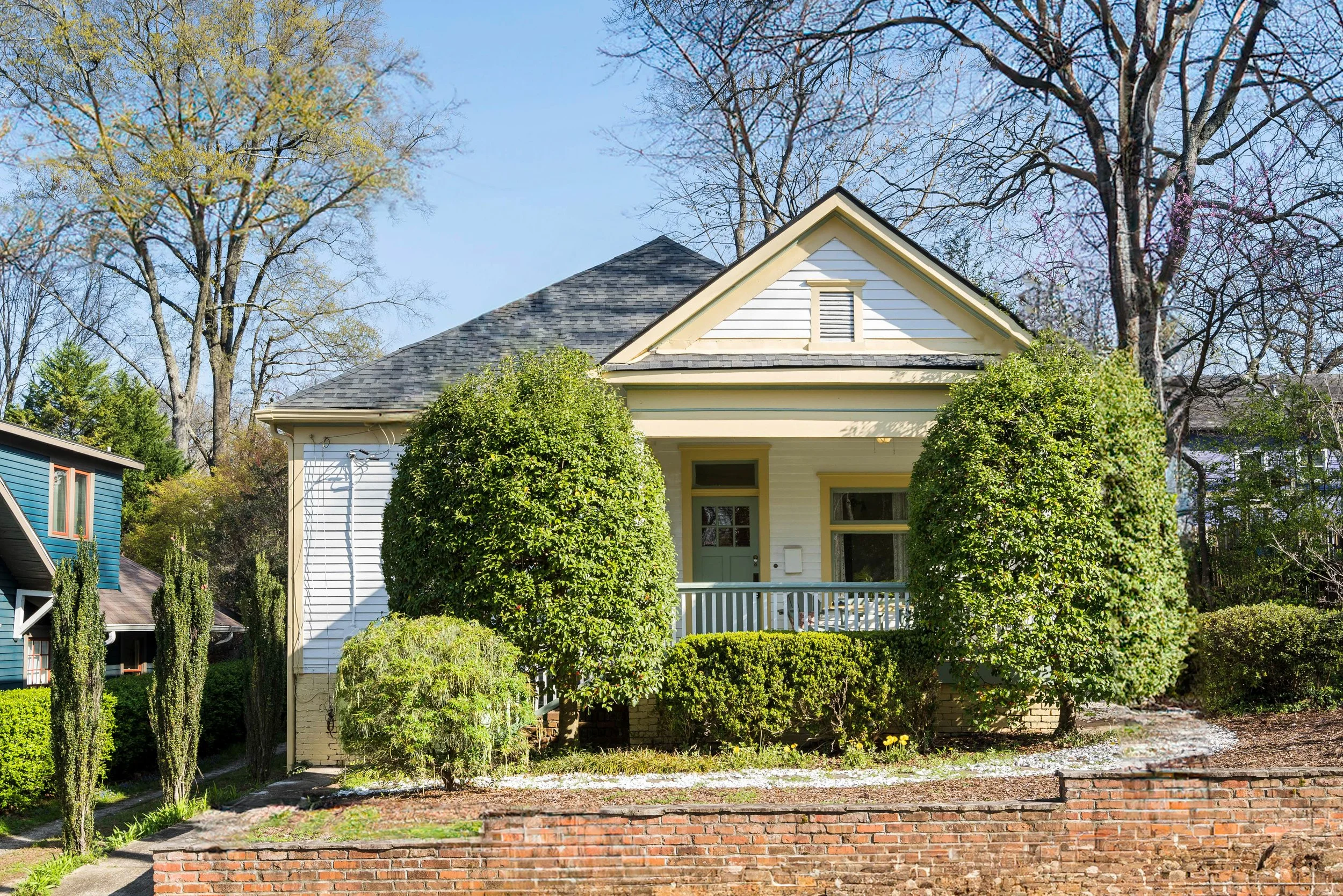
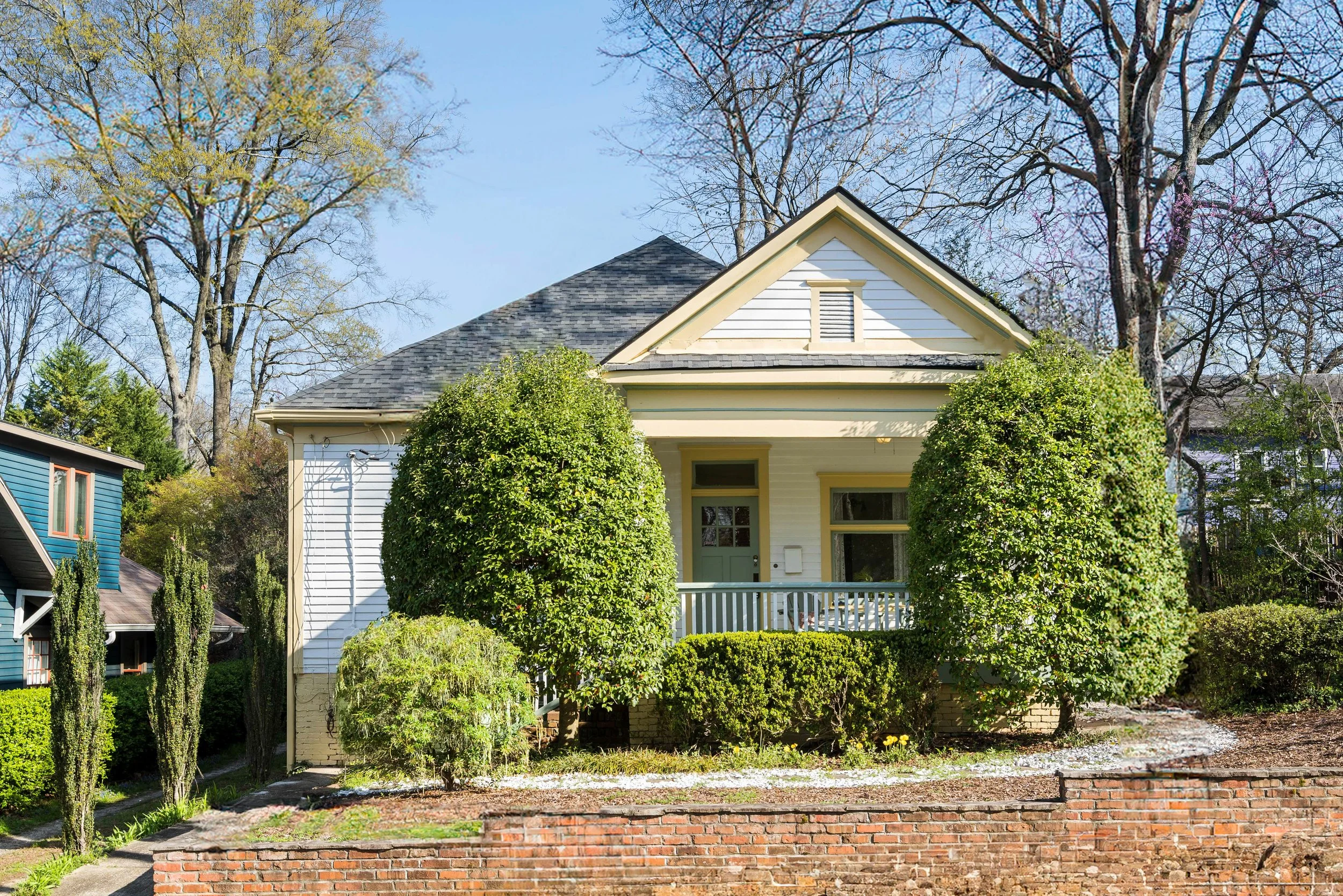
PROBLEM: A solid historic Grant Park bungalow was visually weighed down by oversized dark furniture, heavy window treatments, and dated colors, while sellers who had already purchased in North Georgia prioritized a quick sale.
RECOMMENDATIONS: Skip unnecessary renovations and focus on aesthetics: repair minor wear, brighten the paint, remove heavy window treatments, and stage with properly scaled modern furniture.
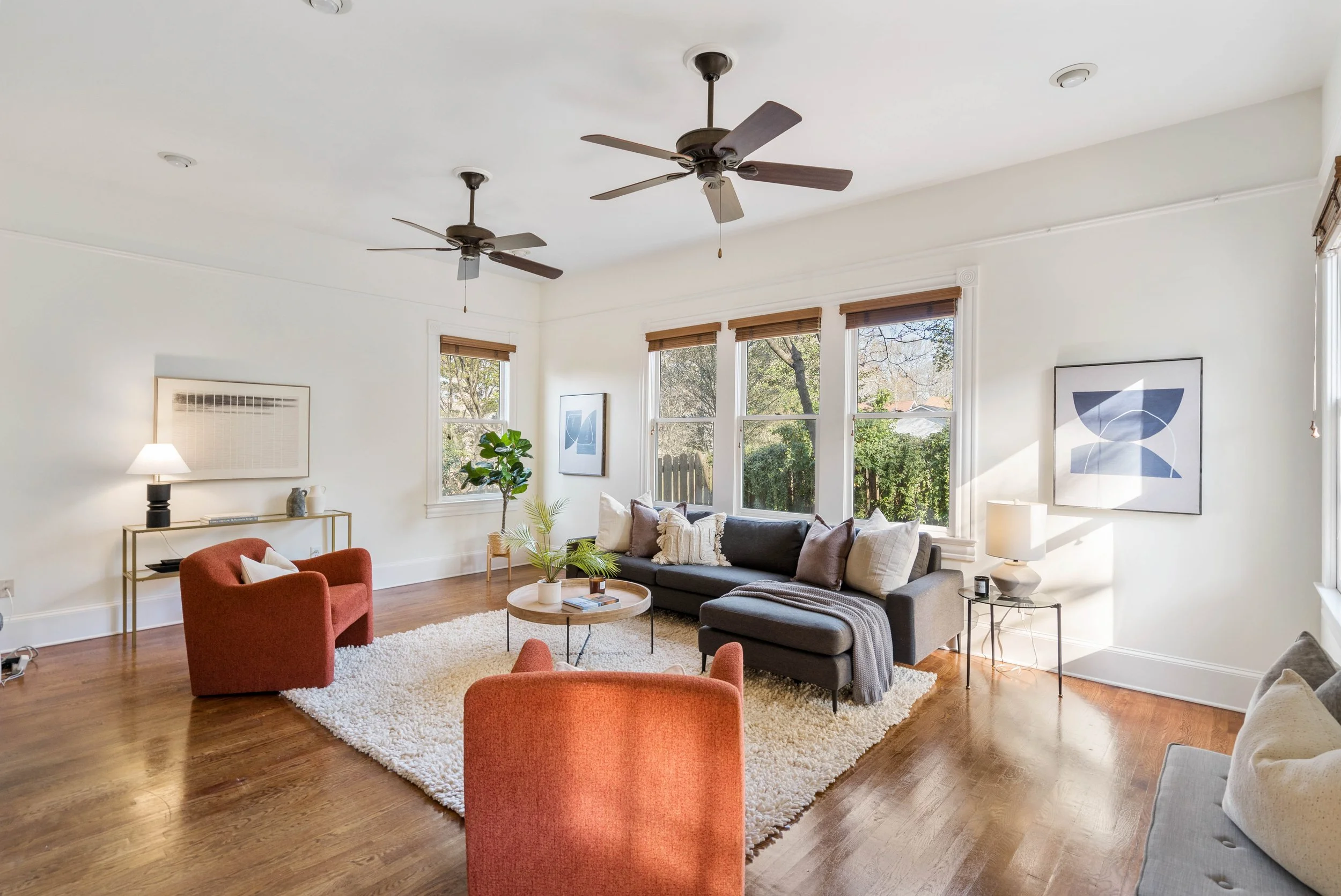
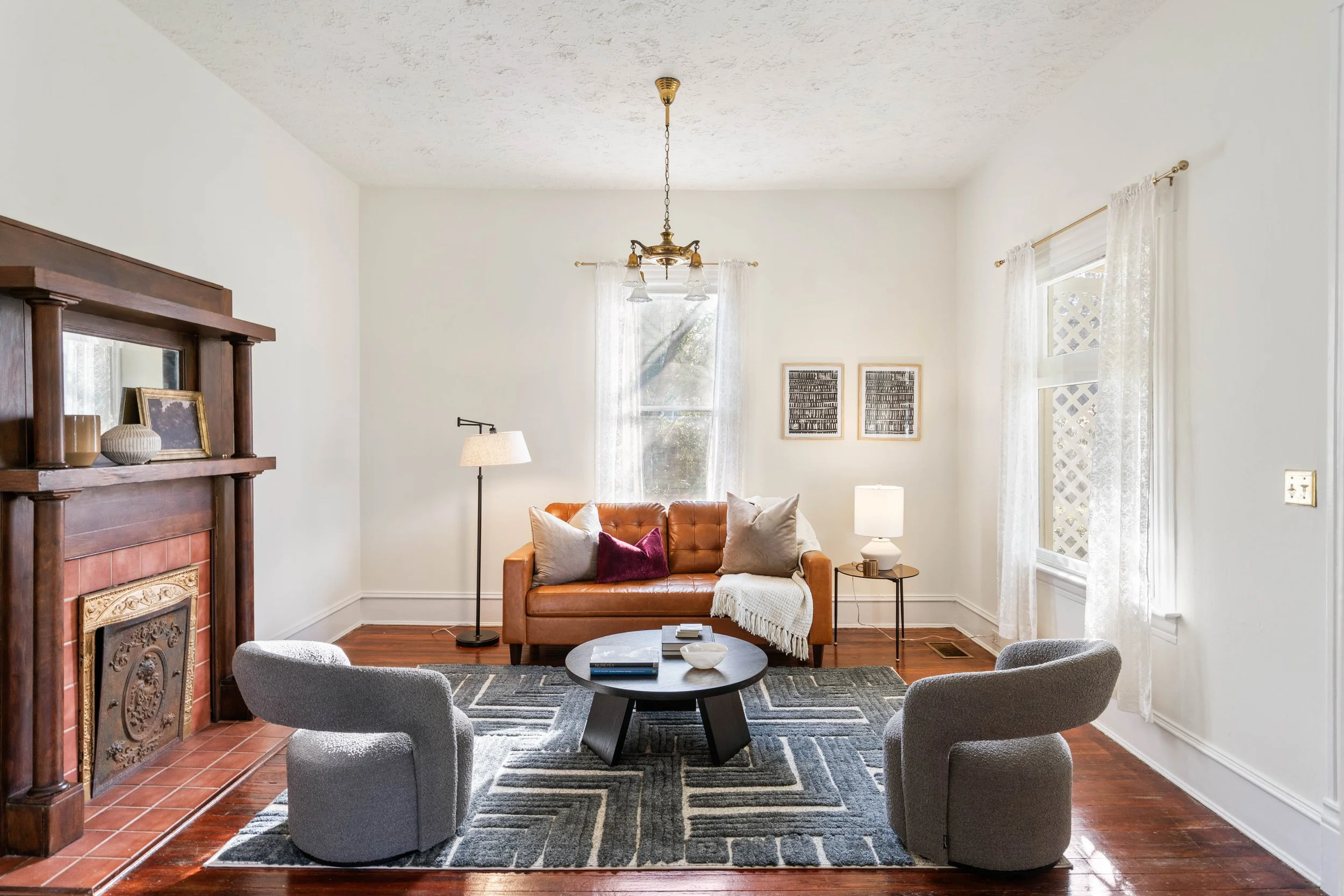
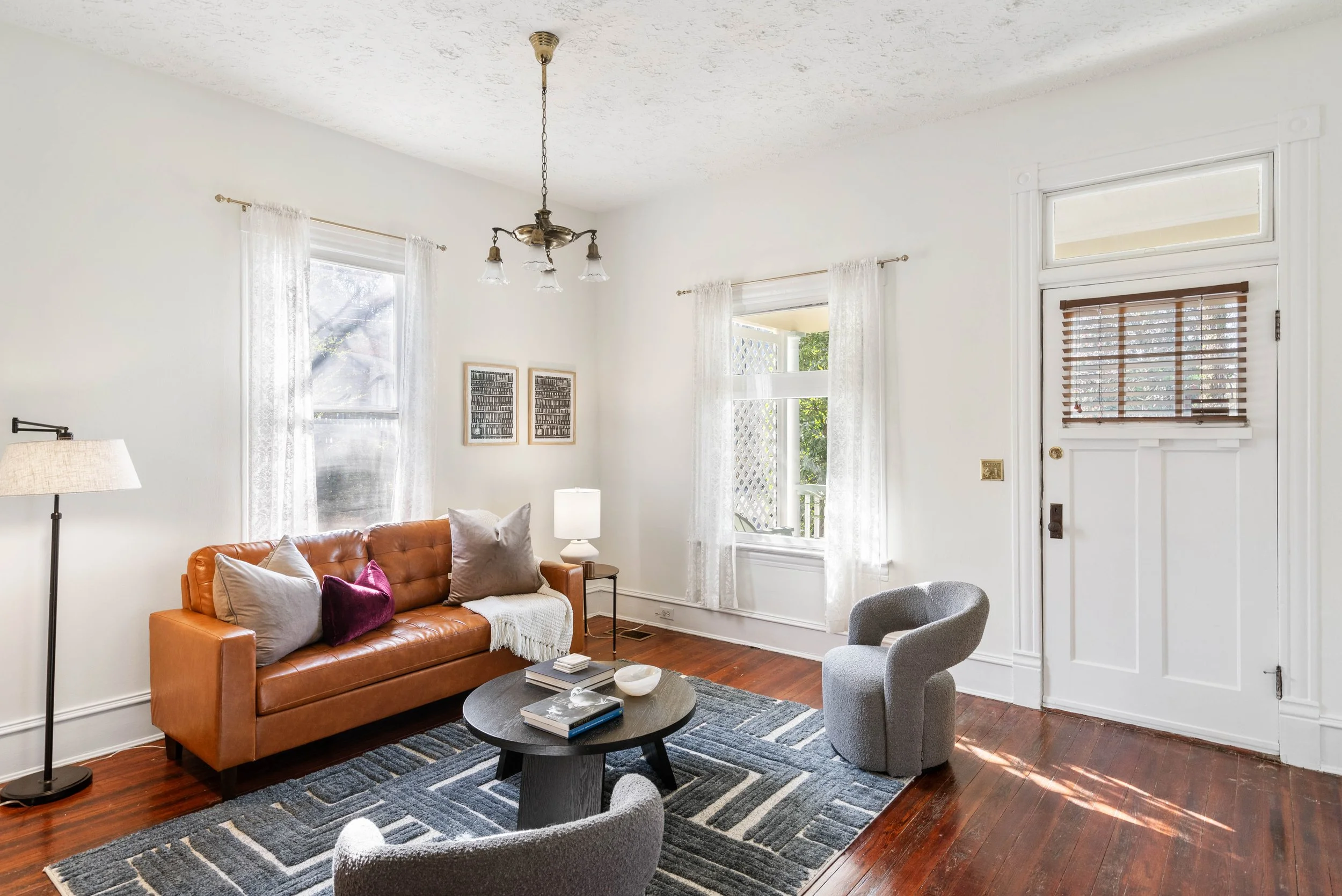
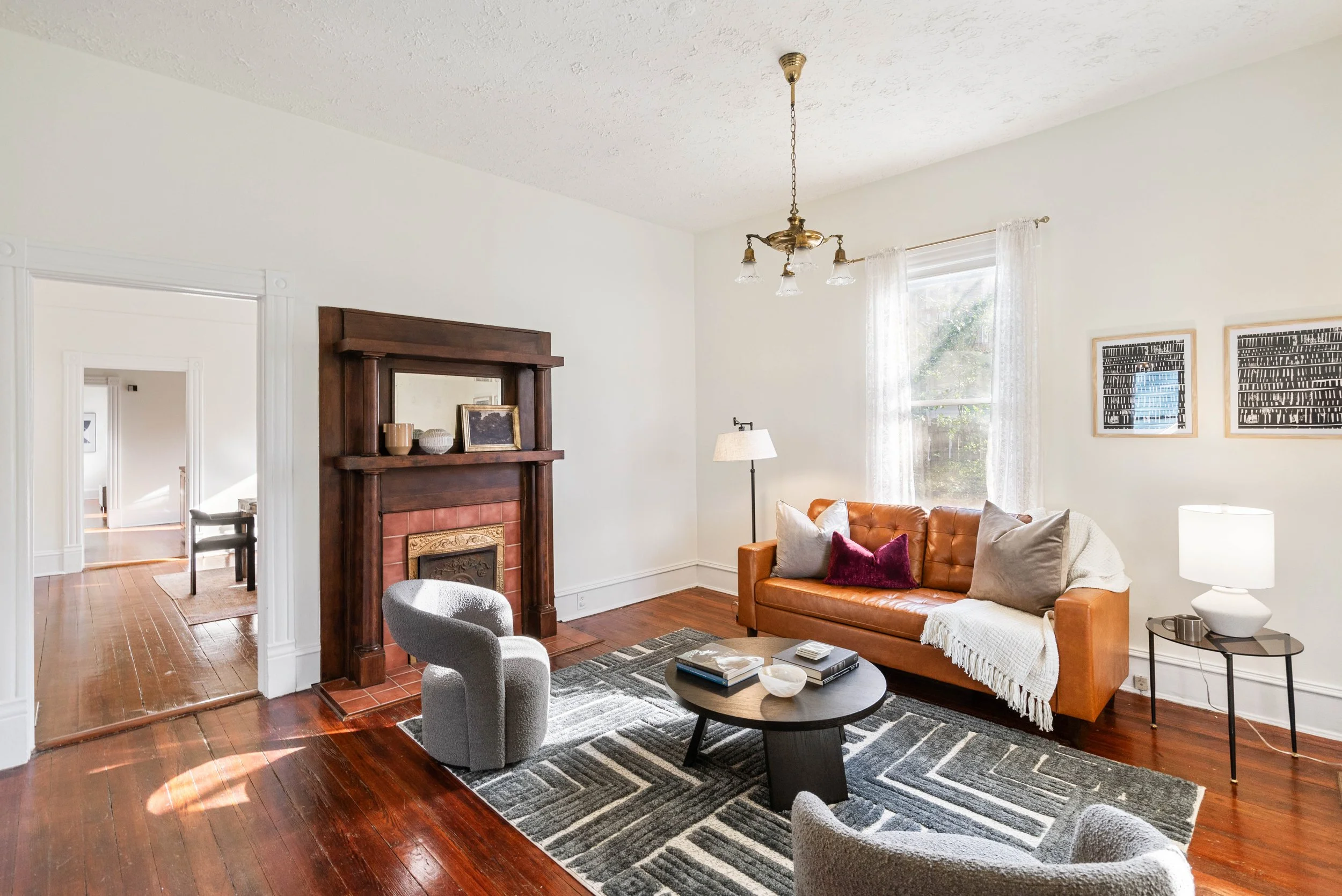
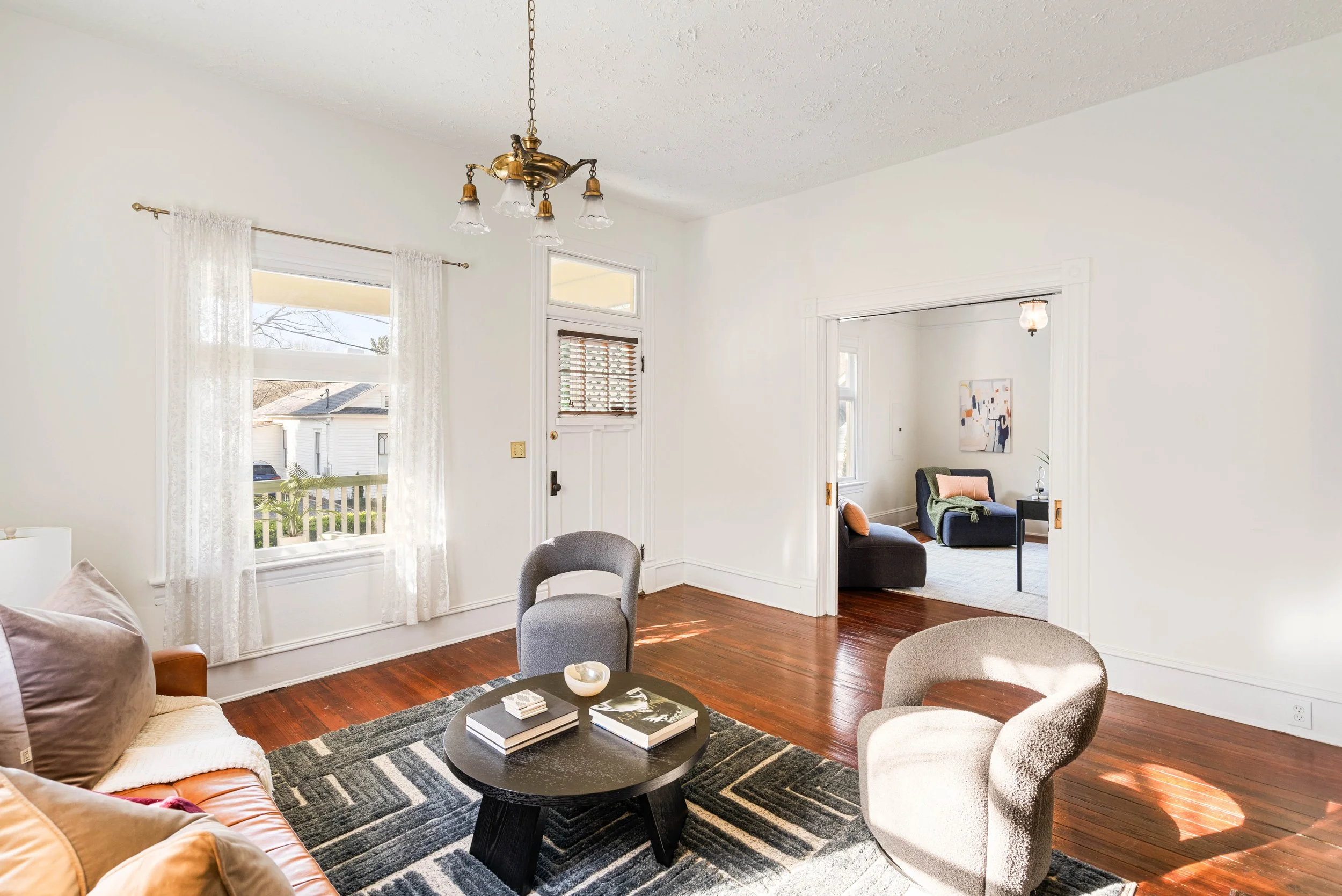
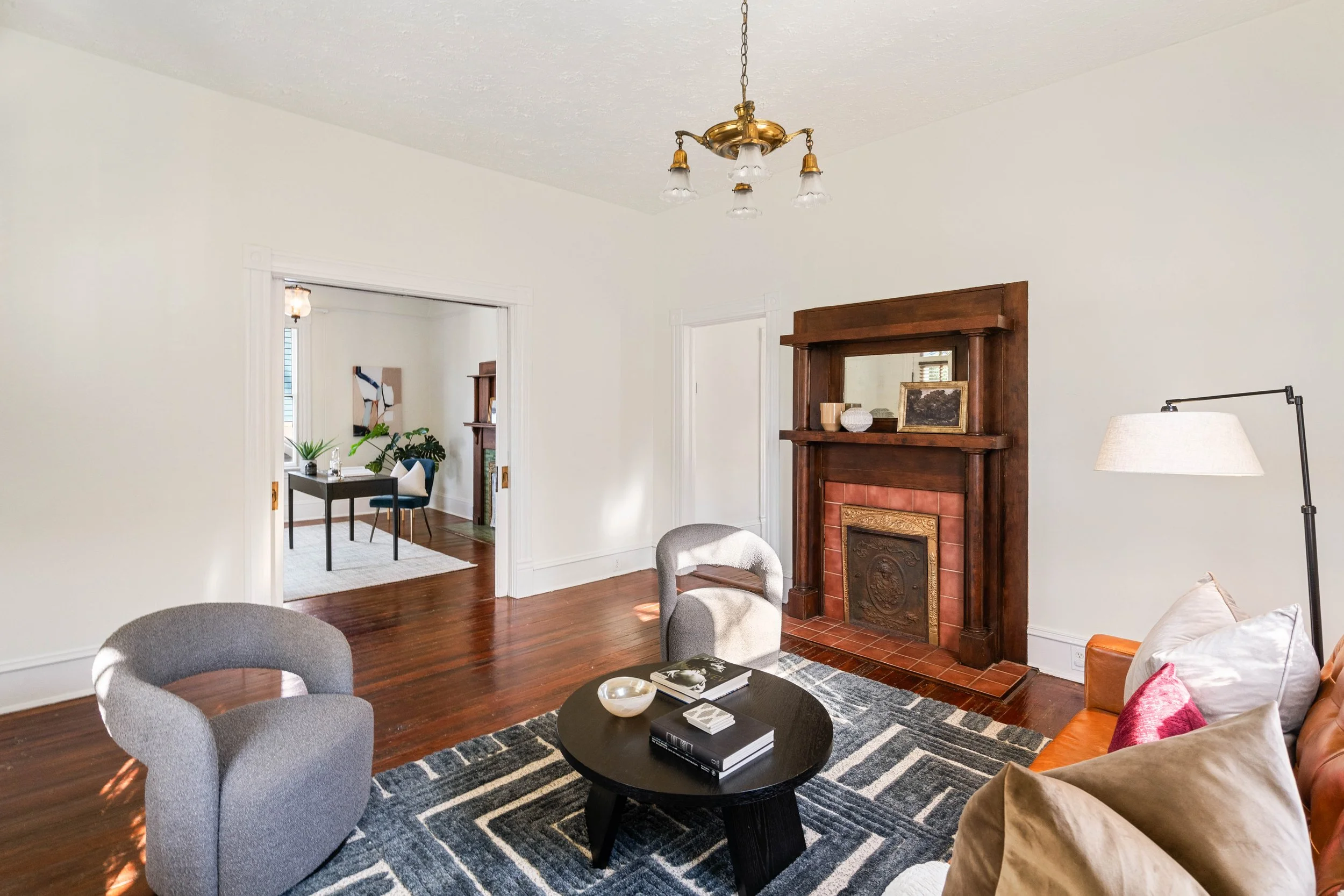
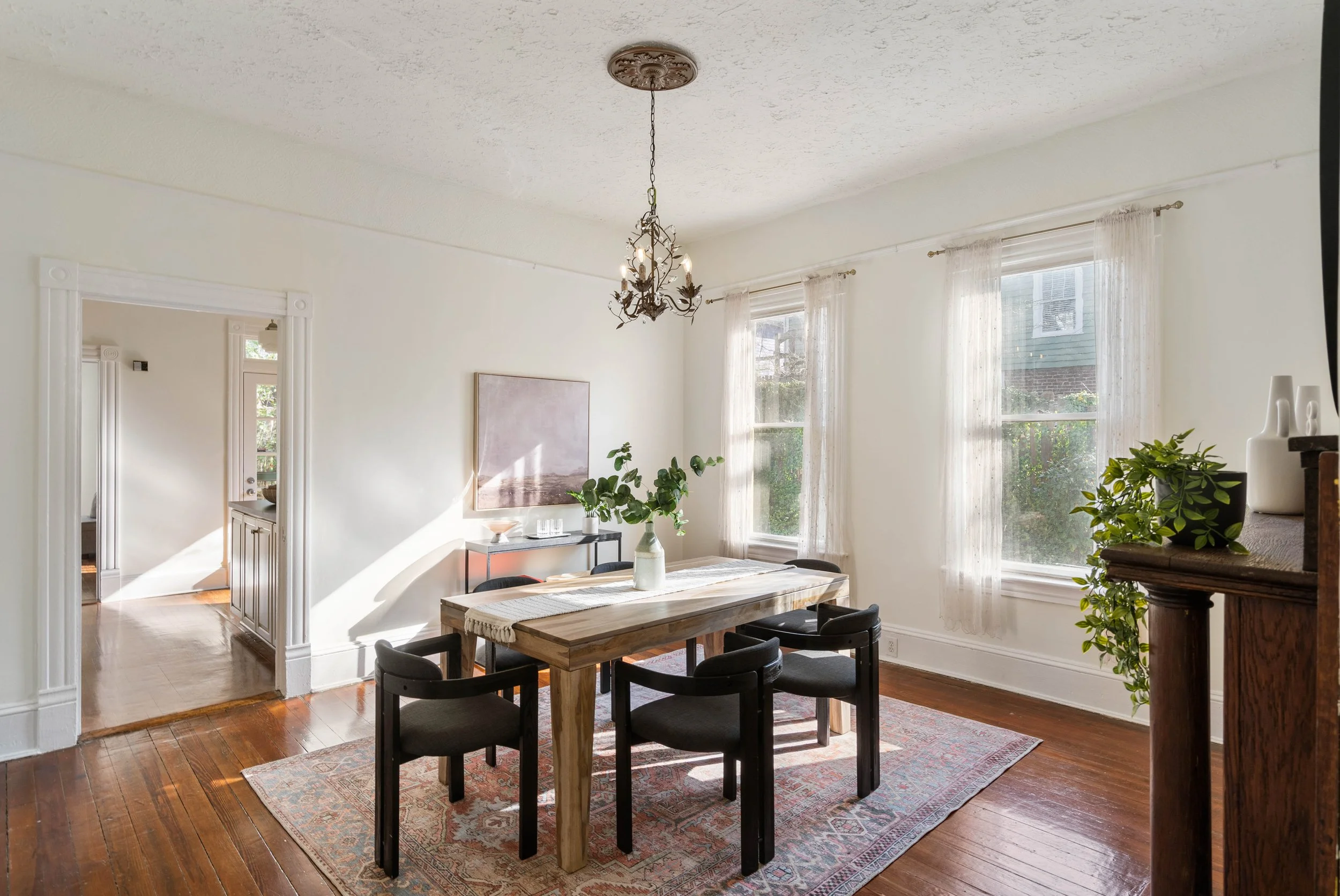
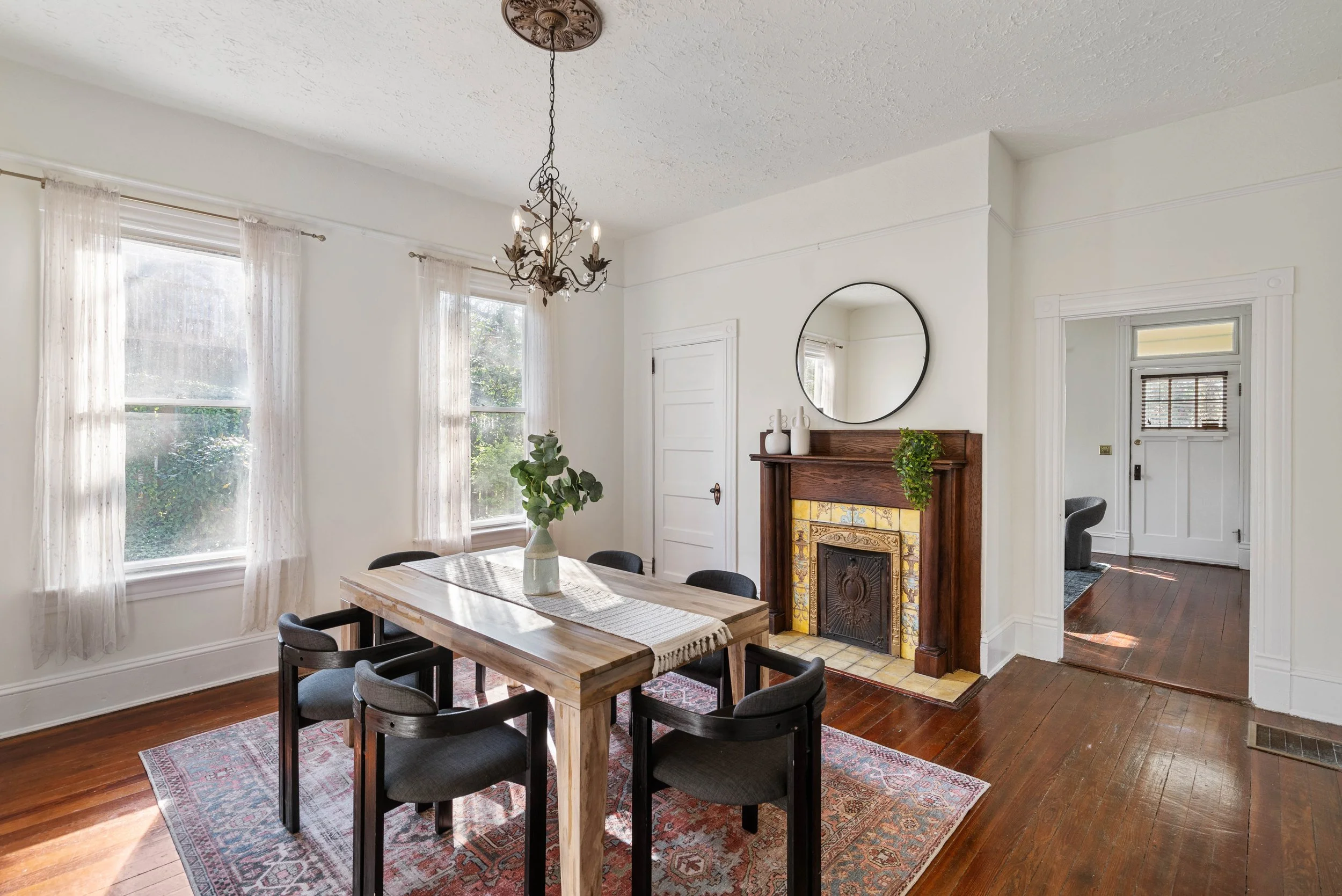
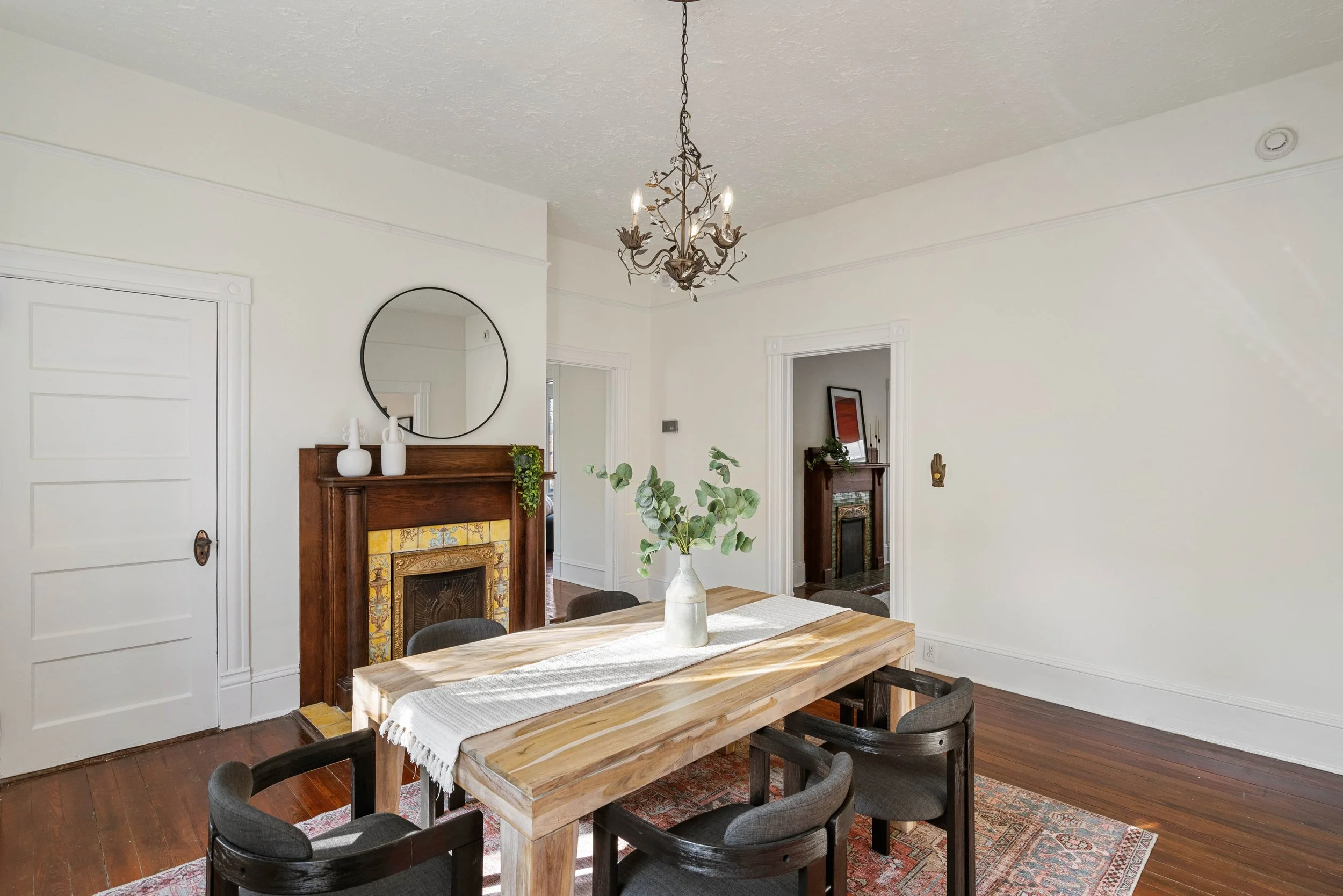
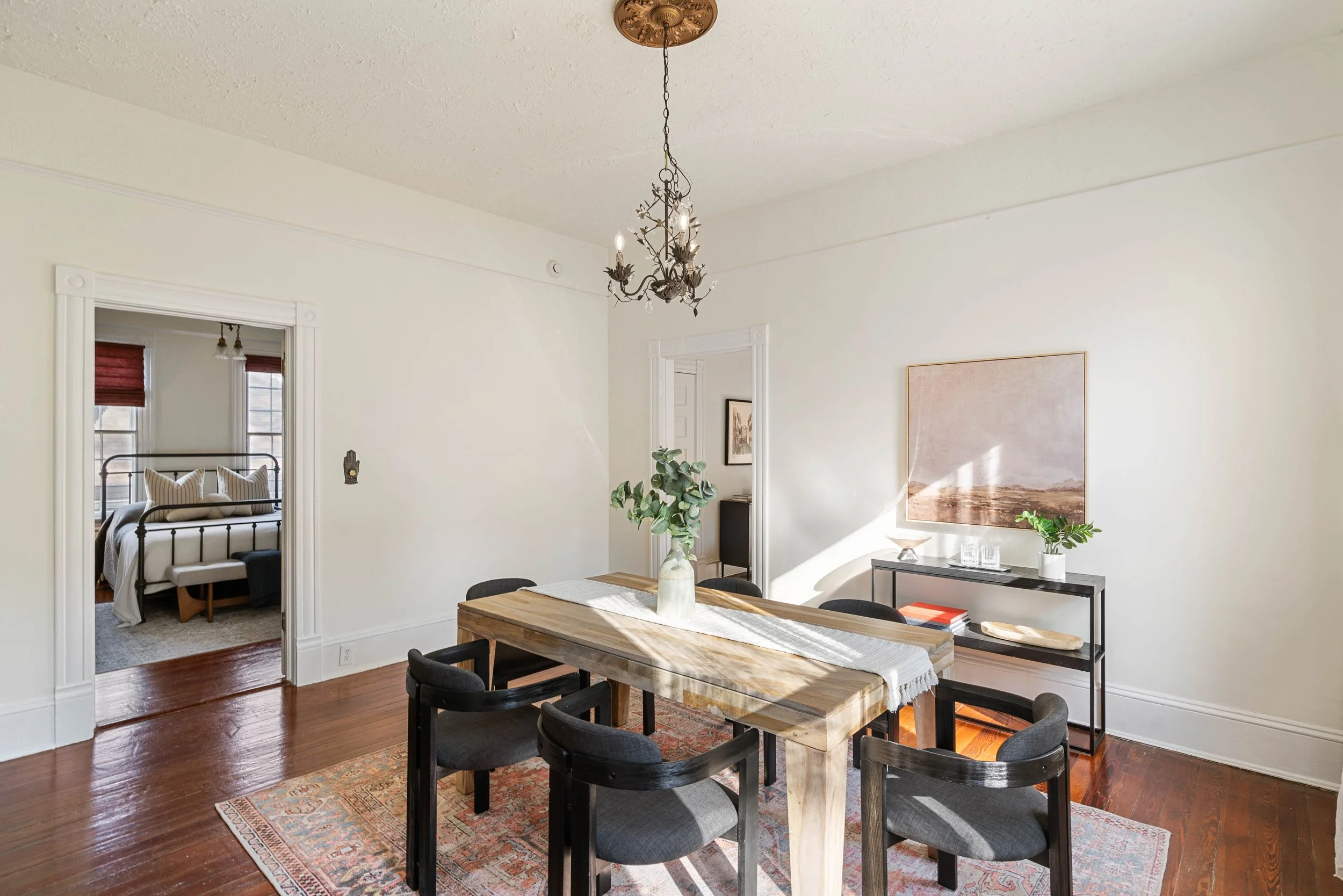
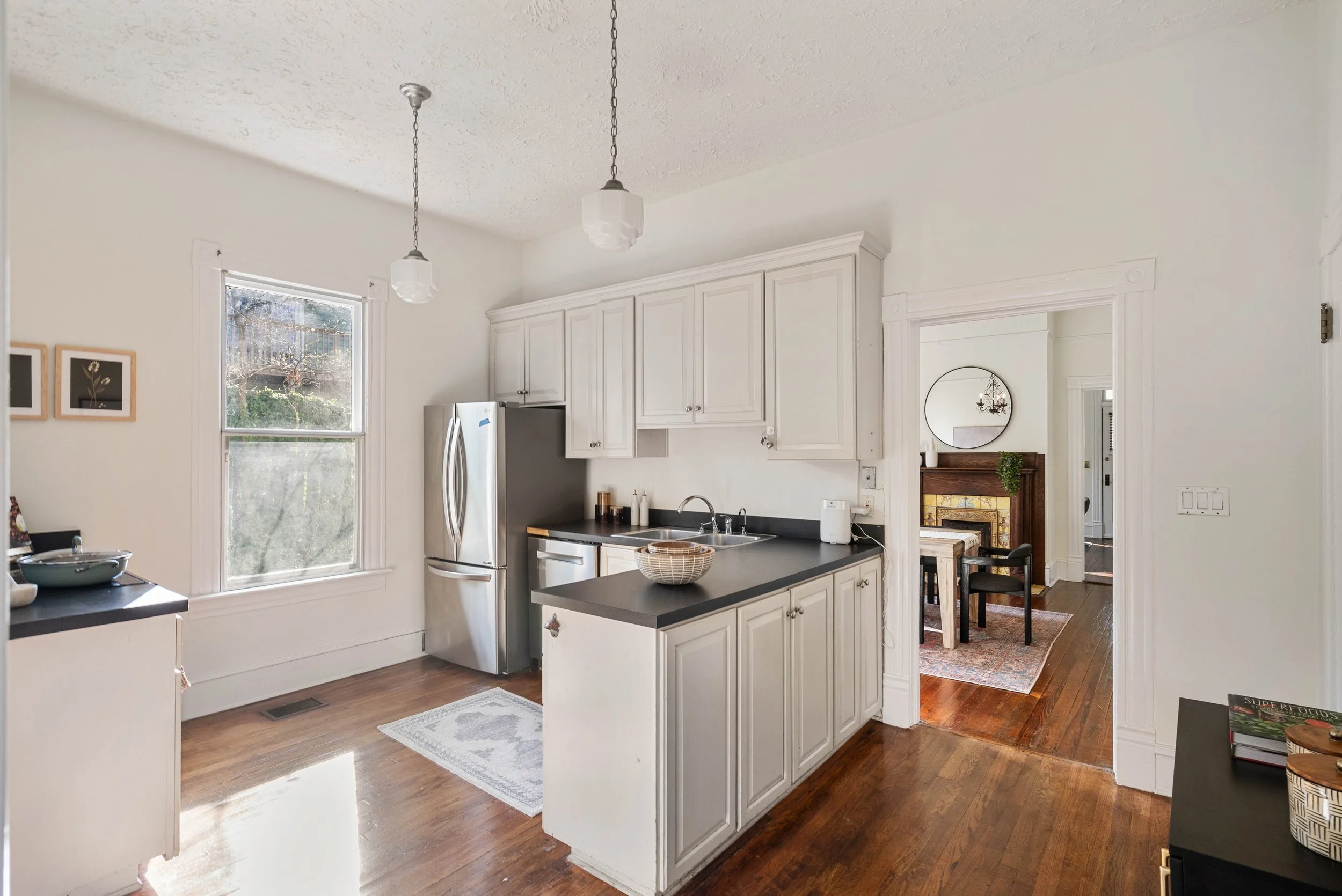
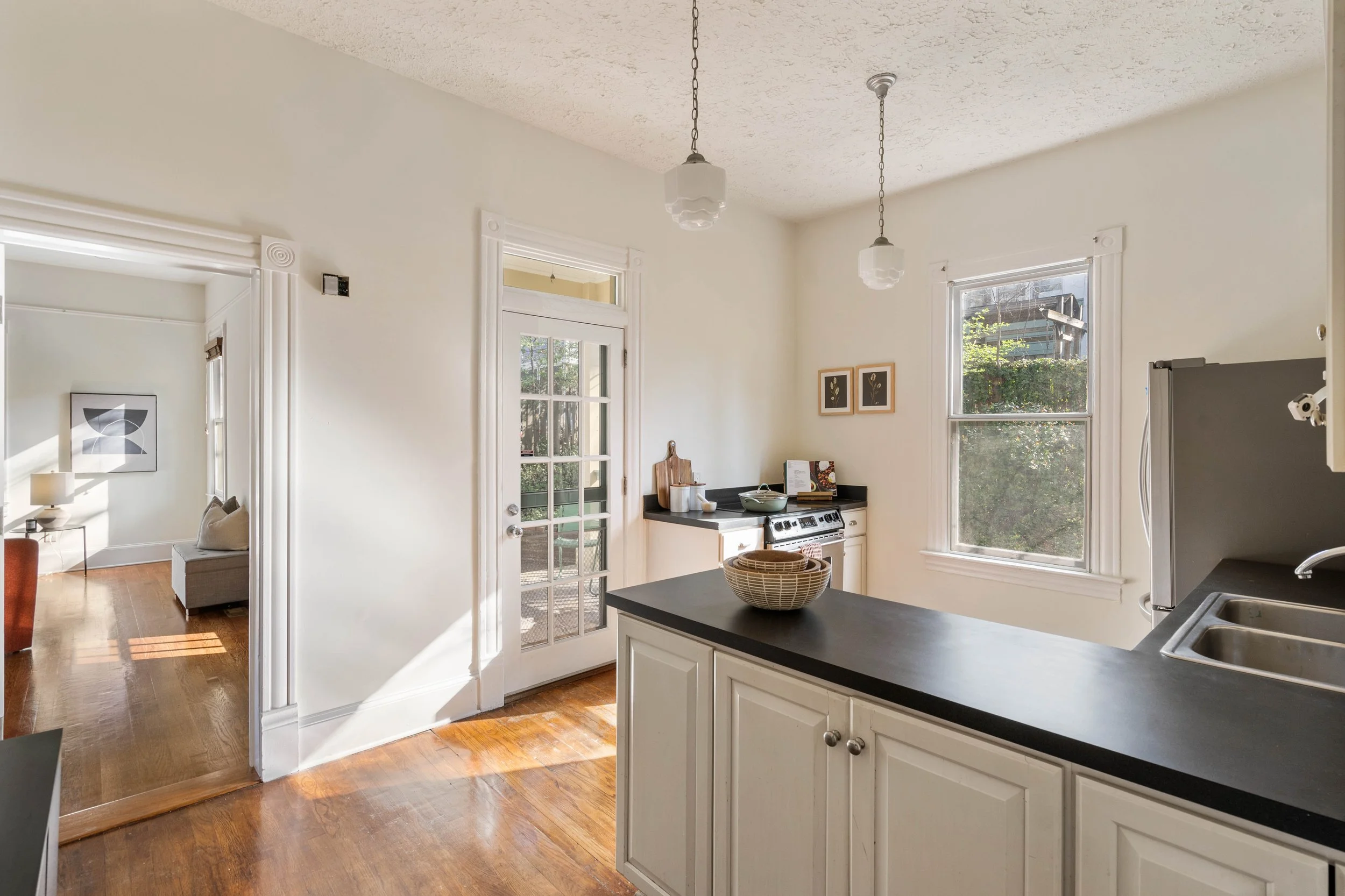
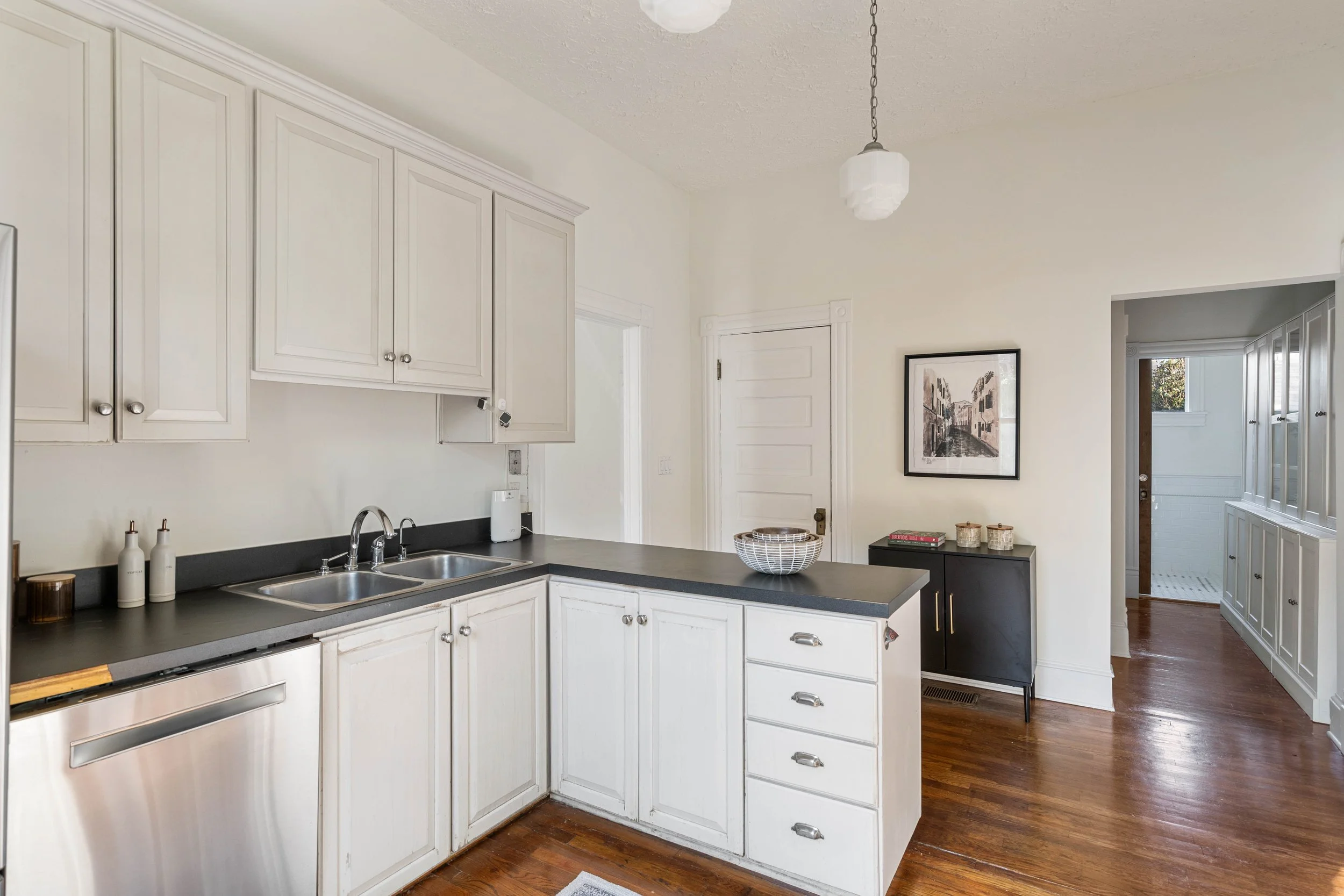
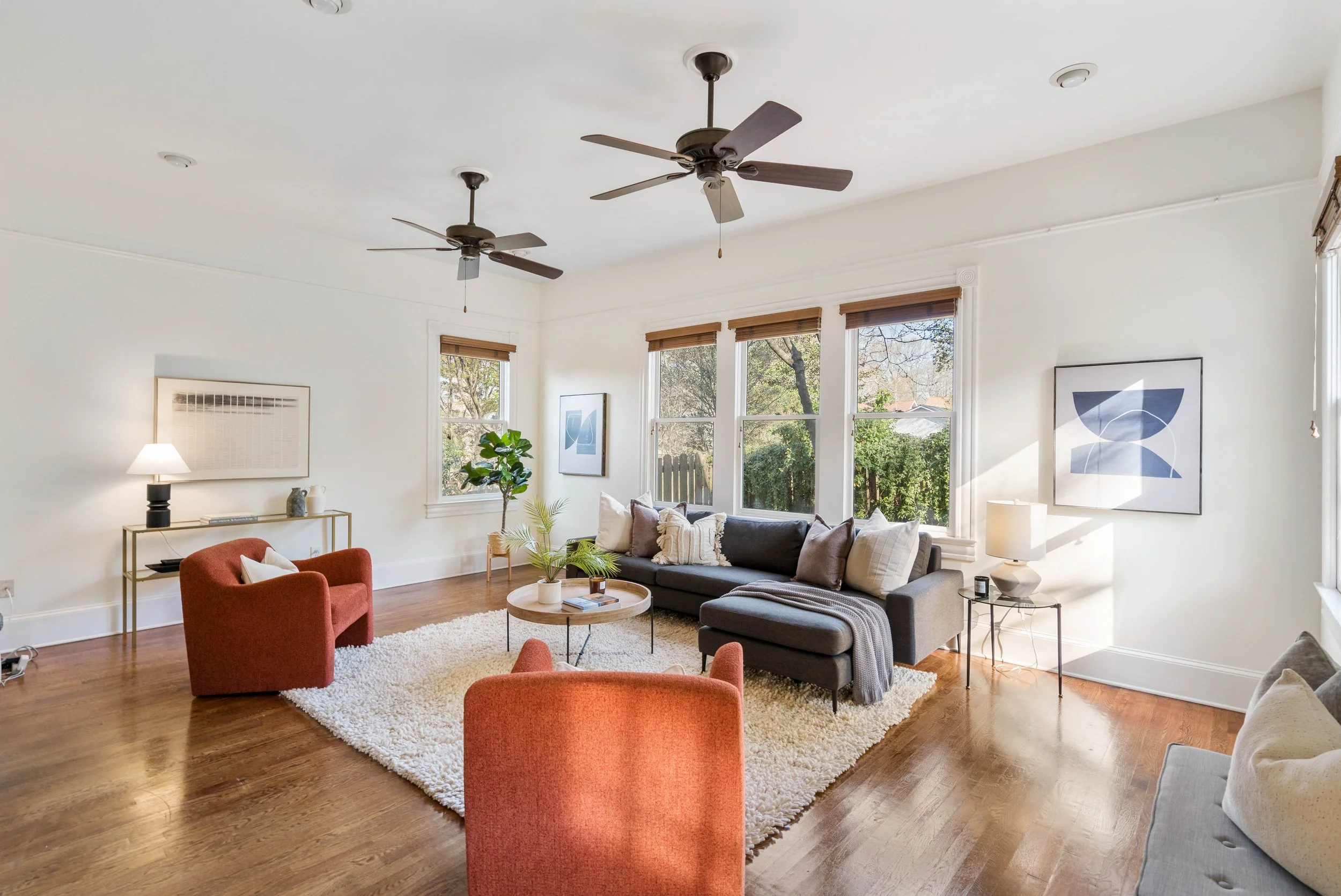
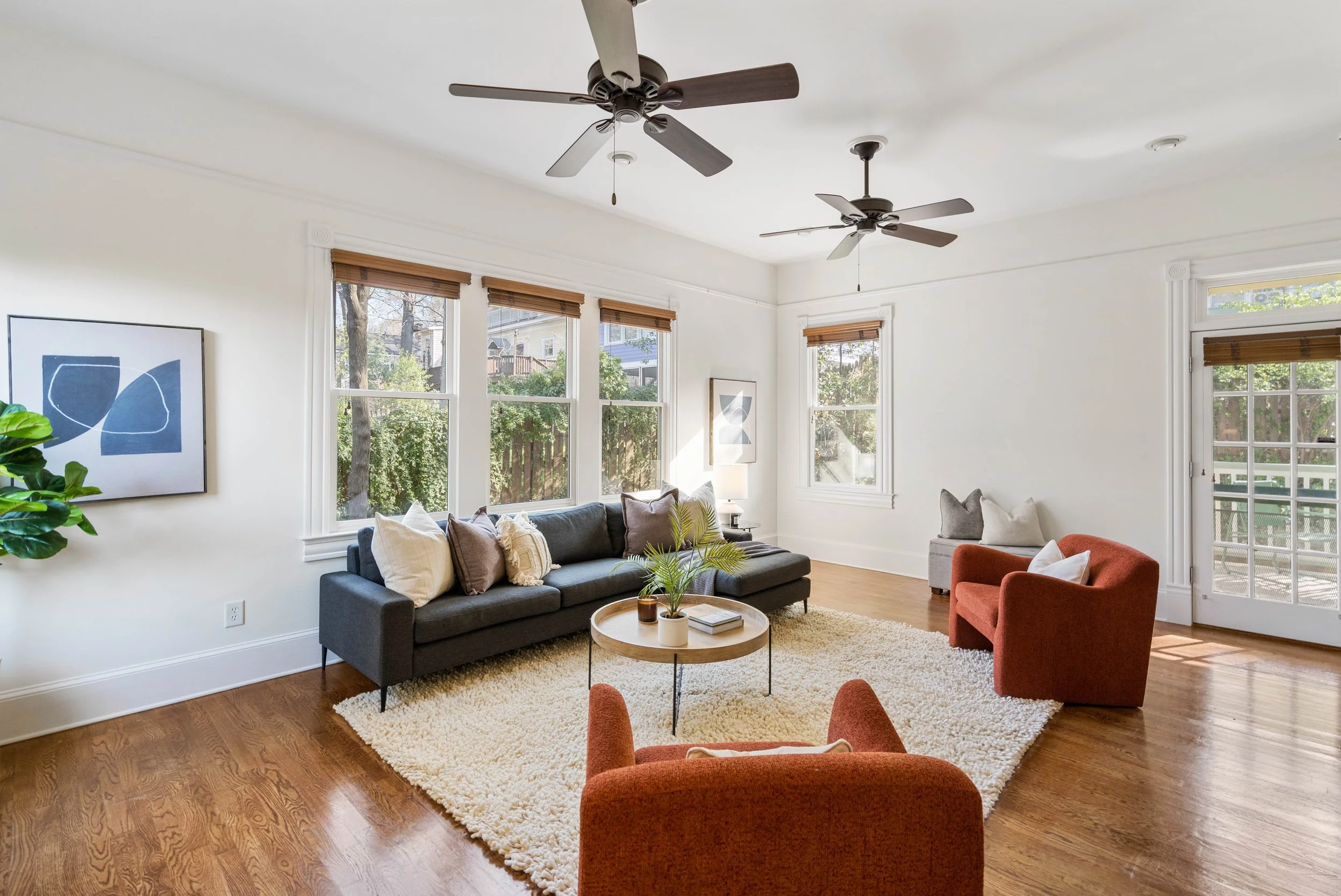
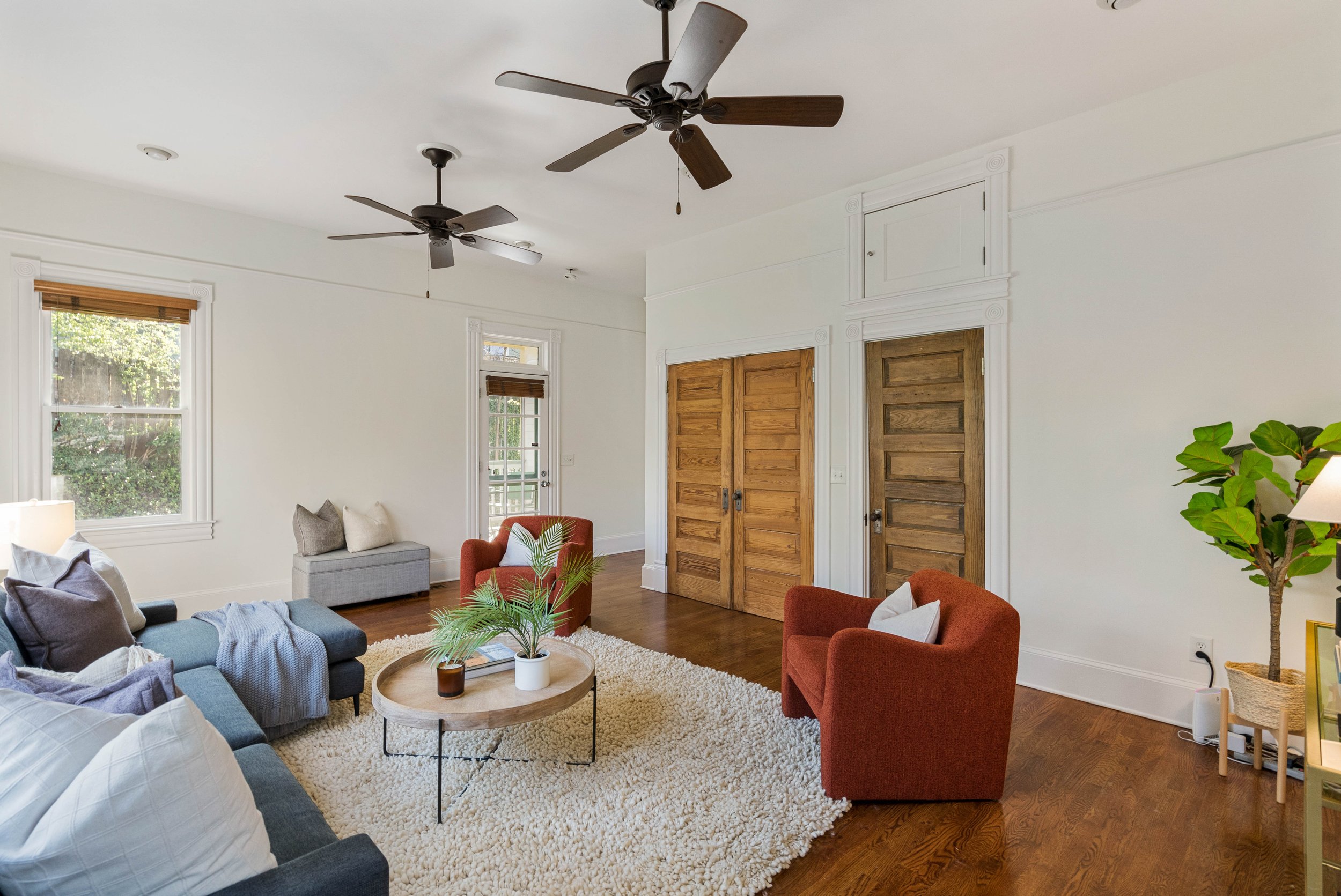
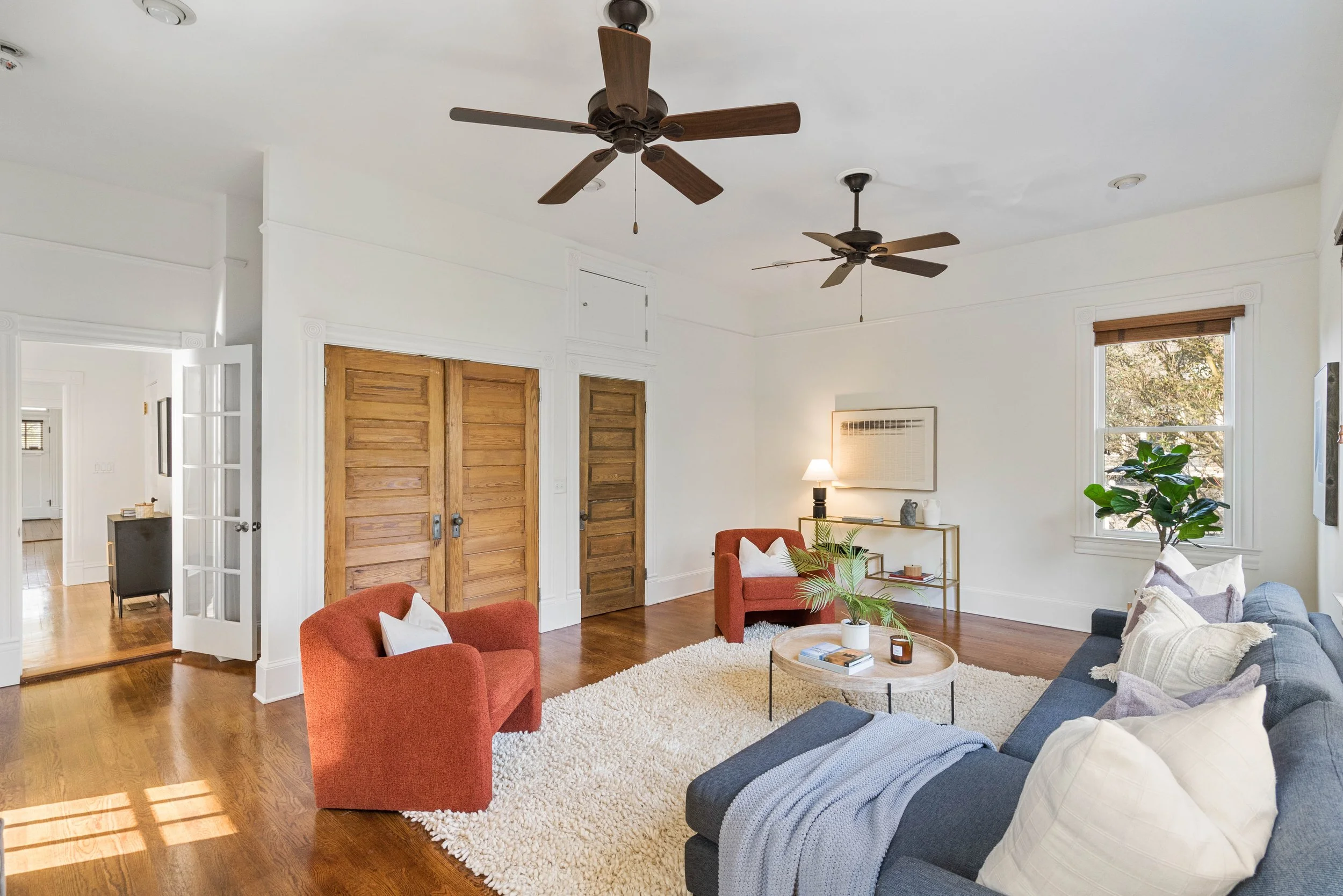
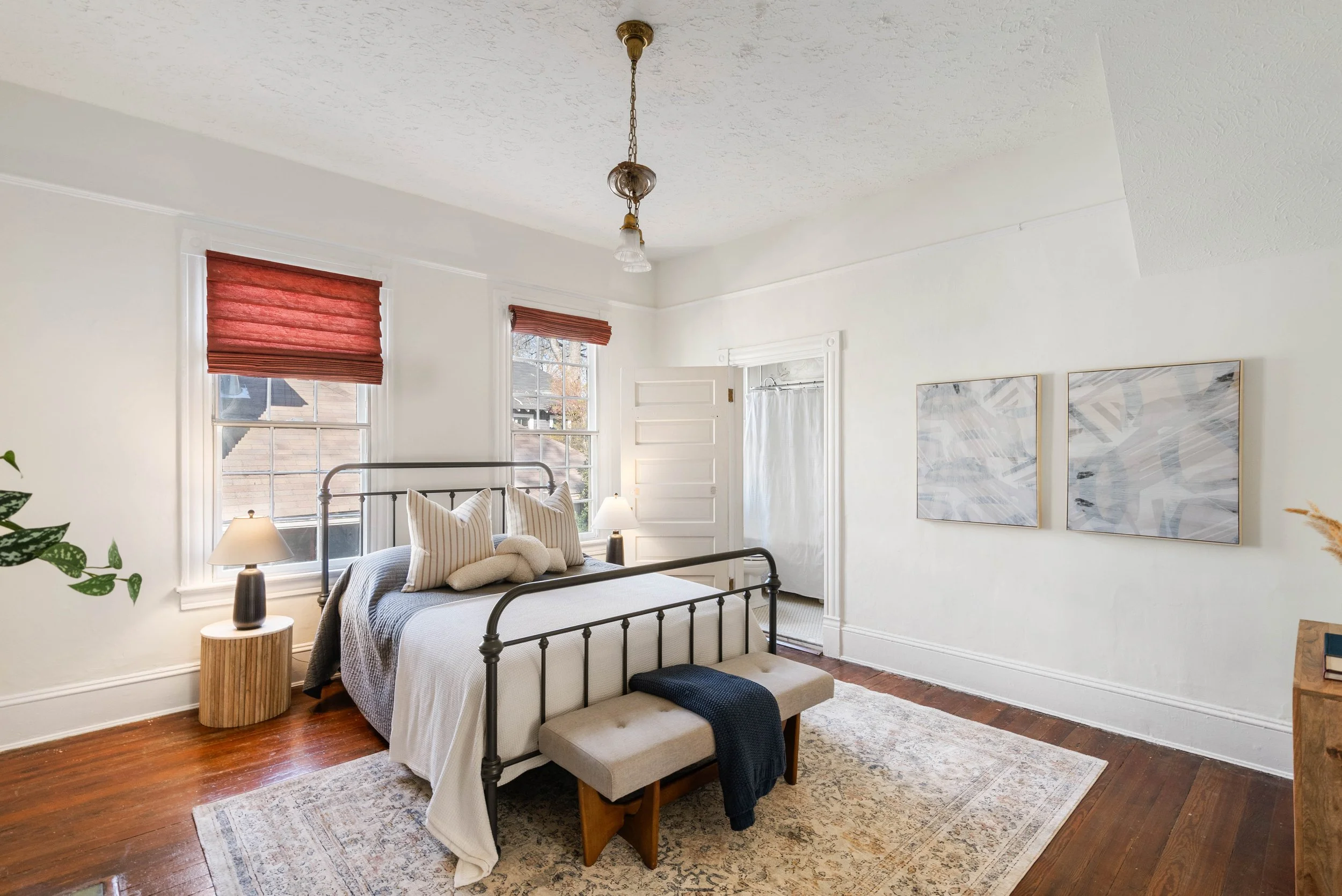
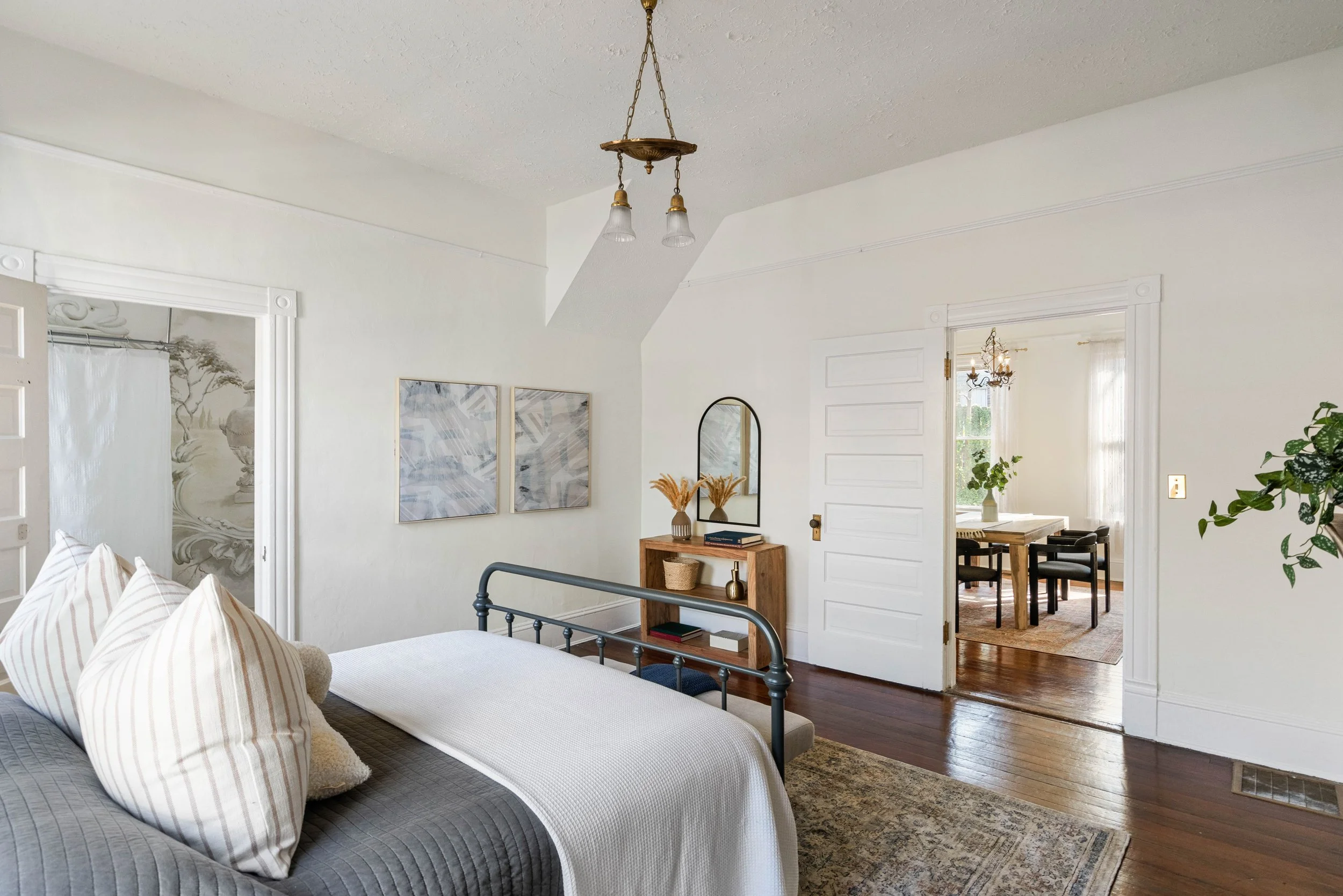
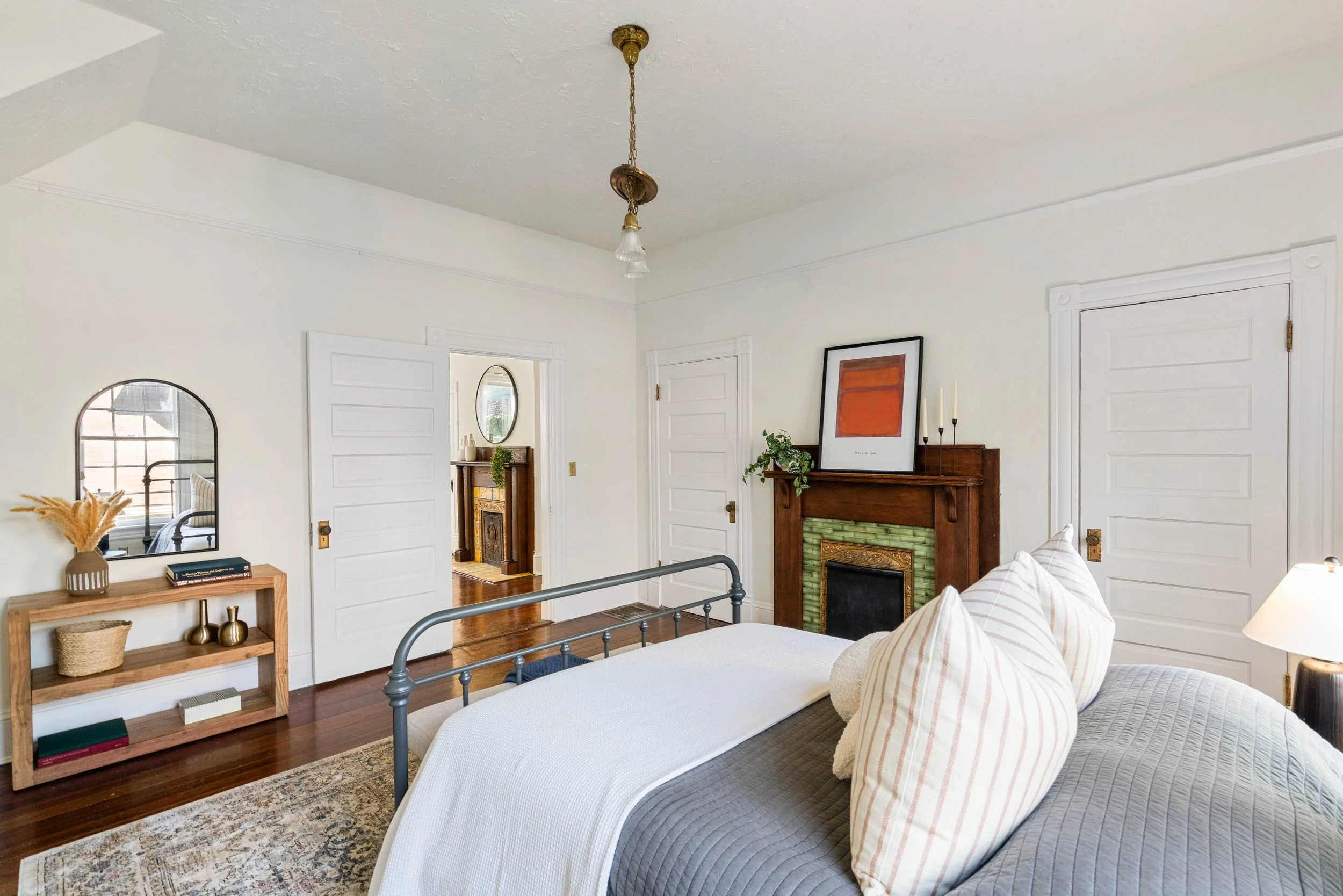
ACTION: Completely repainted the interior in an agreeable creamy white, removed the heavy window treatments, and staged with lighter, appropriately scaled furniture that improved flow and highlighted the home’s historic character.
RESULTS: Under contract in just 16 days, giving the sellers the quick, successful sale they needed to move on to their new home in the mountains.
CONCLUSION: The house didn’t need reinvention. Strategic cosmetic changes simply helped buyers see the solid, appealing historic home that was already there.
-
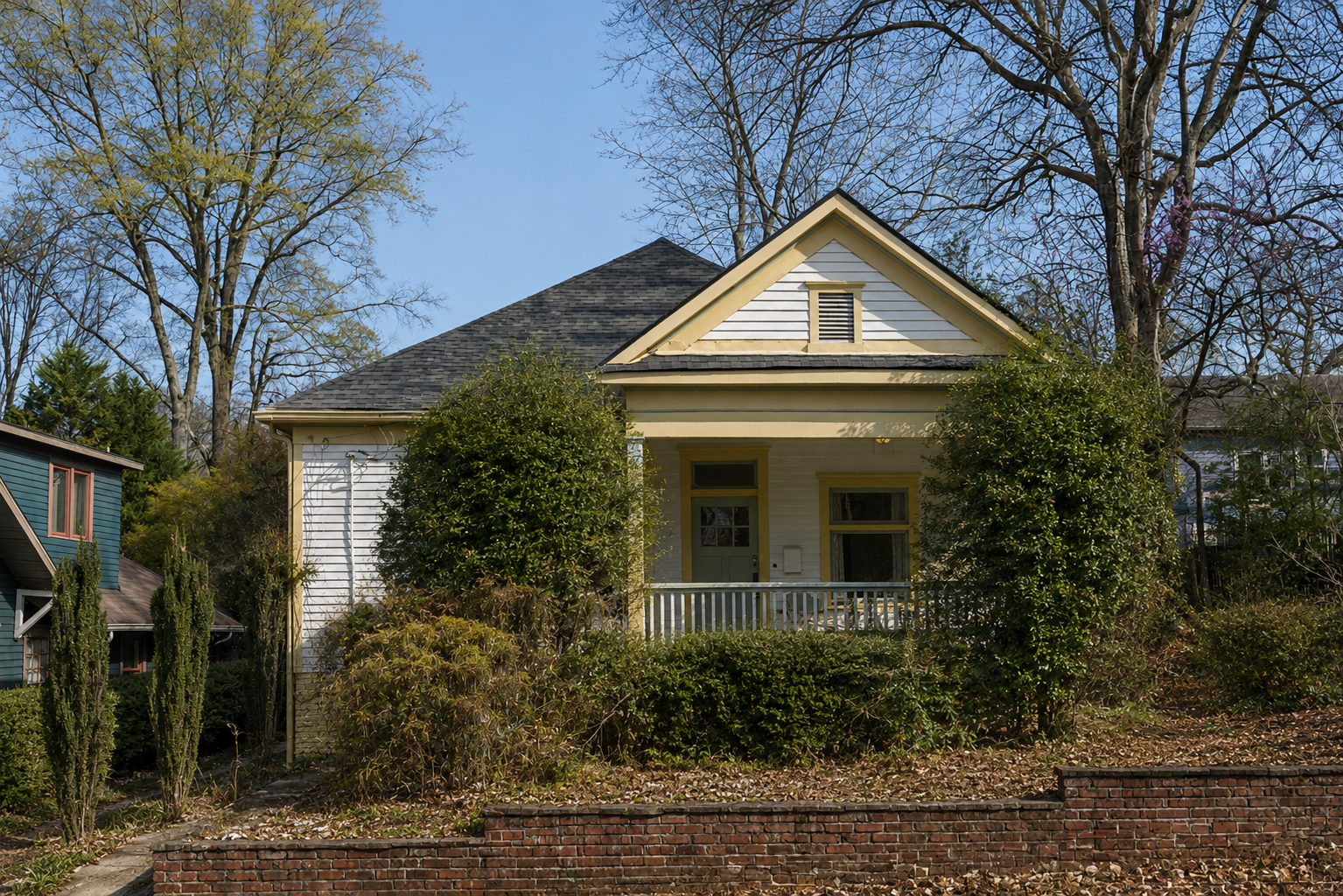
BEFORE
-
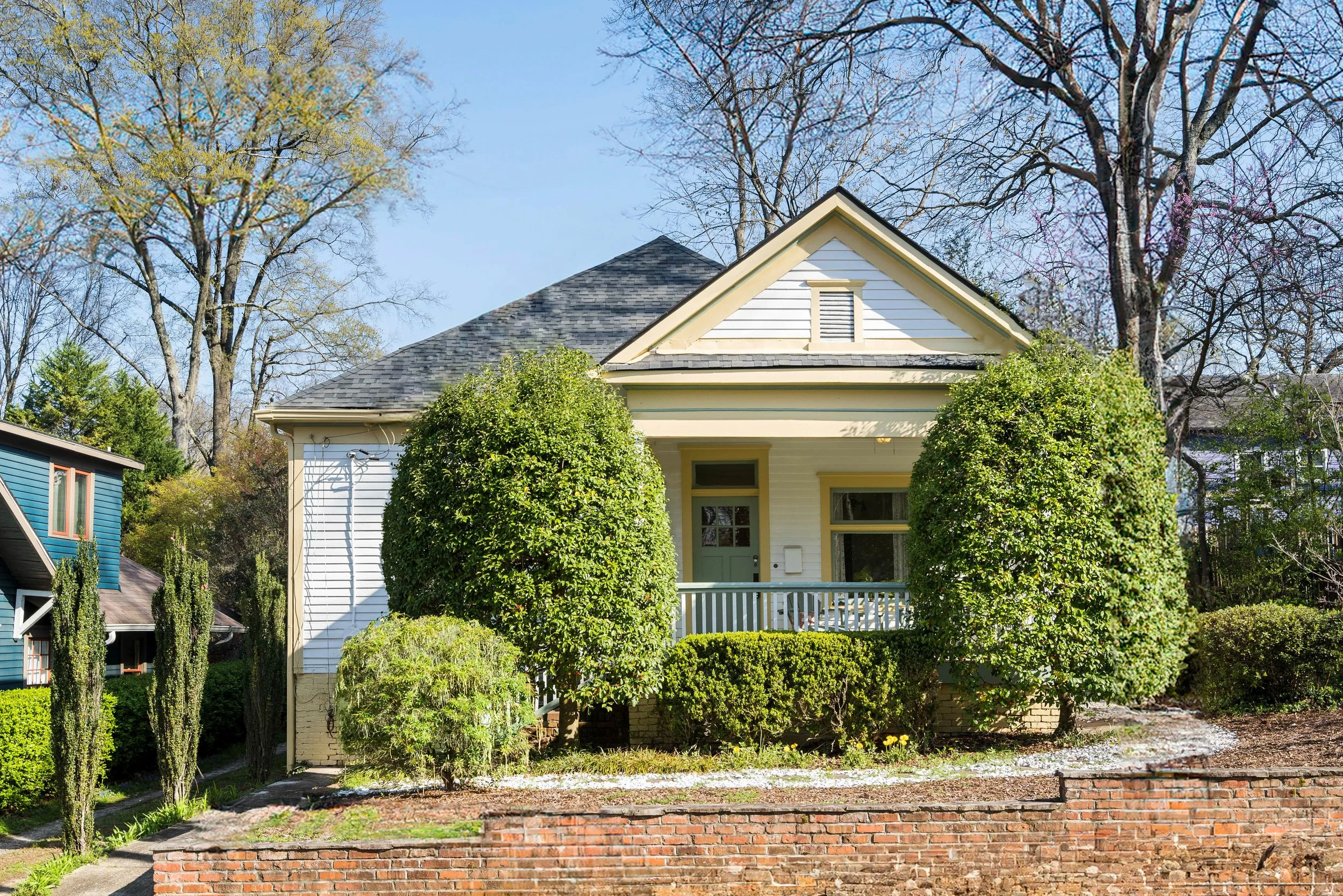
AFTER
A Good House Hidden in Plain Sight
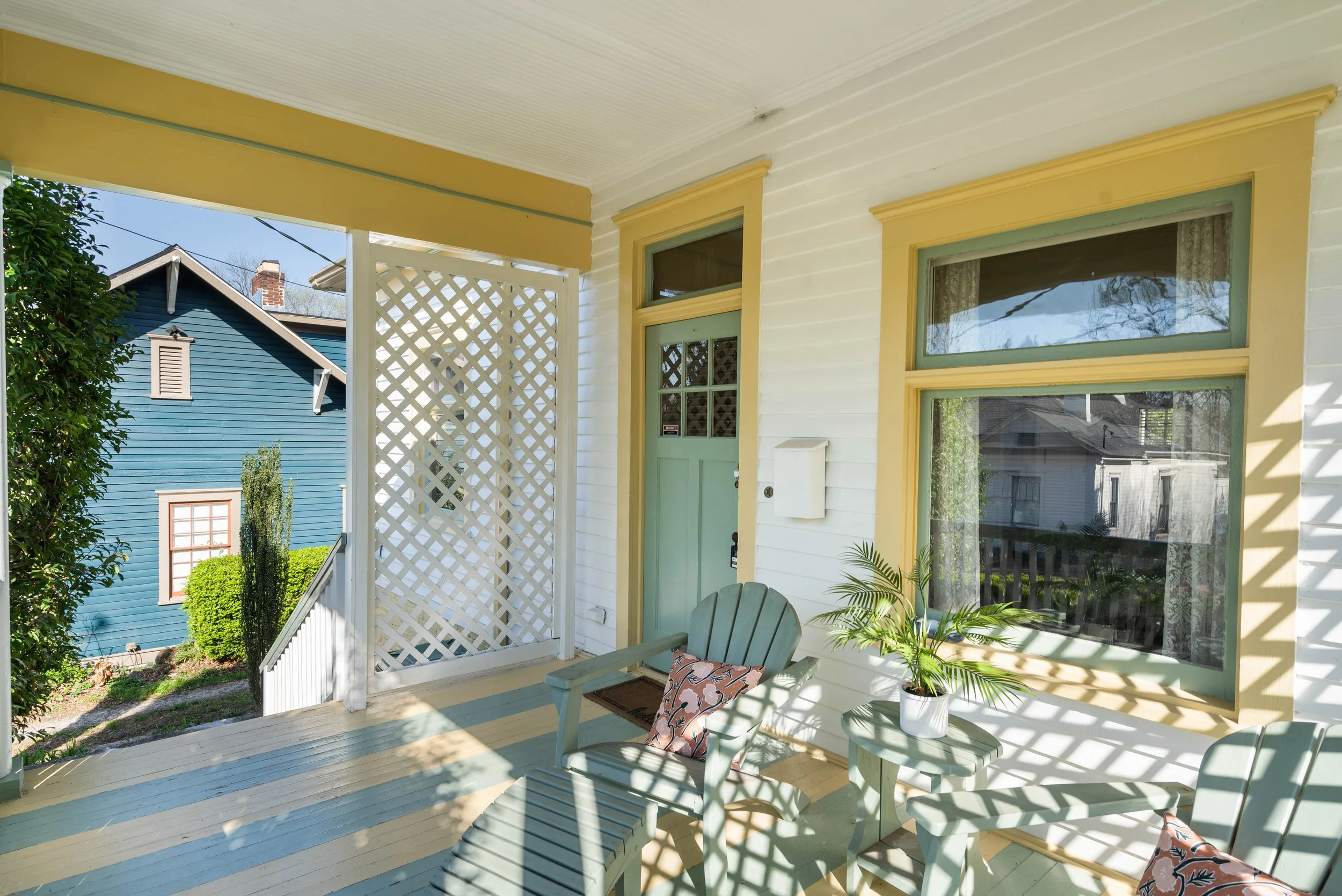
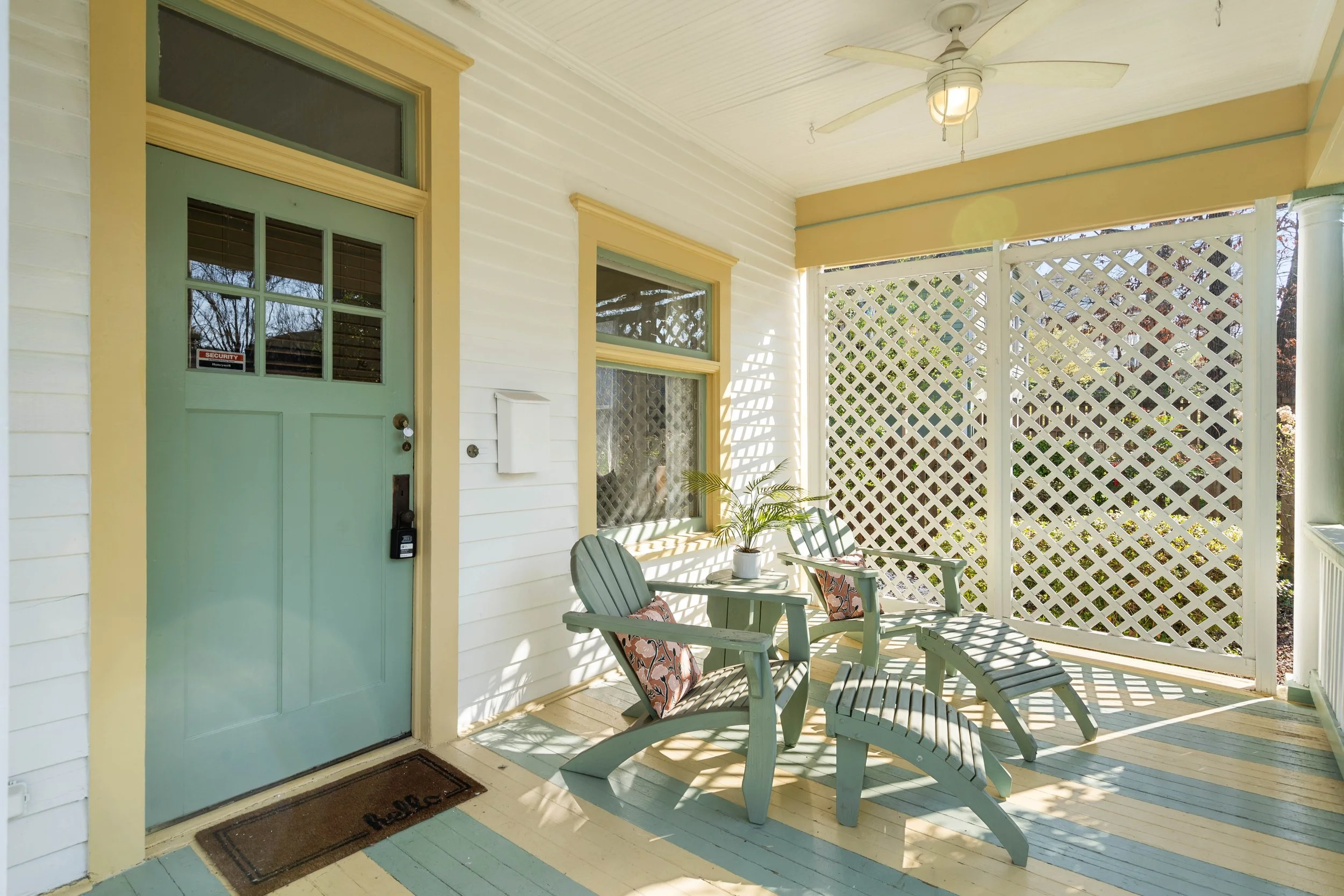
This classic Grant Park bungalow already had a lot going for it. The location was desirable, the historic character was intact, and despite its age, the house itself was remarkably solid. Its major systems had been well maintained, and aside from the normal dings and dents that come with years of living in a home, there wasn’t a long list of repairs or renovations standing between the sellers and the market. This wasn’t an old house that needed to be rescued. It was a good house that needed to be presented differently.
For these sellers, there was also an important consideration beyond price. They had already purchased their next home in the North Georgia mountains and were ready to make the move. Carrying two homes while waiting months for the right buyer wasn’t part of the plan. Getting the Grant Park house sold within a reasonable amount of time was a priority, which meant our preparation strategy needed to be focused, efficient and proportional to what the house actually needed.
-
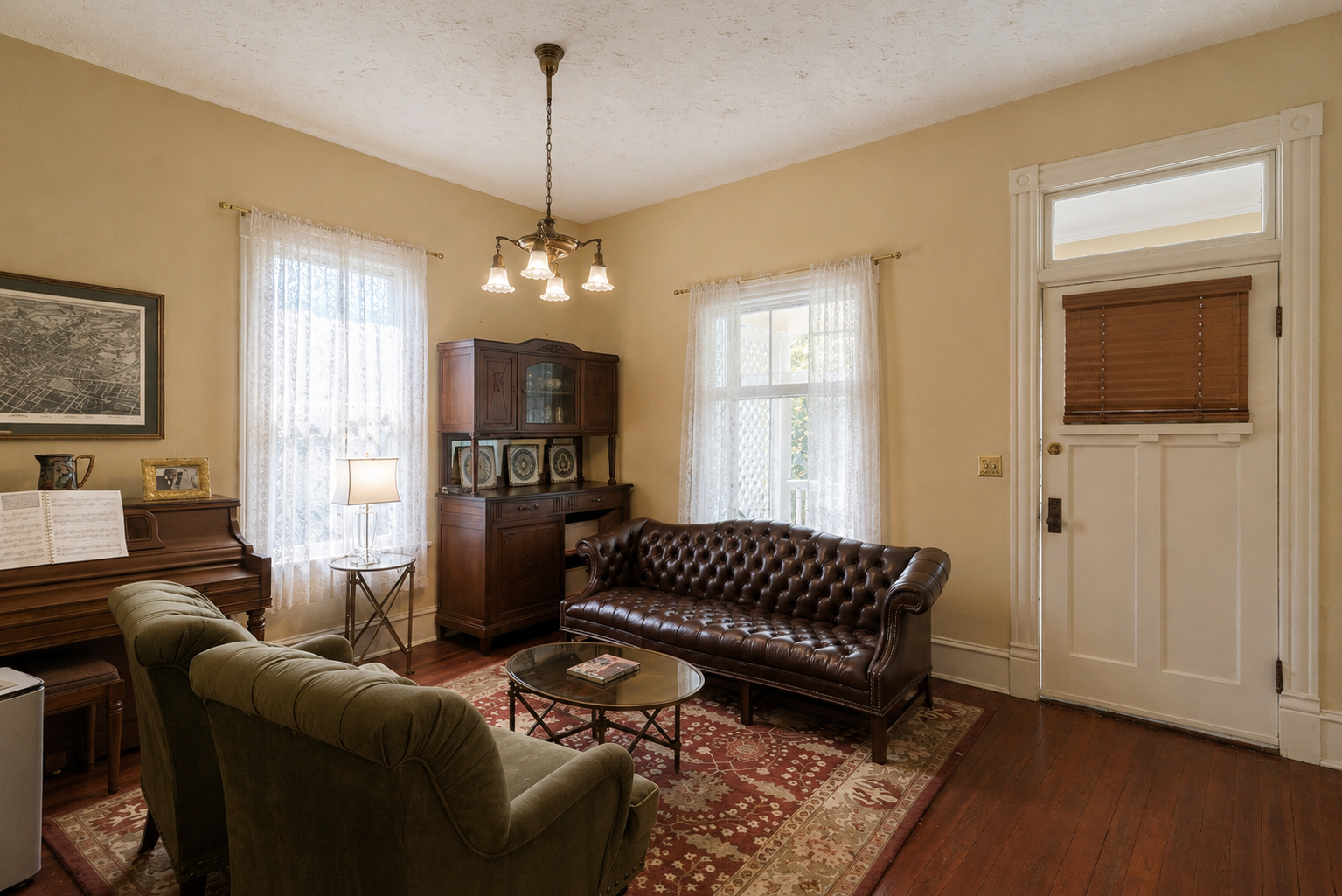
BEFORE
-
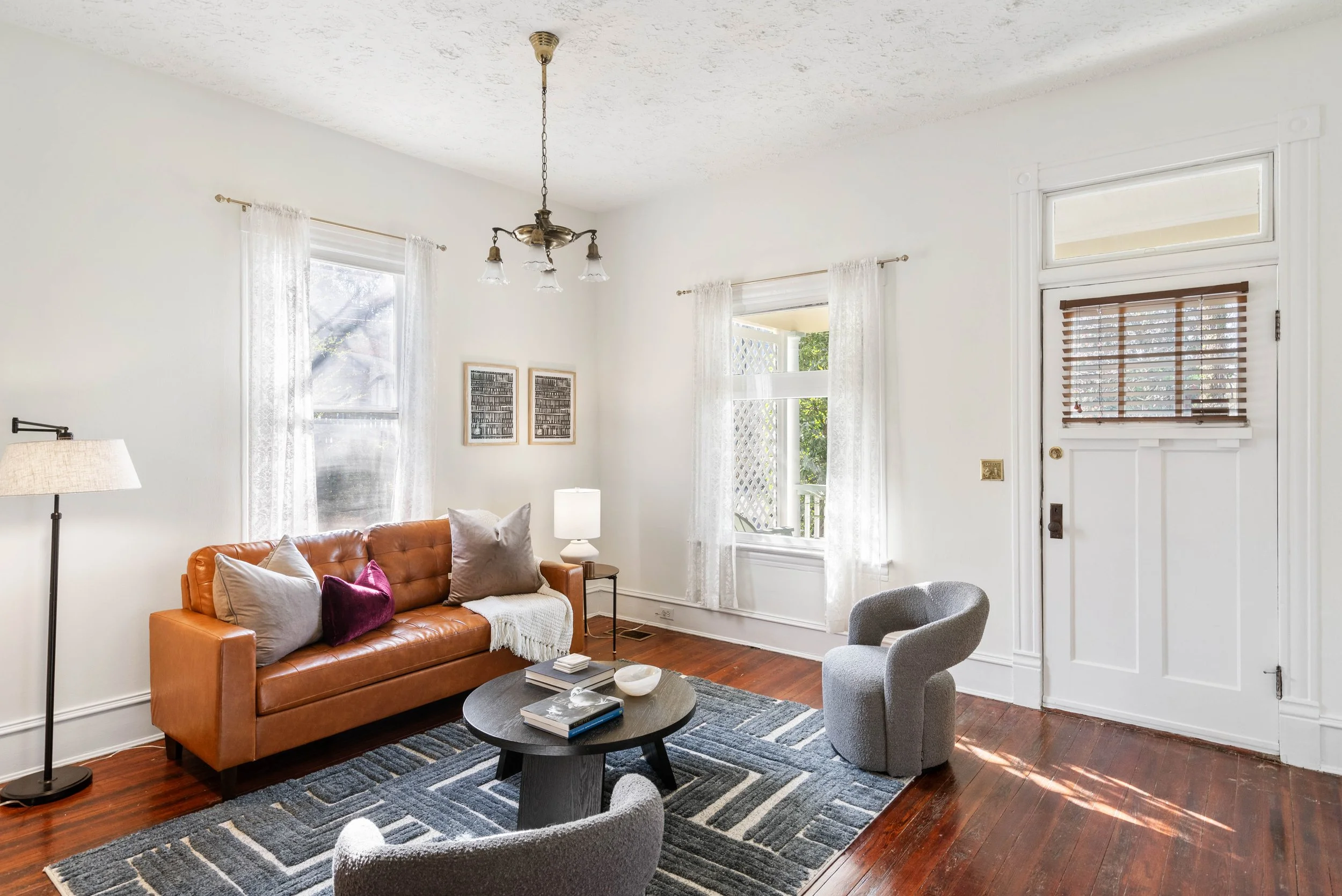
AFTER
When the Furnishings Work Against the House
The challenge wasn’t fixing the house. It was changing the way buyers were going to experience it. Over time, the sellers had furnished the home for the way they lived, not for the way a prospective buyer would evaluate it during a 30-minute showing.
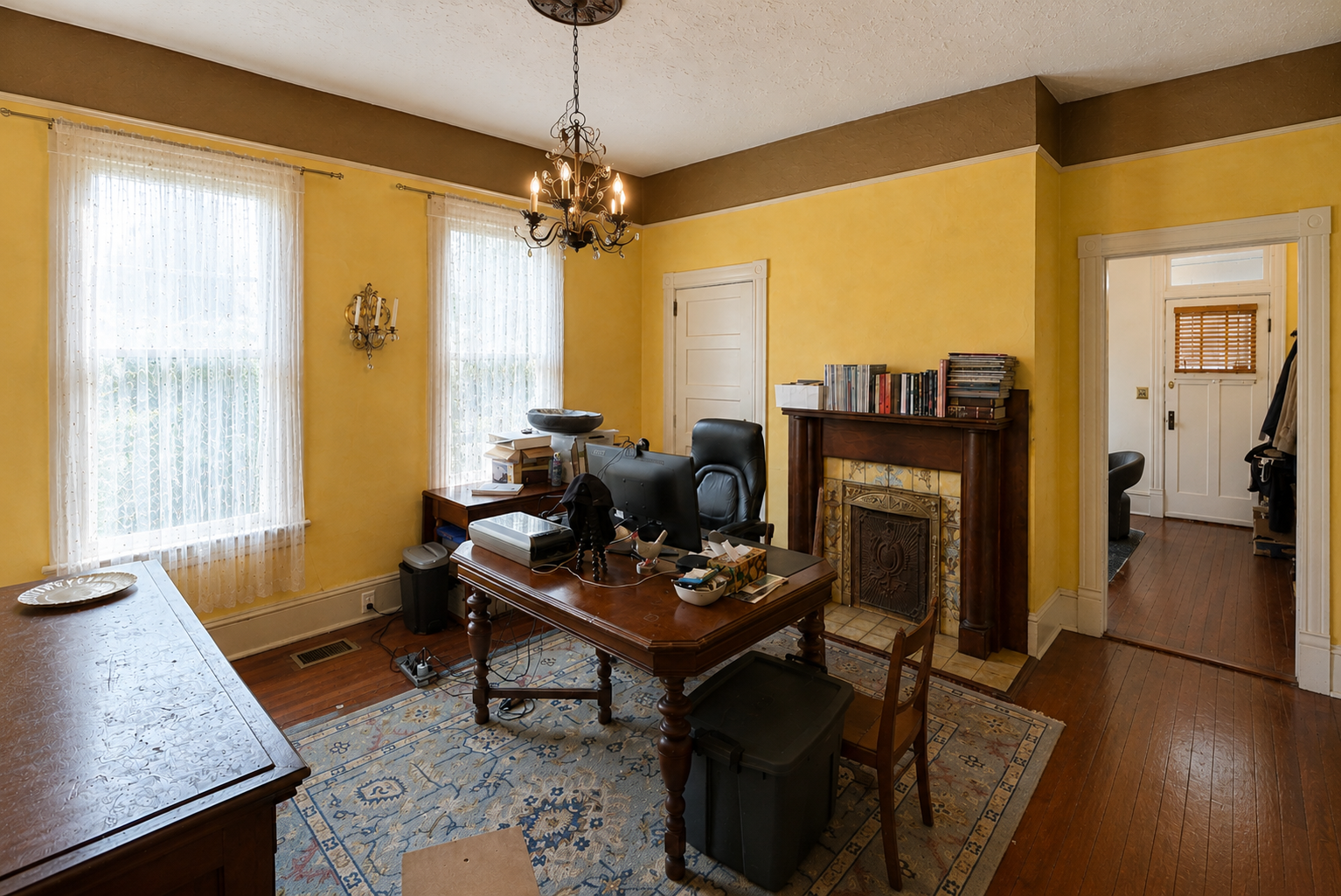
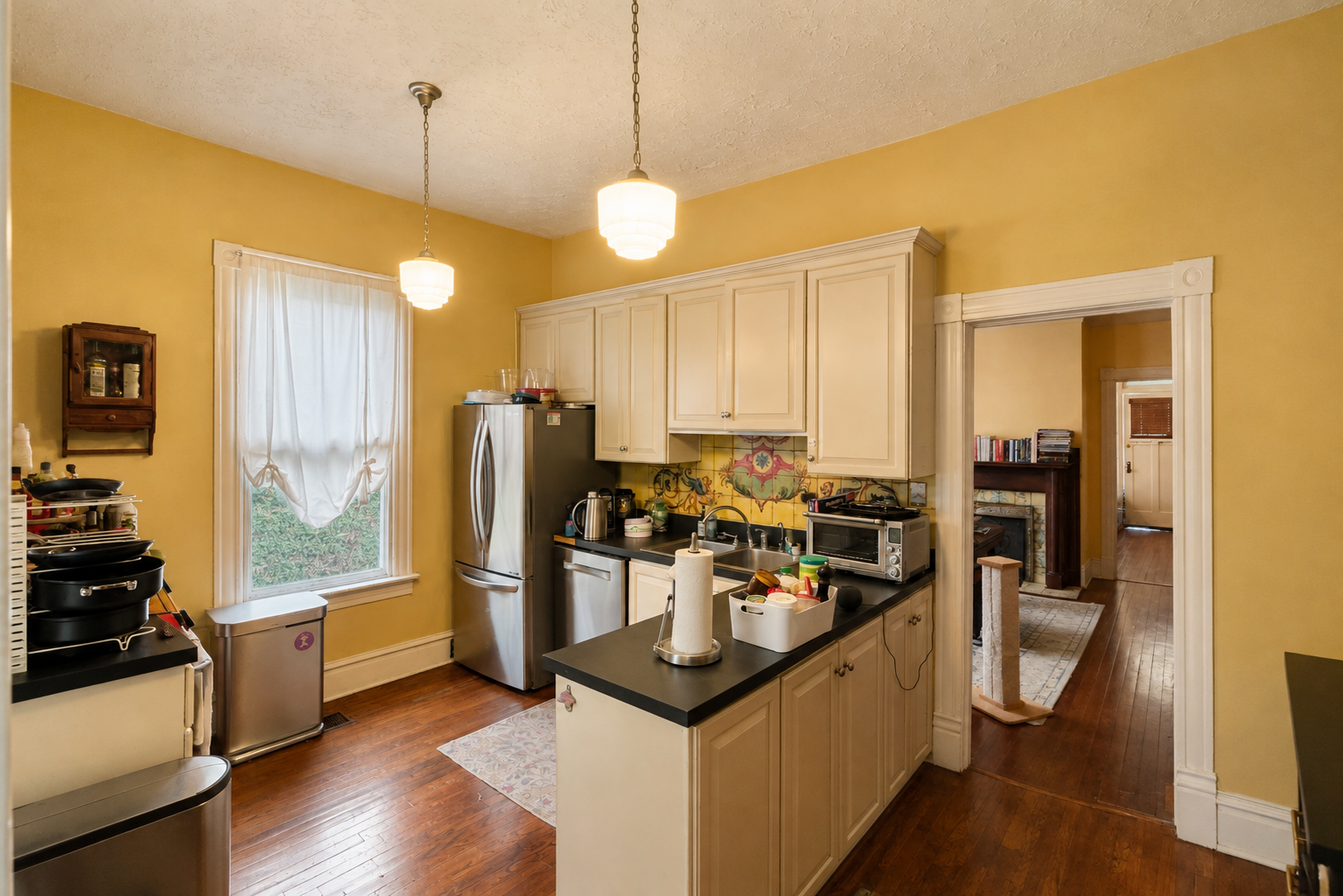
The furniture was comfortable but oversized for the rooms, with dark, substantial pieces taking up much of the available floor space. Heavy window treatments limited the natural light, while a darker interior color palette that had once worked well had begun to make the house feel dated. Individually, none of these things was a major problem. Together, however, they made rooms that were actually quite generous feel smaller, darker and heavier than they really were.
That distinction matters when preparing a home for market. Buyers don’t walk through a house with a tape measure calculating whether a room is technically large enough. They react to how the room feels. If their first impression is that a living room feels cramped or a dining room feels dark, the square footage on the listing sheet isn’t going to change that perception.
-
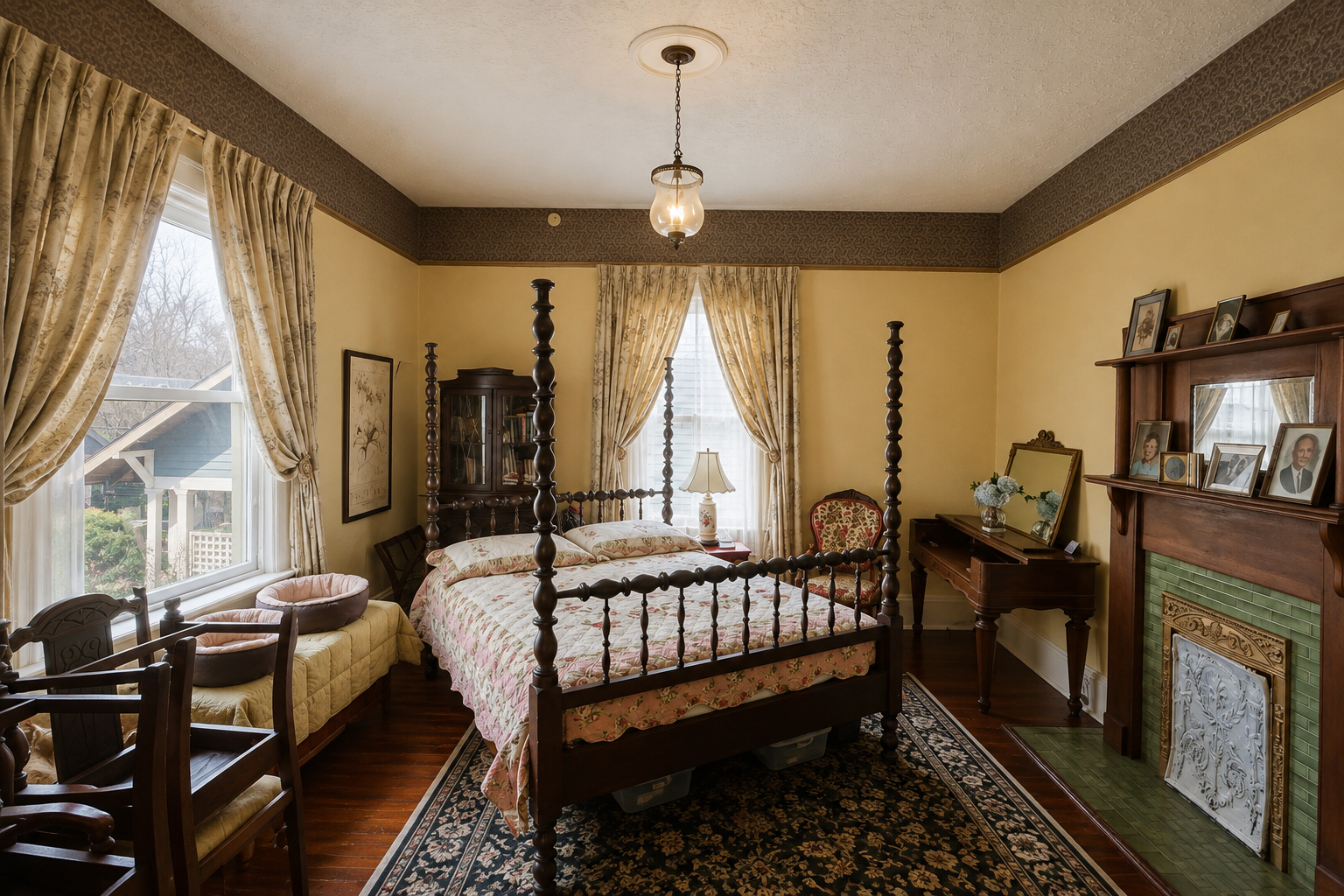
BEFORE
-
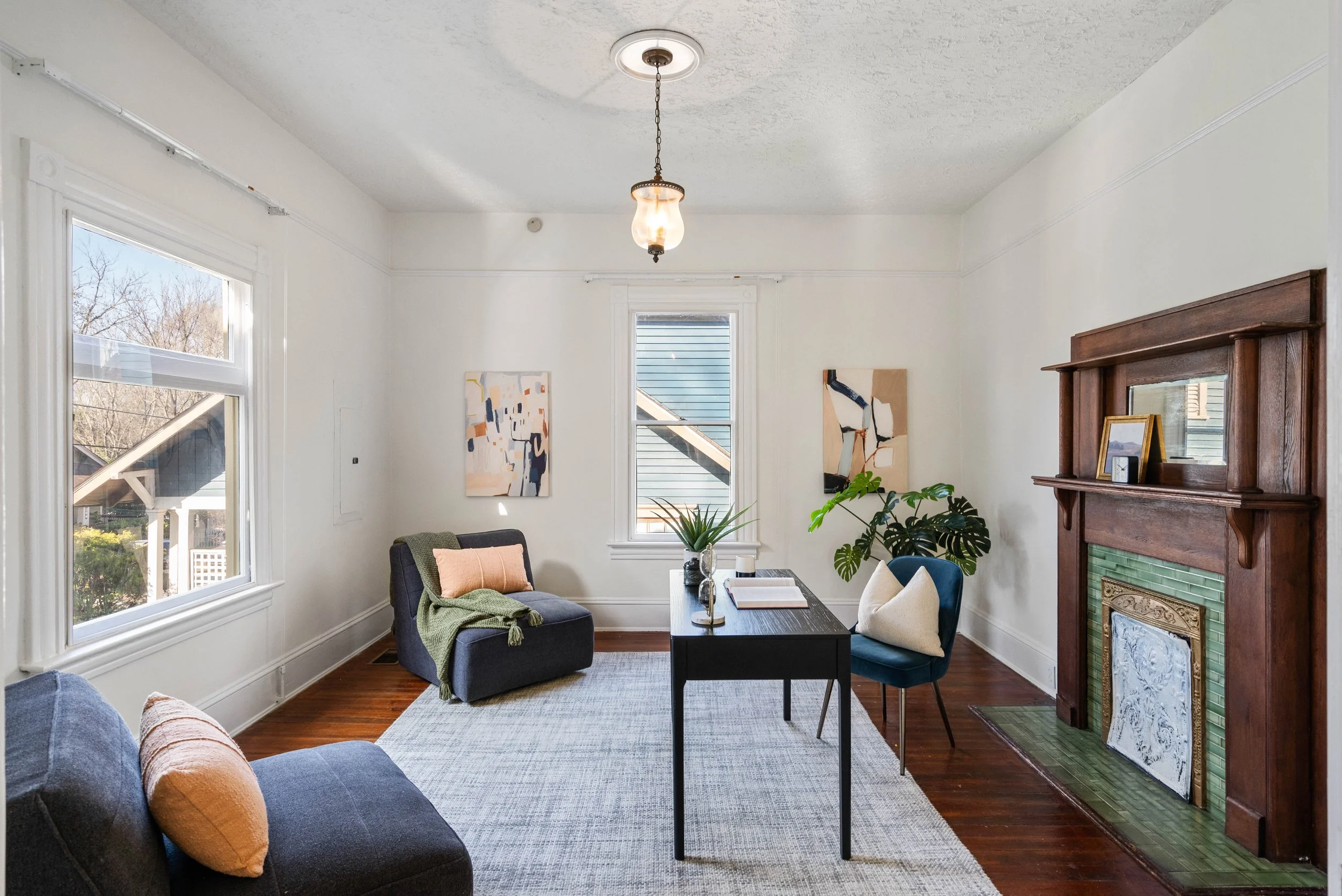
AFTER
A Transformation Without a Renovation
Fortunately, this house didn’t need a major renovation. It needed editing. Rather than replacing things that were perfectly functional or embarking on expensive projects simply because the home was historic, we concentrated the preparation budget on the things that would have the greatest effect on a buyer’s first impression.
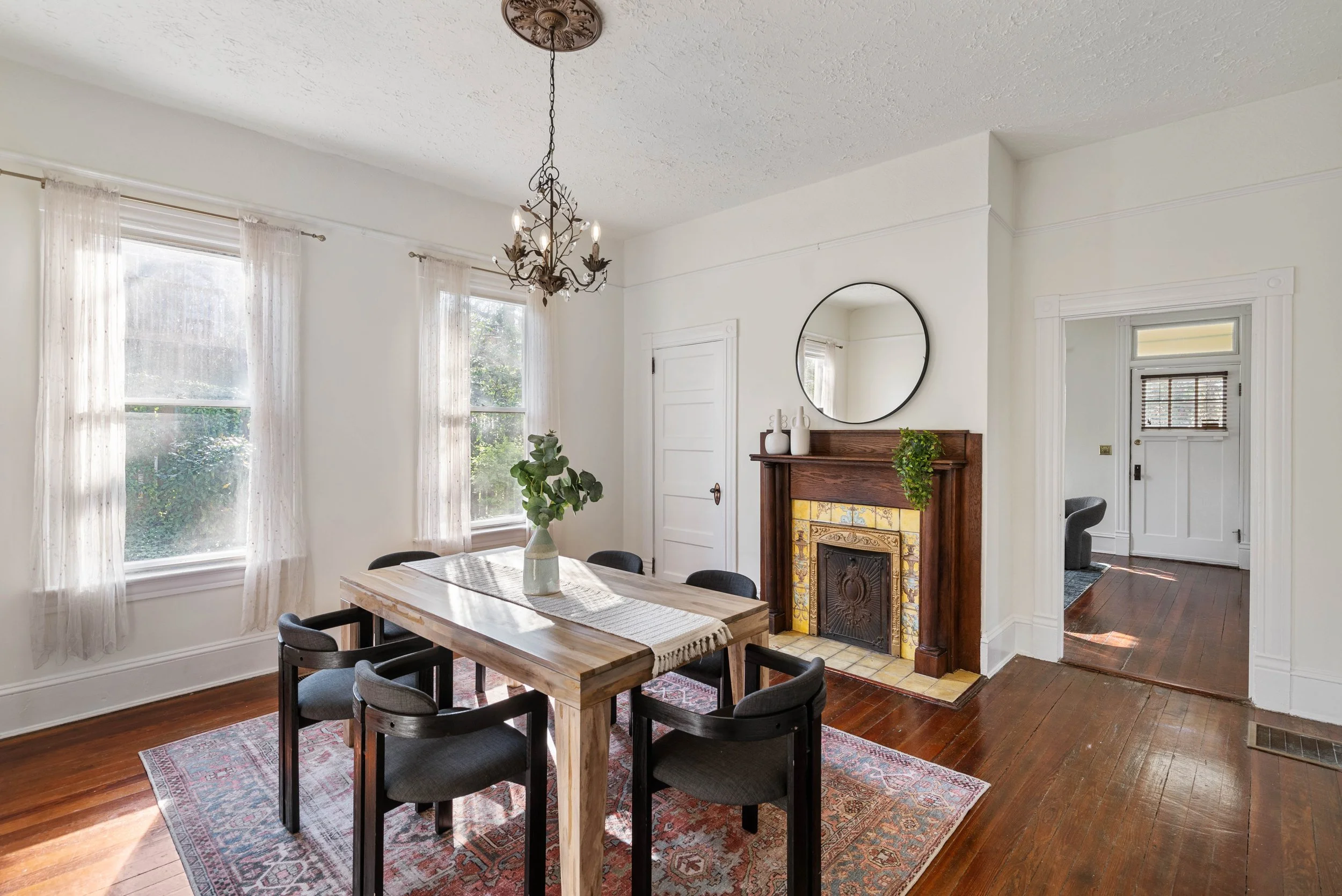
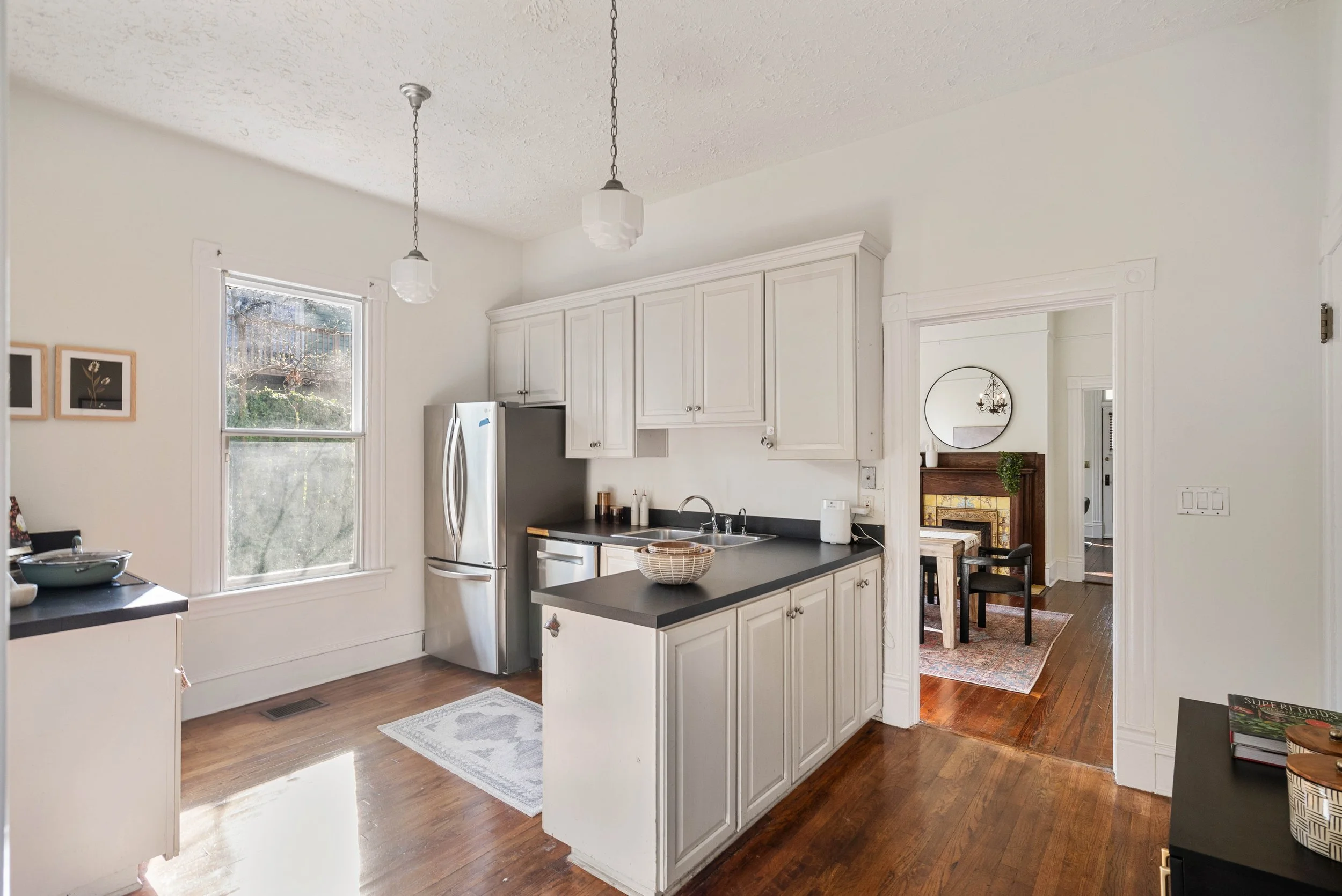
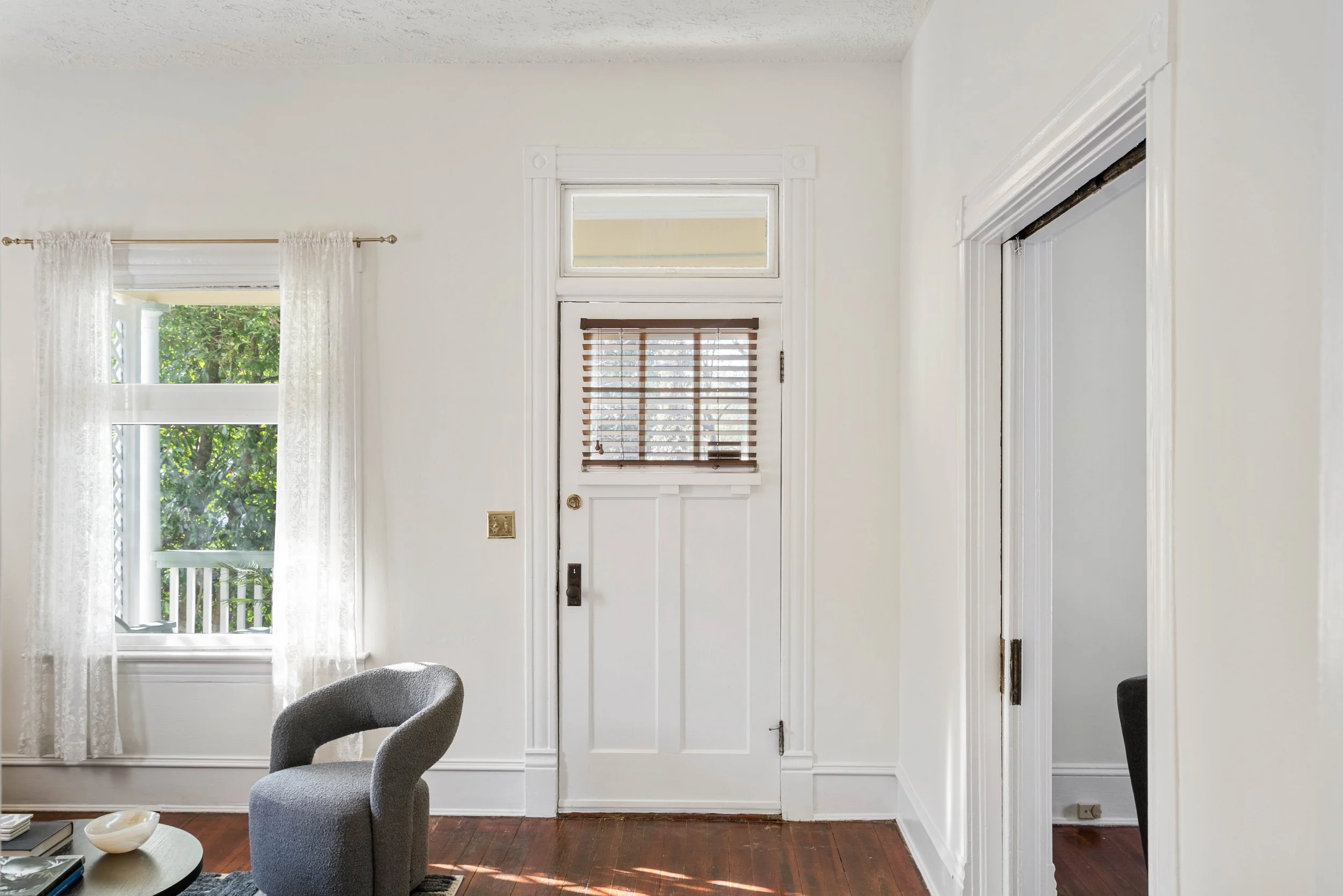
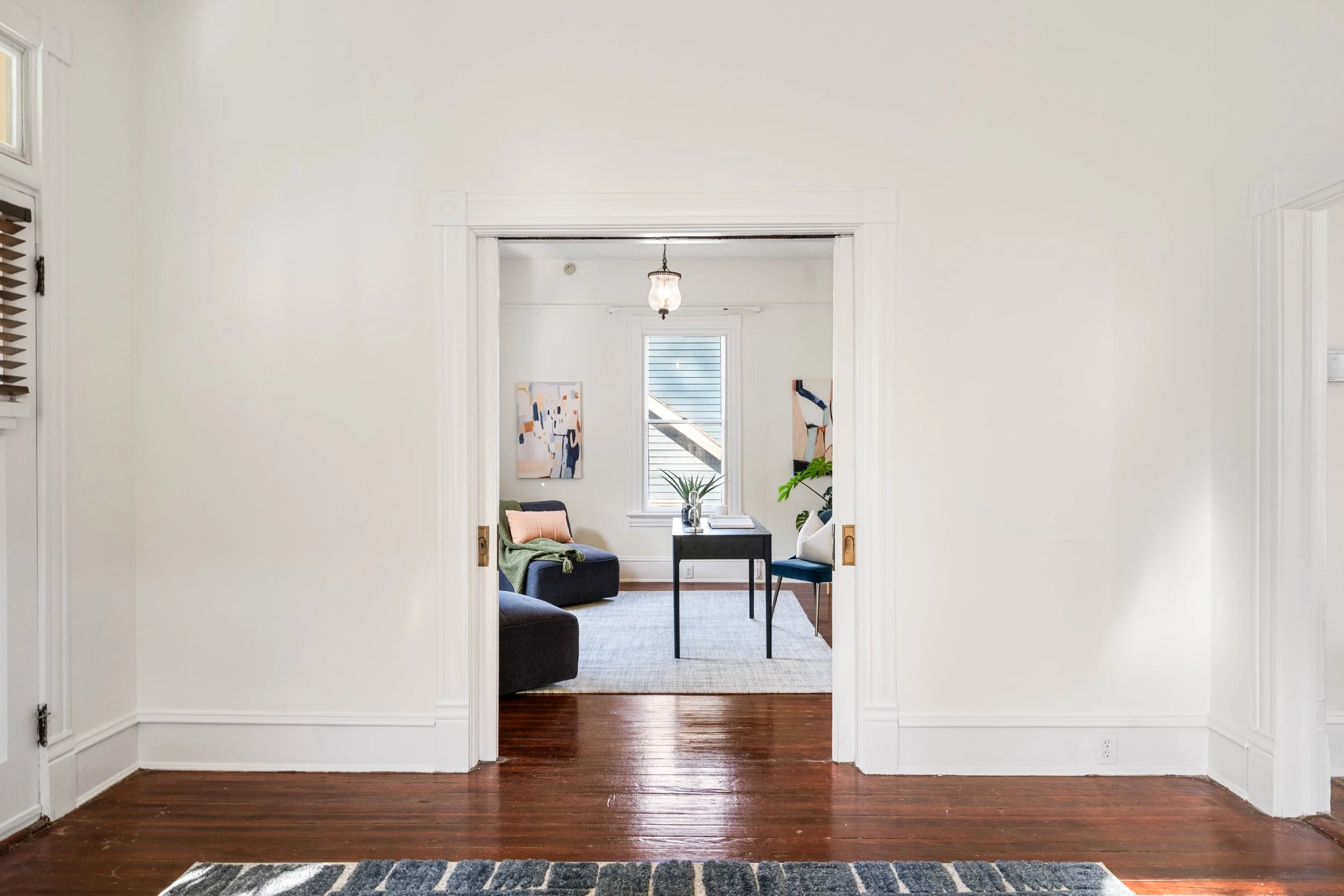
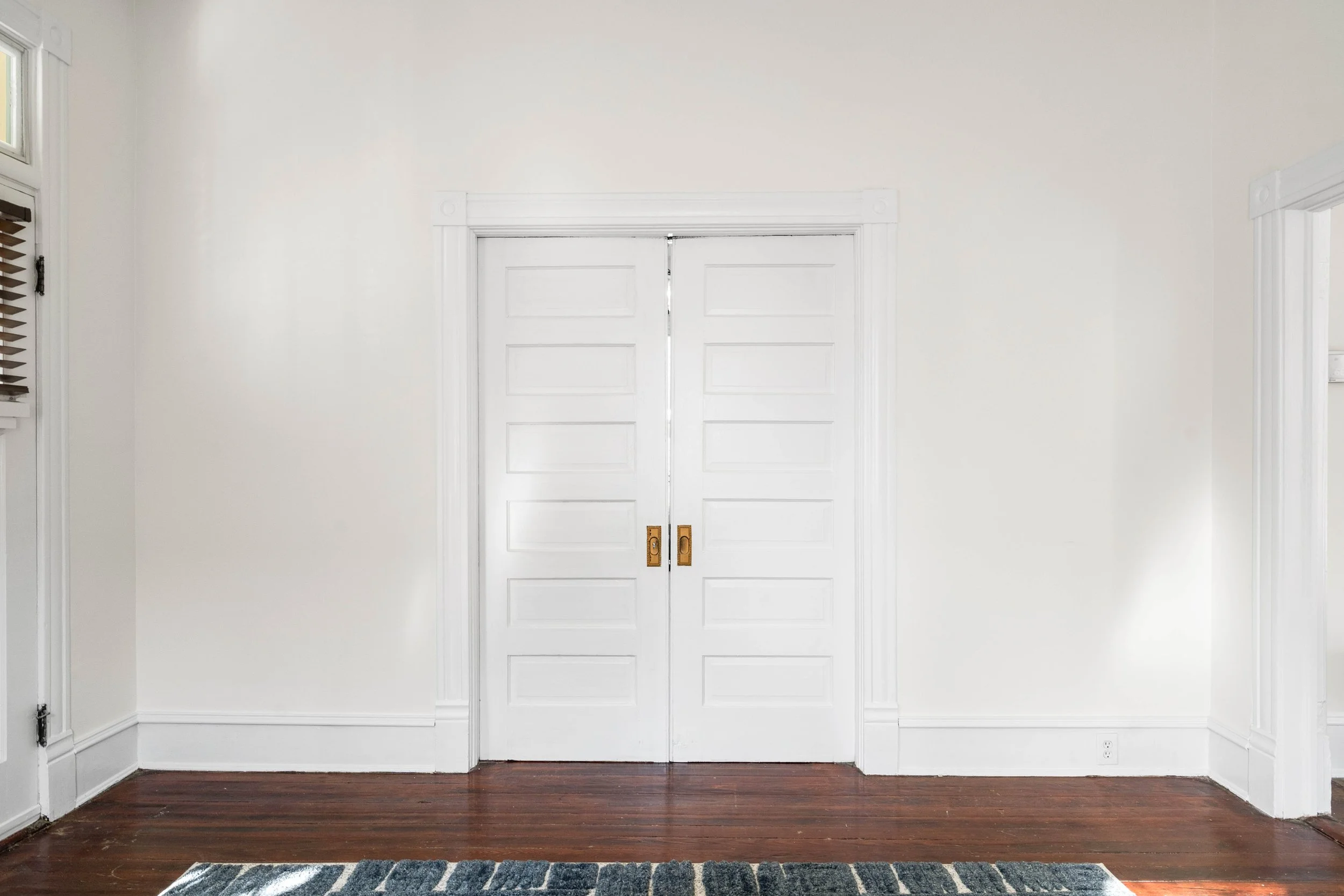
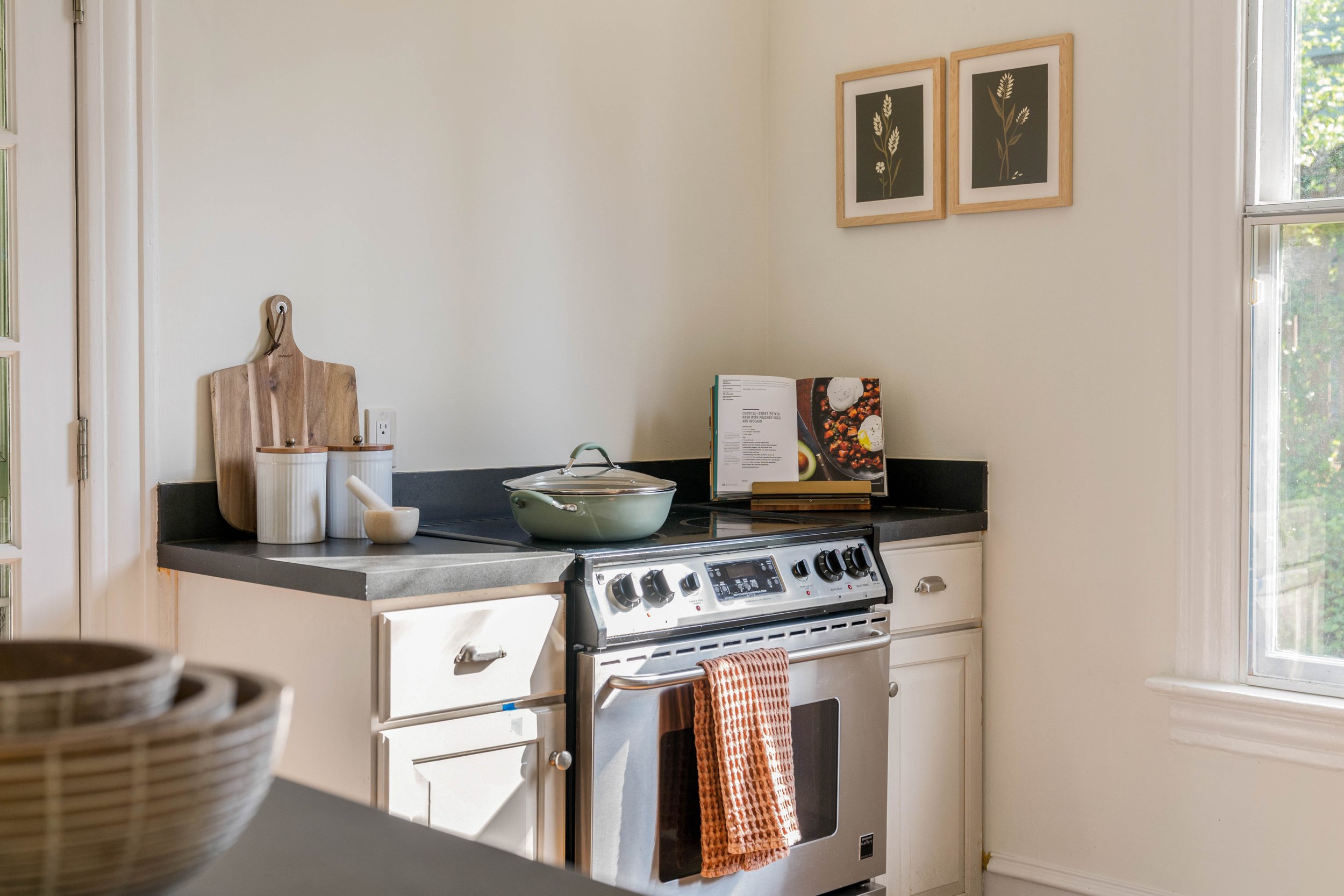
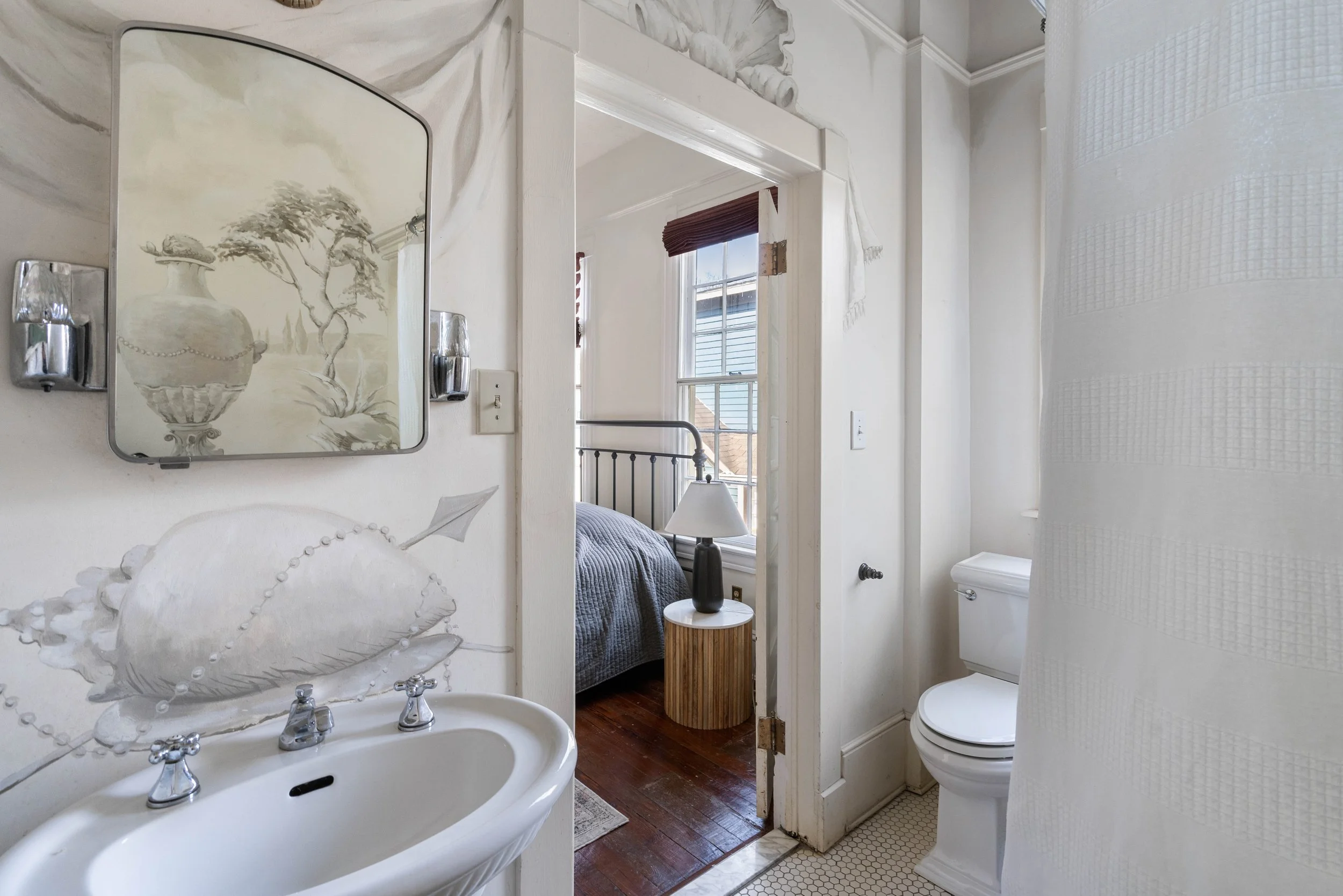
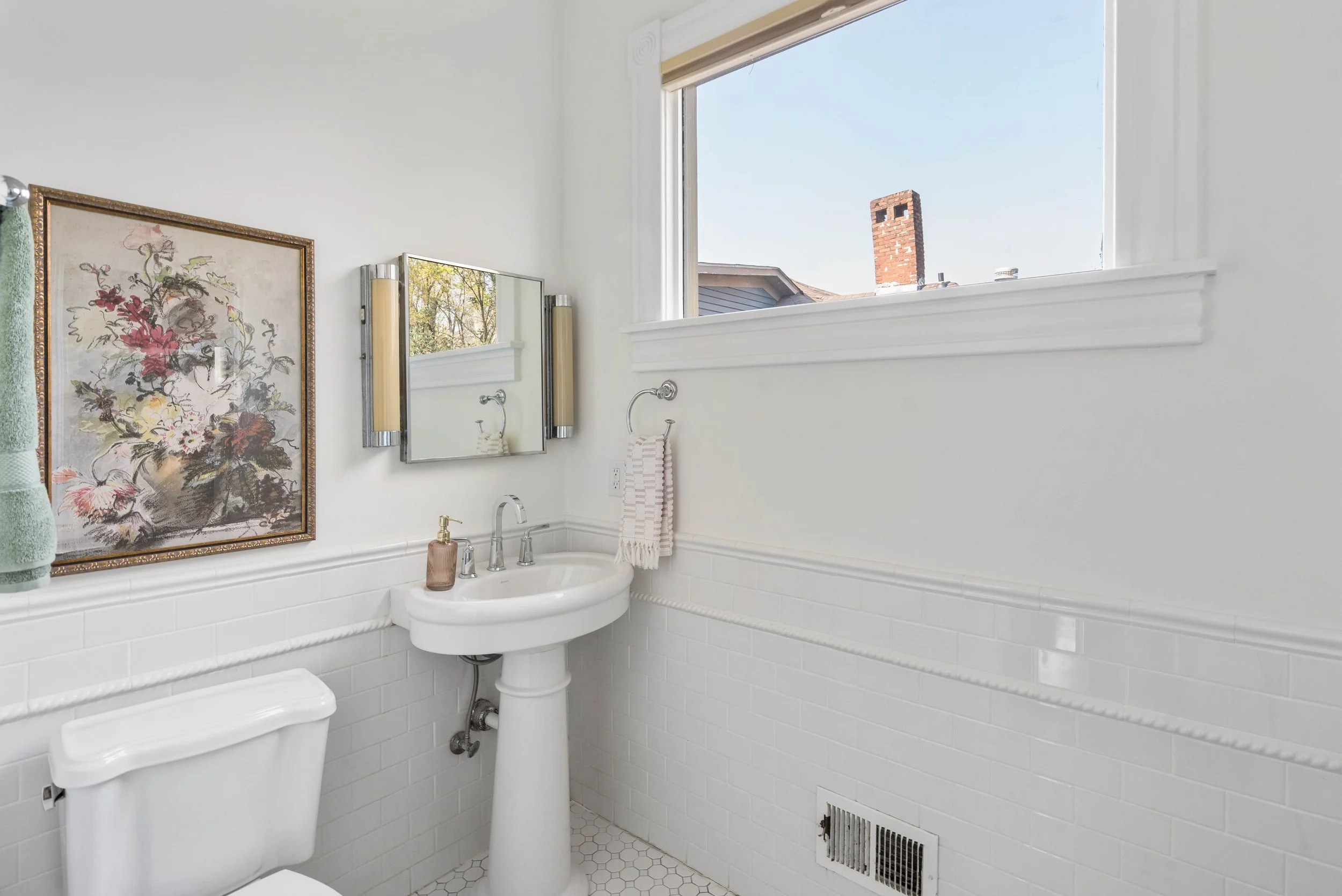
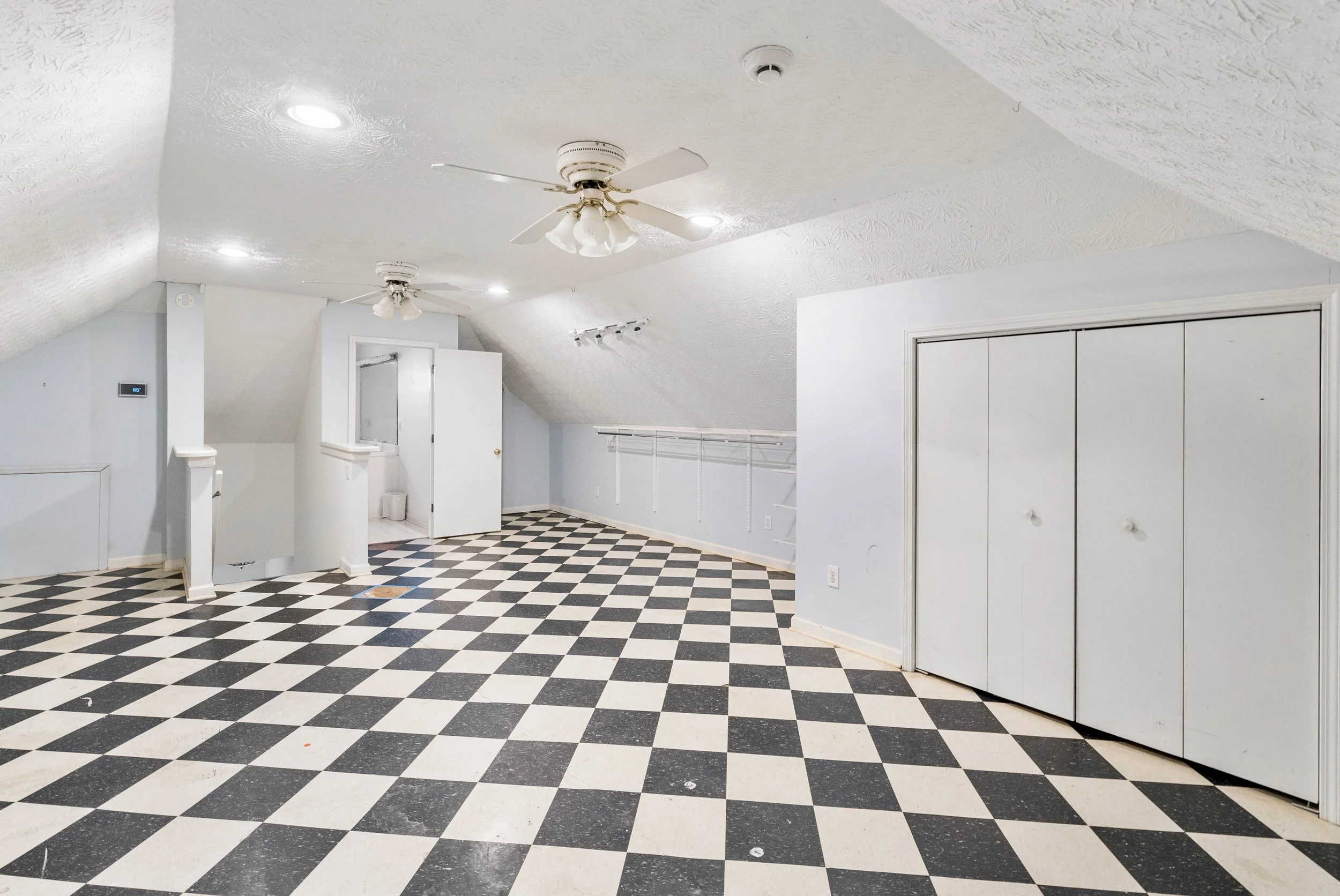
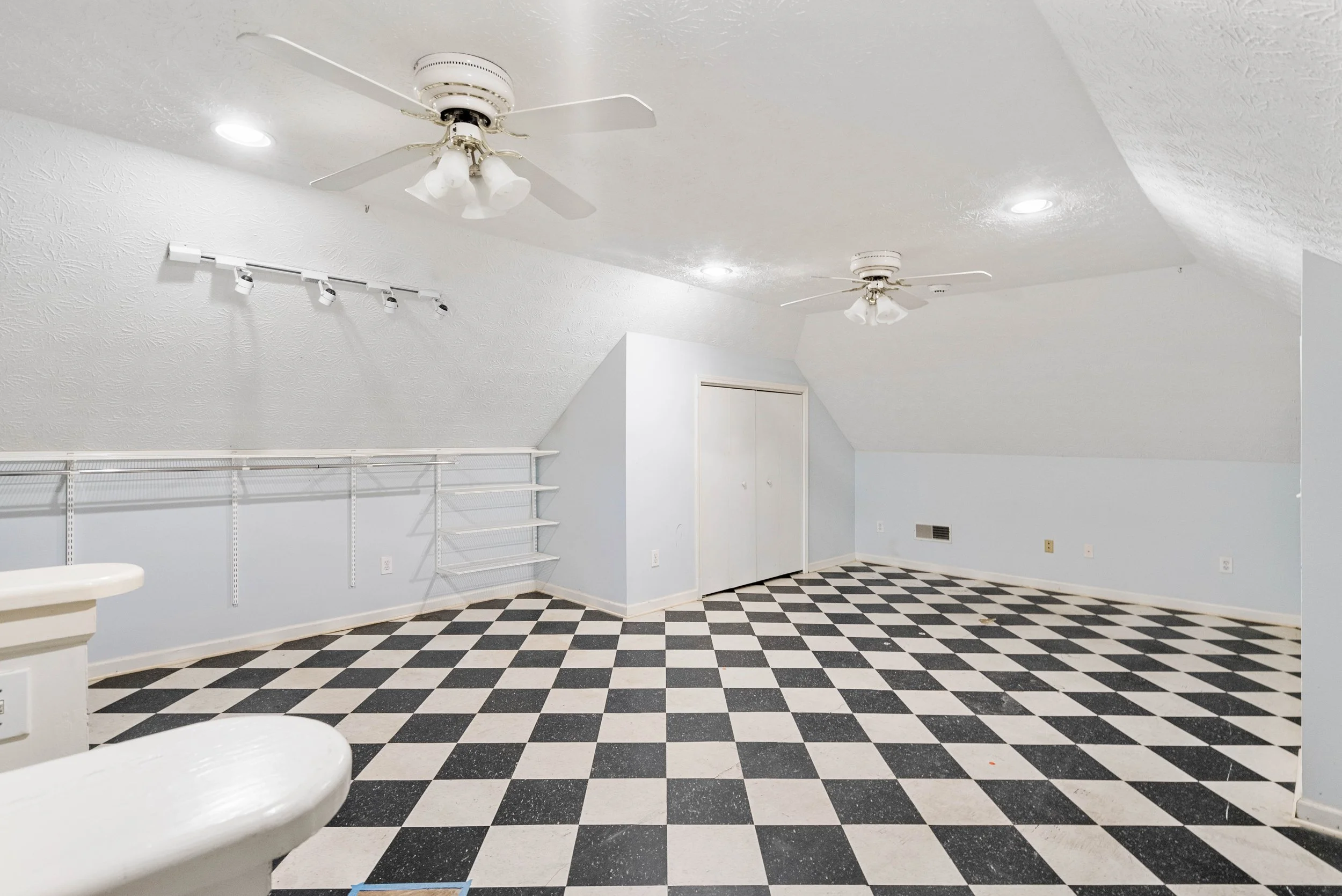
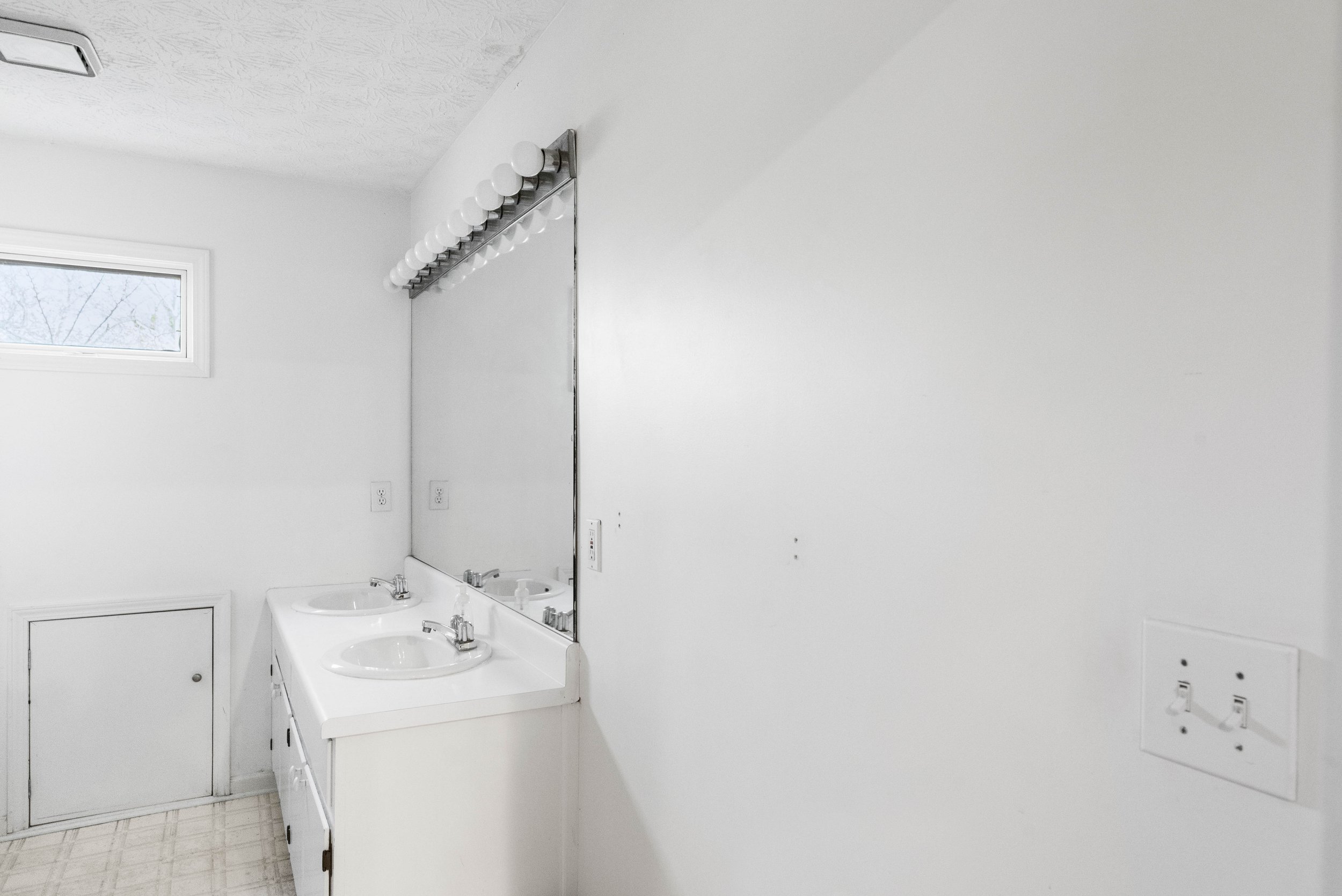
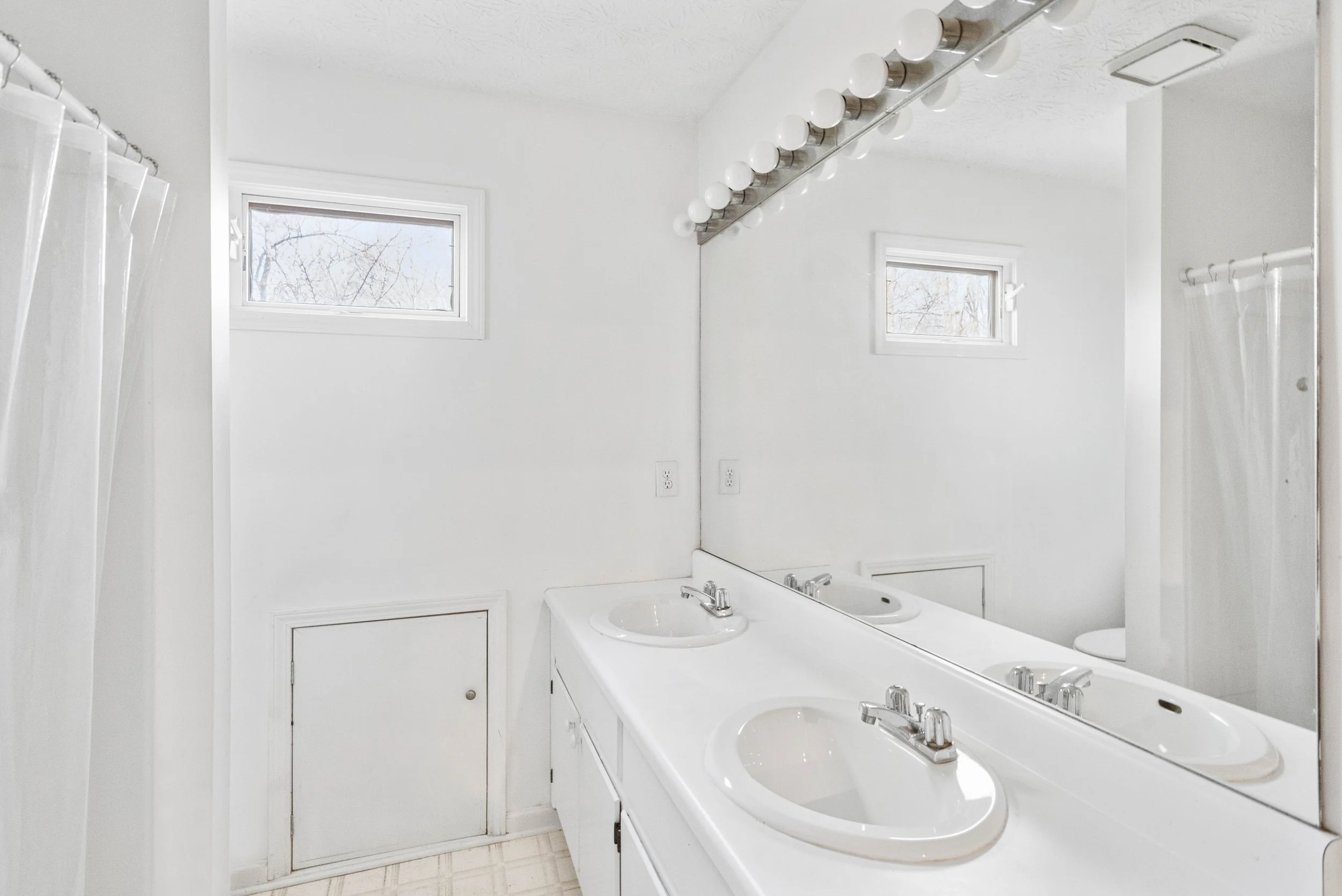
We took care of the minor dings and dents, removed the heavy window treatments and completely repainted the interior in an agreeable creamy white that complemented the home’s historic architecture. Almost immediately, natural light became a much bigger part of the house. Instead of being absorbed by darker walls and fabrics, it reflected throughout the rooms, making the entire home feel brighter and allowing the original architectural details to stand out.
None of these changes altered the fundamental house, and that was precisely the point. The historic bungalow suddenly felt lighter, cleaner and more current without sacrificing any of the character that made it appealing in the first place. The transformation was significant, but the work required to accomplish it was surprisingly straightforward.
-
BEFORE
-
AFTER
The Right Furniture Changed the Rooms
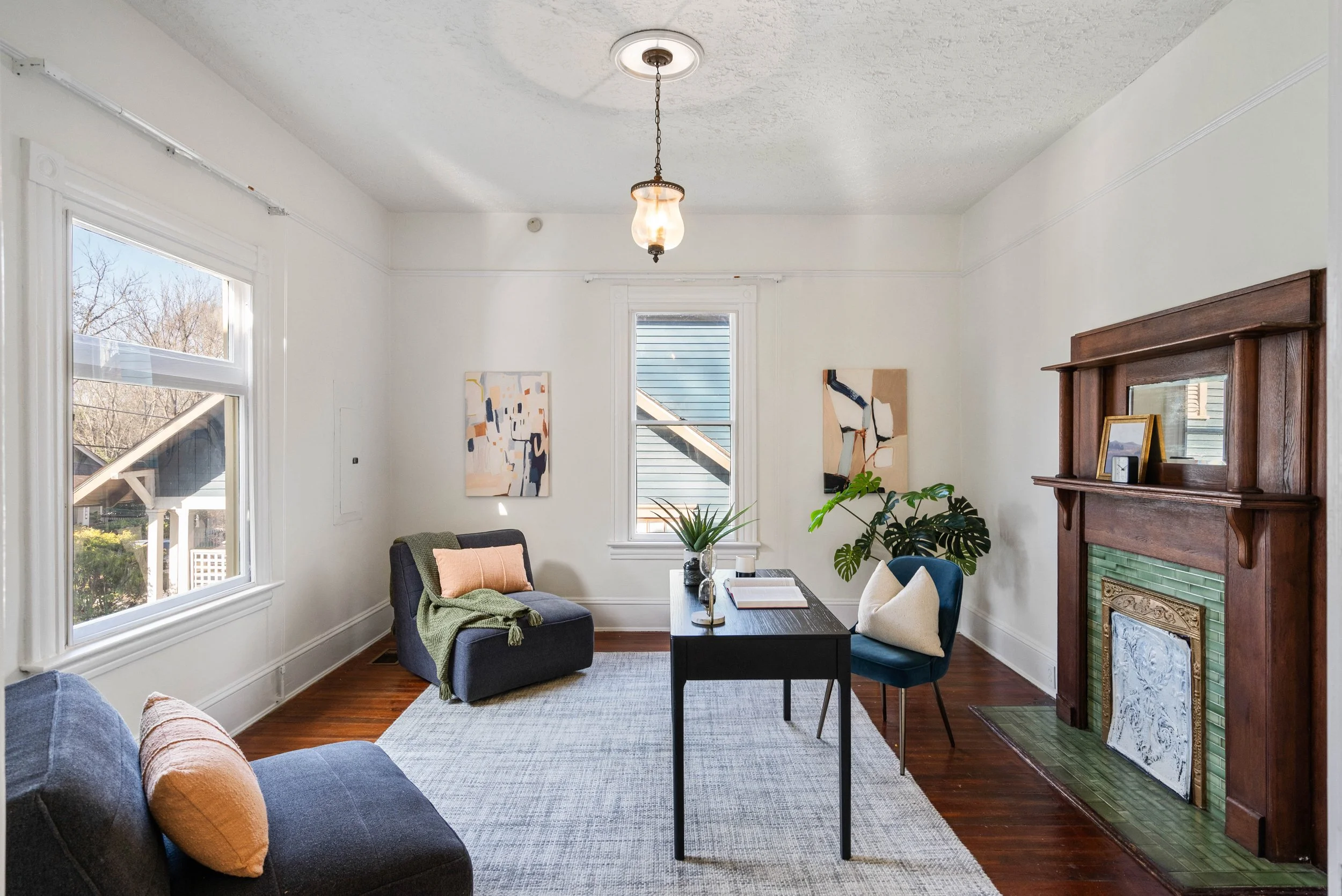
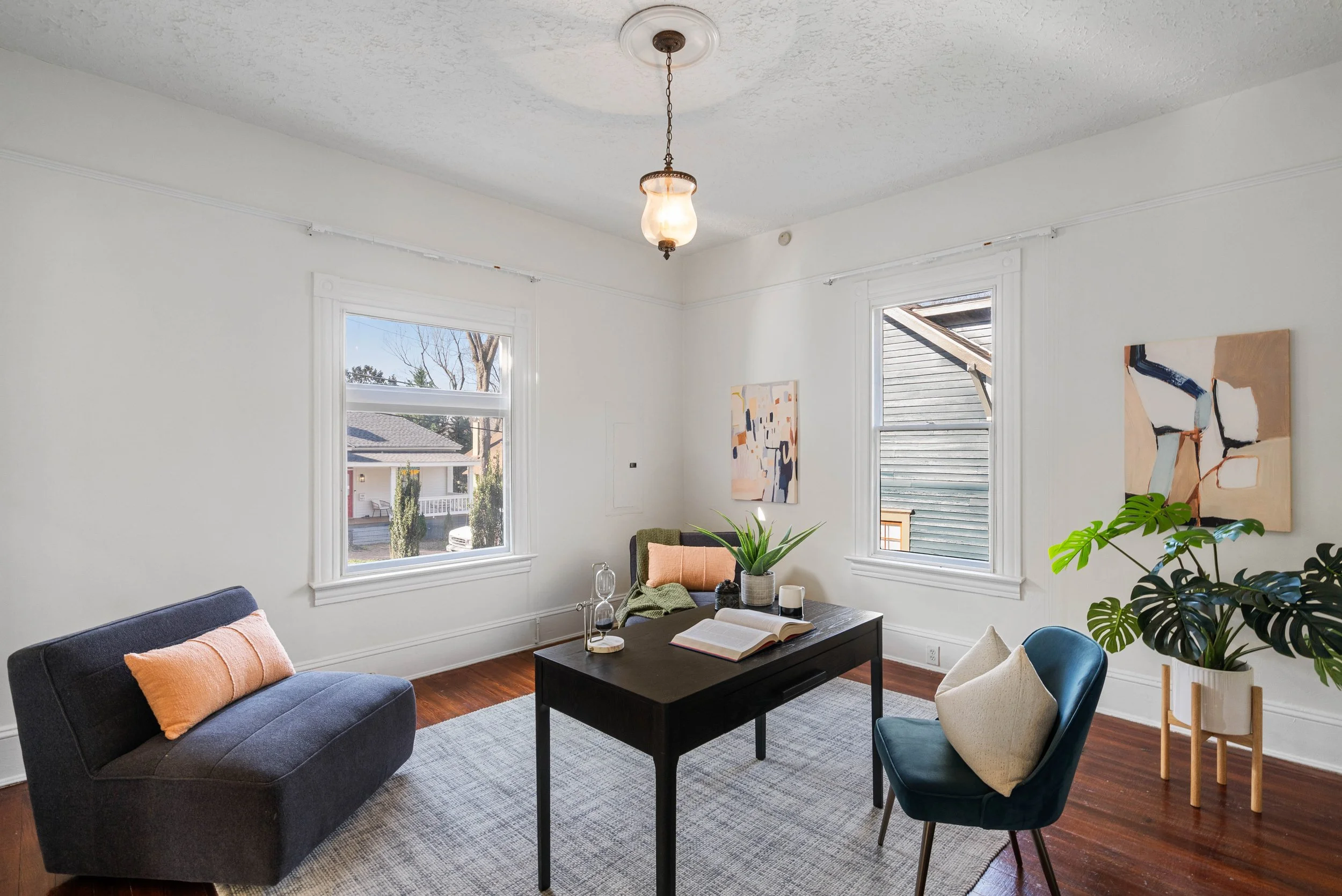
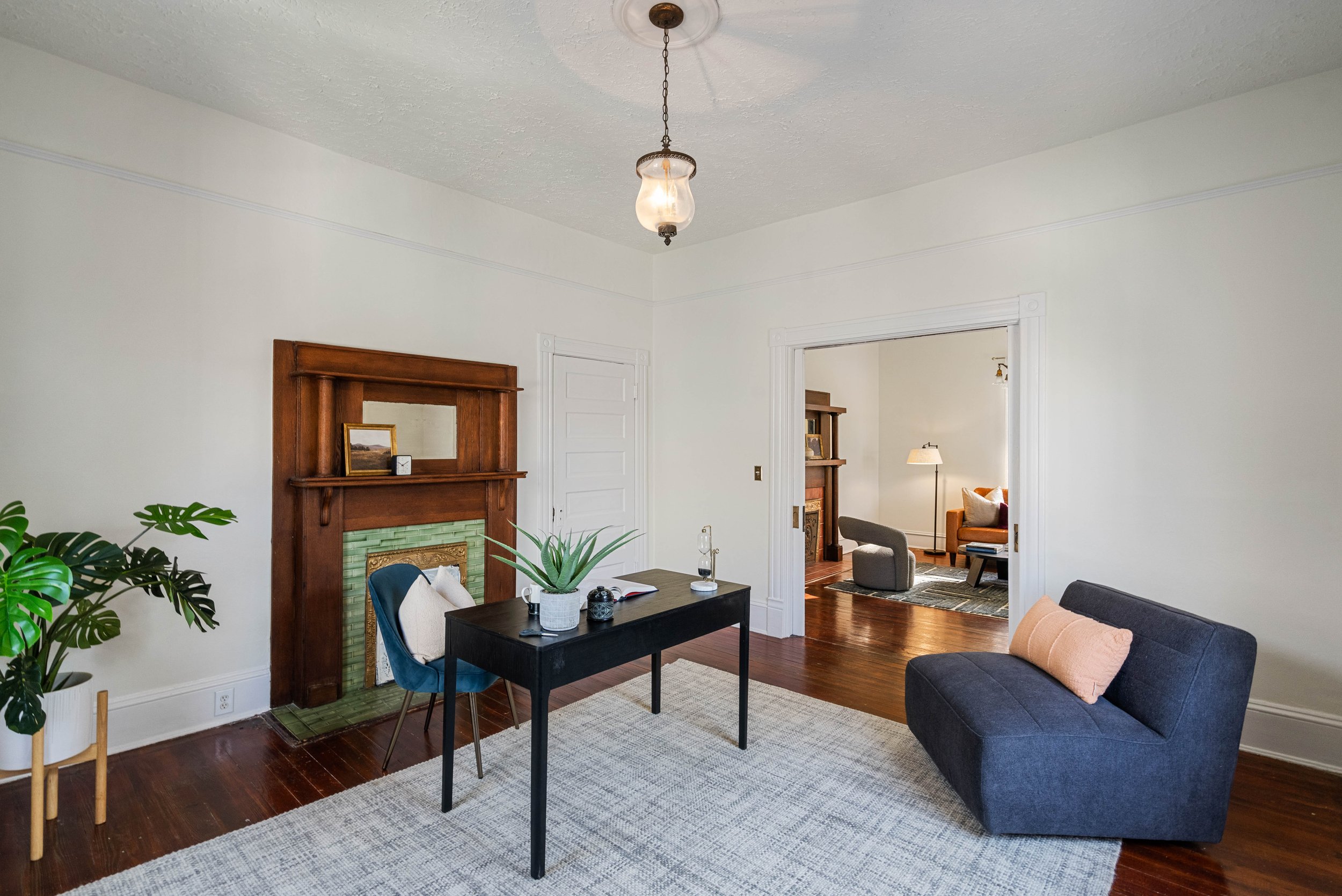
The biggest transformation came from changing the furniture. We brought in a professional staging package with modern pieces that were properly scaled for each room. Instead of trying to make the sellers’ existing furniture work, we were able to start with the proportions of the rooms themselves and choose pieces that demonstrated how comfortably those spaces could function.
Rather than filling every available wall and corner, the new furniture left intentional negative space around it. Buyers could see more of the floors and walls, move through the rooms easily and better understand how the spaces related to one another. Suddenly, there was room for the architecture itself to become part of the presentation rather than serving simply as a backdrop for the furniture.
Nothing structural had changed. The rooms weren’t any larger, and the house hadn’t suddenly acquired new features. Very little of what we did would qualify as a renovation at all. This was overwhelmingly an aesthetic transformation, yet the before-and-after difference in how the house looked and felt was remarkable.
-
BEFORE
-
AFTER
Knowing What Not to Change
That’s an important point, particularly with historic homes. Sellers sometimes assume that getting an older house ready for market means embarking on a long list of expensive improvements. There are certainly houses where that is warranted. But when the bones are good, the systems are solid and the property has been maintained, replacing functional components simply for the sake of saying something is “new” can consume a lot of money without necessarily producing a corresponding return.
Part of preparing a house for sale is knowing where to spend. An equally important part is knowing where not to spend. In this case, the home didn’t need its history renovated out of it. It needed the visual distractions that had accumulated over time removed so buyers could appreciate that history.
That’s also the purpose of thoughtful staging. It isn’t about decorating a house according to our personal taste or making every property look like a furniture showroom. It’s about identifying what might distract buyers from a home’s strongest attributes and removing those distractions. Here, the better investment was making sure buyers could clearly see and appreciate what was already there.
-
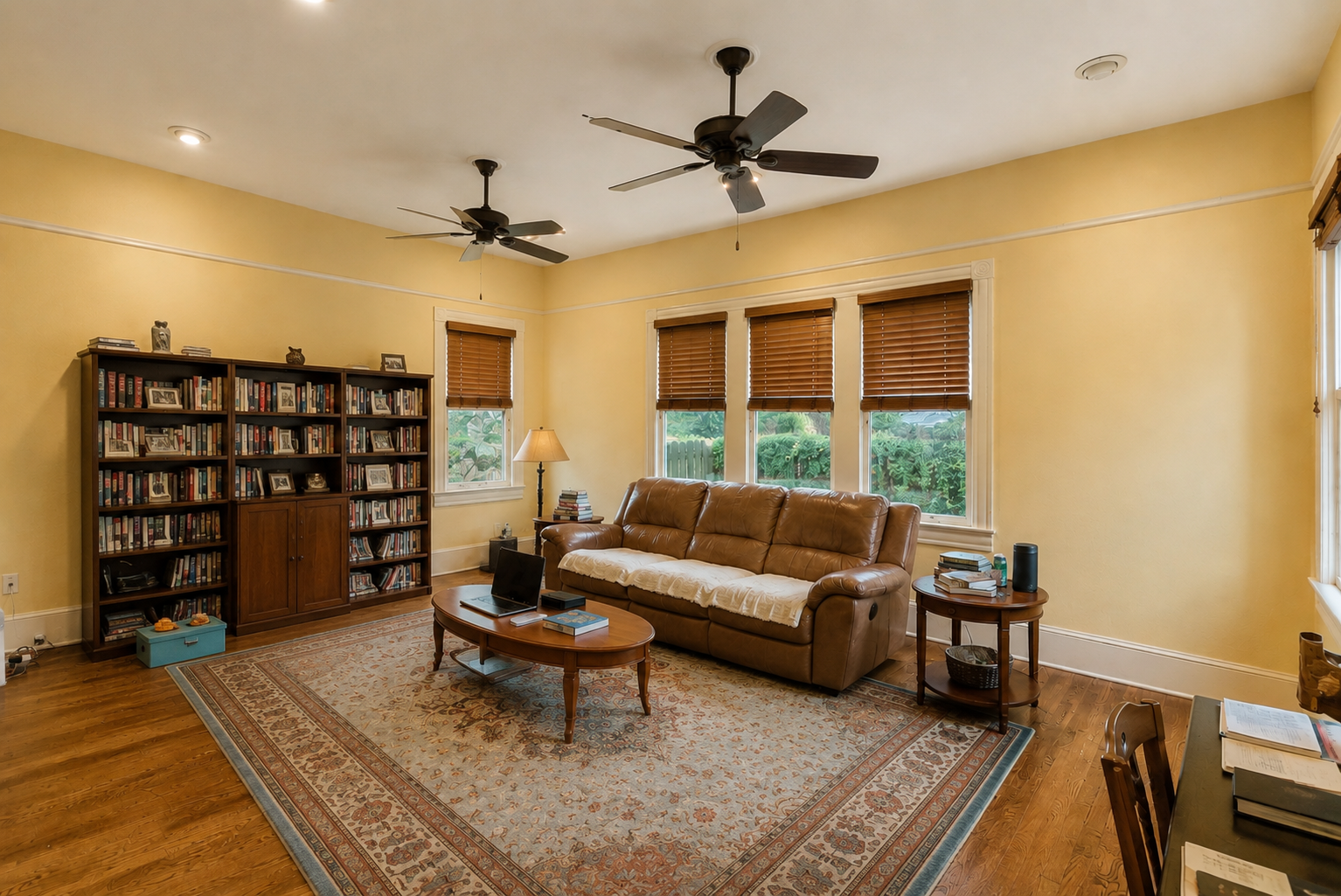
BEFORE
-
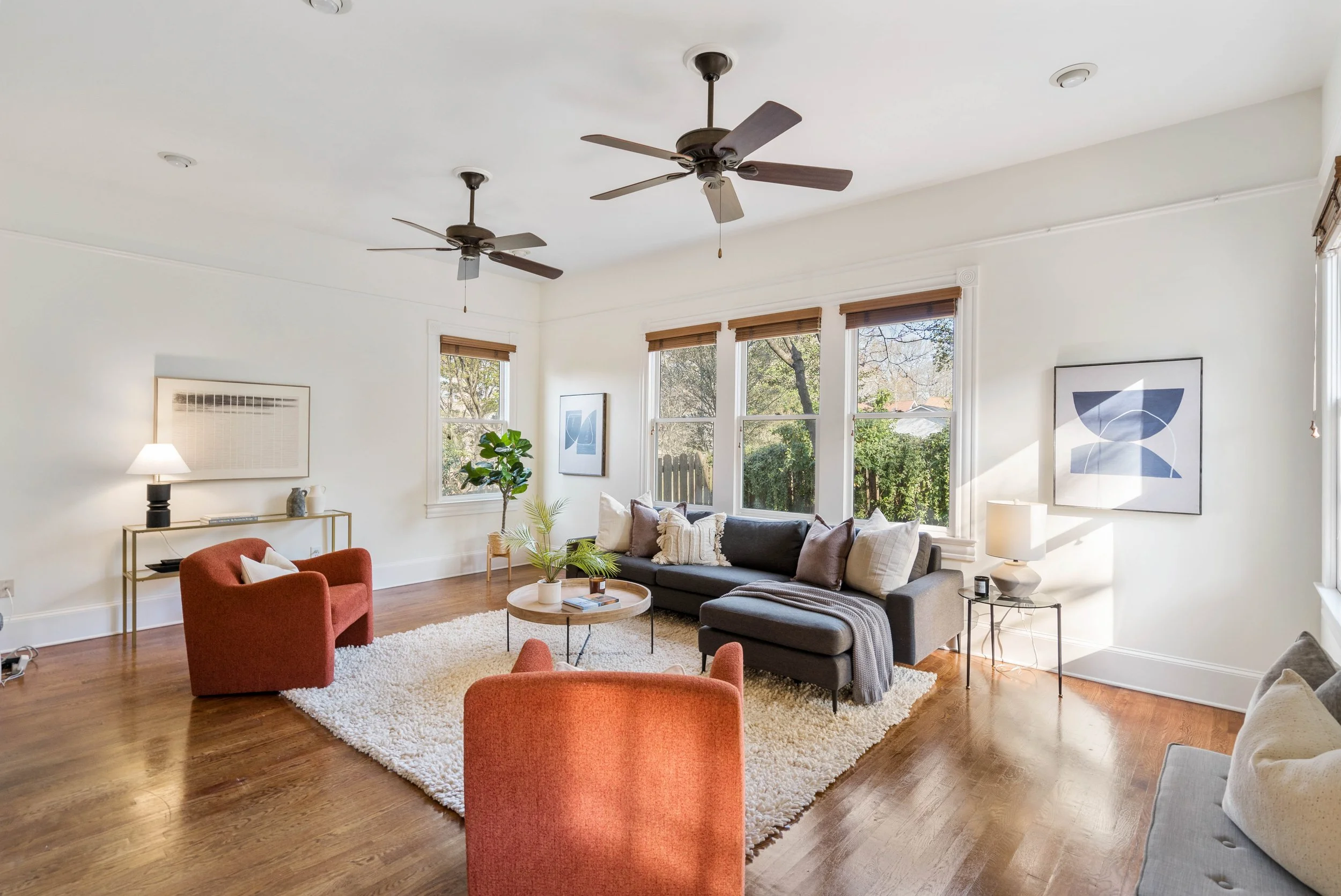
AFTER
A Strategy Built Around the Sellers
Ultimately, the strategy had to match the sellers’ goals rather than an arbitrary definition of what constitutes a successful sale. They had already made the leap to their next home in the North Georgia mountains and were ready to begin that next chapter. They didn’t need a listing that lingered for months while they waited for the absolute last dollar the market might produce. They needed to present the house at its best, price it appropriately and give buyers every reason to act.
That’s exactly what happened. After a relatively modest amount of preparation, the home went under contract after just 16 days on the market. The sellers were able to move forward with the home they had already purchased rather than spending the next several months maintaining and carrying a second property while hoping for a buyer to eventually come along.
Not every successful sale is measured by how far above asking price a home sells. Sometimes success is recognizing what a house actually needs, and just as importantly, what it doesn’t need. For these sellers, a dramatic aesthetic transformation accomplished far more than an expensive renovation would have. The house buyers wanted had been there all along. We simply changed the way they saw it.
-
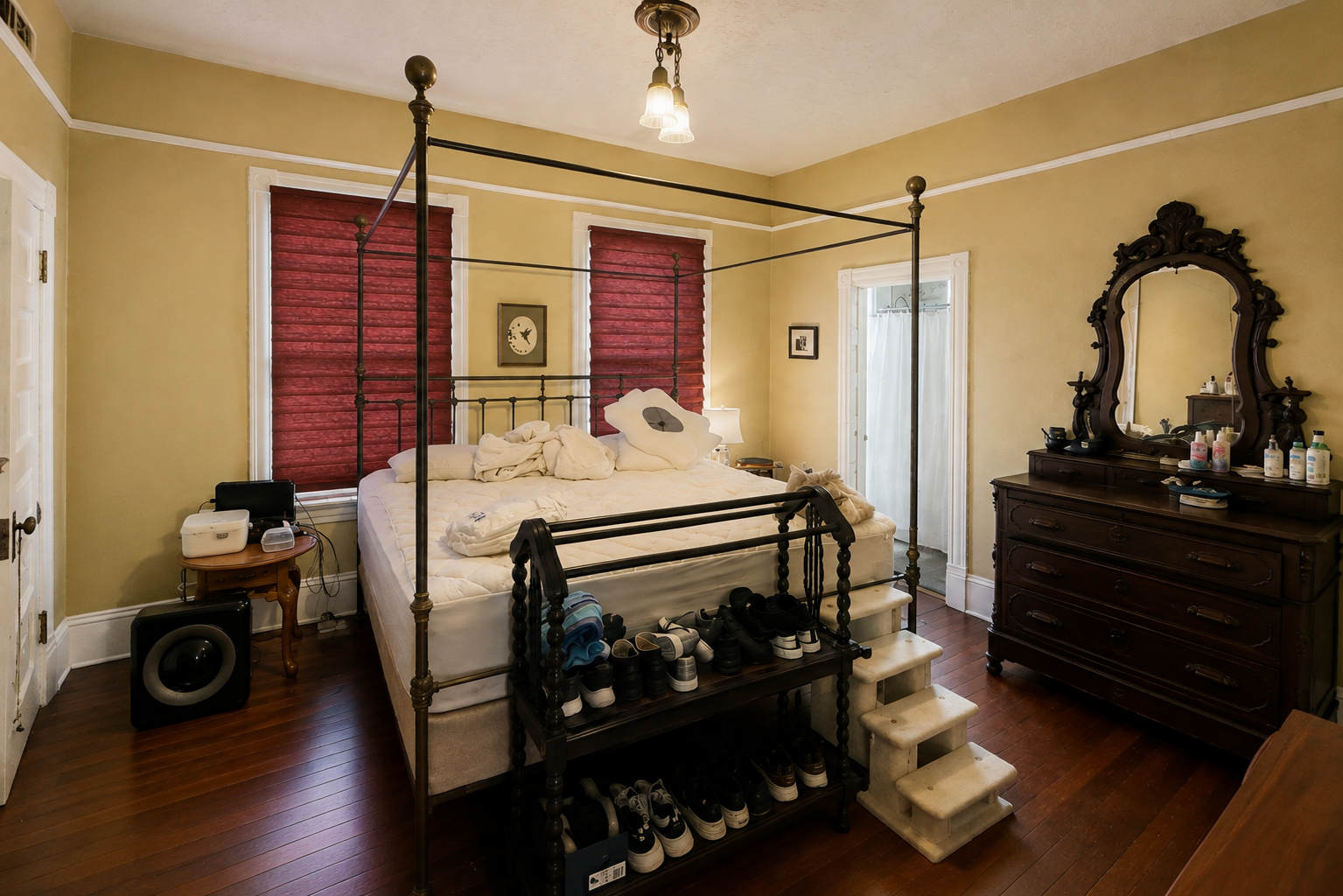
BEFORE
-
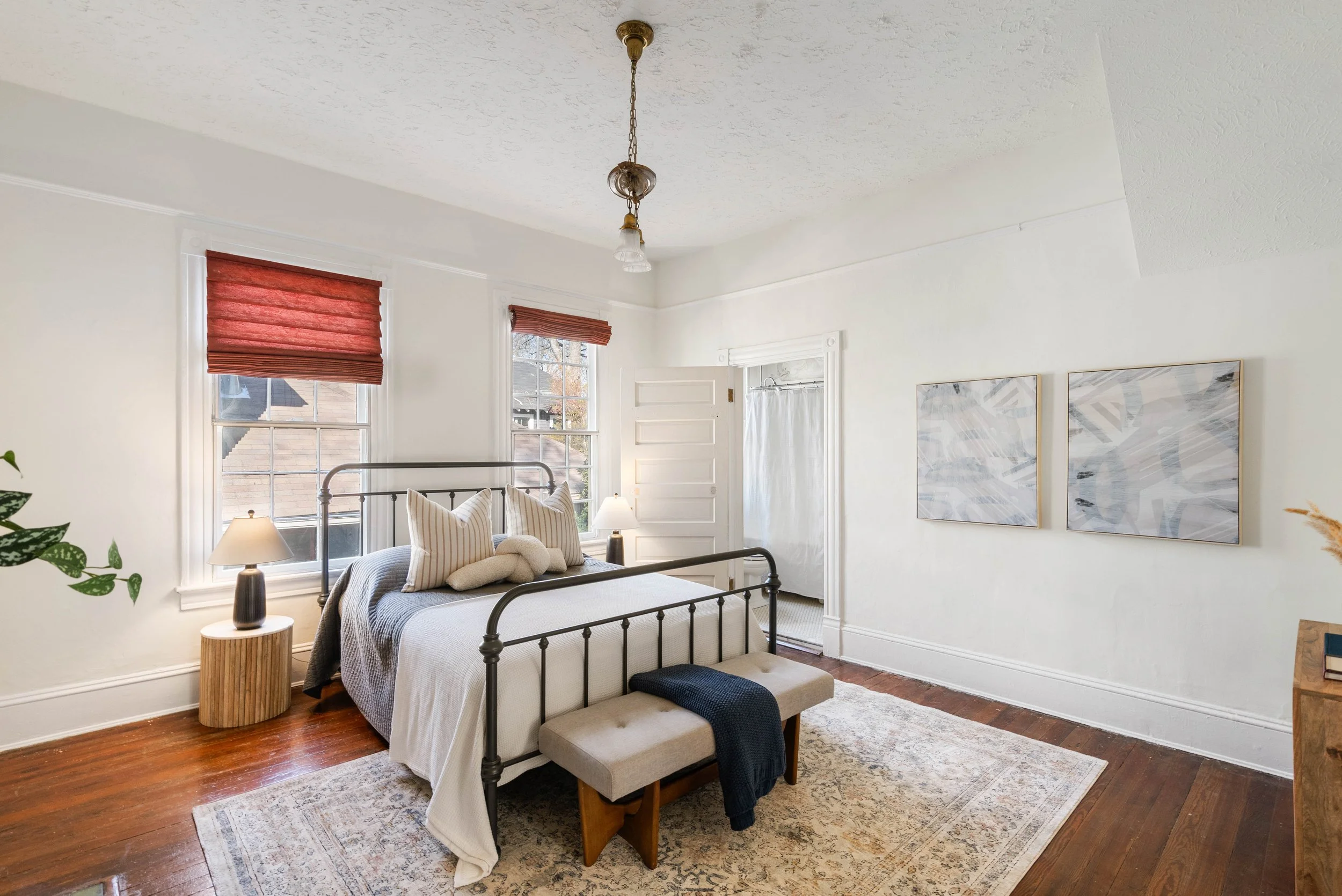
AFTER
This home is exclusively listed by The Rob Smith Team at Keller Williams Realty Intown Atlanta.

For more information please contact:
Rob Smith
REALTOR
Keller Williams Realty Intown Atlanta
M: 404.906.5857
rob@robsmith.com