
Lot with a free house
When the House Is the Project:
How a Gutted Grant Park Home
Generated Seven Offers
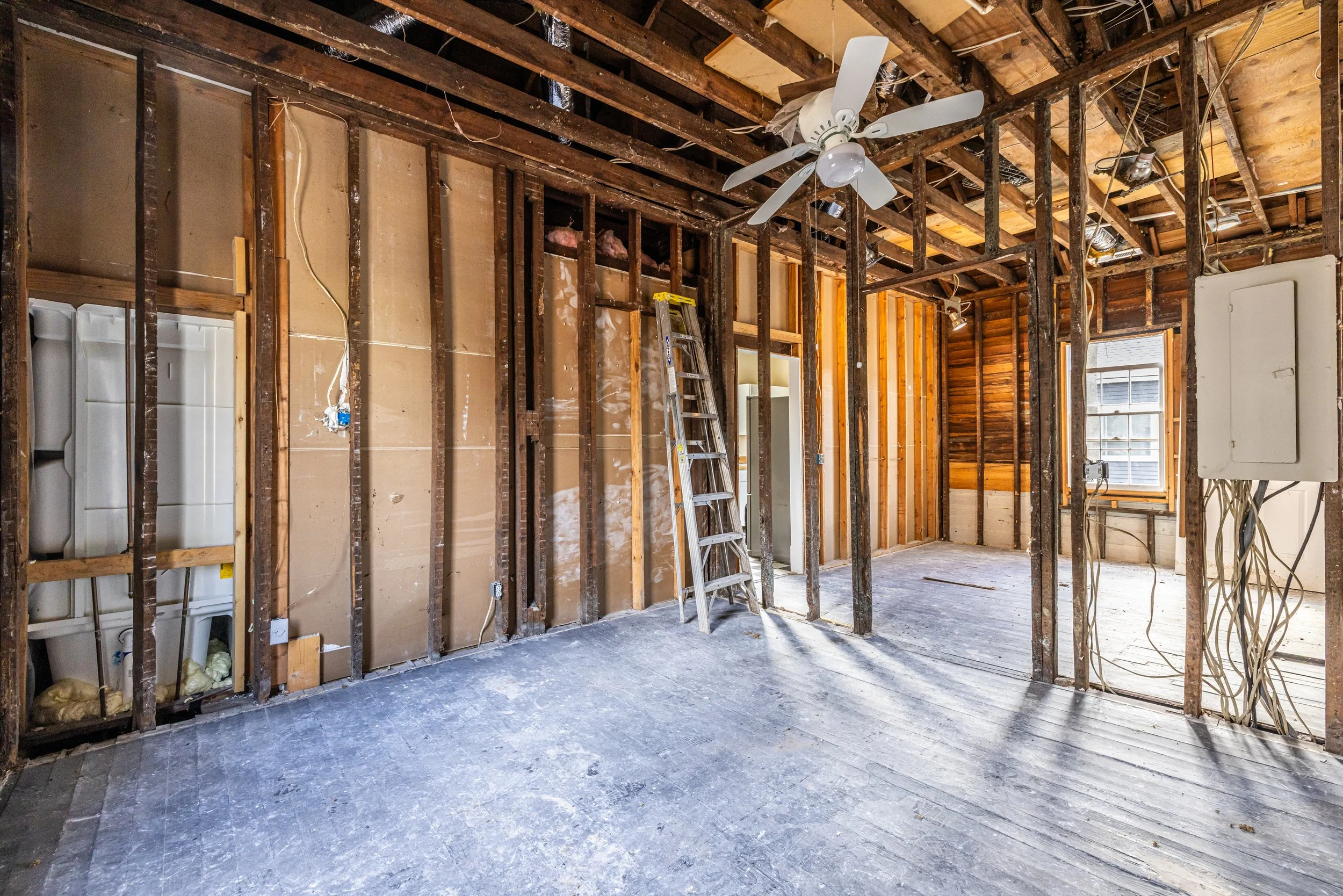
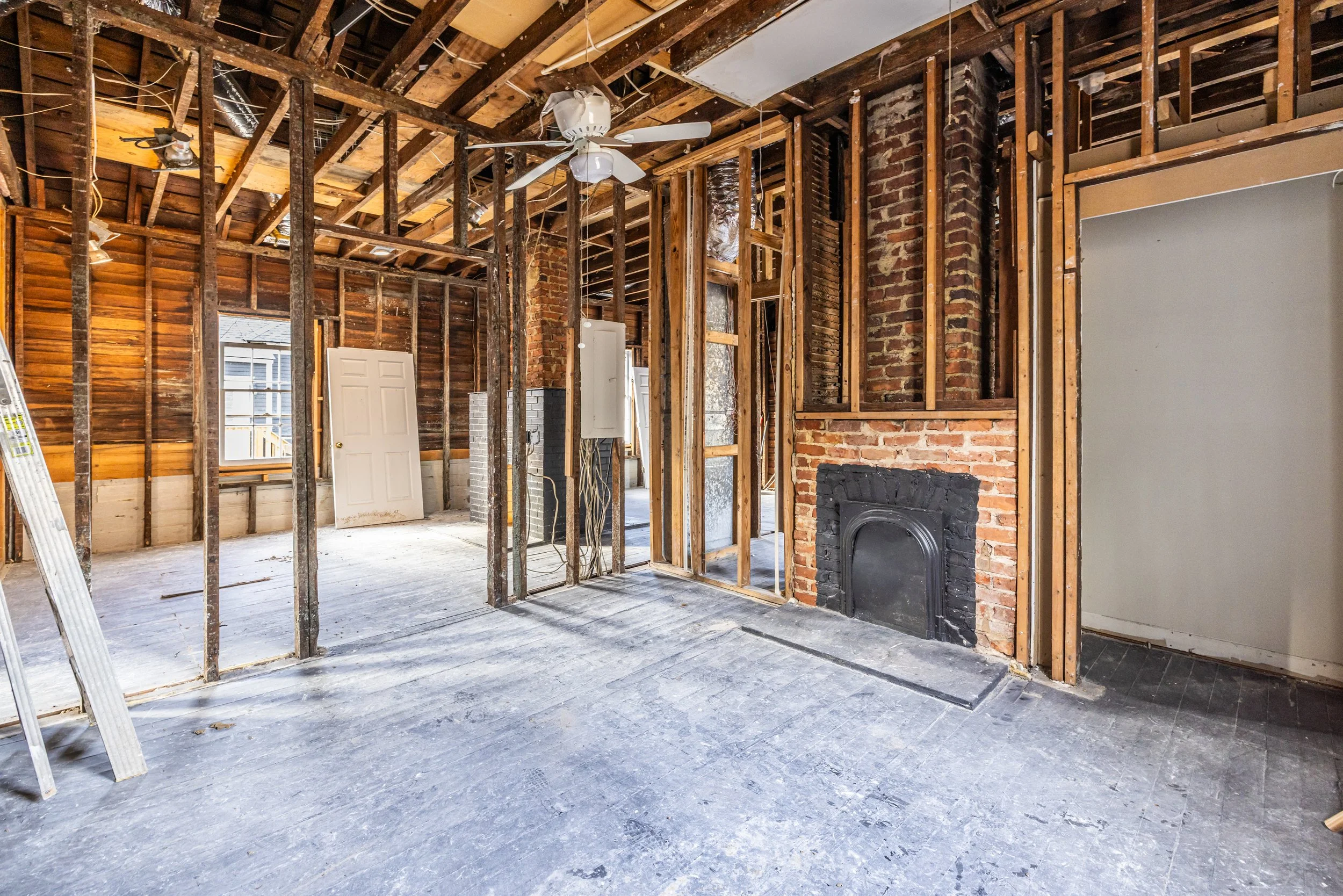
PROBLEM: A deep freeze and resulting water damage left a former Grant Park rental partially gutted to the studs, leaving the seller with an unexpected renovation project he didn’t want to take on.
RECOMMENDATIONS: Skip the time and expense of rebuilding and sell as-is, using an aggressive $250,000 price to turn the home’s condition and location into an opportunity buyers couldn’t ignore.
ACTION: Listed the two-bedroom historic home exactly as it stood, pricing it low enough to generate immediate attention from buyers willing to take on the reconstruction themselves.
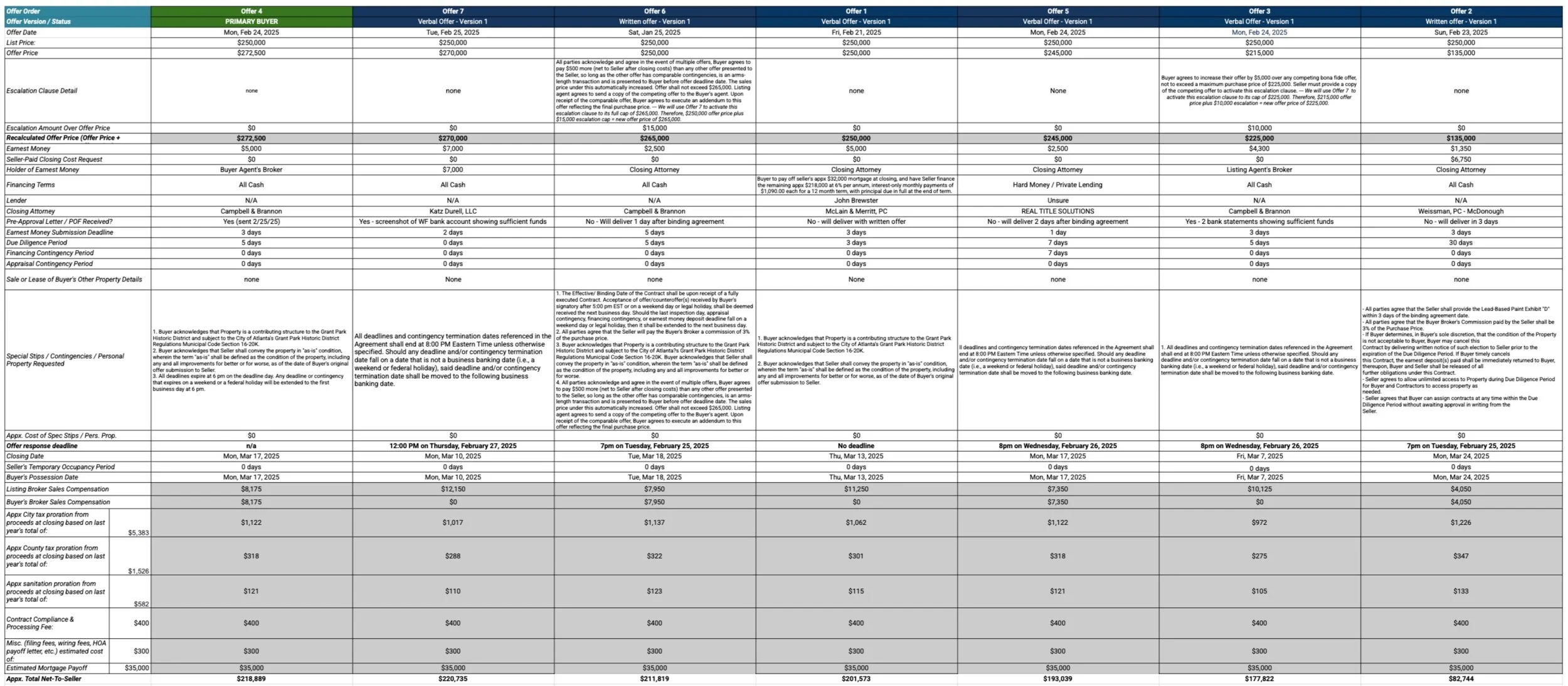
RESULTS: Showing requests poured in immediately, generating seven offers the first weekend and a $272,500 sale price, $22,500 above asking.
CONCLUSION: Not every damaged home needs to be rebuilt before selling. The right pricing strategy turned an unwanted renovation project into immediate competition and a strong result for the seller.
A $250,000 House in the Heart of Grant Park
Every once in a while, a property comes along where the story isn’t really about the house in its current condition. It’s about the opportunity.
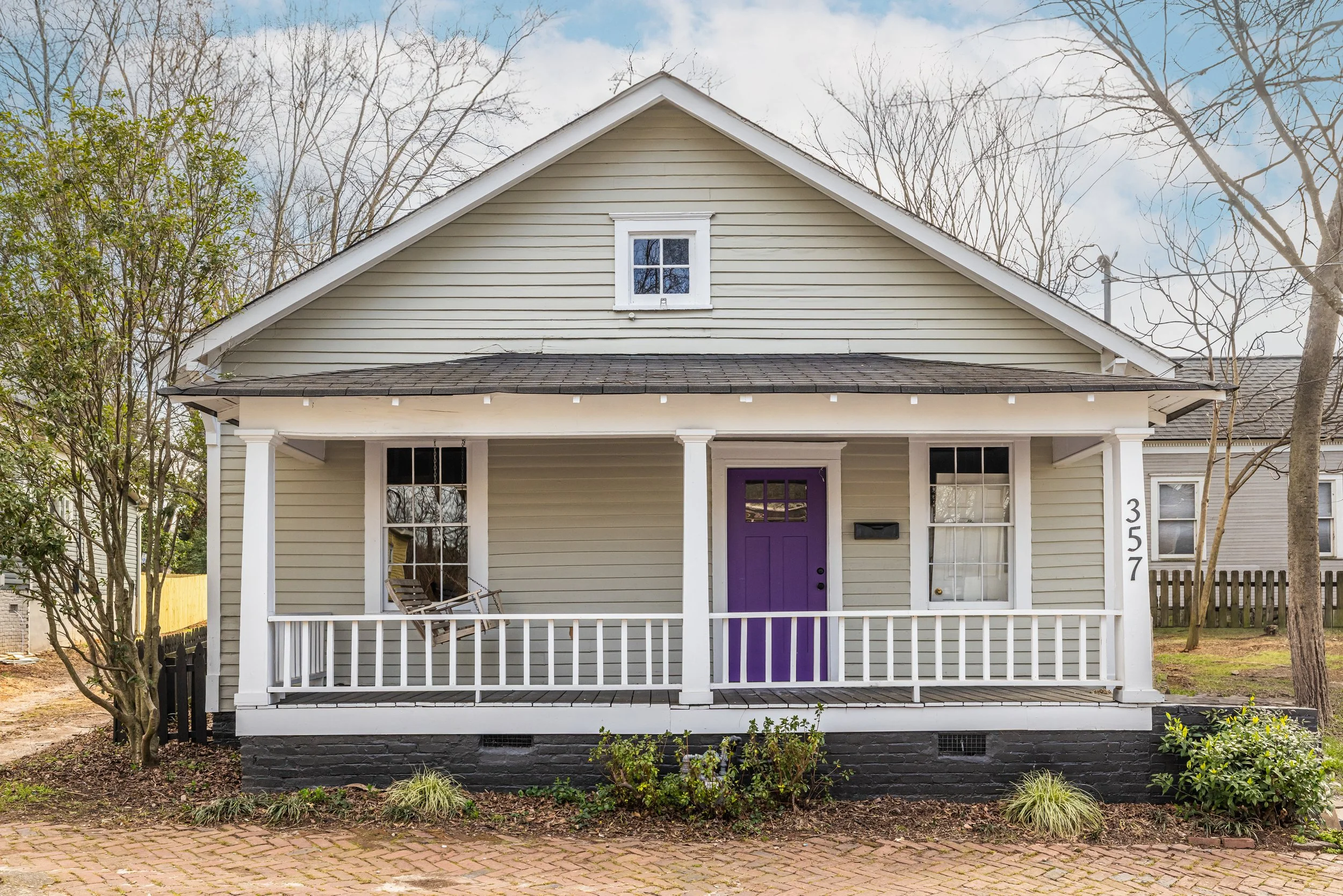
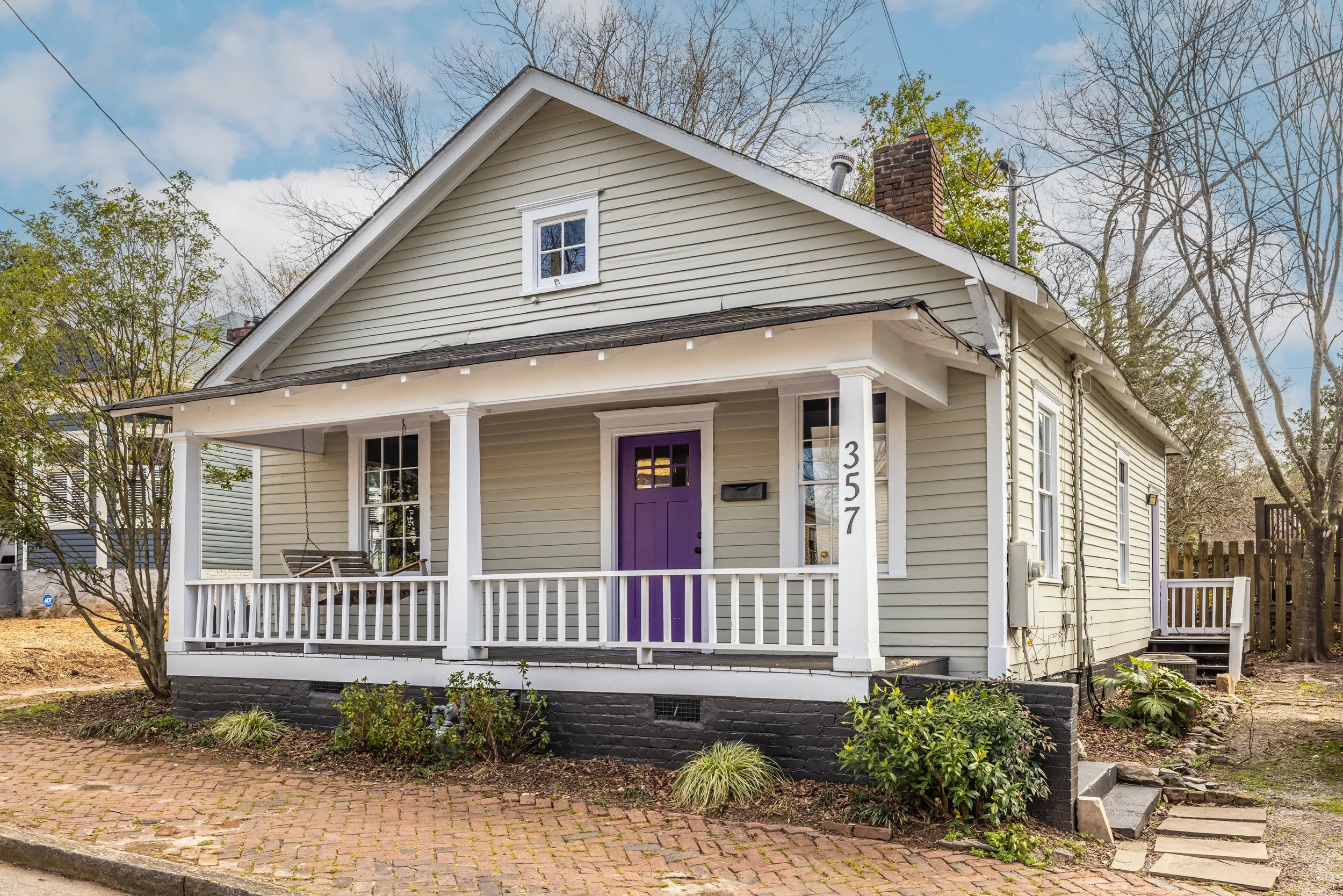
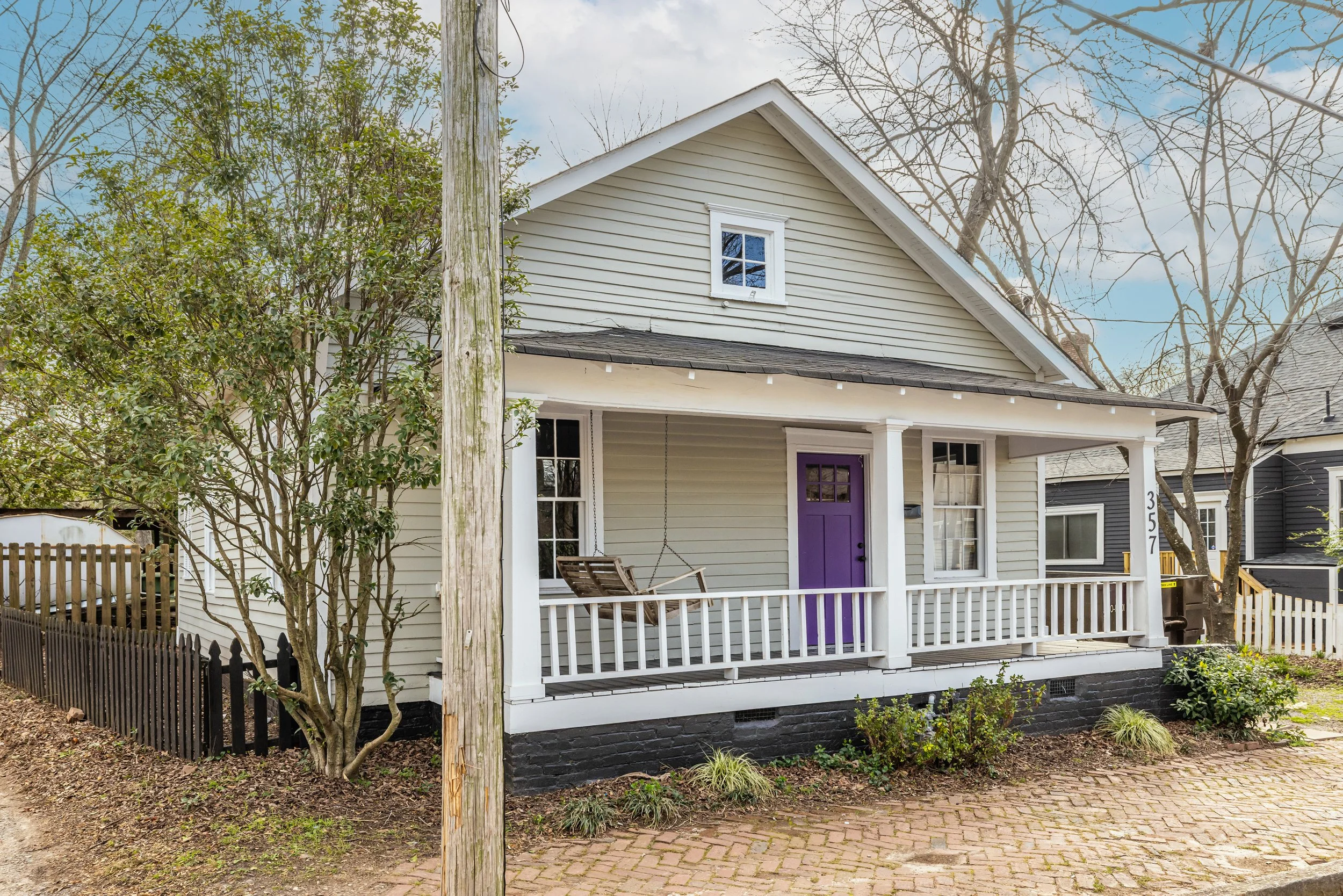
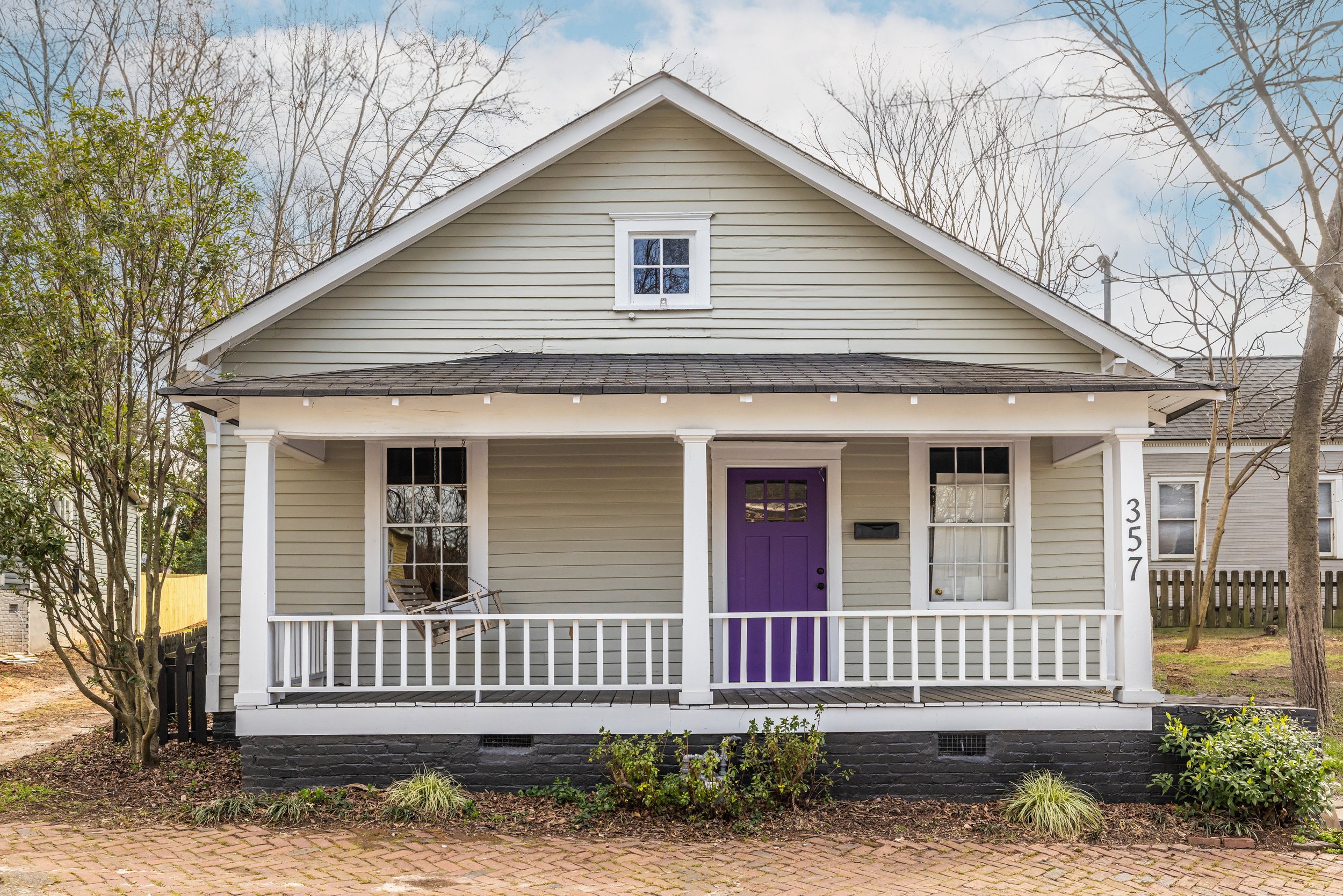
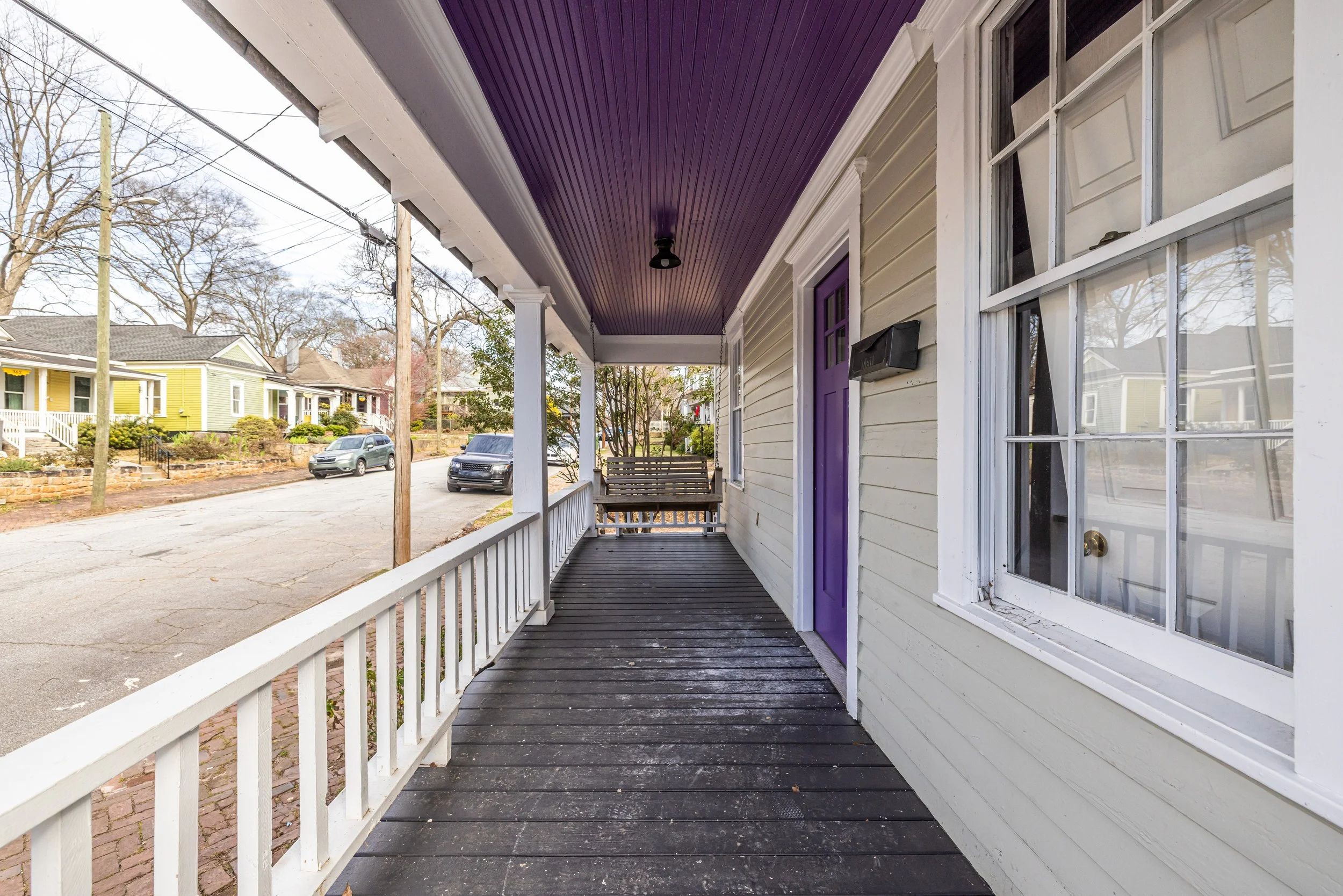
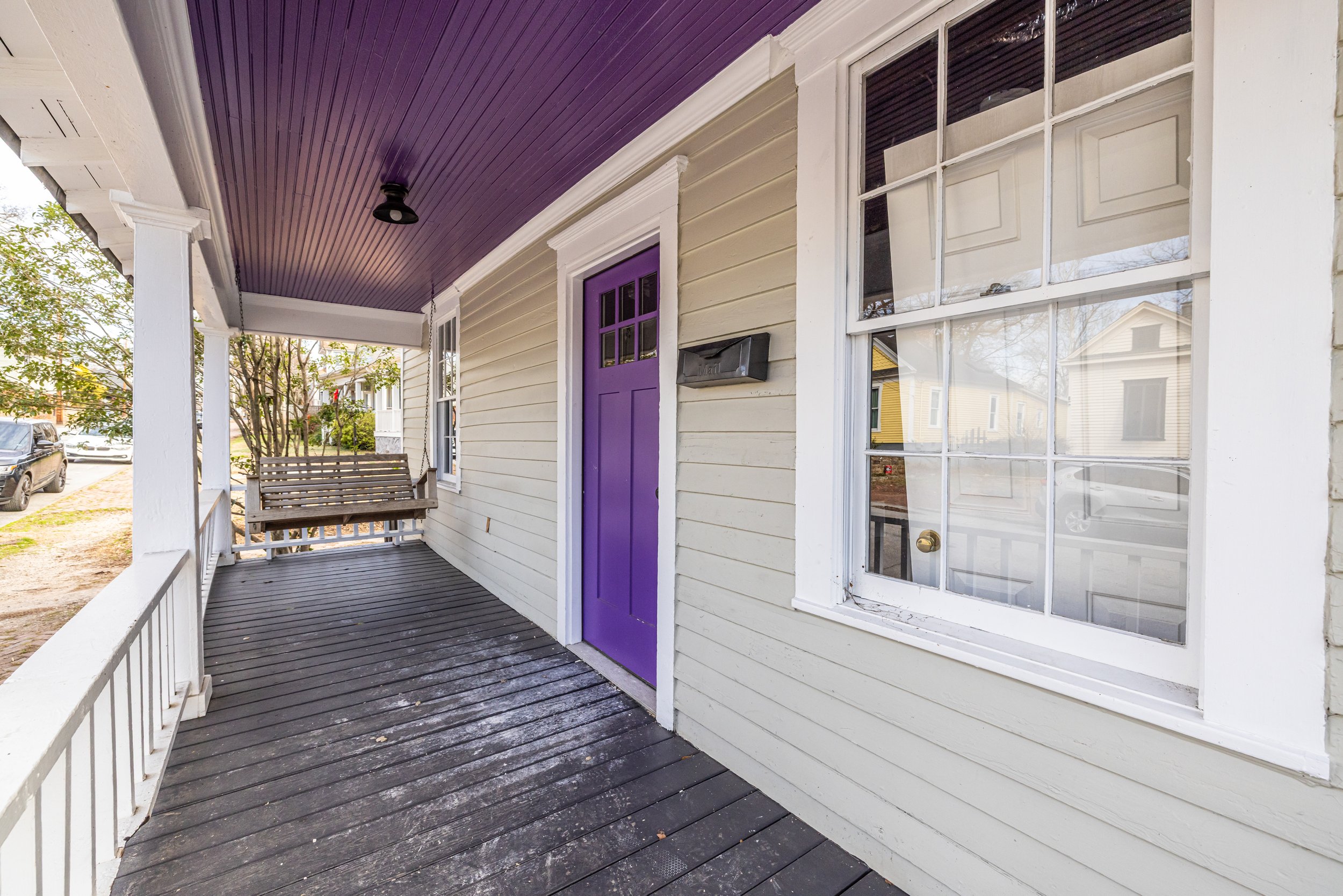
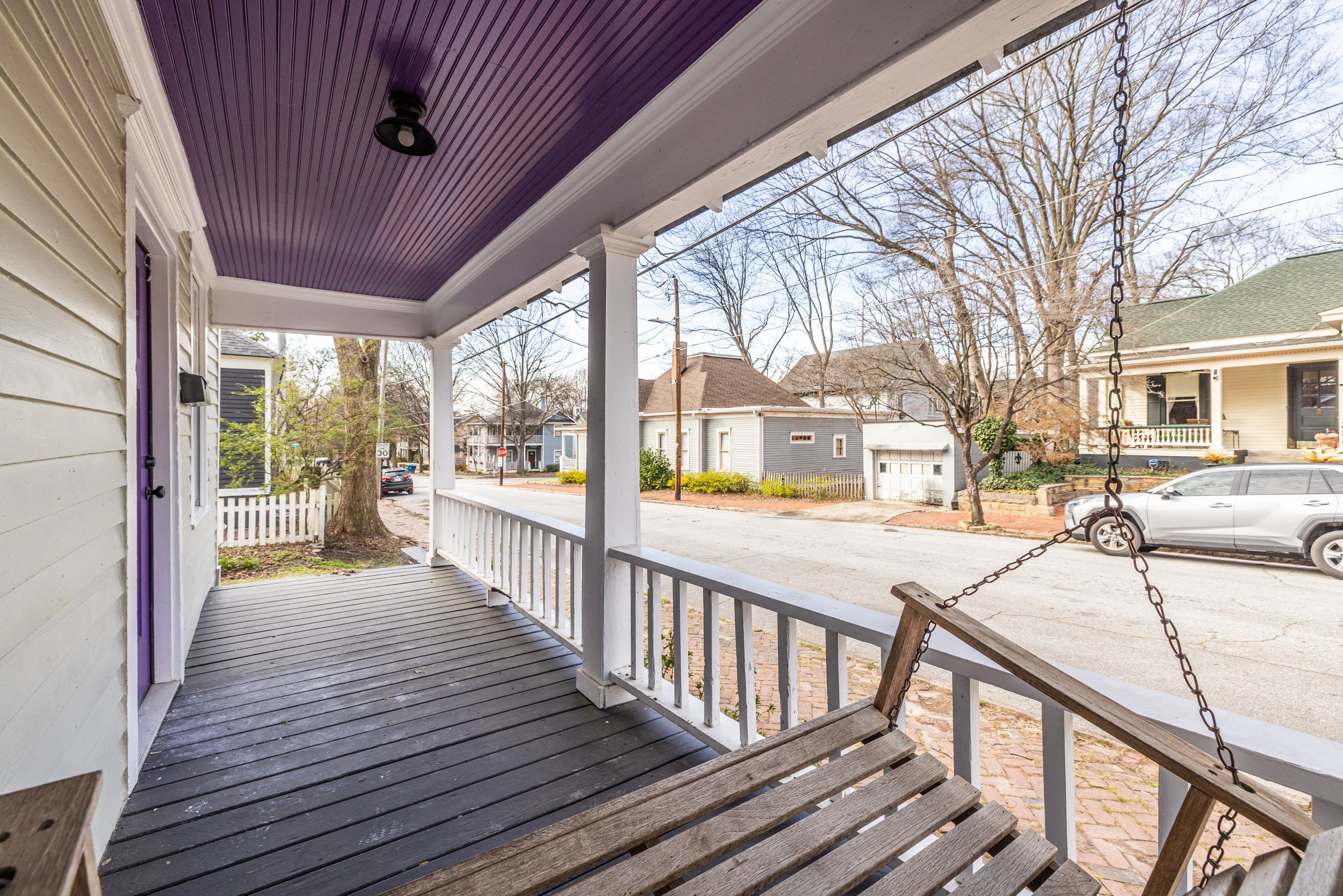
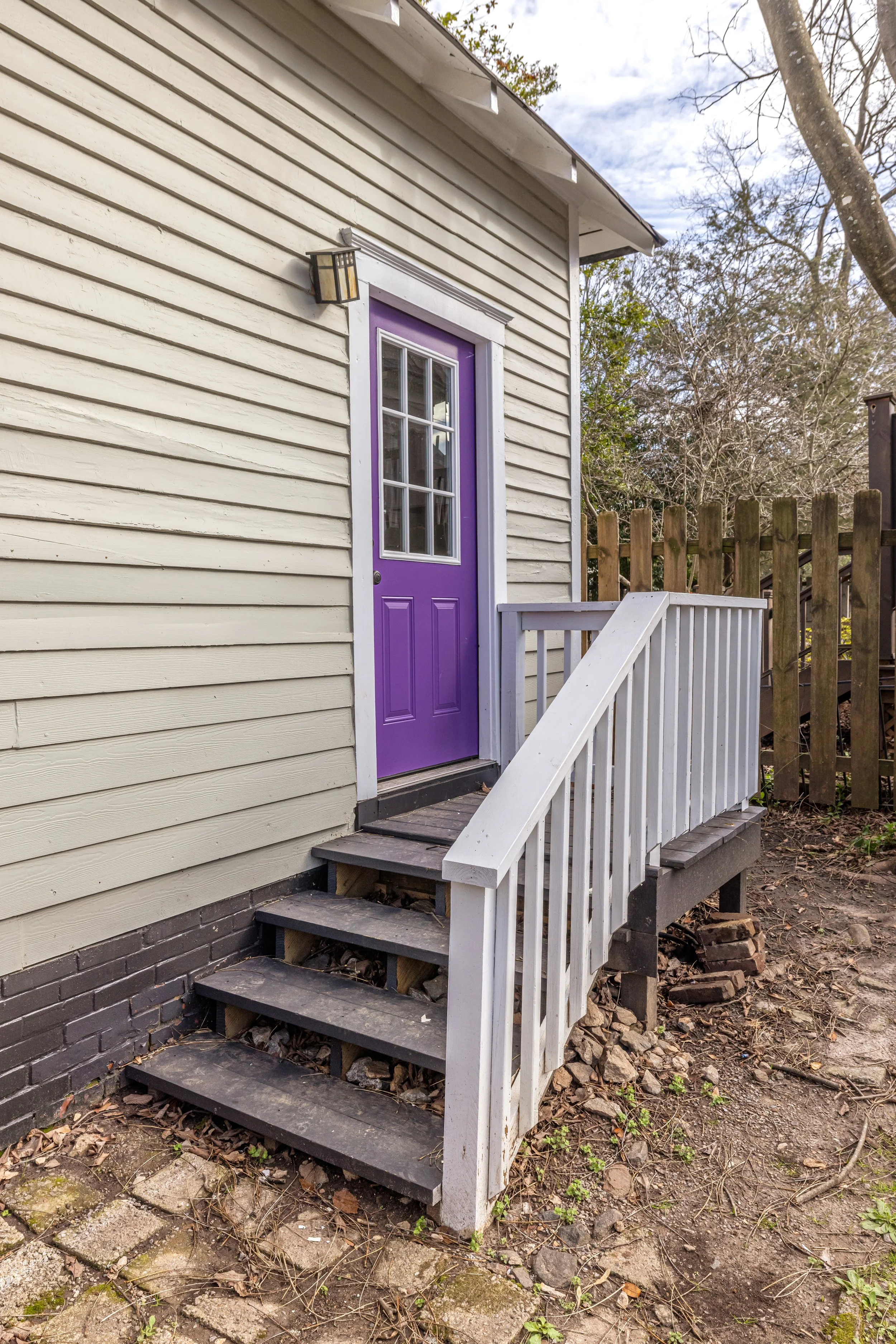
This two-bedroom, one-bathroom home sat in the heart of Grant Park, where finding a single-family home at a $250,000 asking price is unusual under almost any circumstances. At that price, you could almost describe it as buying the land and getting the house for free. Of course, there was a reason for the price.
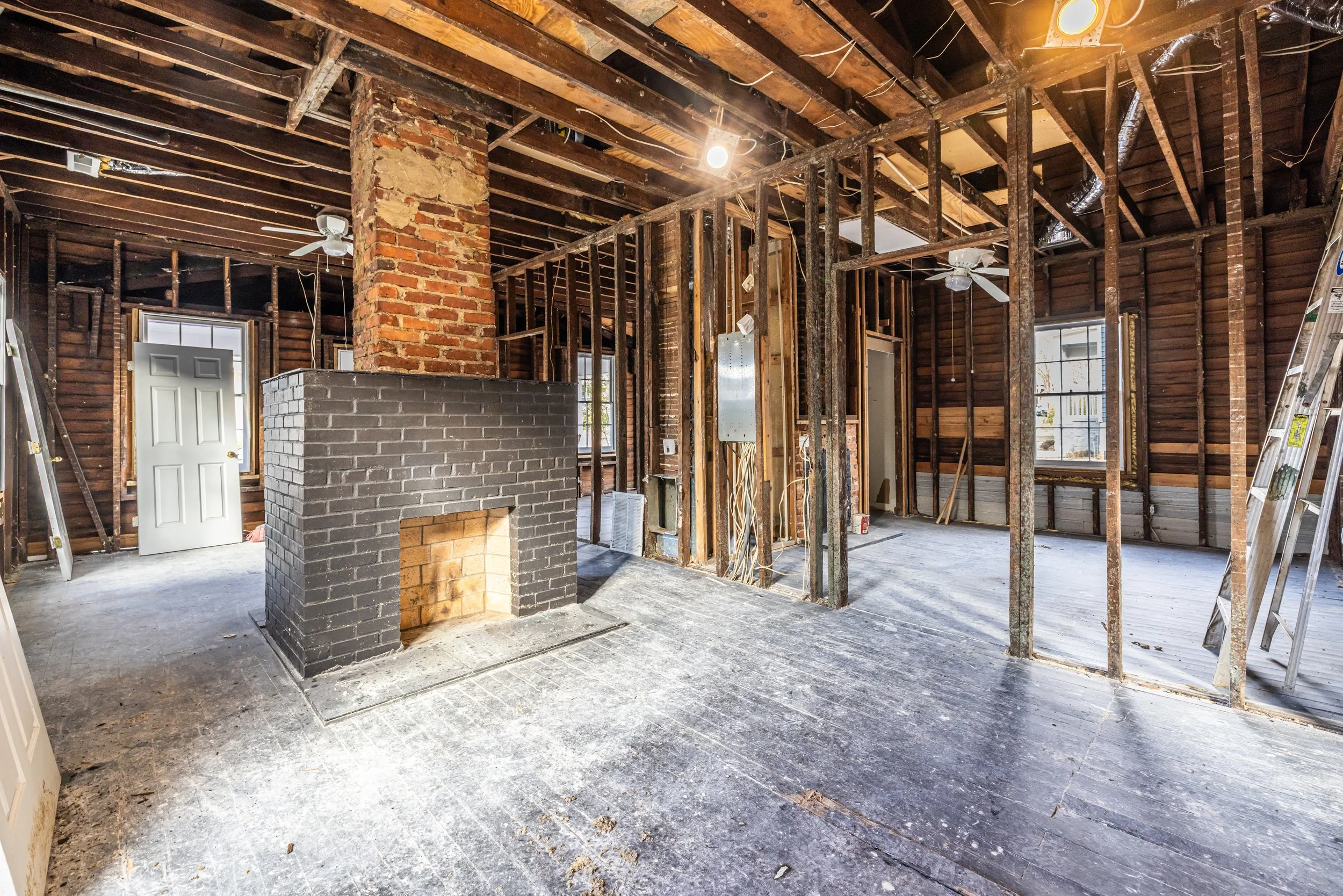
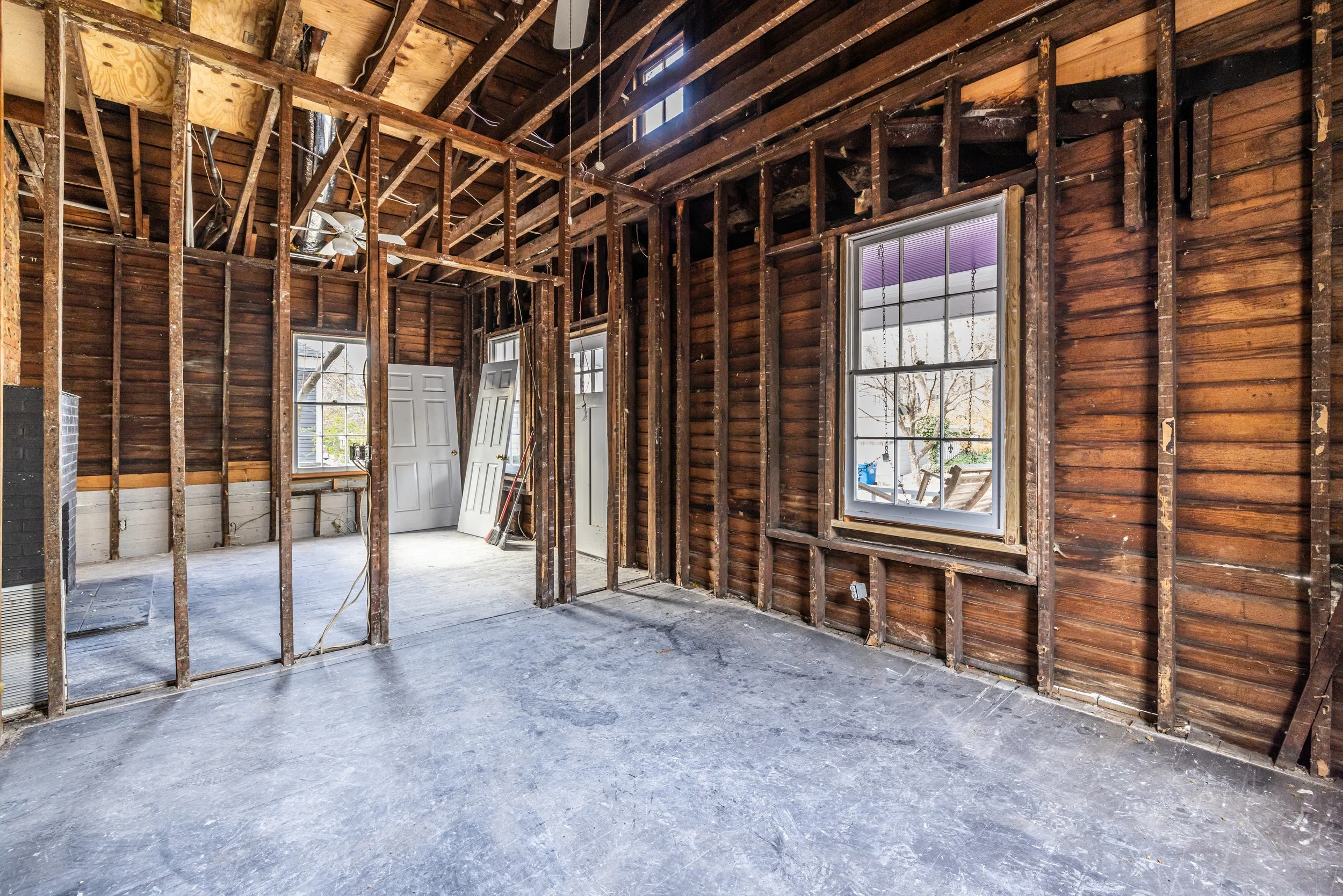
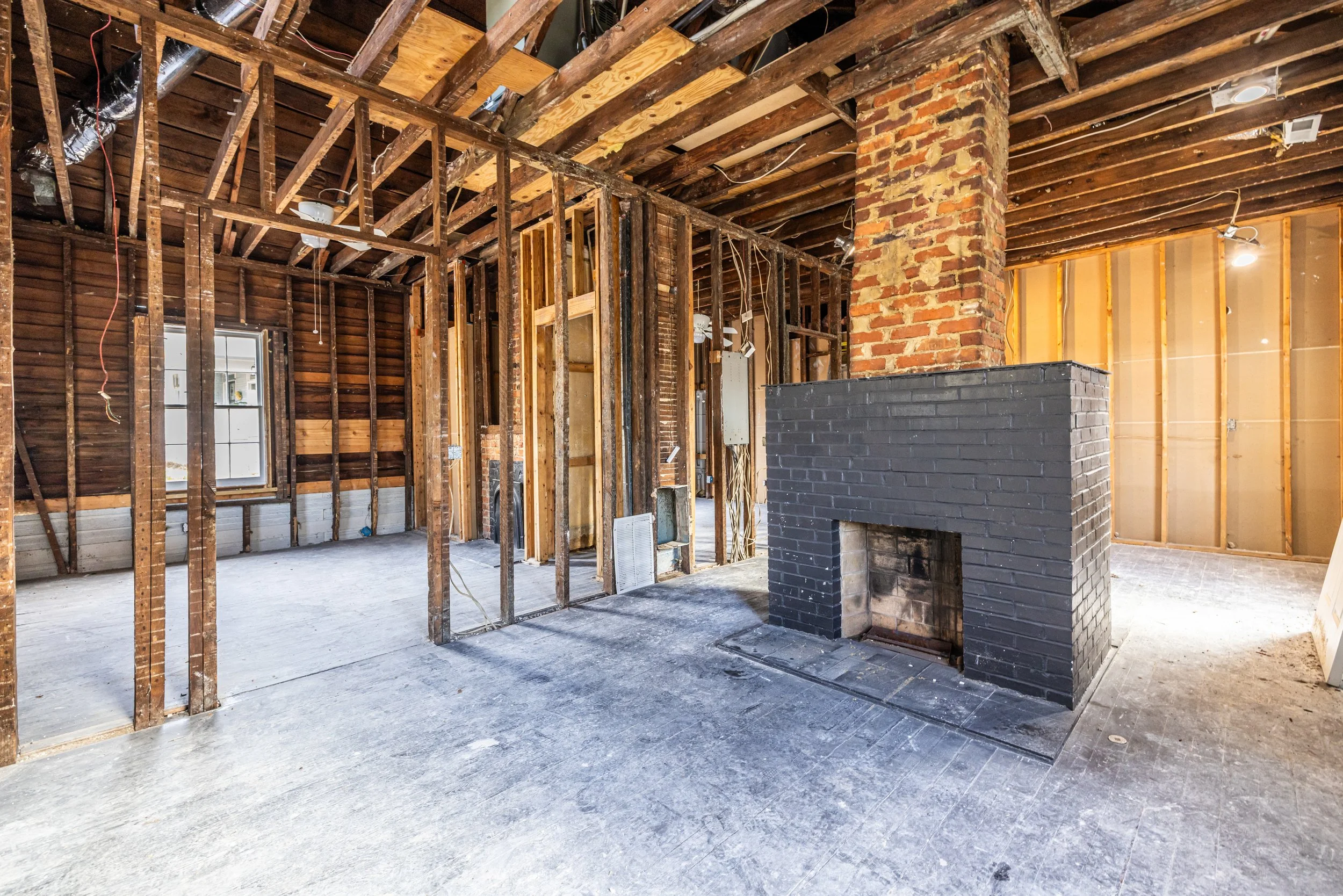
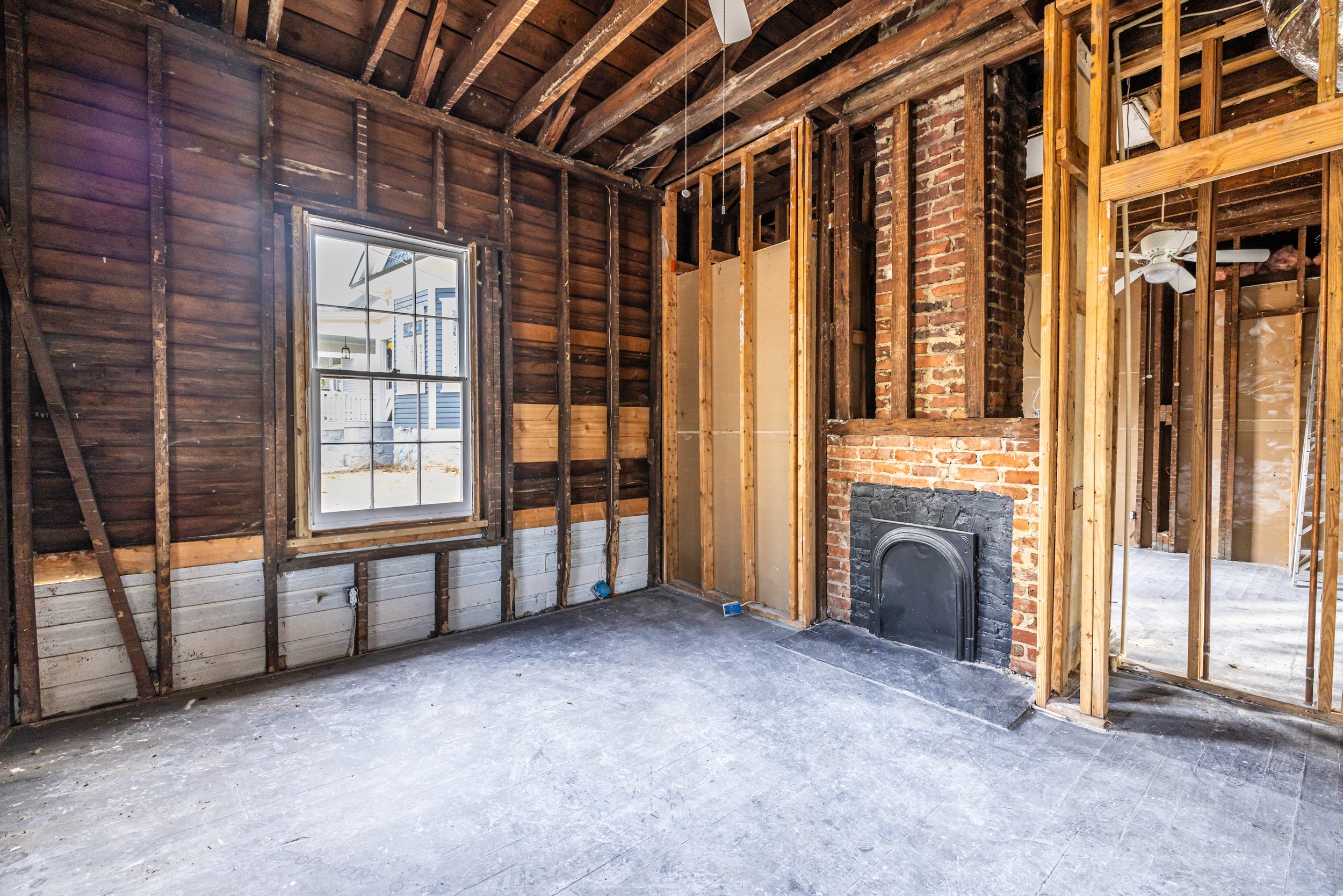
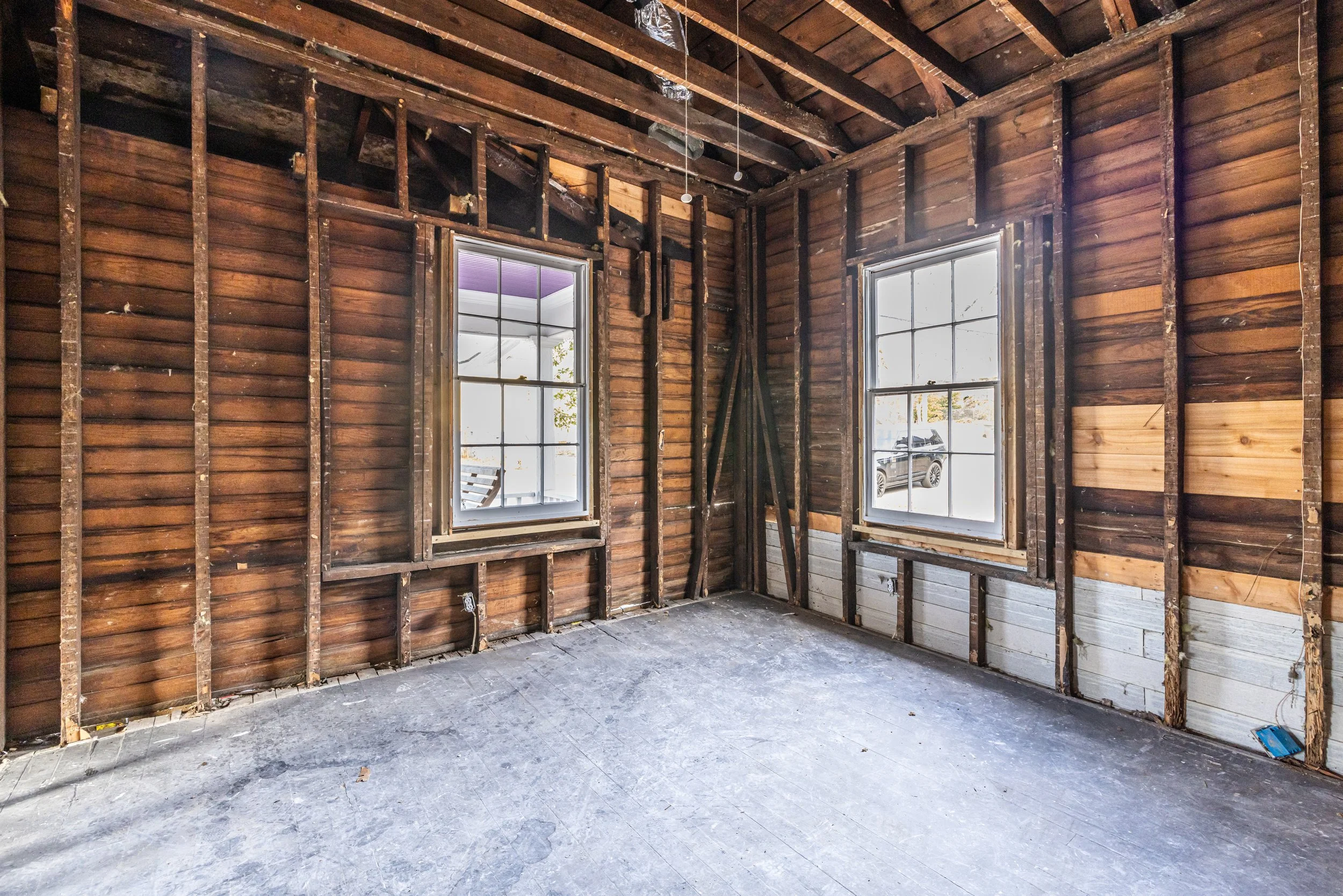
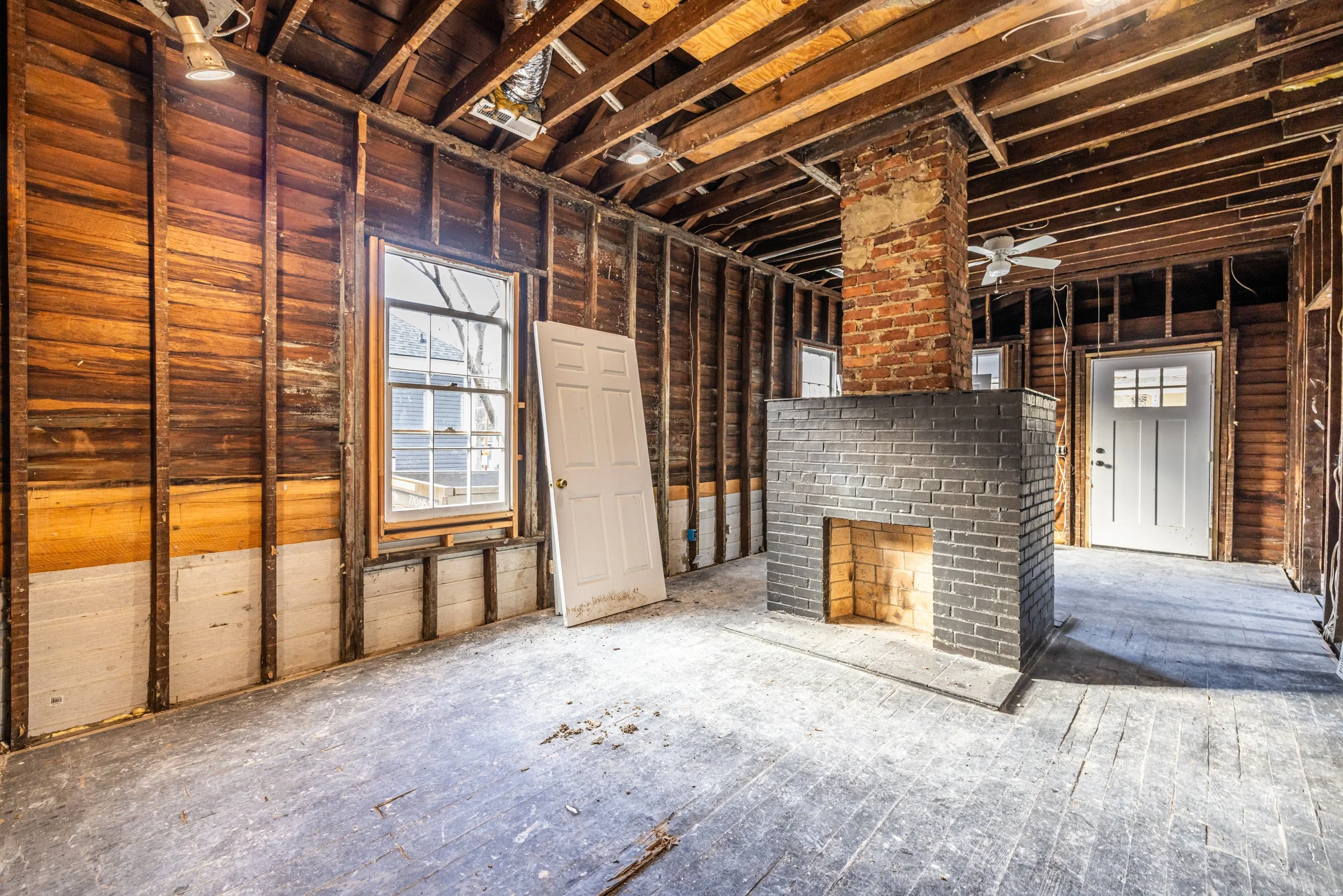
The home had previously been a rental, and just a few weeks before we listed it, the prior tenants had moved out and discontinued the electric service. During a deep winter freeze, the water lines supplying the water heater in the attic froze. The resulting water damage affected much of the living, dining and sleeping areas below.
It was an unfortunate series of events that left the owner with a decision to make about what came next.
The Damage Was Done, But So Was the Mitigation
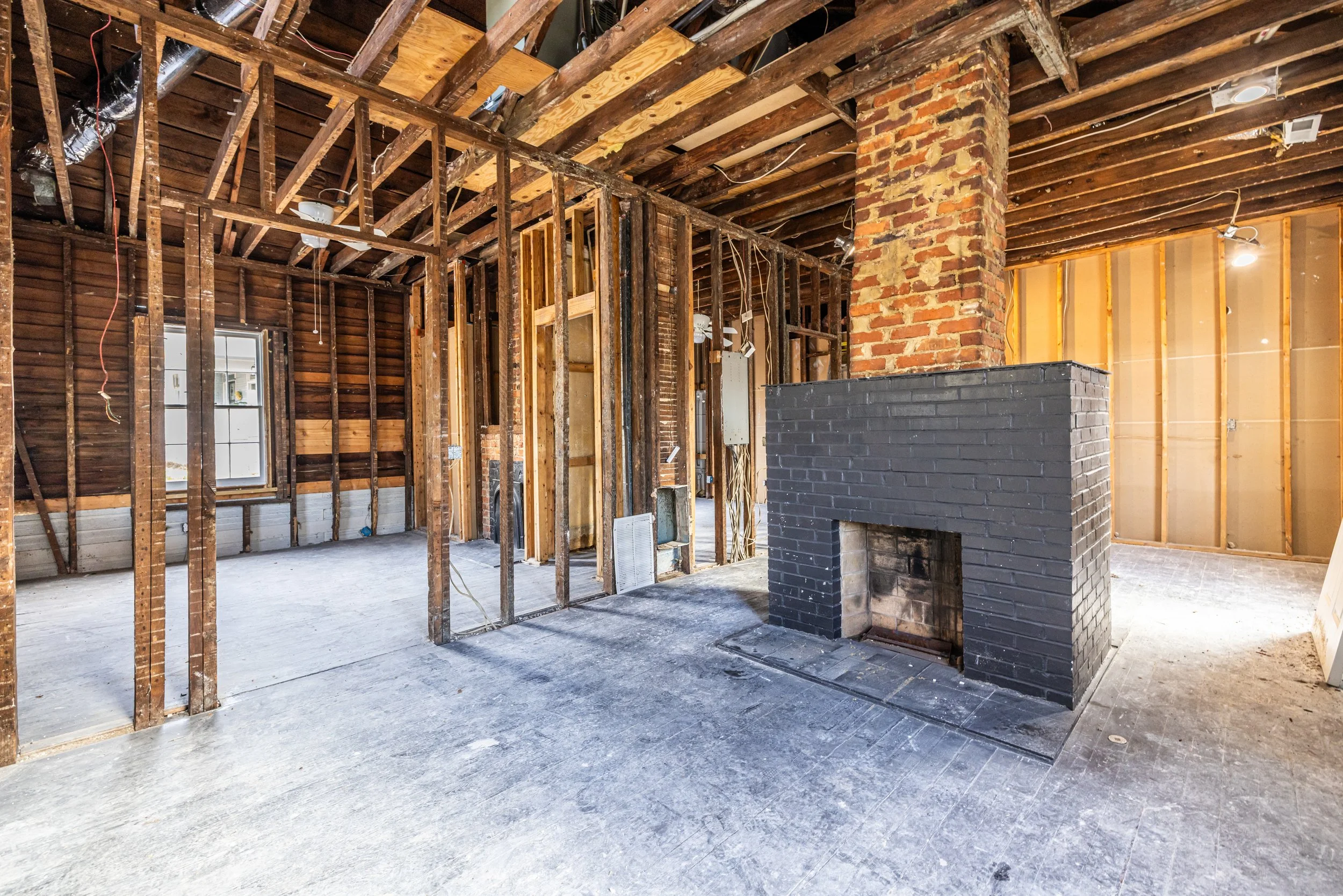
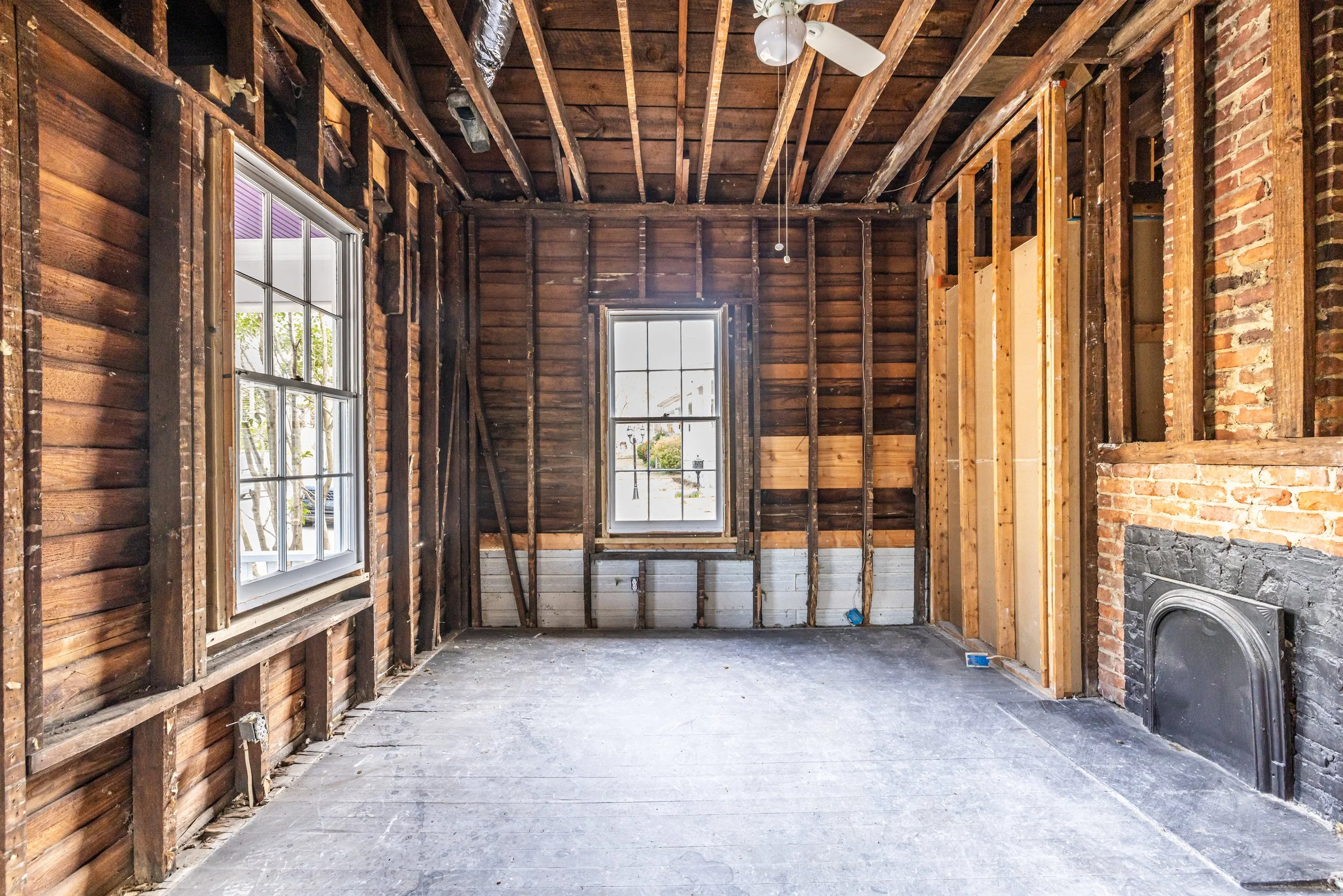
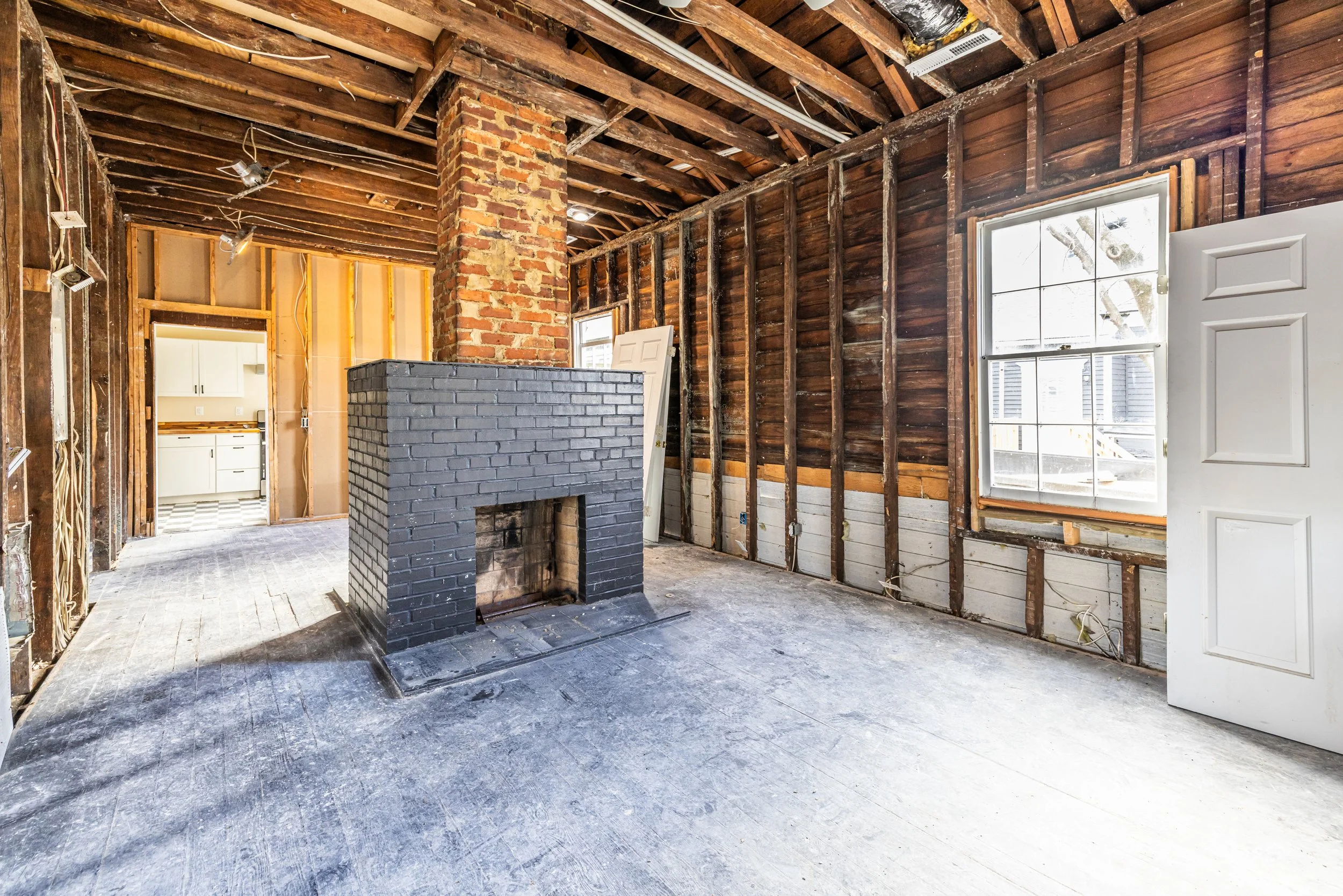
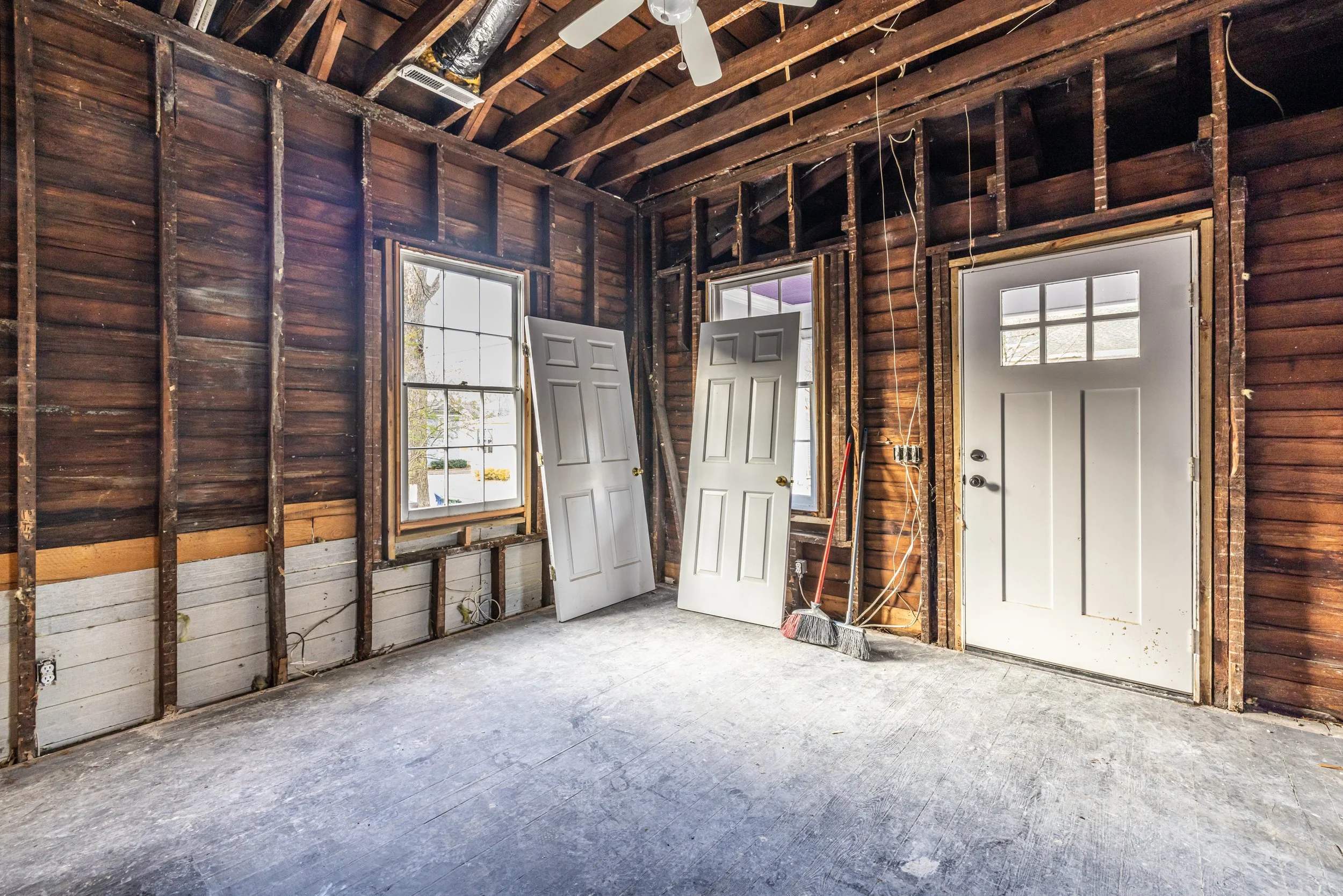
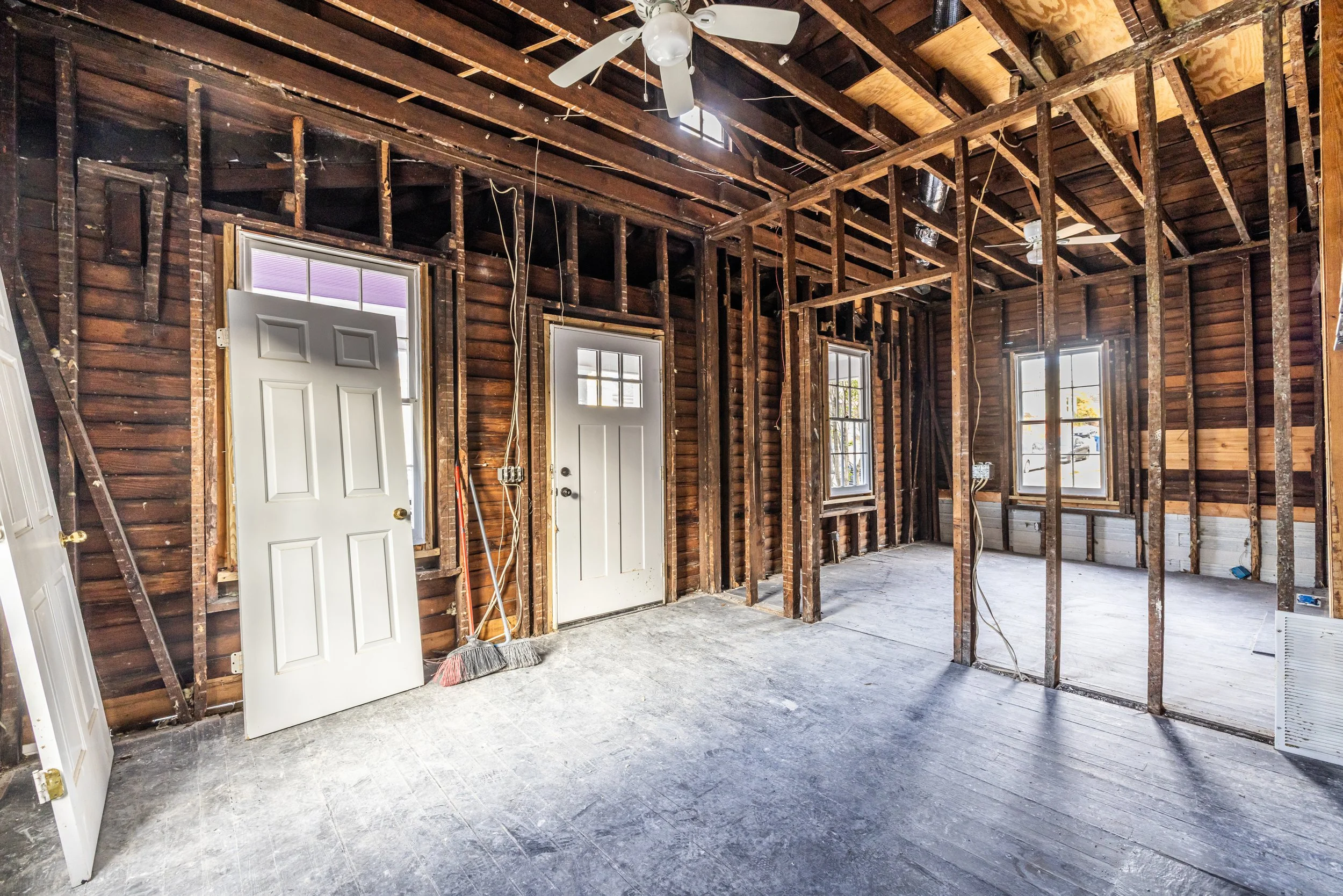
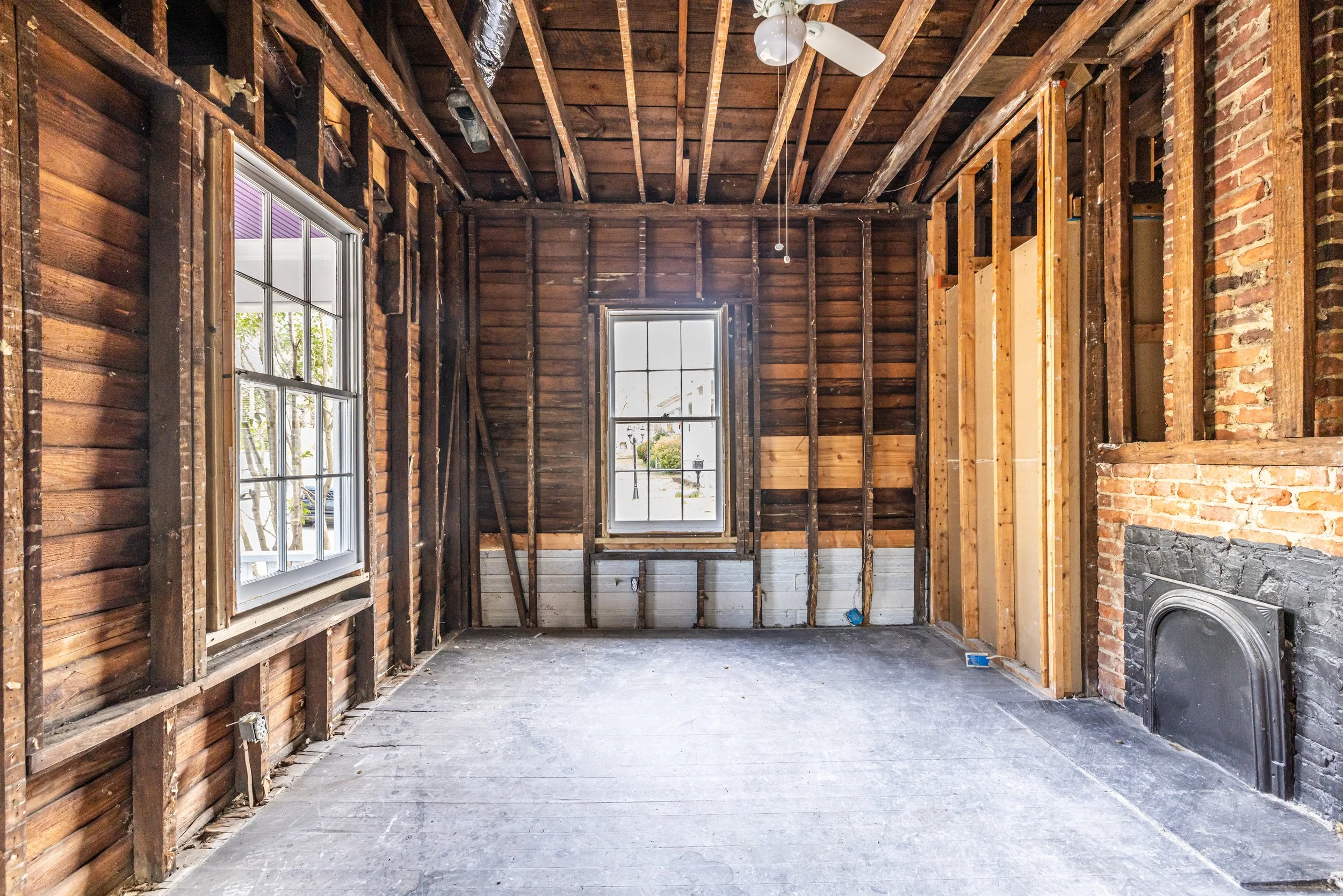
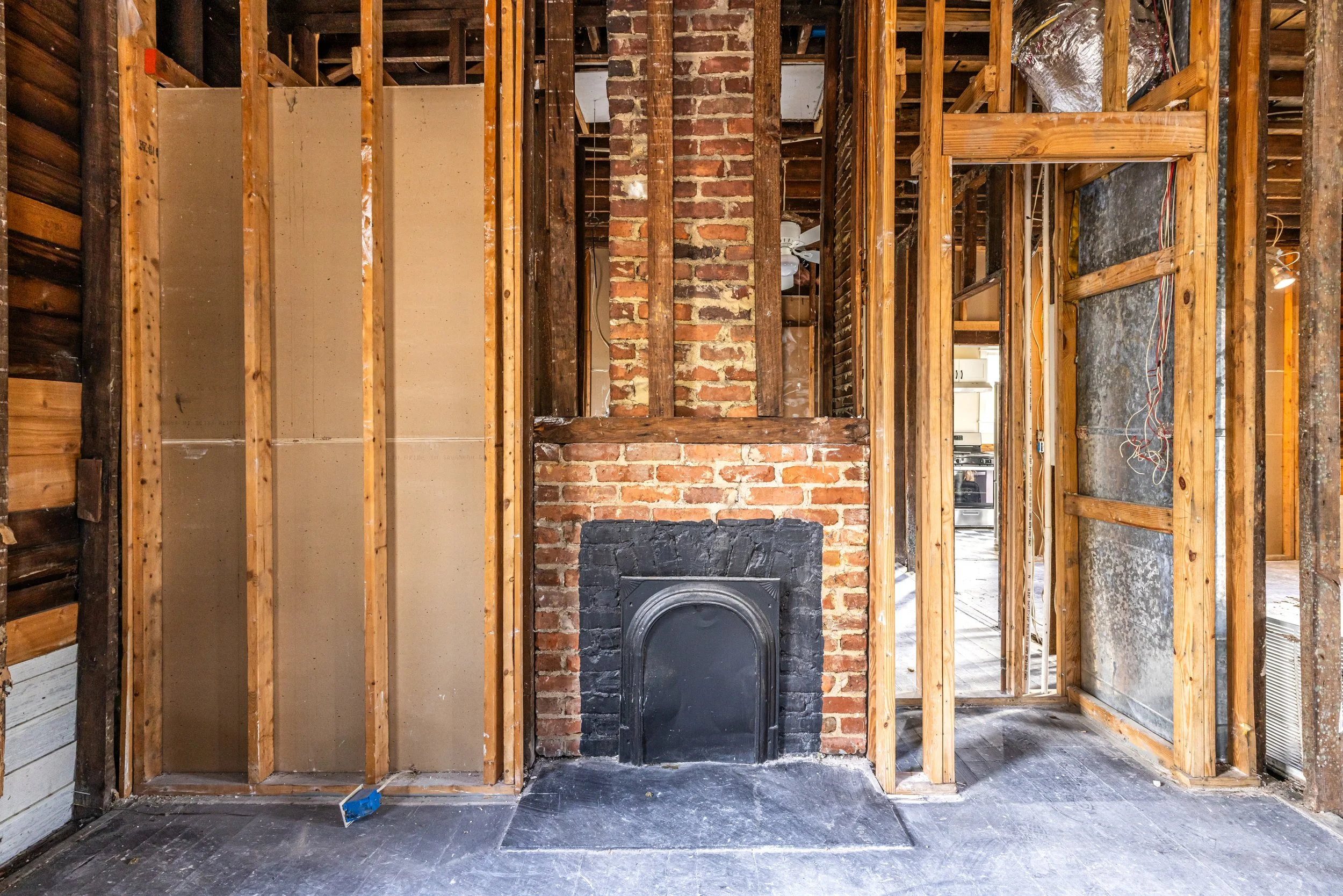
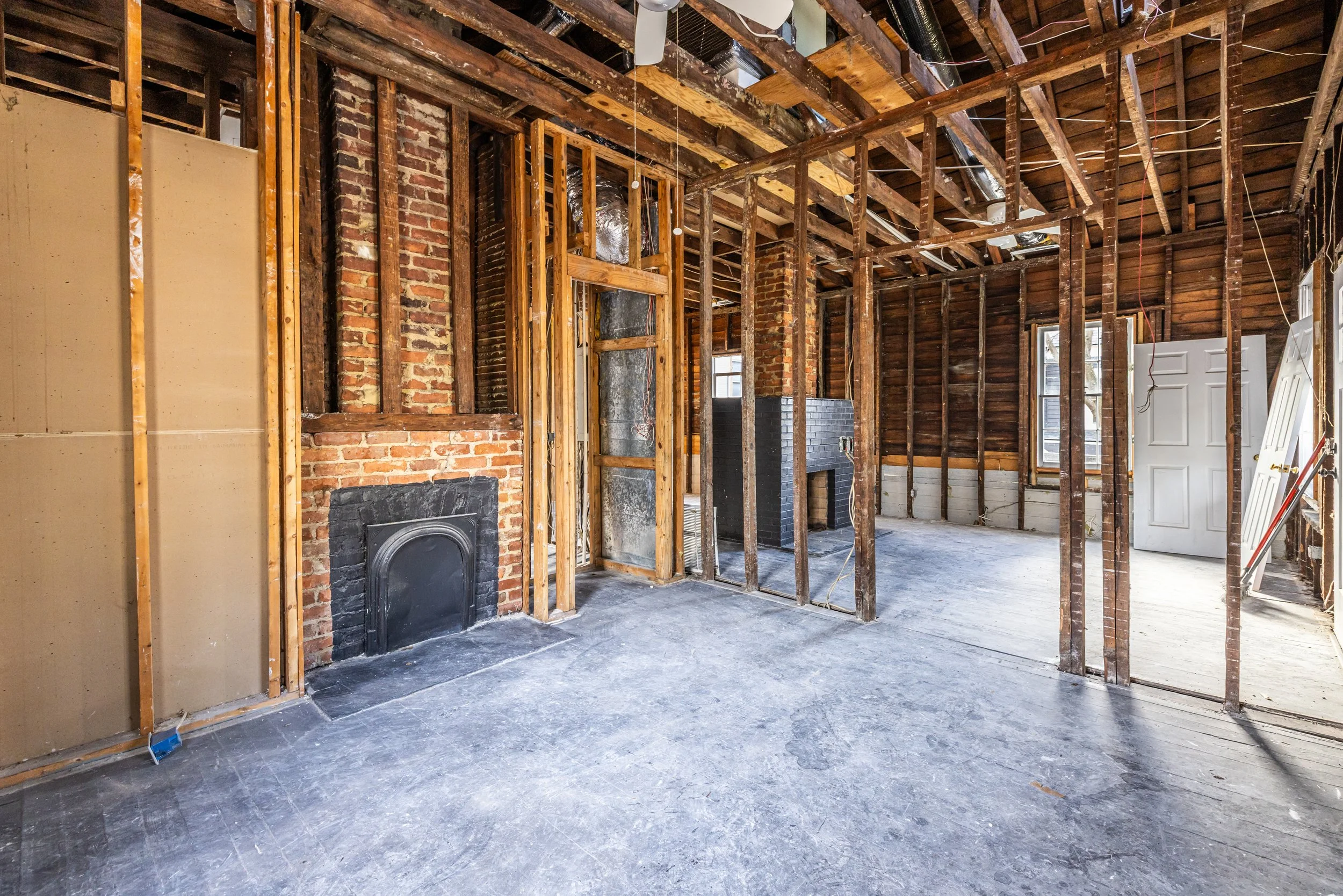
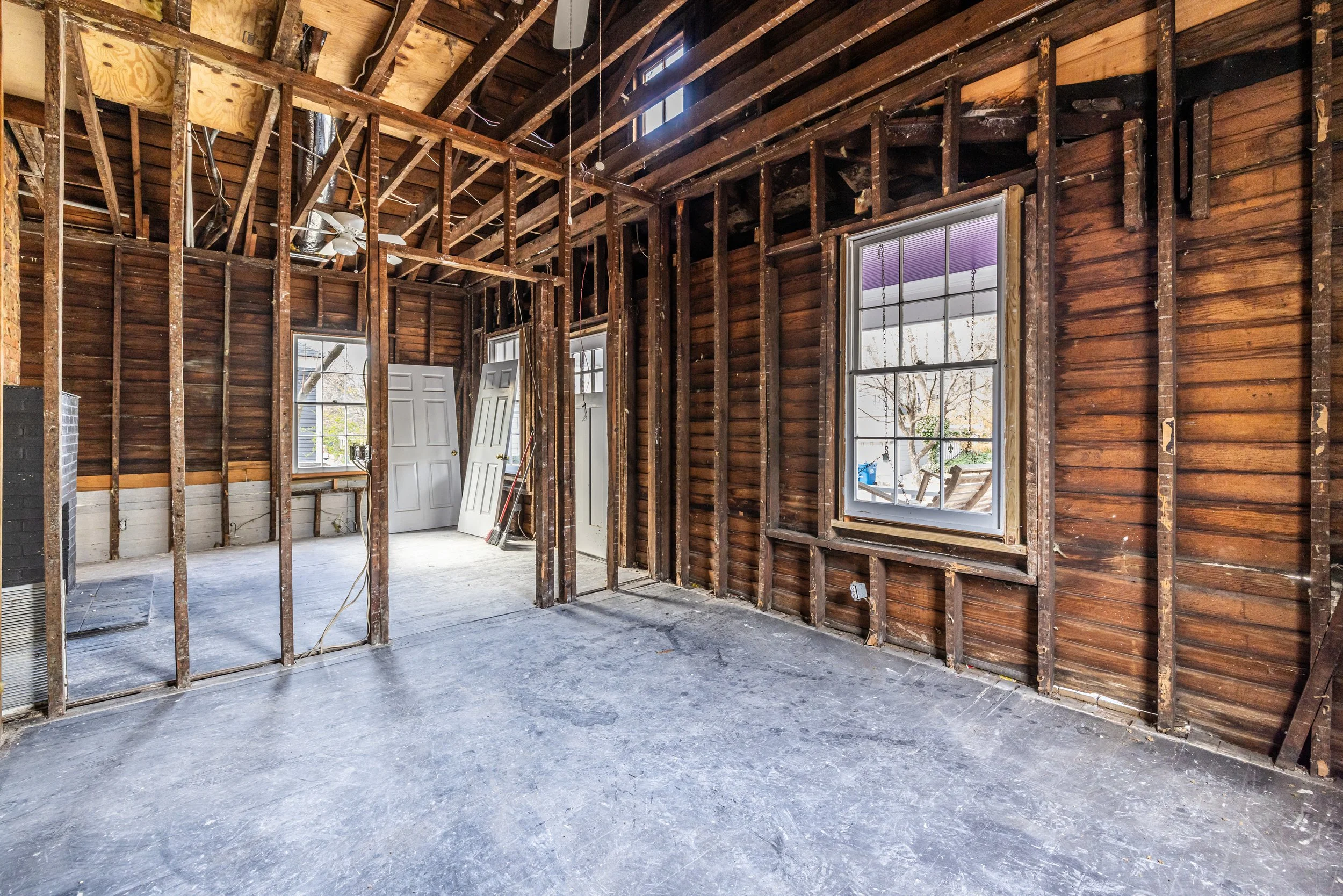
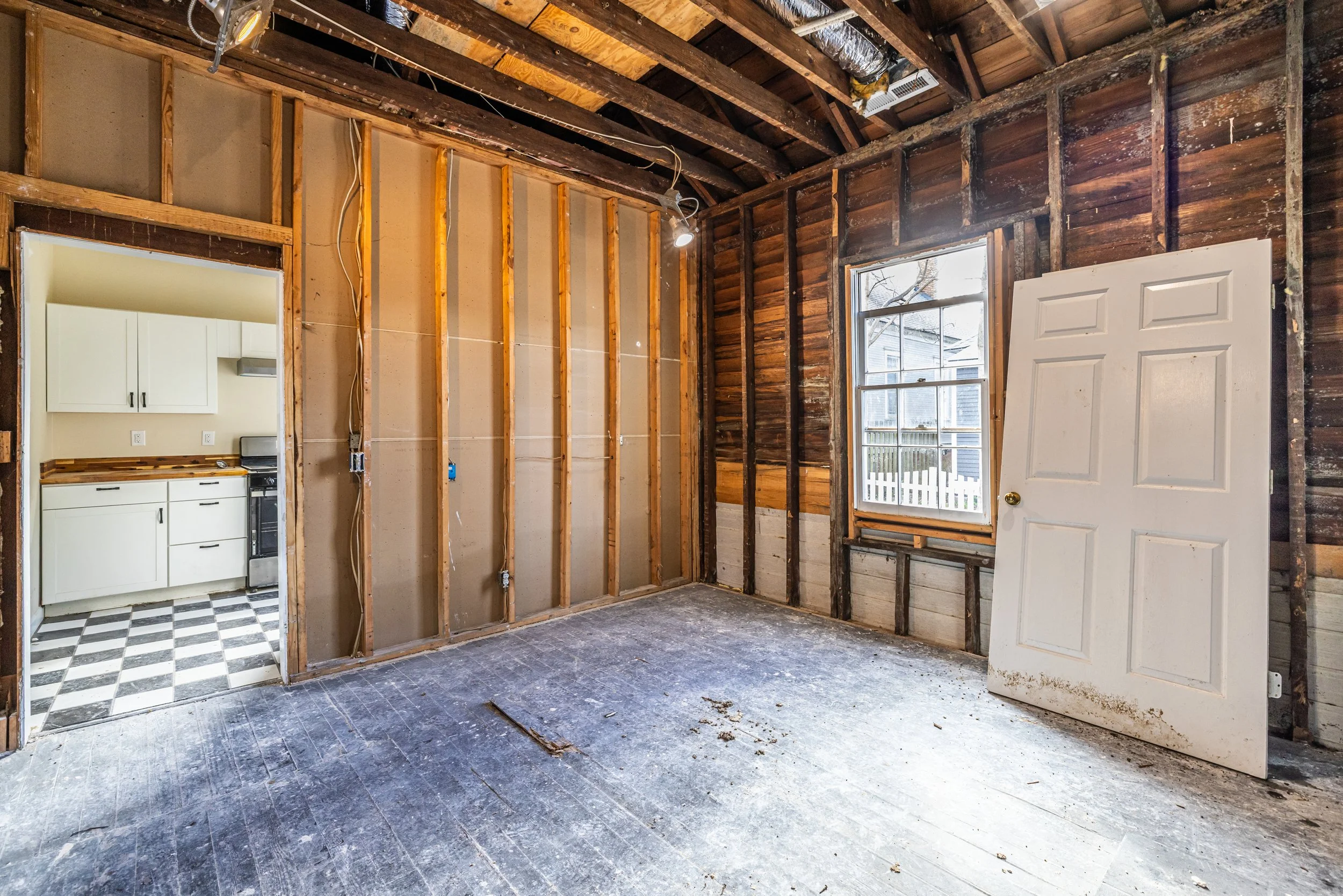
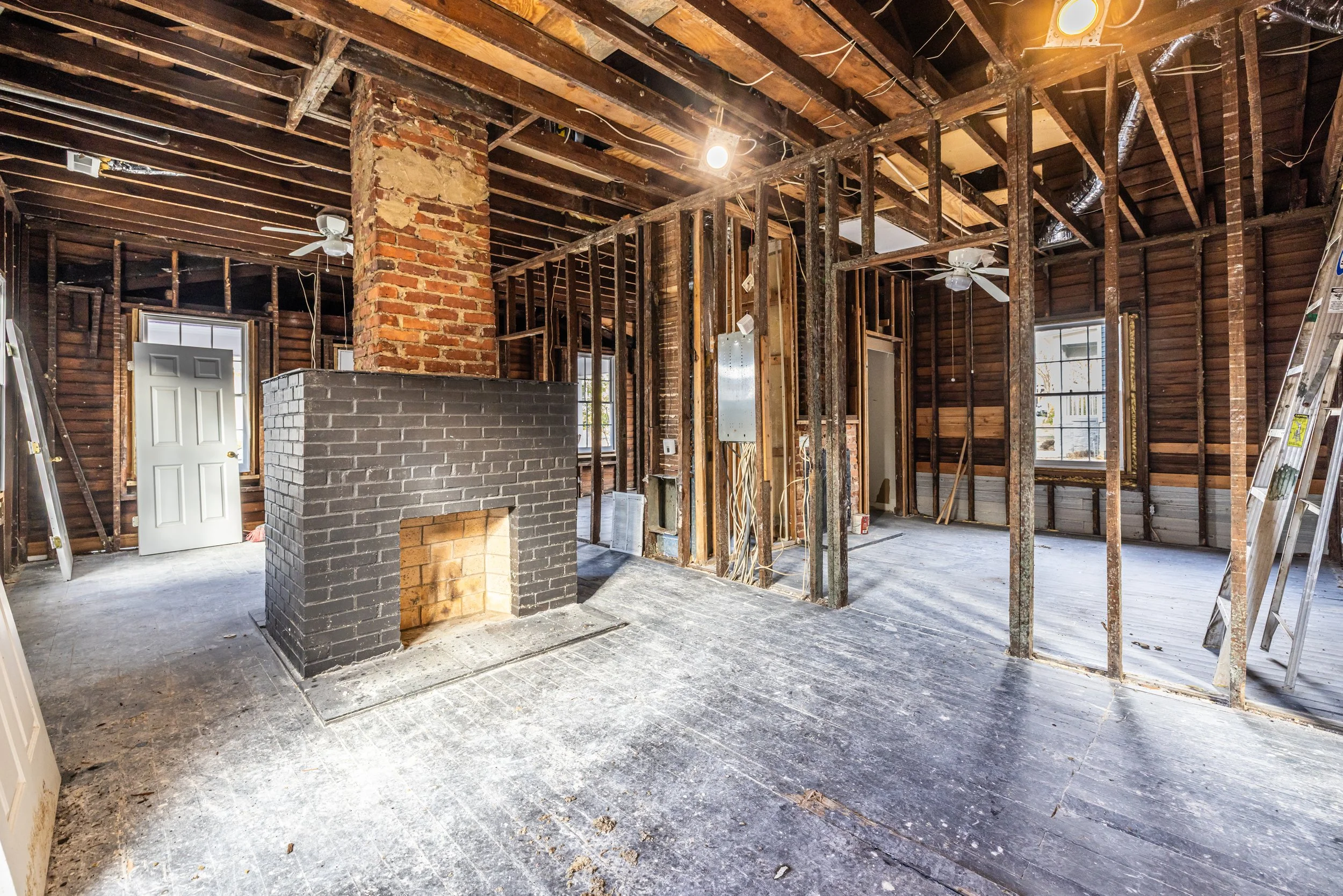
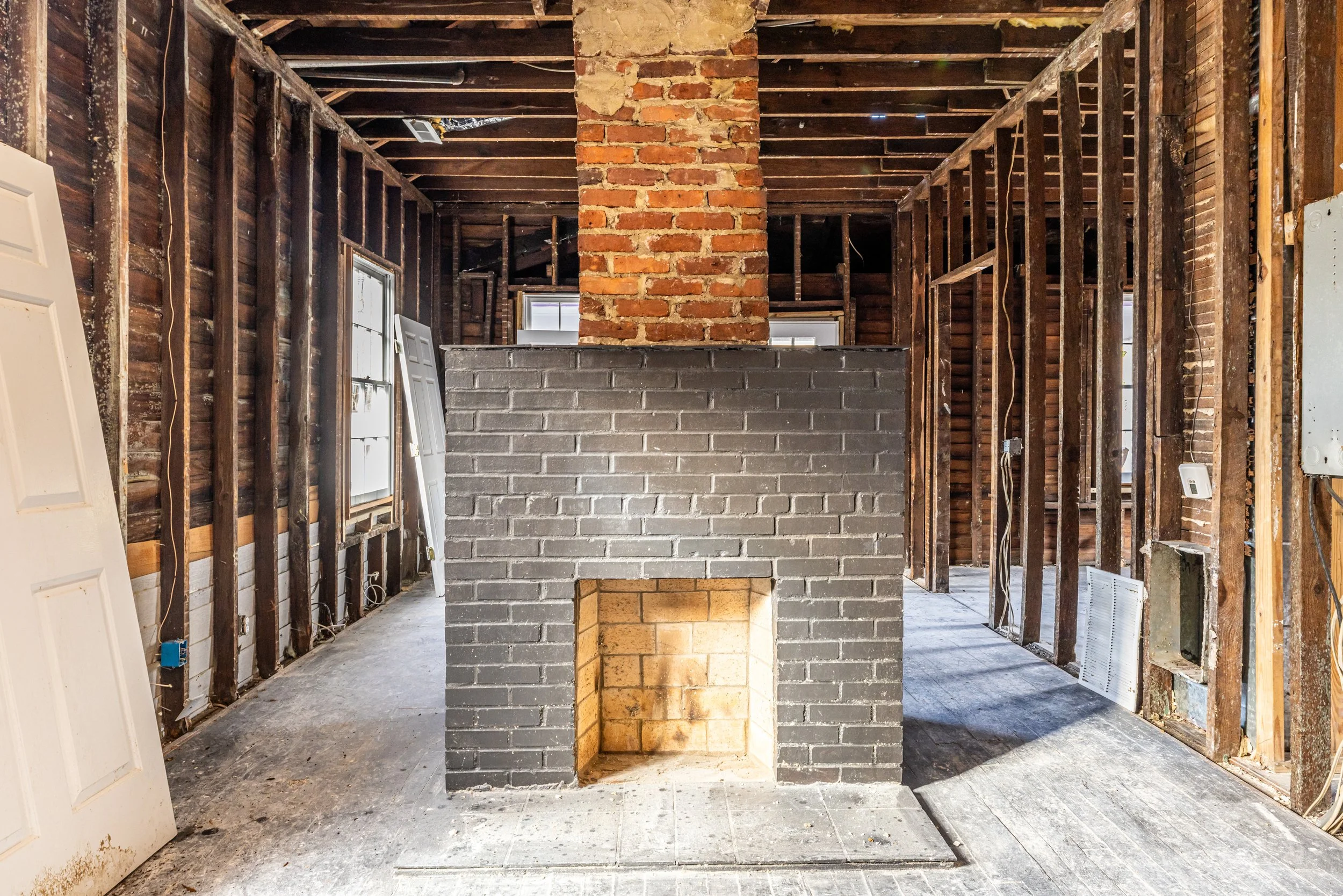
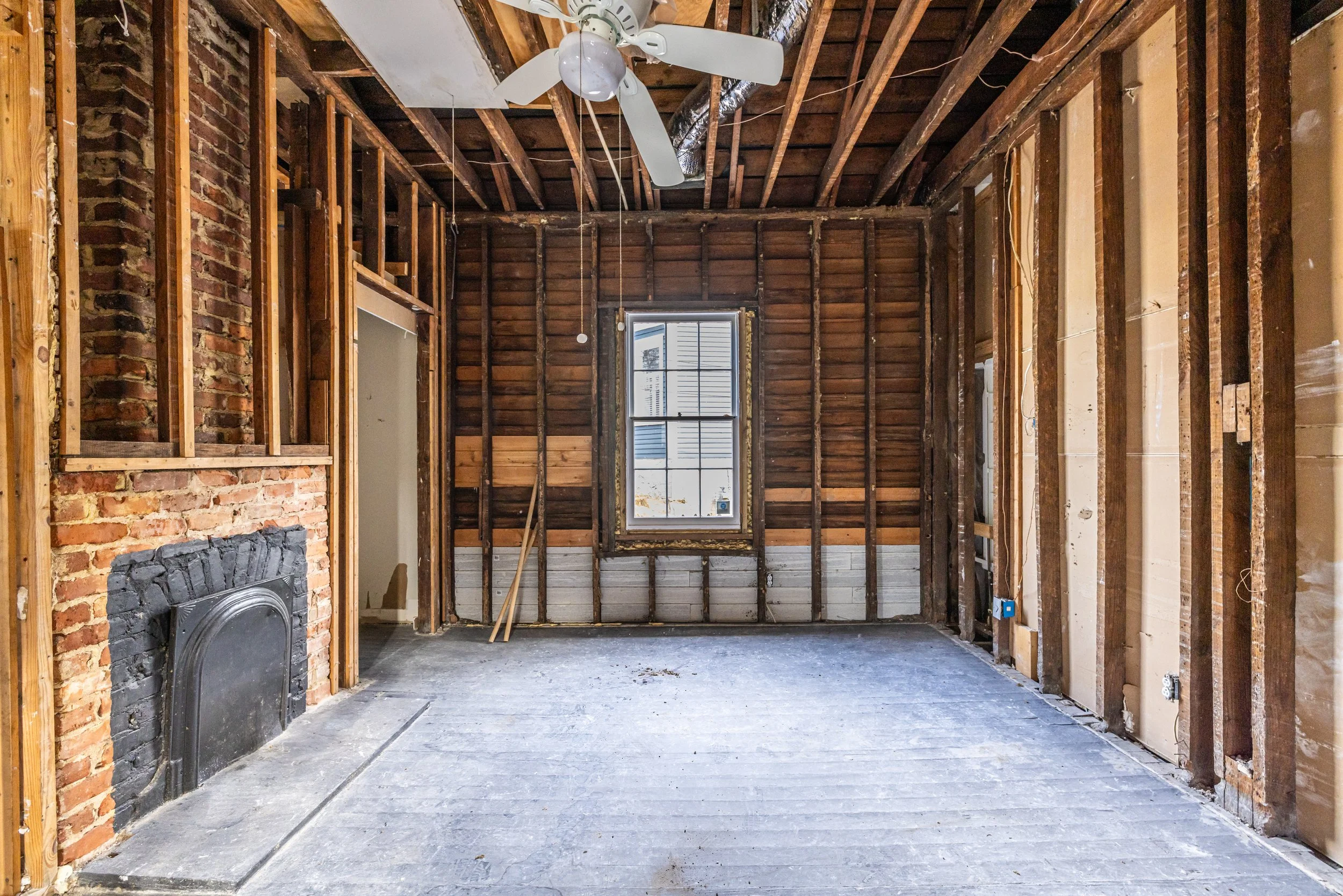
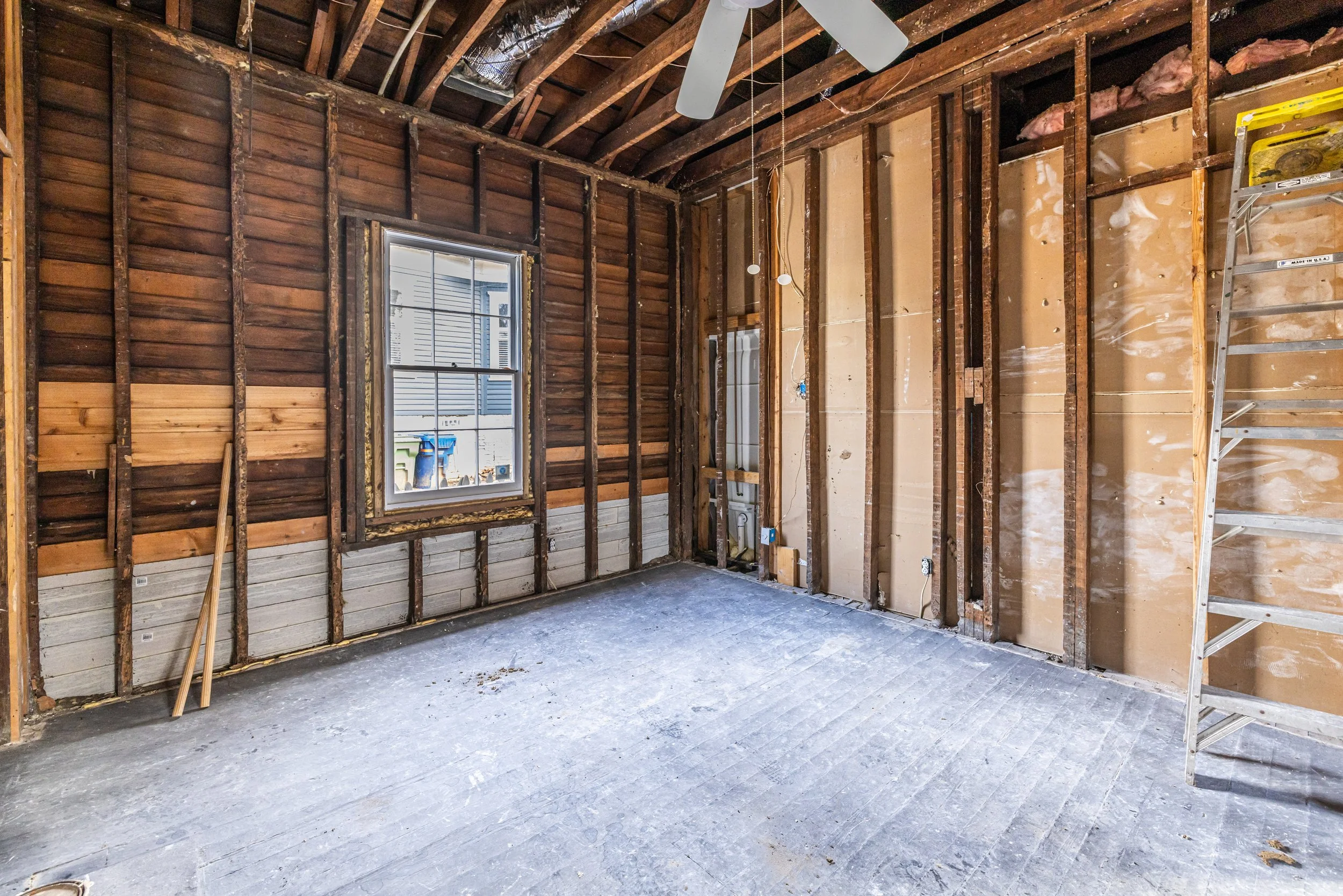
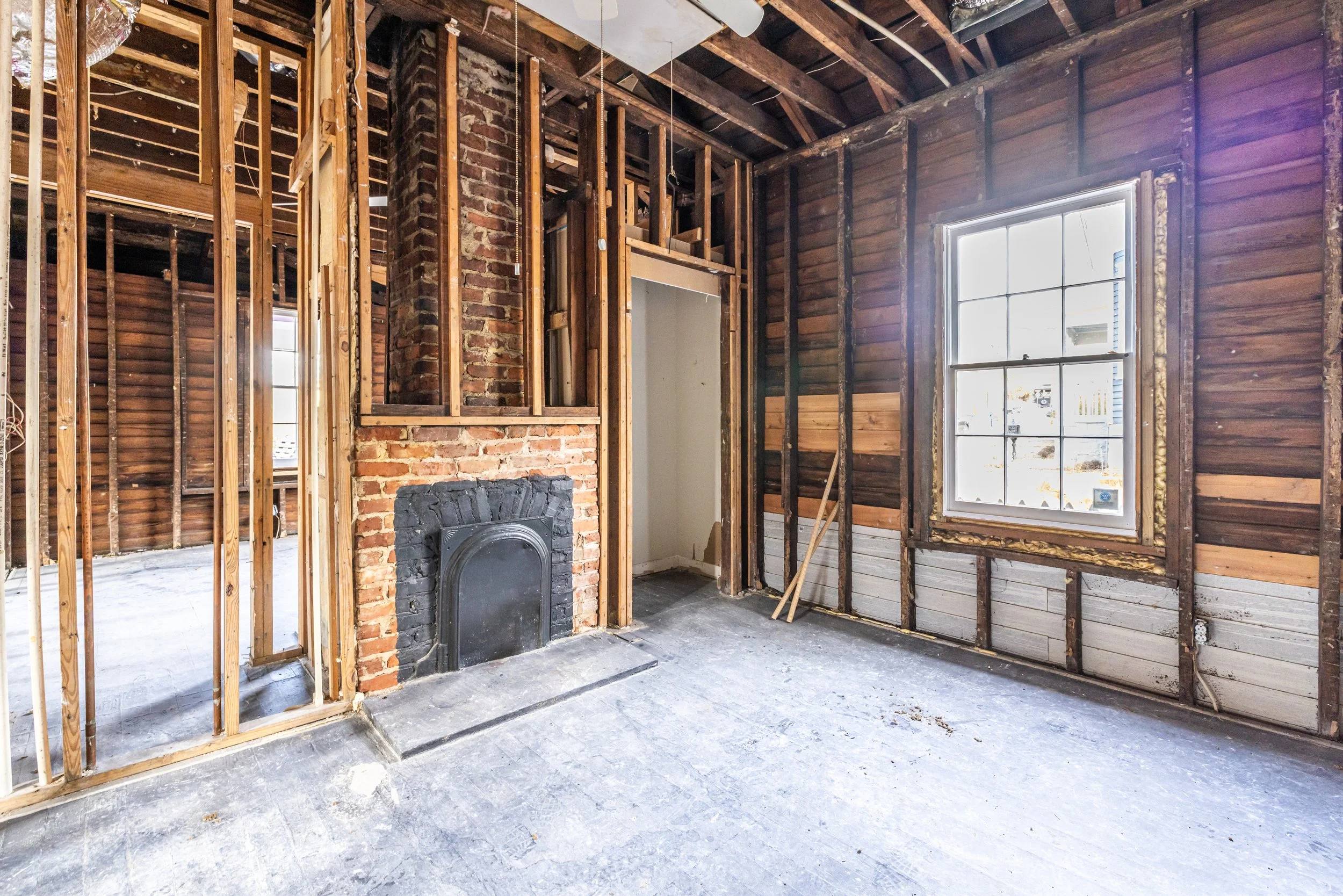
Importantly, the owner didn’t simply leave the house wet and damaged. A professional disaster mitigation crew came in and removed all of the affected drywall and insulation, cleaned the home’s original heart pine floors, and fully dried the interior.
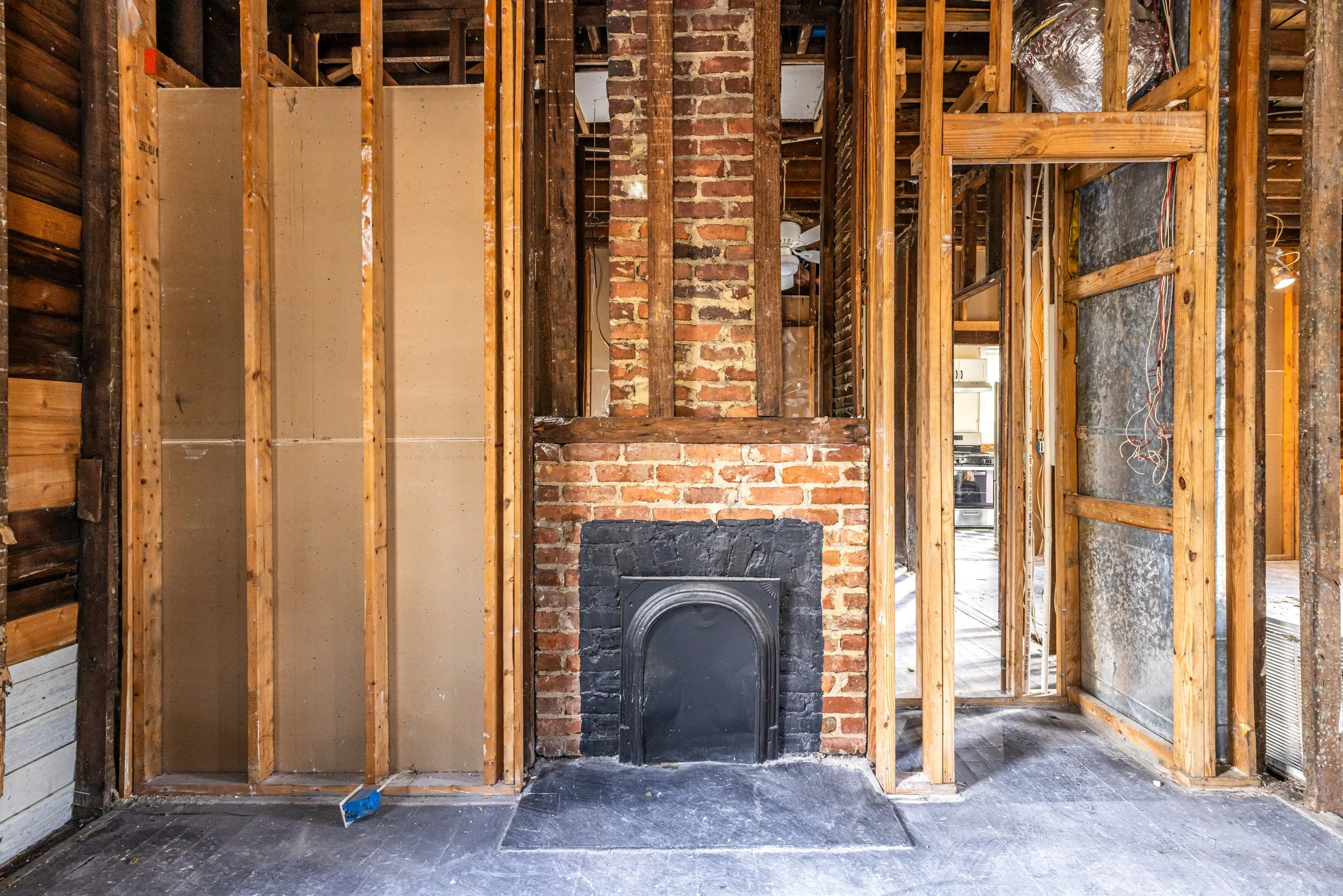
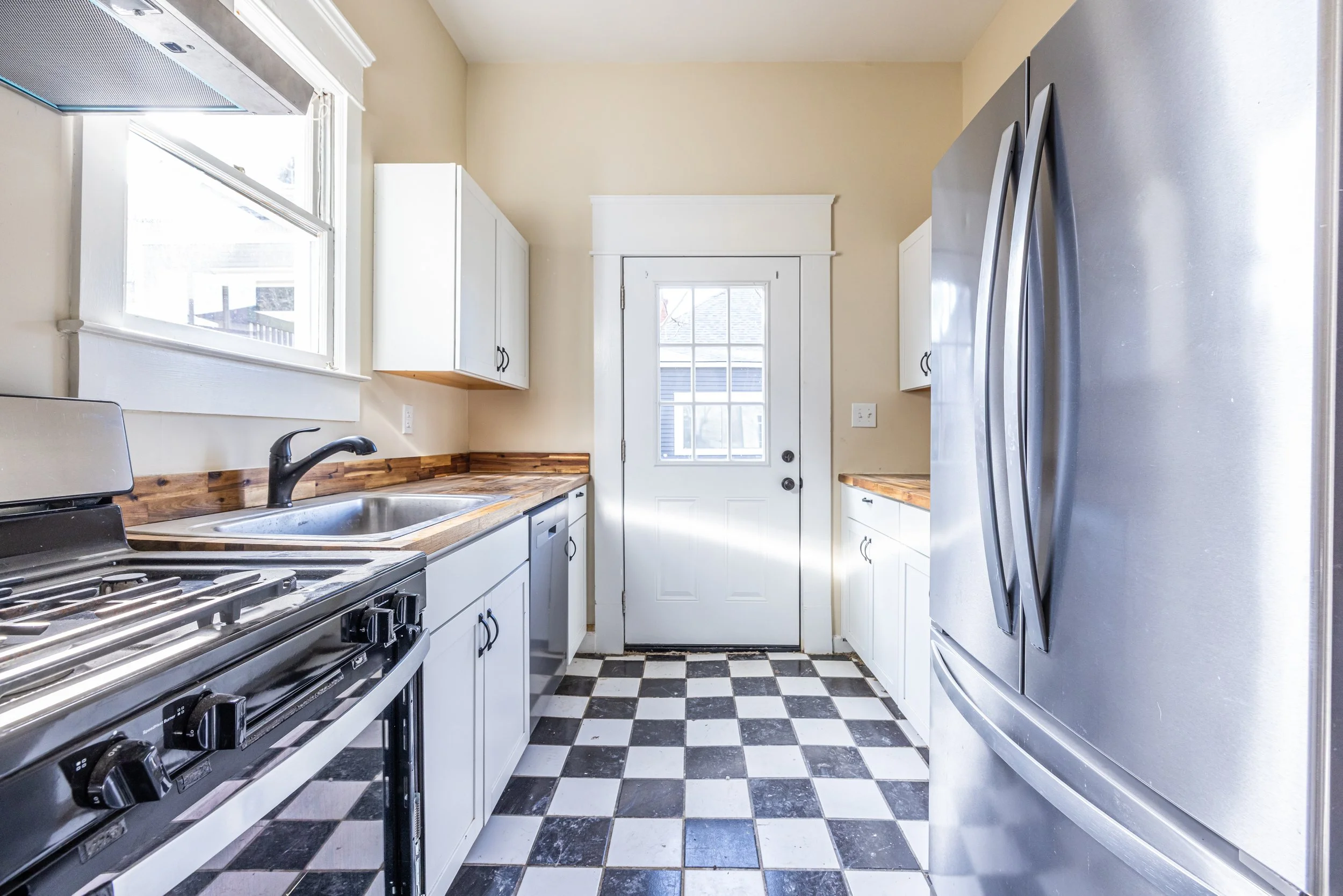
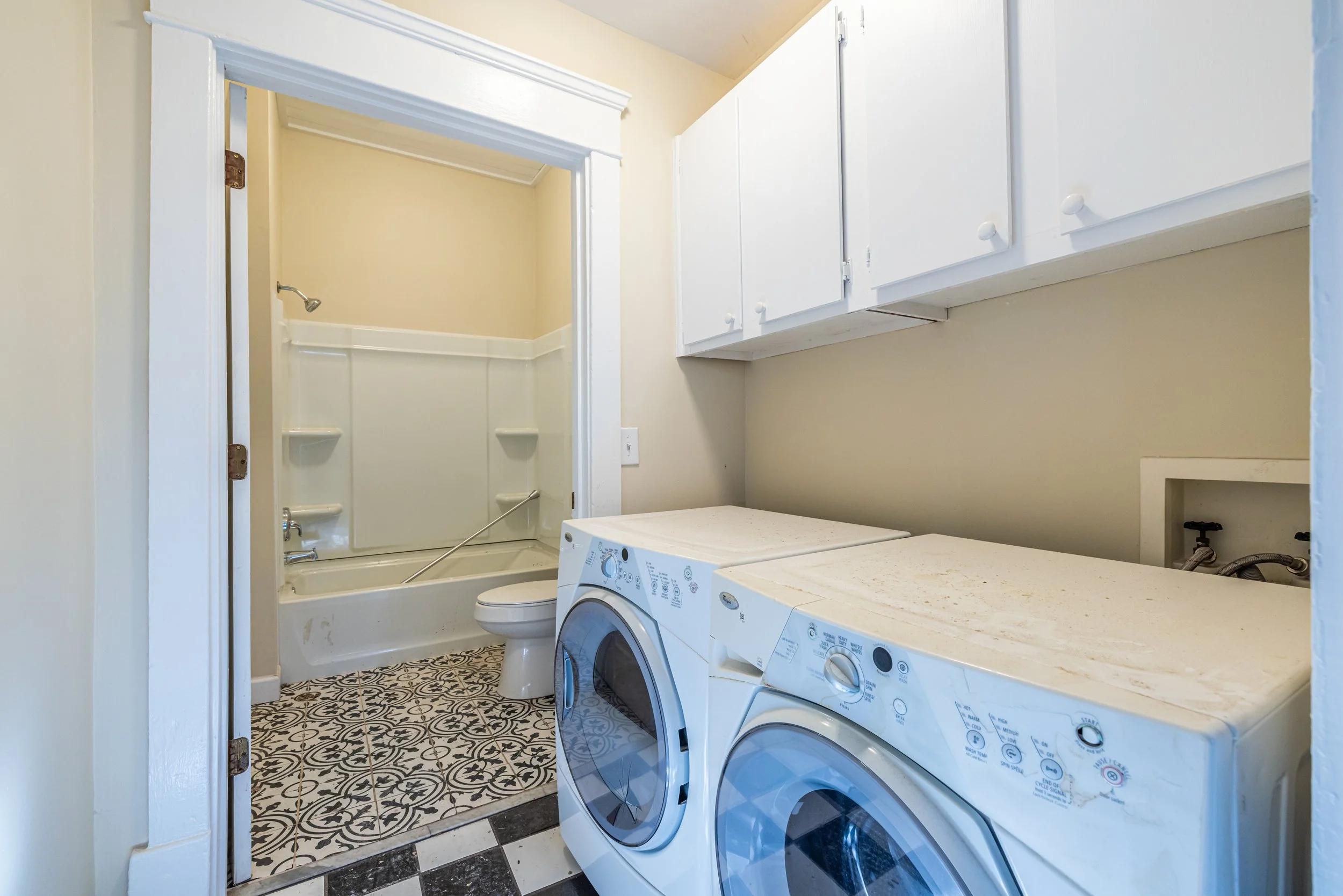
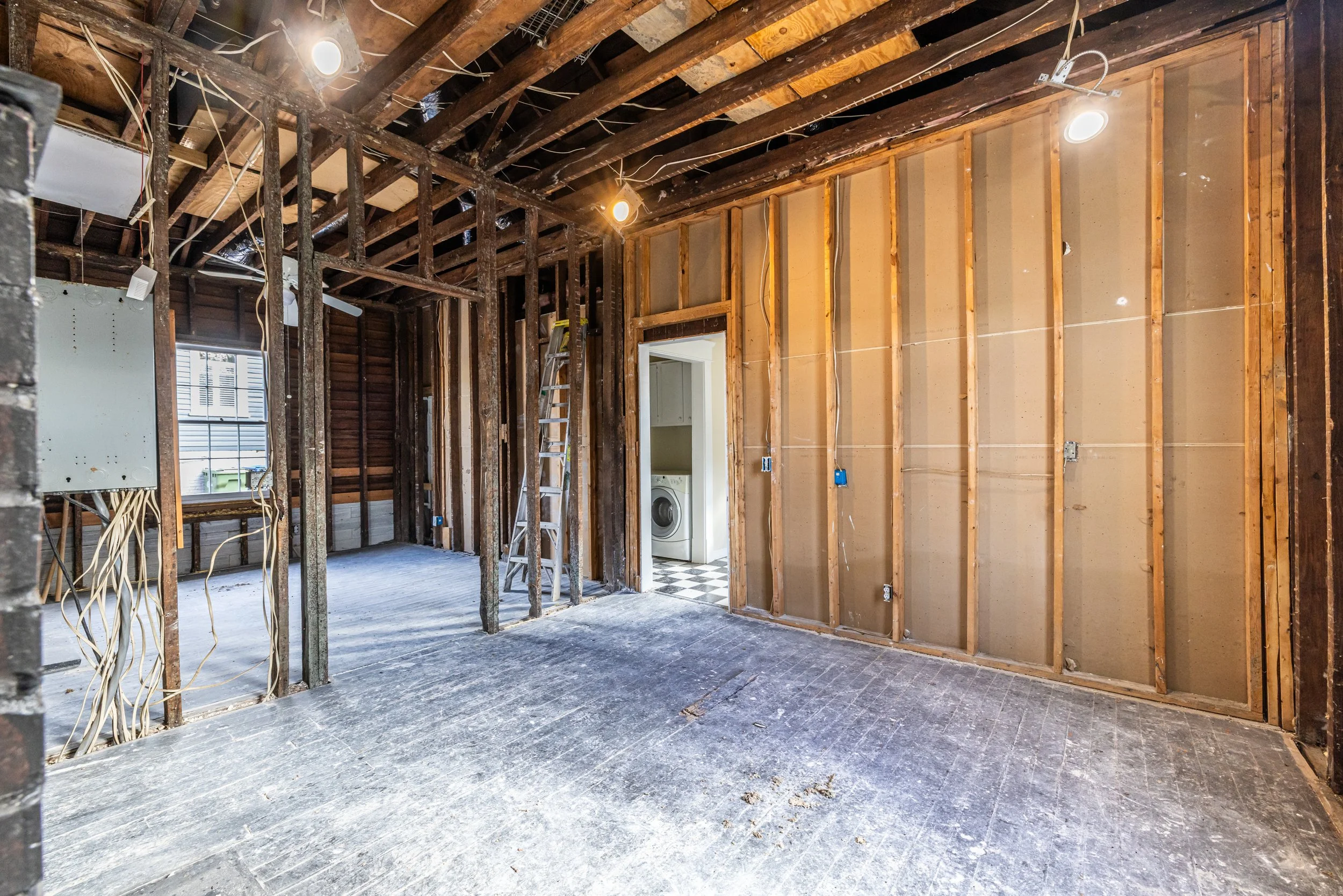
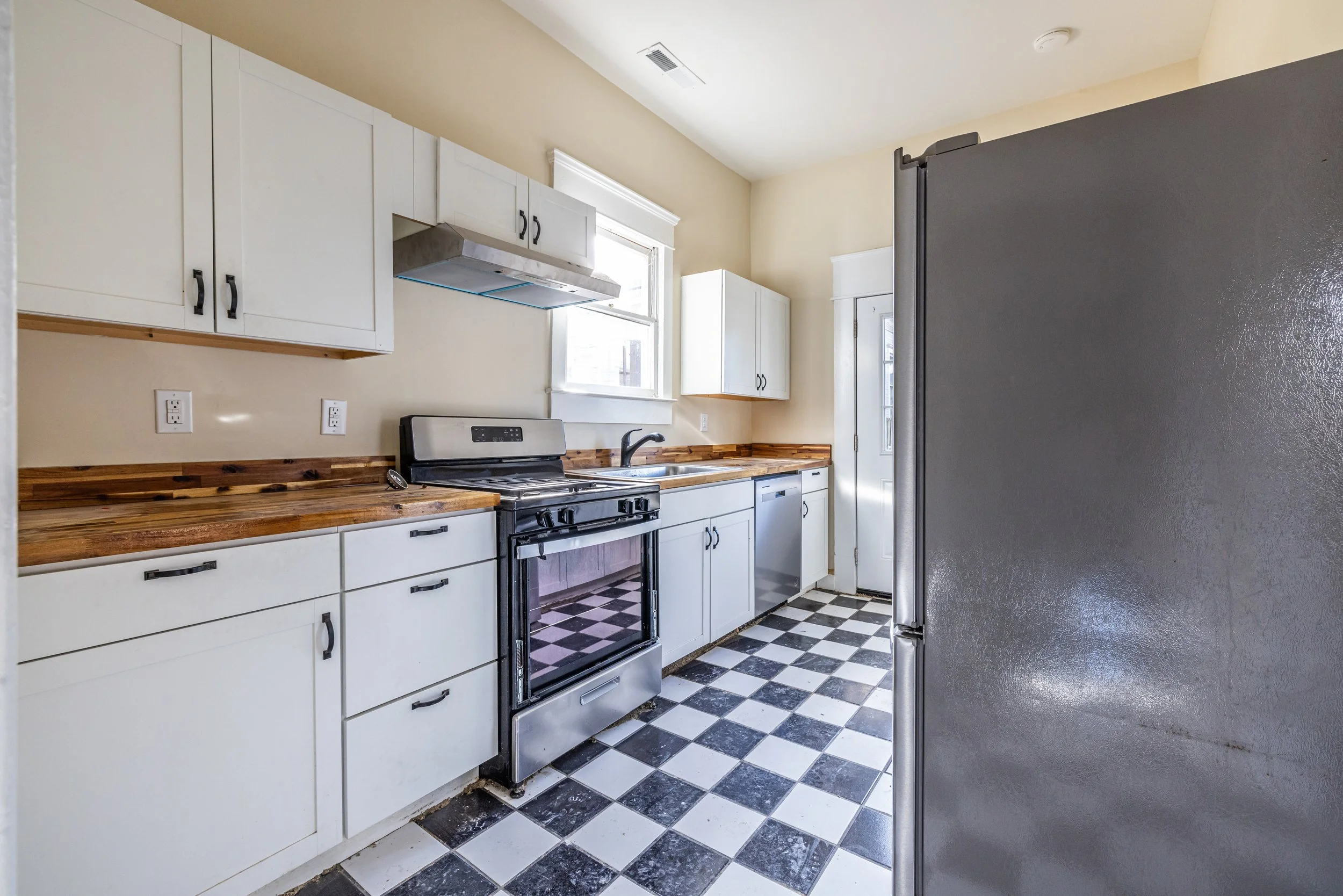
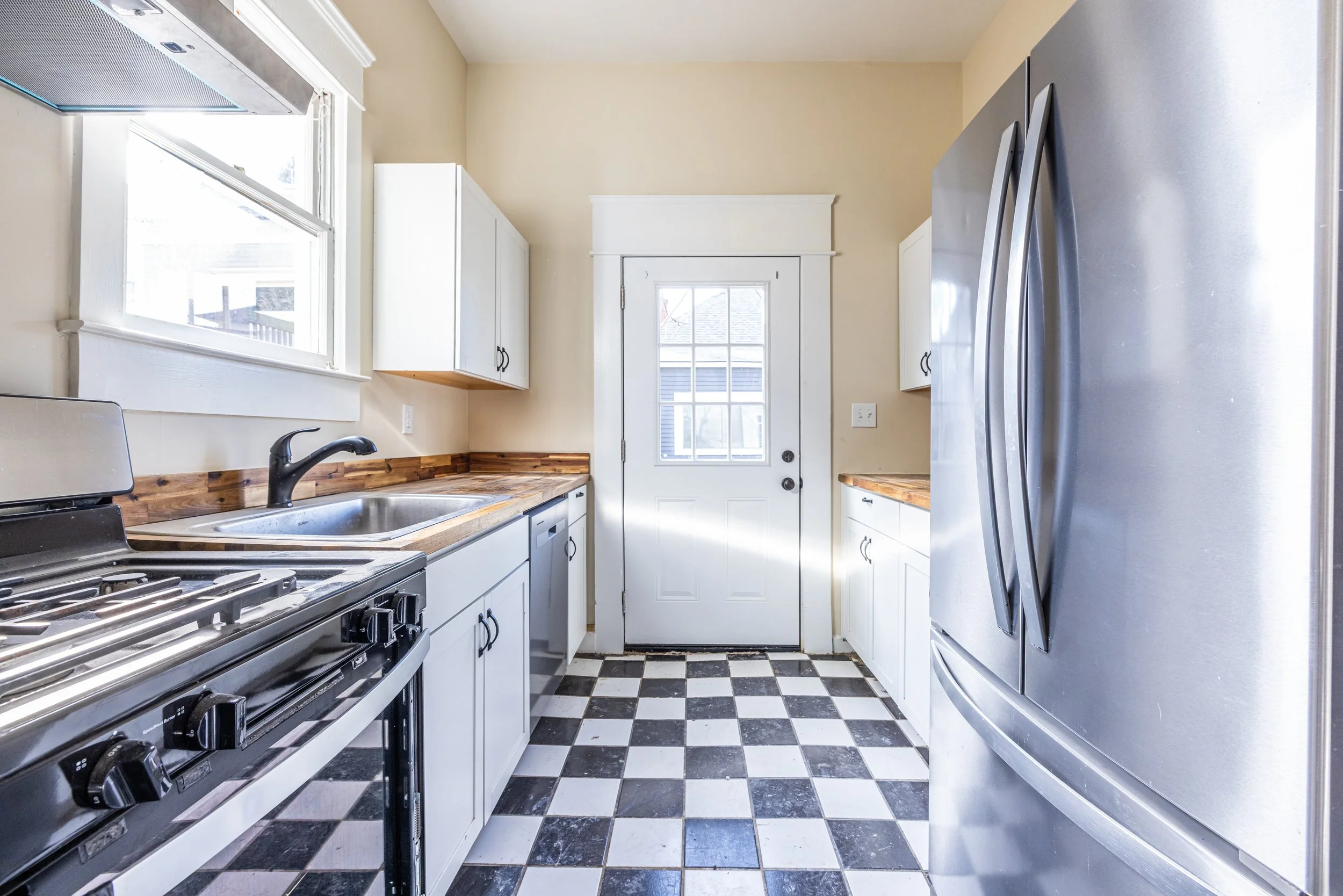
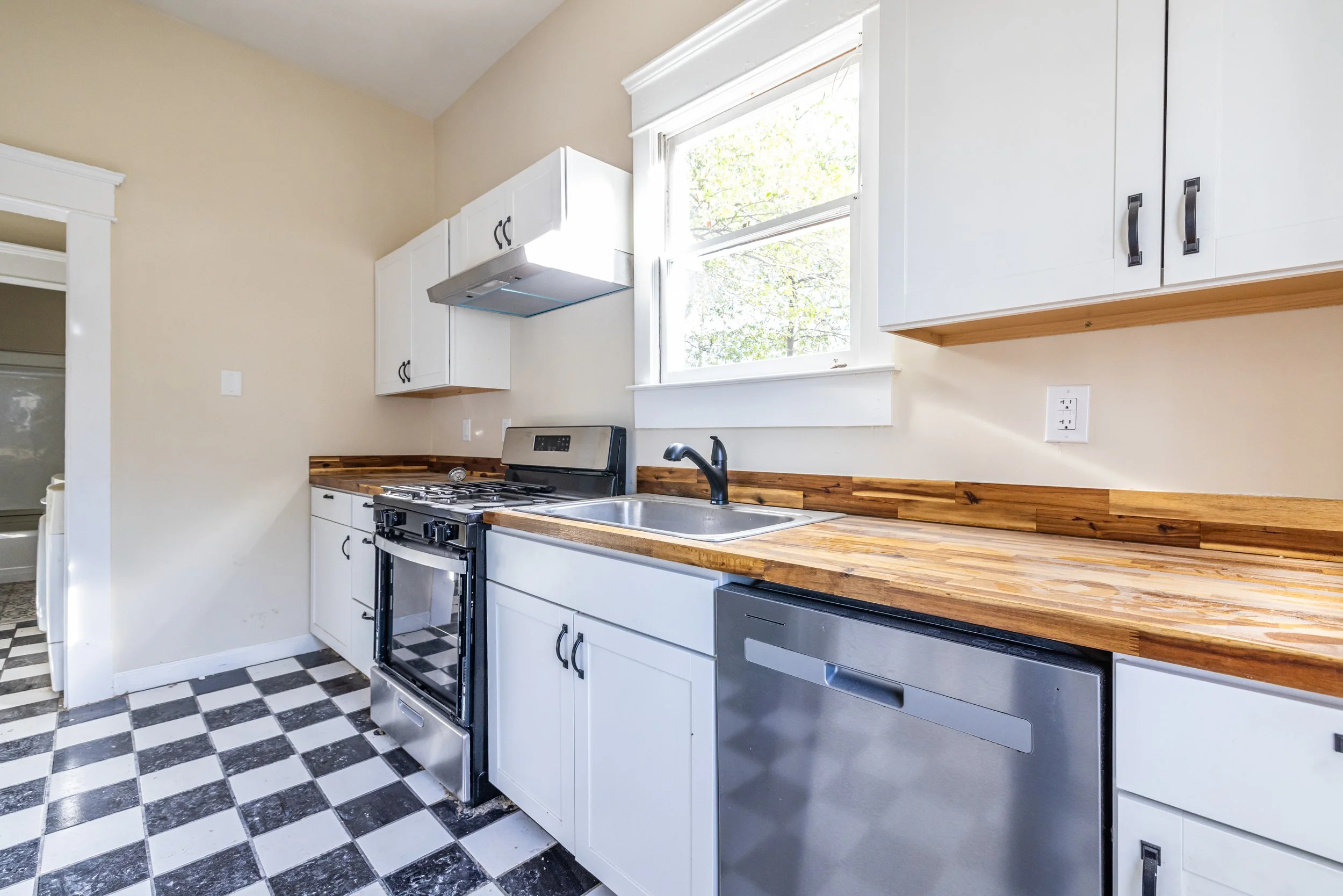
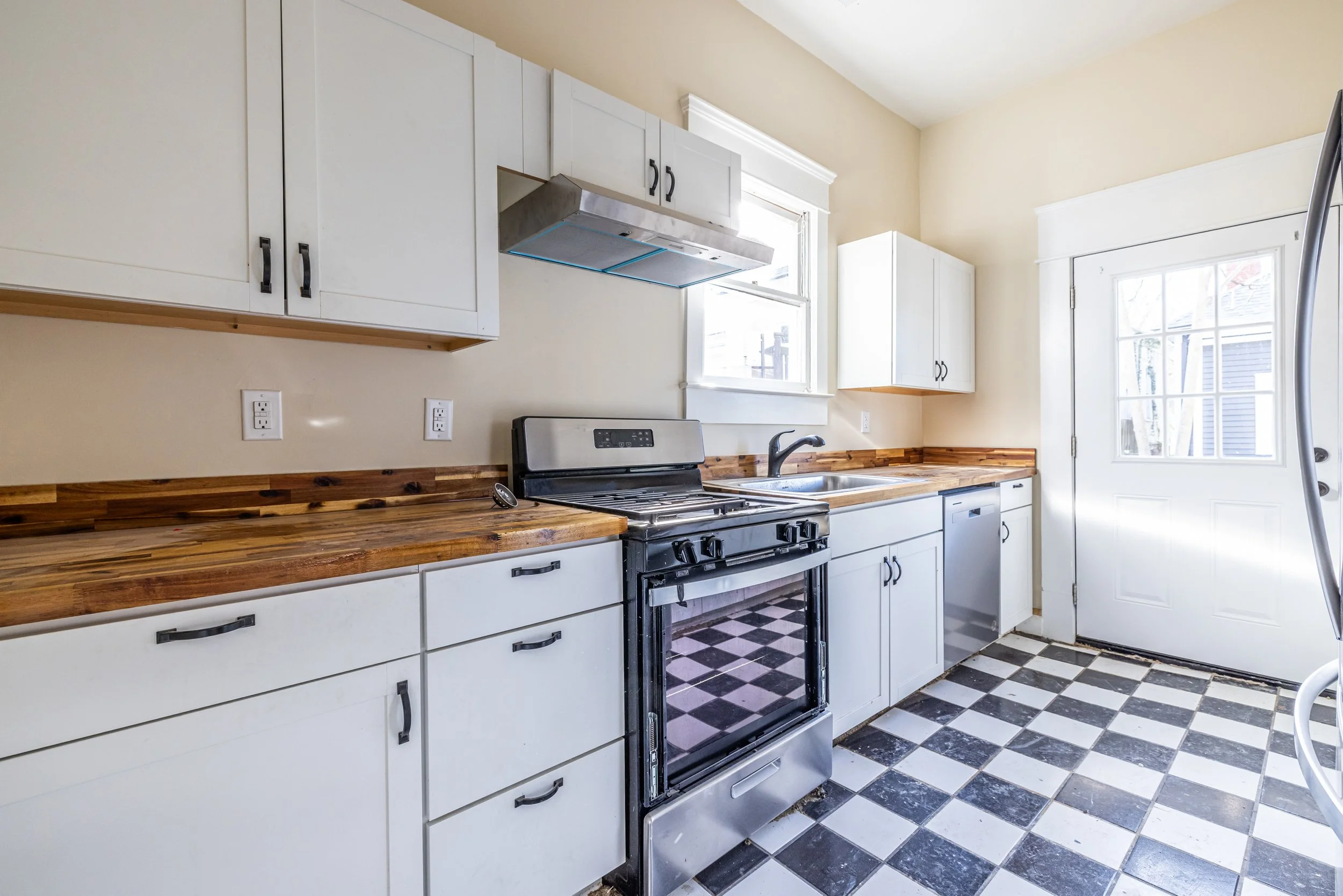
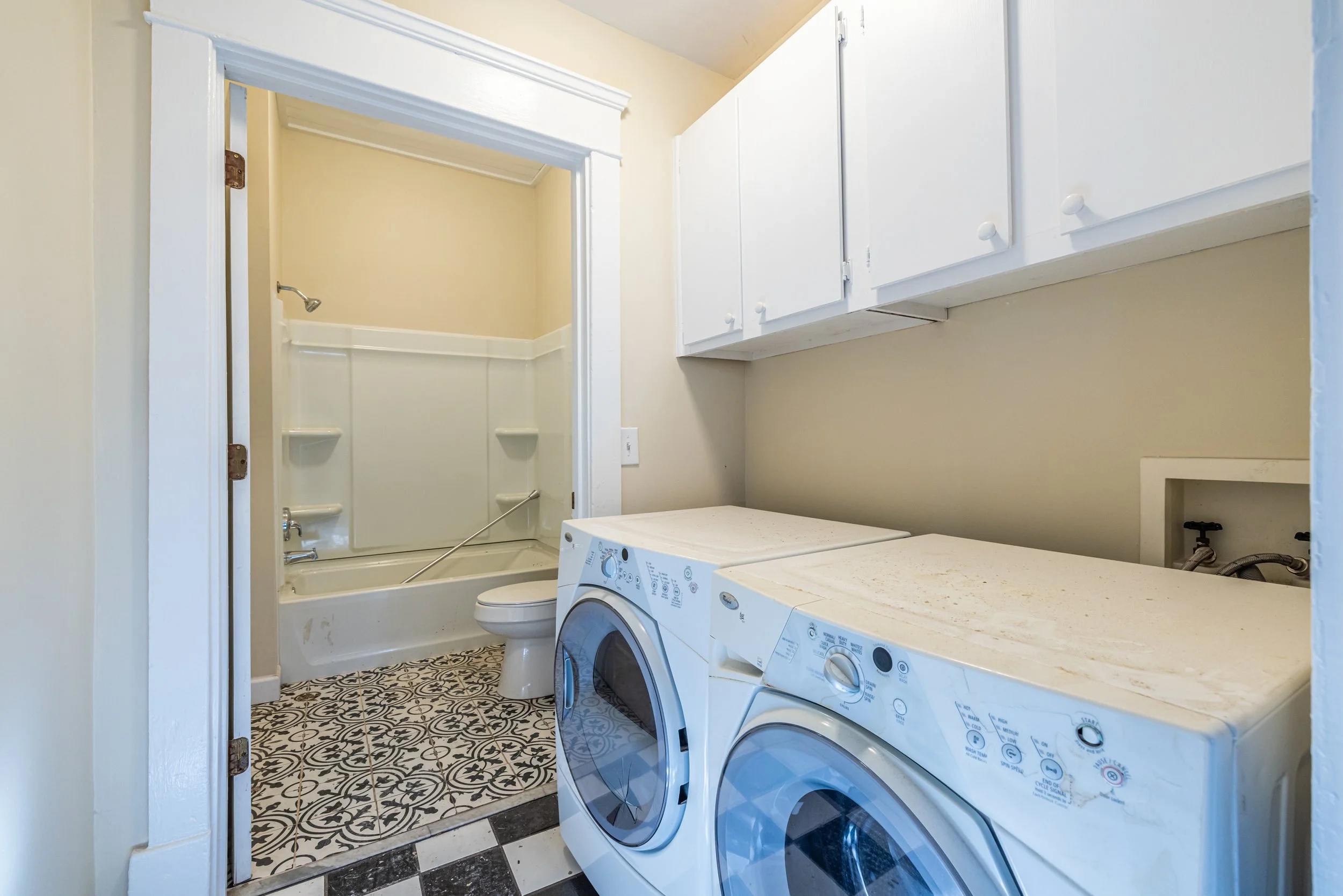
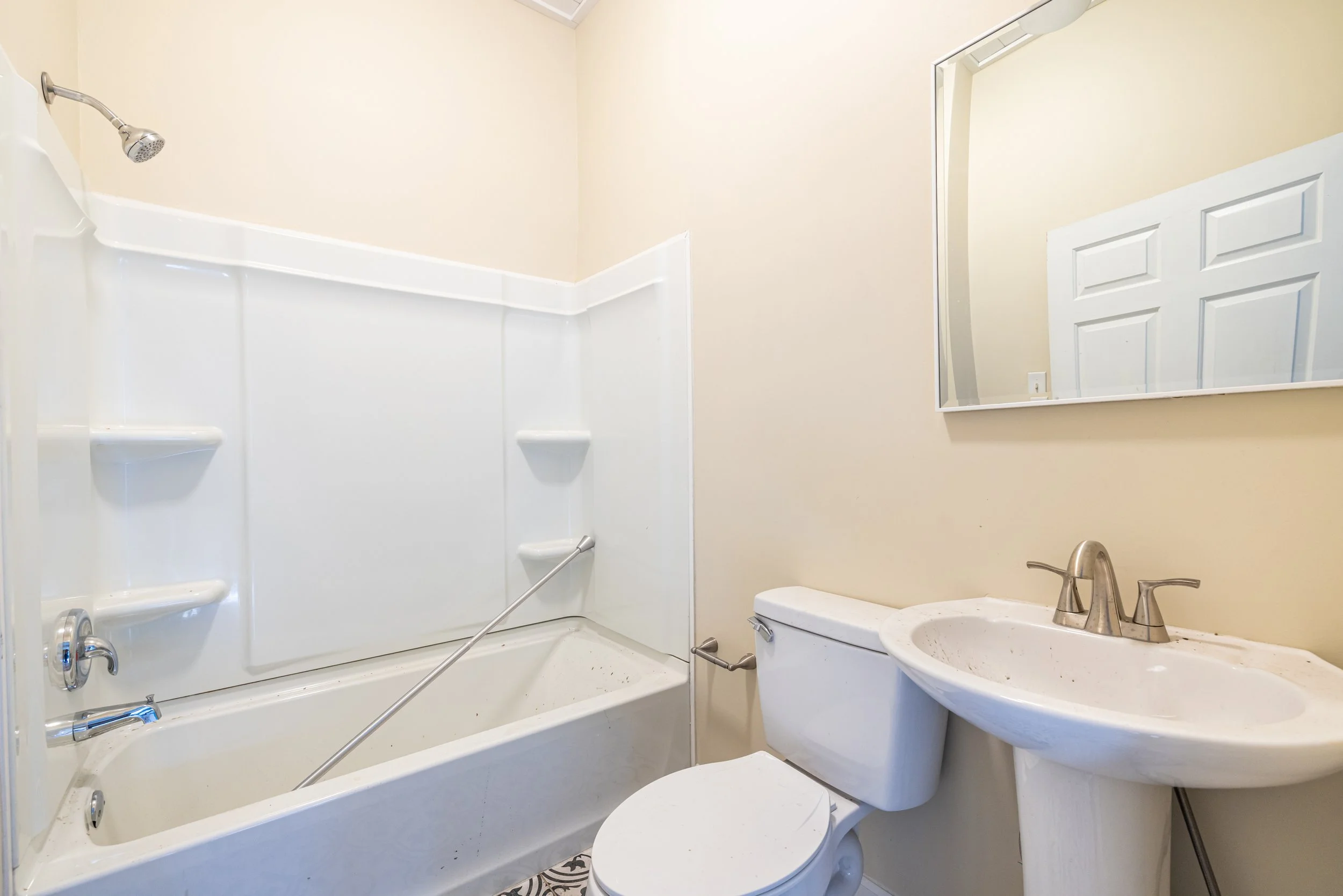
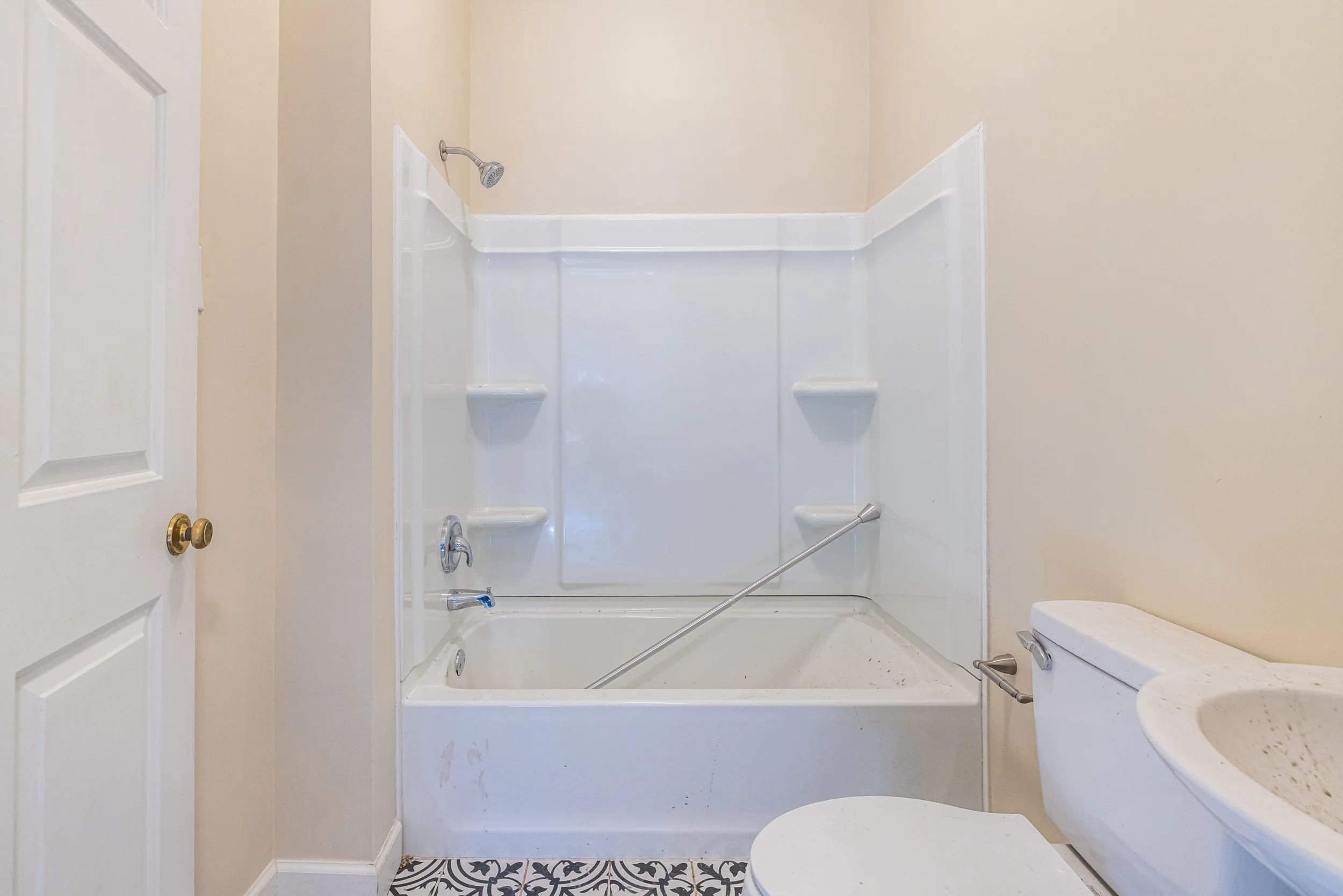
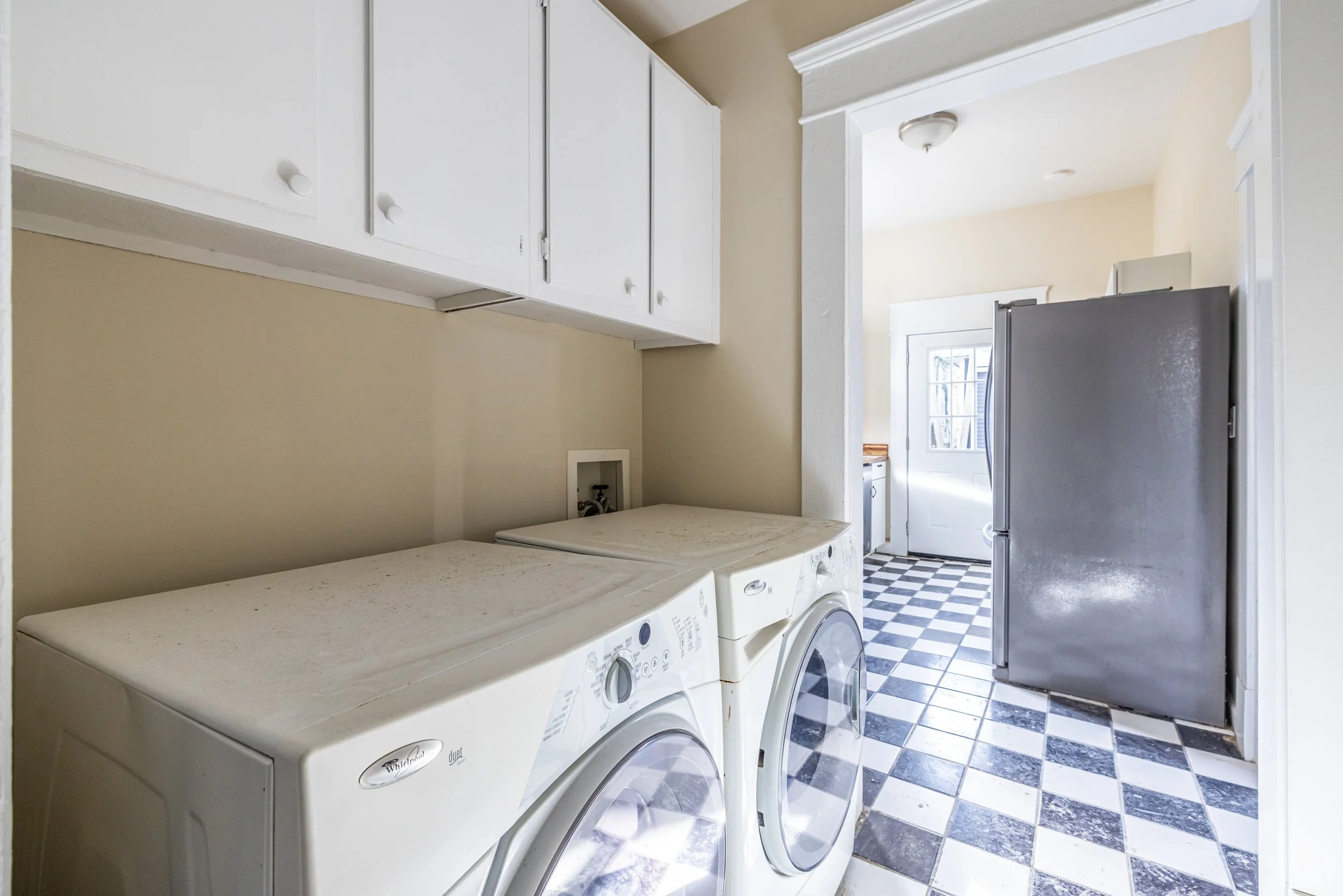
There was also some good news. The rear portion of the home, where the kitchen, bathroom and laundry were located, was found to have no water damage. The house was certainly a project, but it wasn’t a total loss.
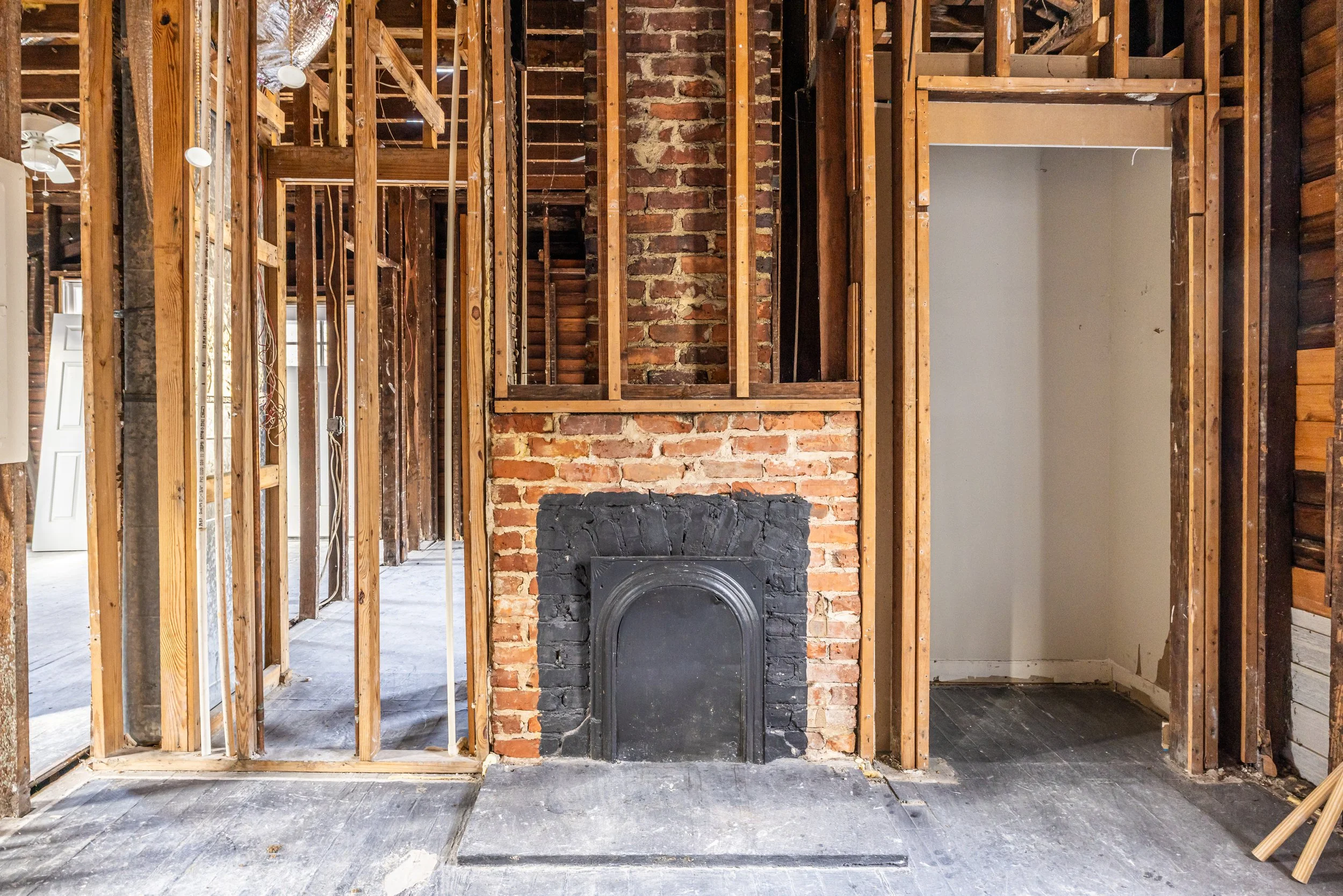
What remained was a strange-looking property to put on the market. Large portions of the interior were stripped down to the studs, while other parts of the home remained intact. The immediate water emergency had been professionally addressed, but putting everything back together would require reconstruction, contractors and time.
For an owner who had been using the property as a rental, that wasn’t necessarily a project he wanted to take on.
Renovate It or Sell It?
The seller could have rebuilt the damaged portions of the house before putting it on the market. Doing so almost certainly would have resulted in a higher eventual sales price. But that higher price would have come after spending money on construction, carrying the property during the work, hiring and managing contractors, and making dozens of decisions for a house he no longer intended to own.
He simply didn’t want the hassle.
So rather than automatically assuming that renovation was the right answer, we built the sales strategy around the property exactly as it stood. There would be no attempt to disguise its condition or make buyers believe they were purchasing something move-in ready.
The value proposition was much simpler: this was a two-bedroom historic home in the heart of Grant Park at a price point that buyers almost never see. The water damage had been professionally mitigated. Much of the rear of the house was unaffected. And for someone willing to take on the reconstruction, there was an opportunity here.
Price Was Our Marketing Strategy
A property like this can be surprisingly difficult to price. Start too high and buyers begin subtracting every anticipated construction expense from the asking price. The house can sit while buyers, investors and contractors debate what the project is really worth.
We wanted the opposite reaction.
We listed the home at $250,000, an intentionally compelling price for a single-family property in Grant Park. Rather than trying to negotiate downward from an aspirational number, we wanted the asking price itself to create urgency.
The listing went live on a Thursday, and almost immediately the showing requests started pouring in.
Buyers clearly understood what they were looking at. This wasn’t a conventional home competing against beautifully staged, move-in-ready properties. It was an opportunity to get into Grant Park at an unusually low acquisition price and decide for themselves what the finished house should become.
Seven Offers in One Weekend
The response continued throughout the weekend. Buyers came through a house with missing drywall and exposed framing, walking across the cleaned heart pine floors and evaluating what remained rather than admiring what had already been finished.
By the end of that first weekend, we had seven offers.
That competition changed the negotiating position considerably. Instead of having one buyer scrutinizing the condition of the property and negotiating downward, we had multiple buyers deciding what the opportunity was worth to them.
The home ultimately sold for $272,500, or $22,500 above our $250,000 asking price.
That result wasn’t produced by renovating the house, staging it or trying to make the damage disappear. It came from understanding what we were actually selling and using the asking price to get as many qualified buyers as possible through the door at the same time.
Sometimes the Best Strategy Is to Leave the Project Alone
There is a tendency in real estate to assume that every problem needs to be fixed before a property can be successfully sold. Often, preparation does mean painting, repairing, landscaping, staging or renovating. But those decisions have to make financial sense for the property and practical sense for the seller.
This owner didn’t want to become a renovator simply because a deep freeze had handed him a construction project. The immediate damage had been professionally mitigated, the house had been dried, and the unaffected portion remained intact. What was left was a reconstruction project that someone else might actually want.
Our job wasn’t to convince the seller to spend months putting the house back together. It was to find the strategy that allowed him to sell the property he actually had.
In this case, we let the condition speak for itself and used an aggressive asking price to make the opportunity difficult to ignore. Within days, seven buyers had decided they wanted it. The seller walked away with $22,500 more than our asking price without managing a renovation, and the buyer got the chance to decide what this historic Grant Park home would become next.
This home is exclusively listed by The Rob Smith Team at Keller Williams Realty Intown Atlanta.

For more information please contact:
Rob Smith
REALTOR
Keller Williams Realty Intown Atlanta
M: 404.906.5857
rob@robsmith.com