
When “Pretty Good” Isn’t Good Enough
to Sell a Townhome
How we stayed competitive
despite a softening market
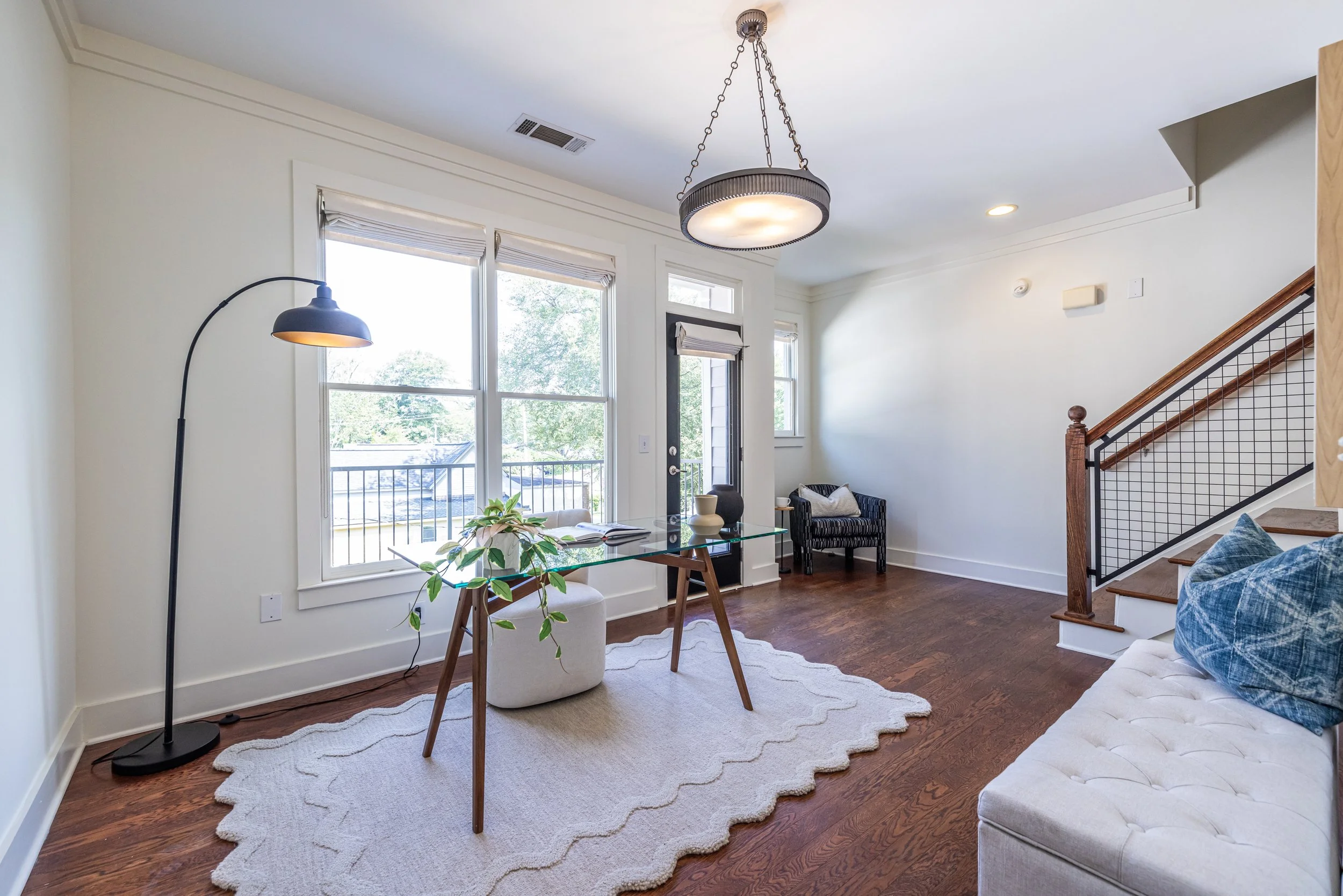
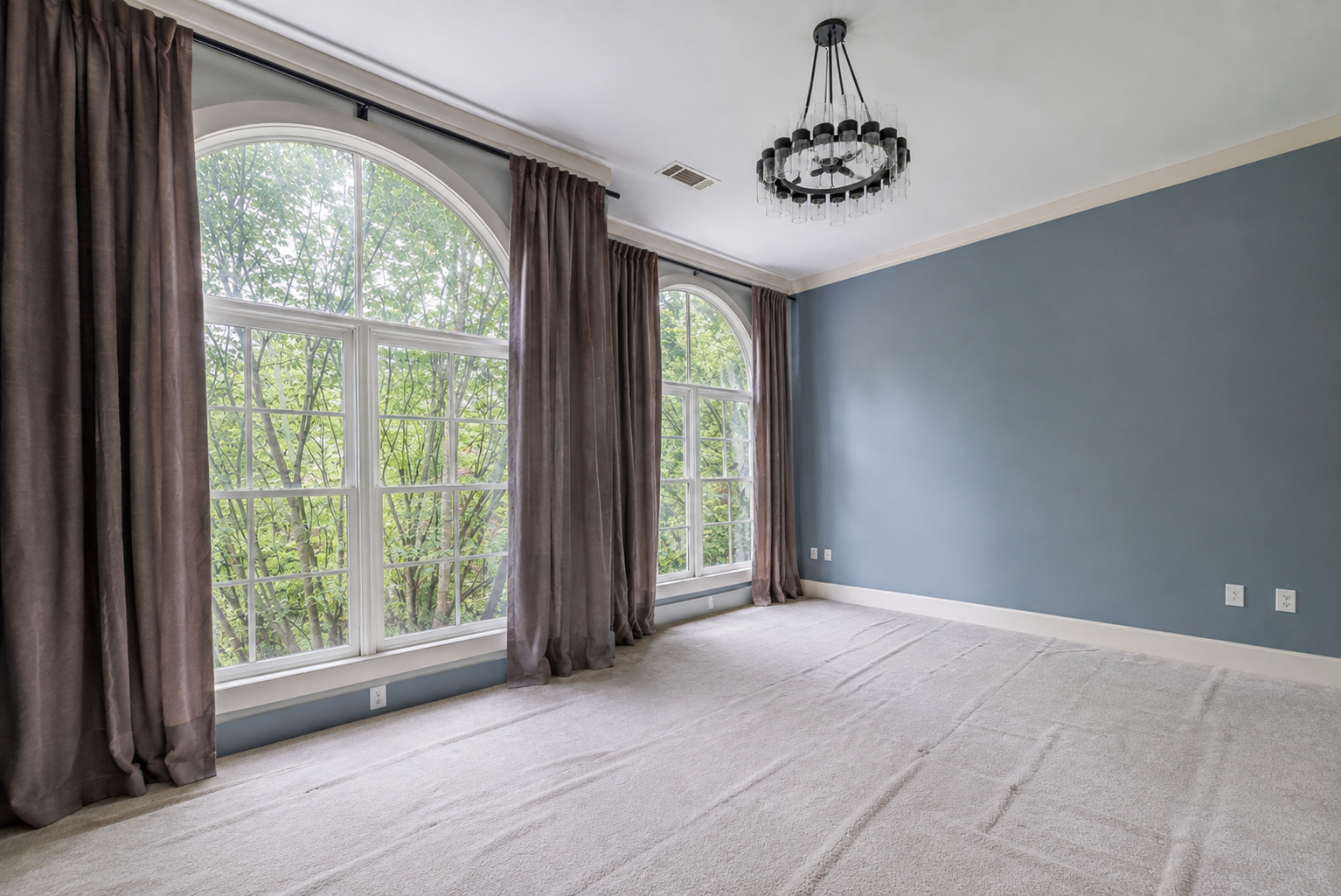
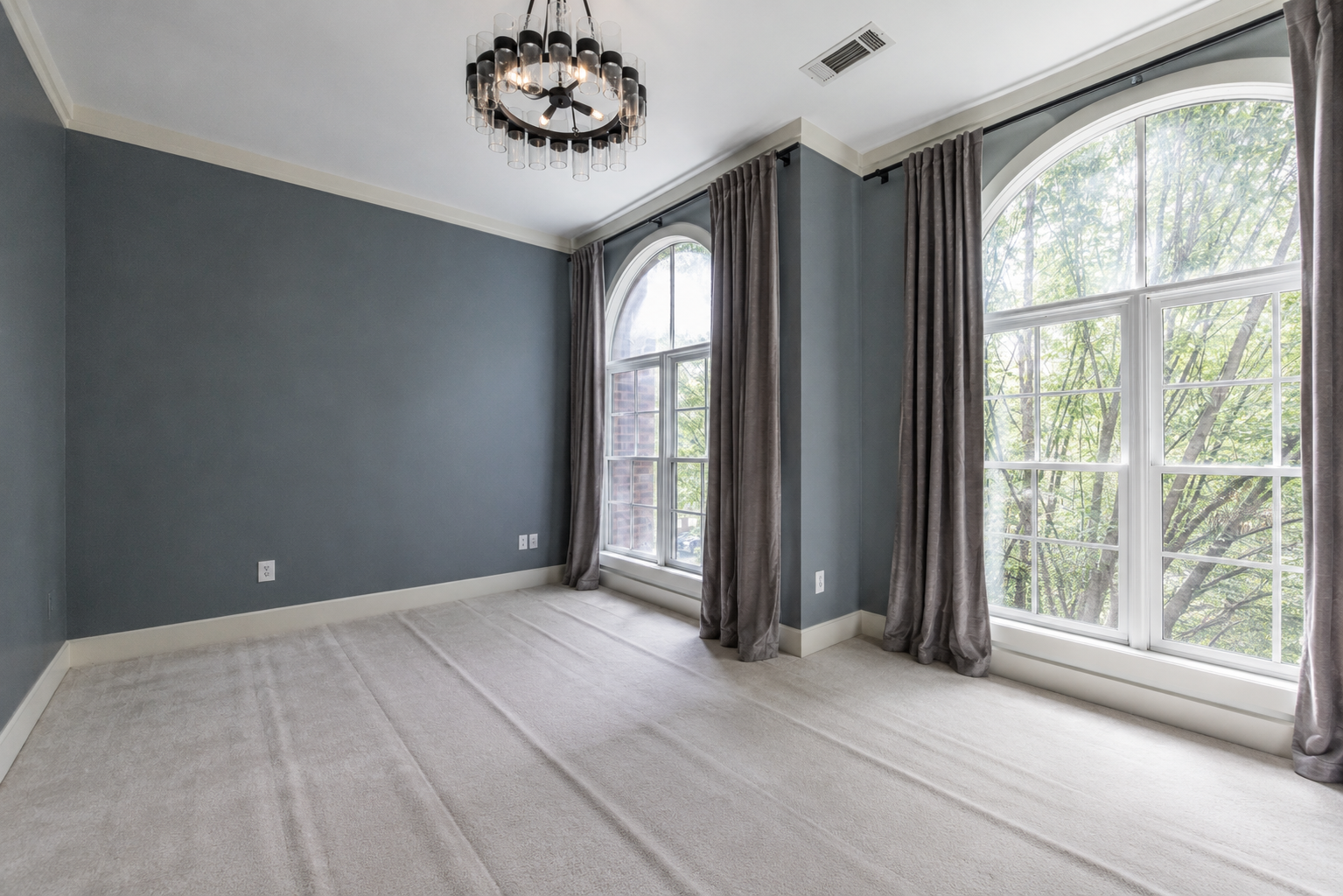
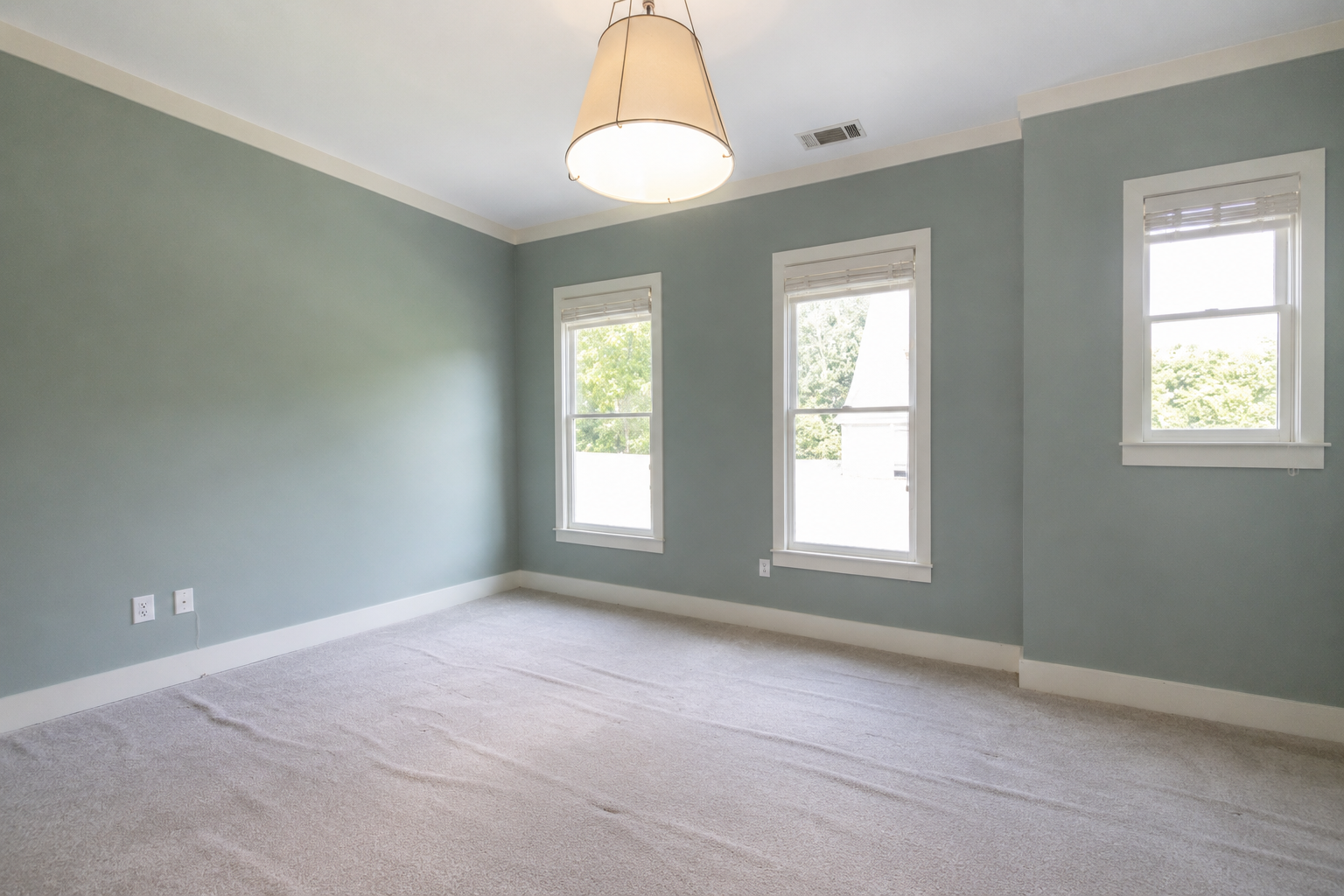
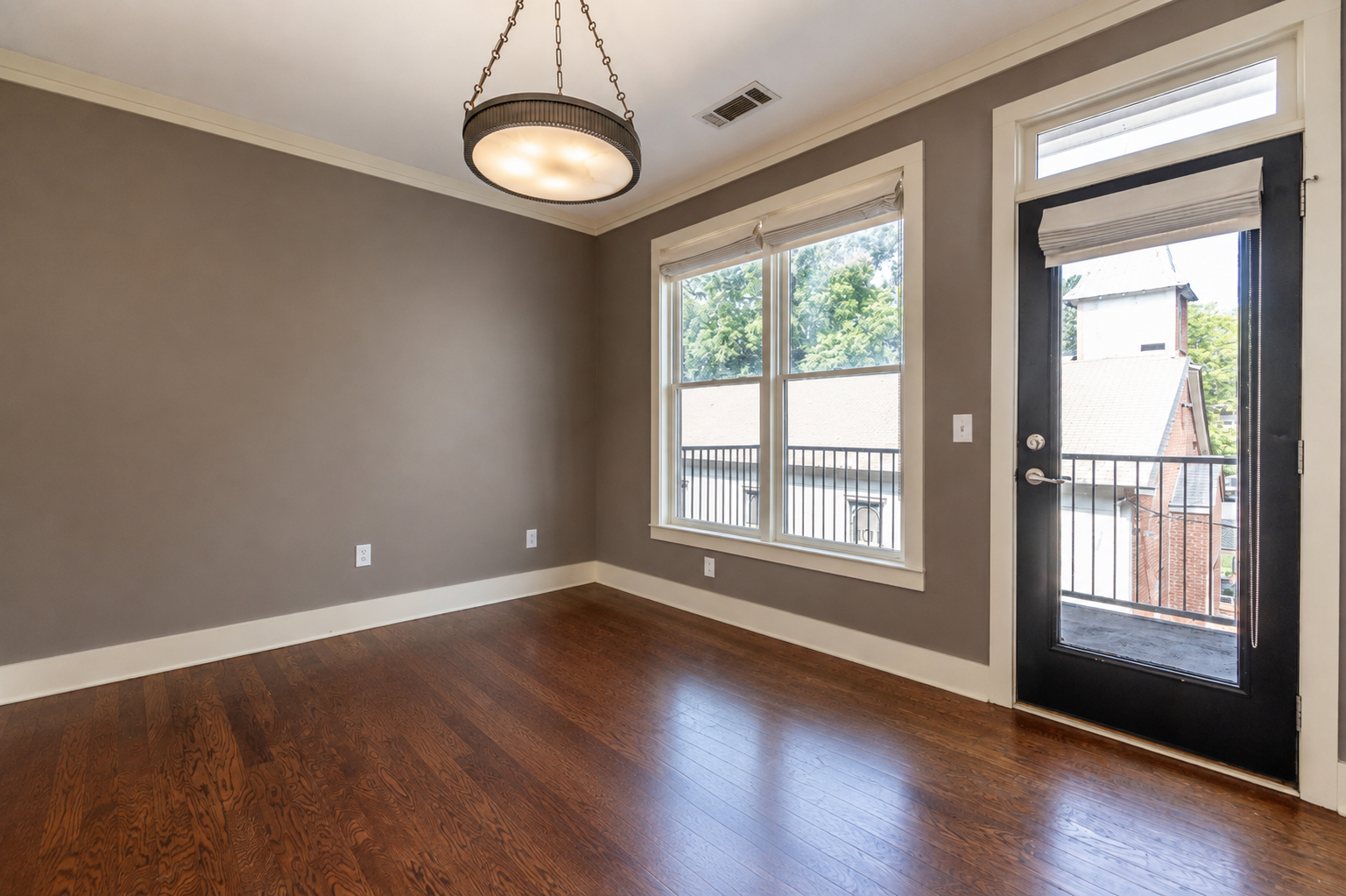
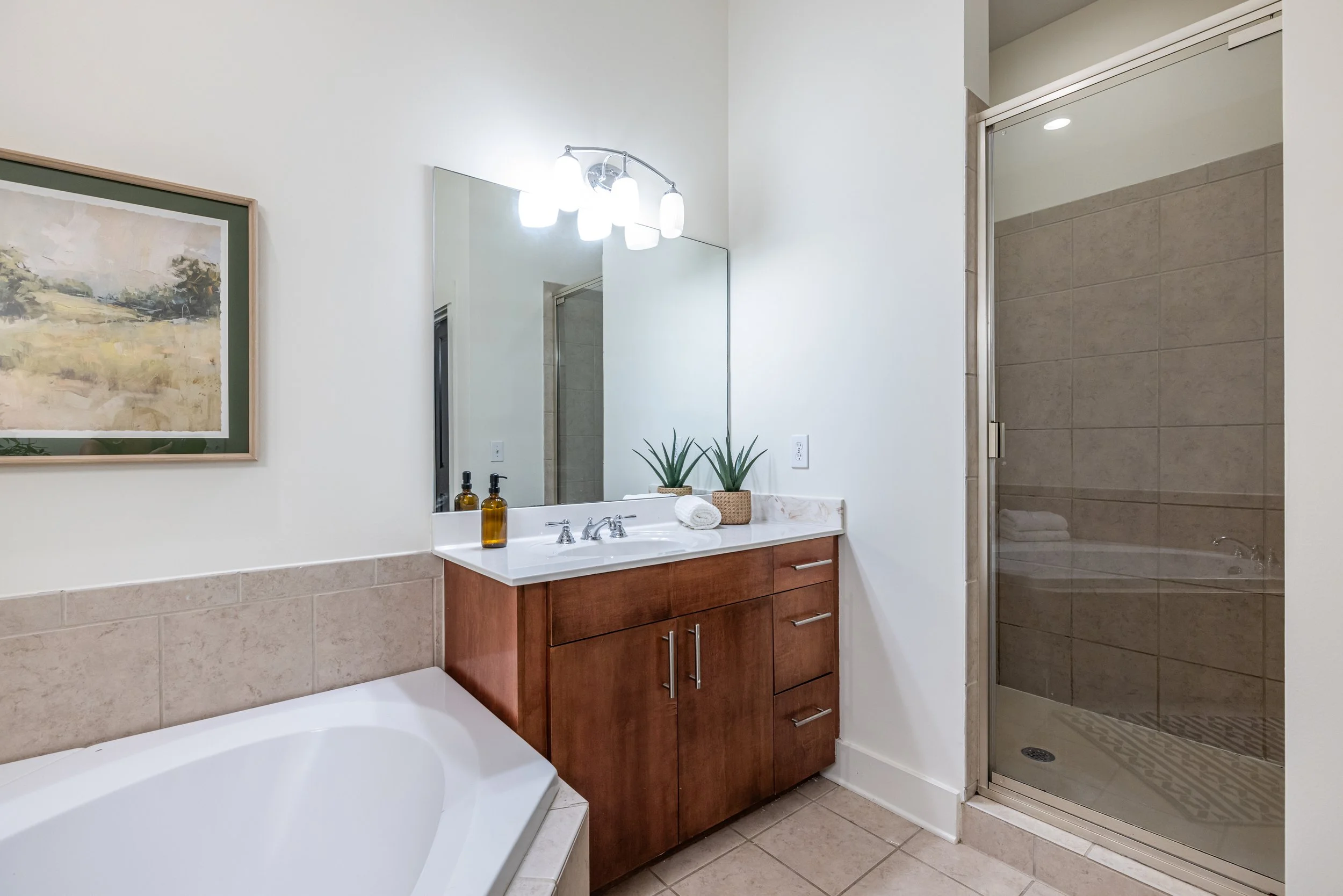
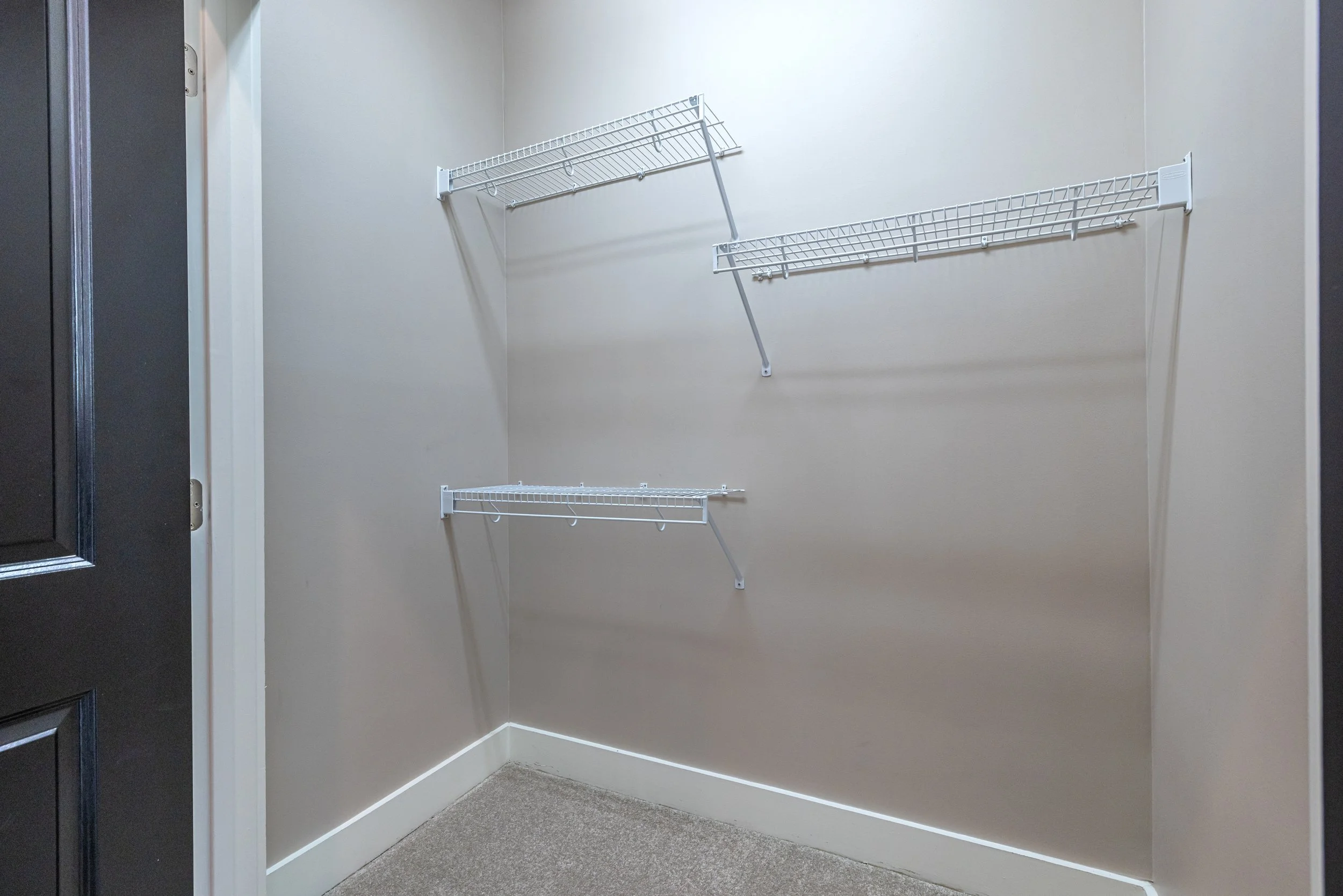
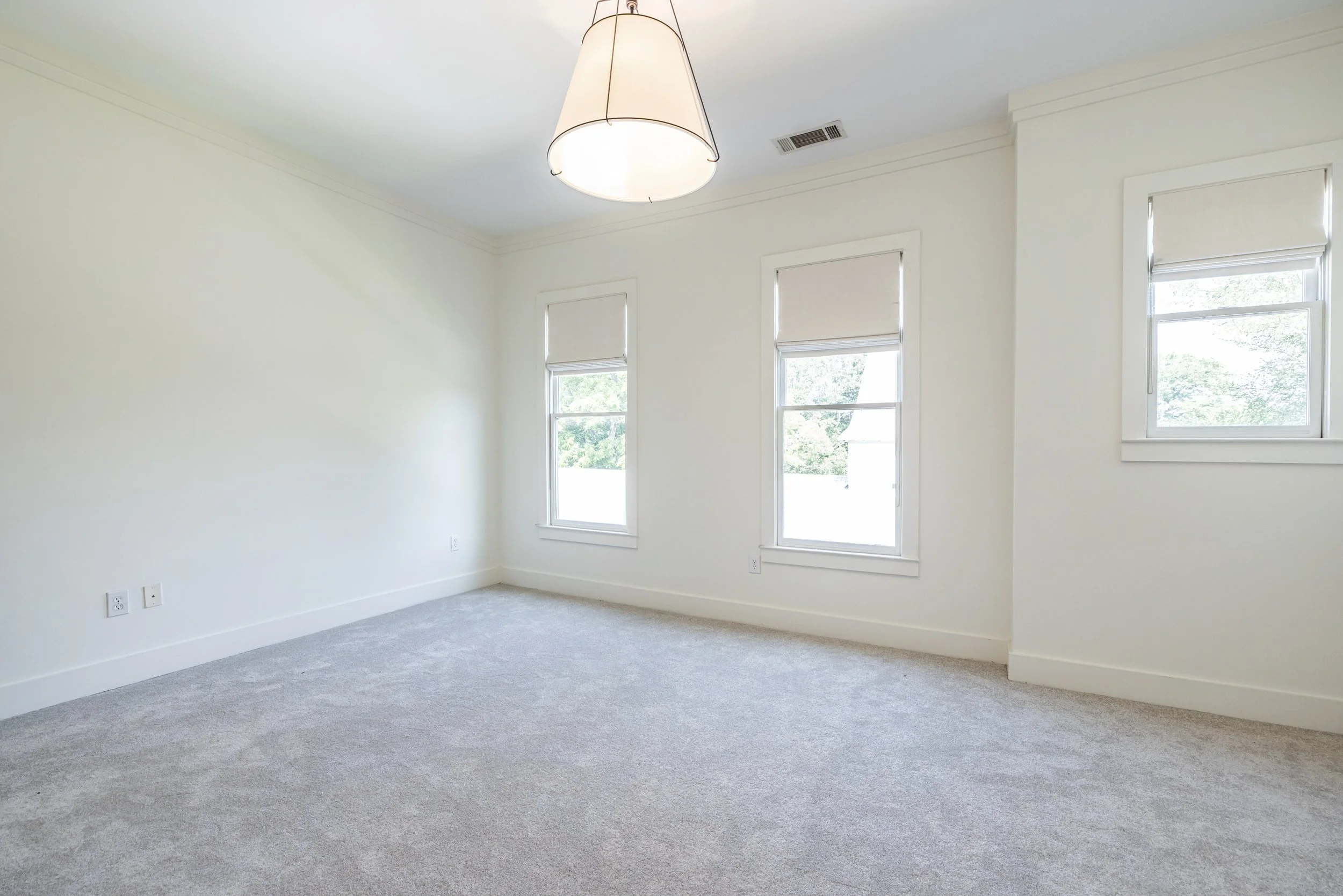
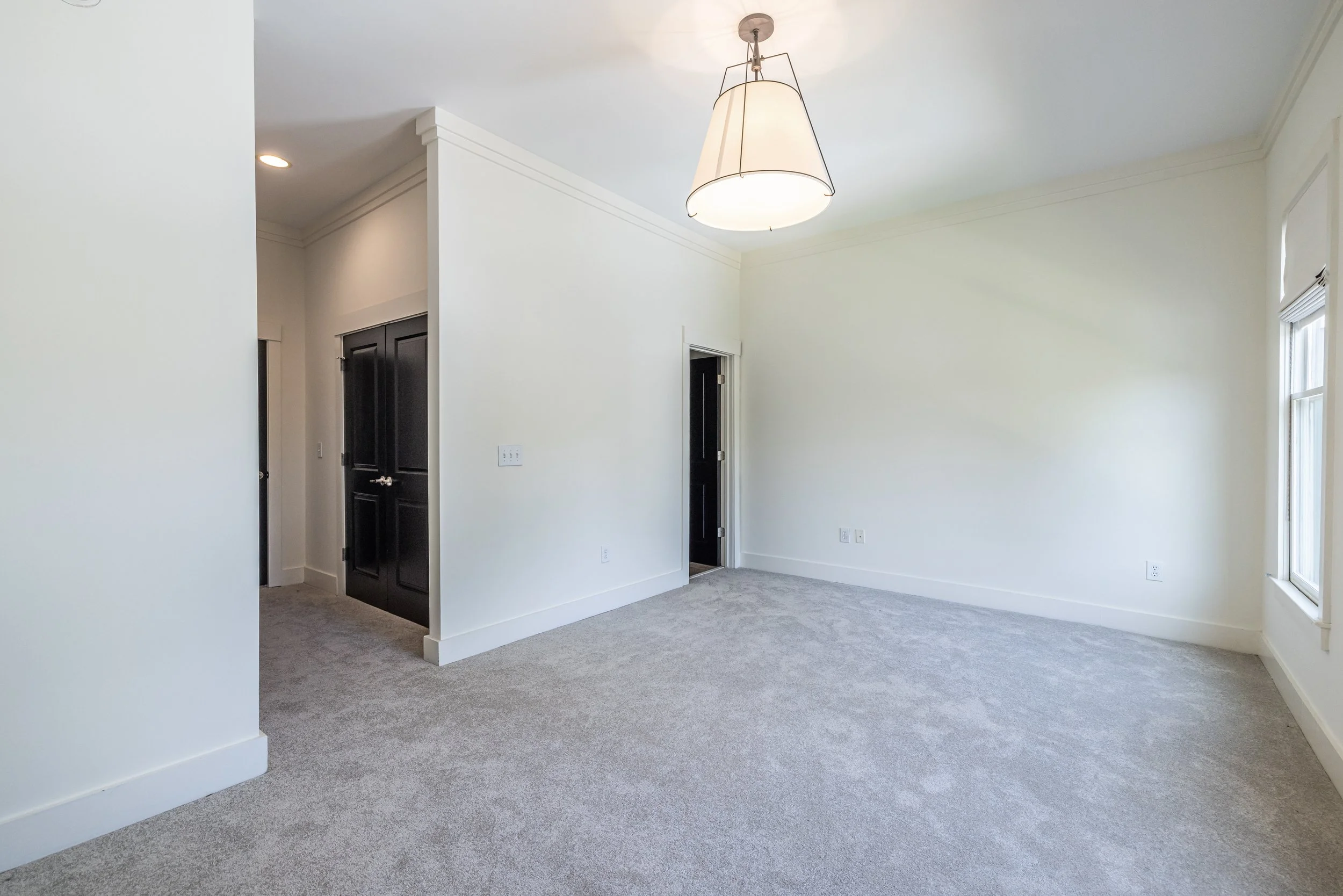
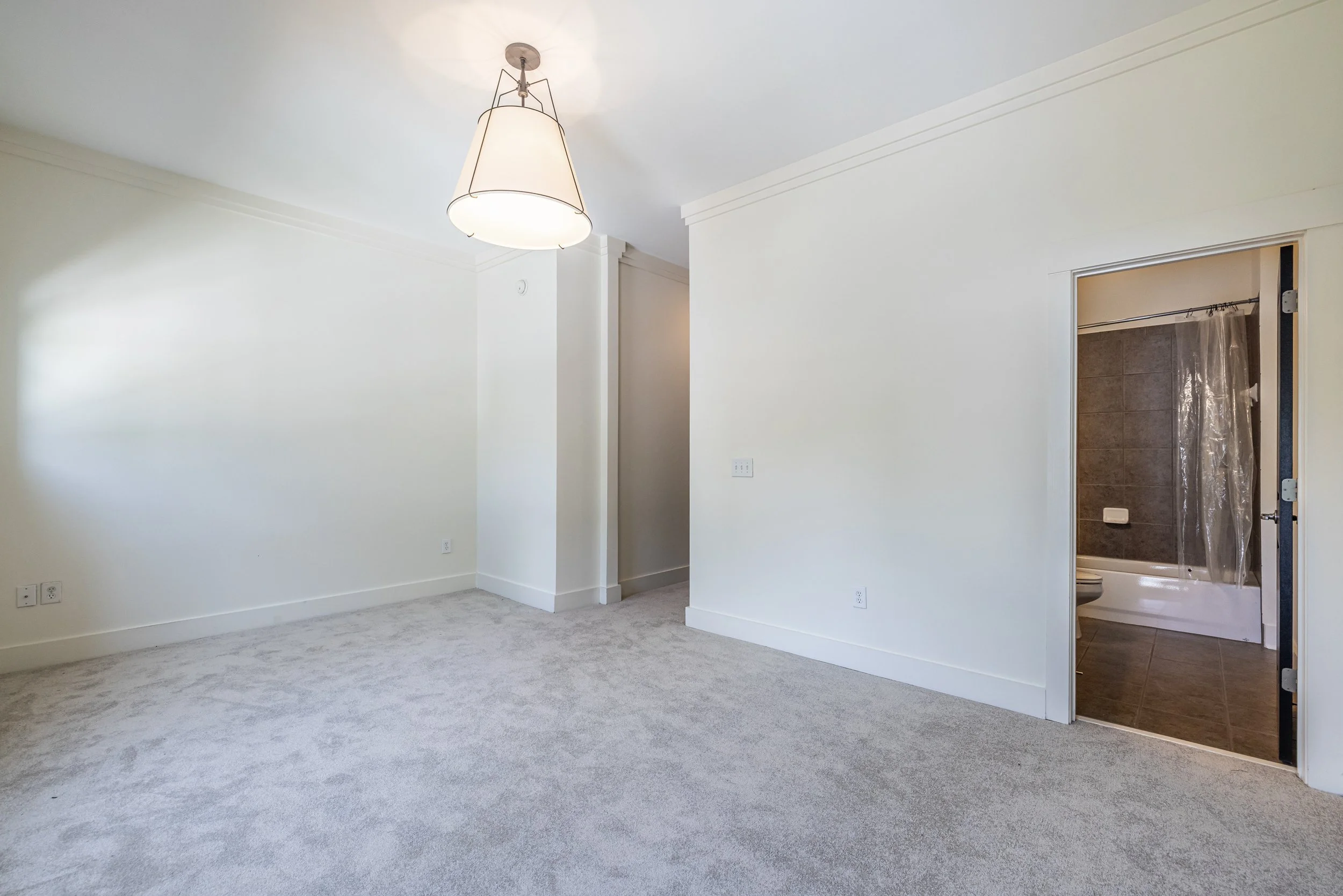
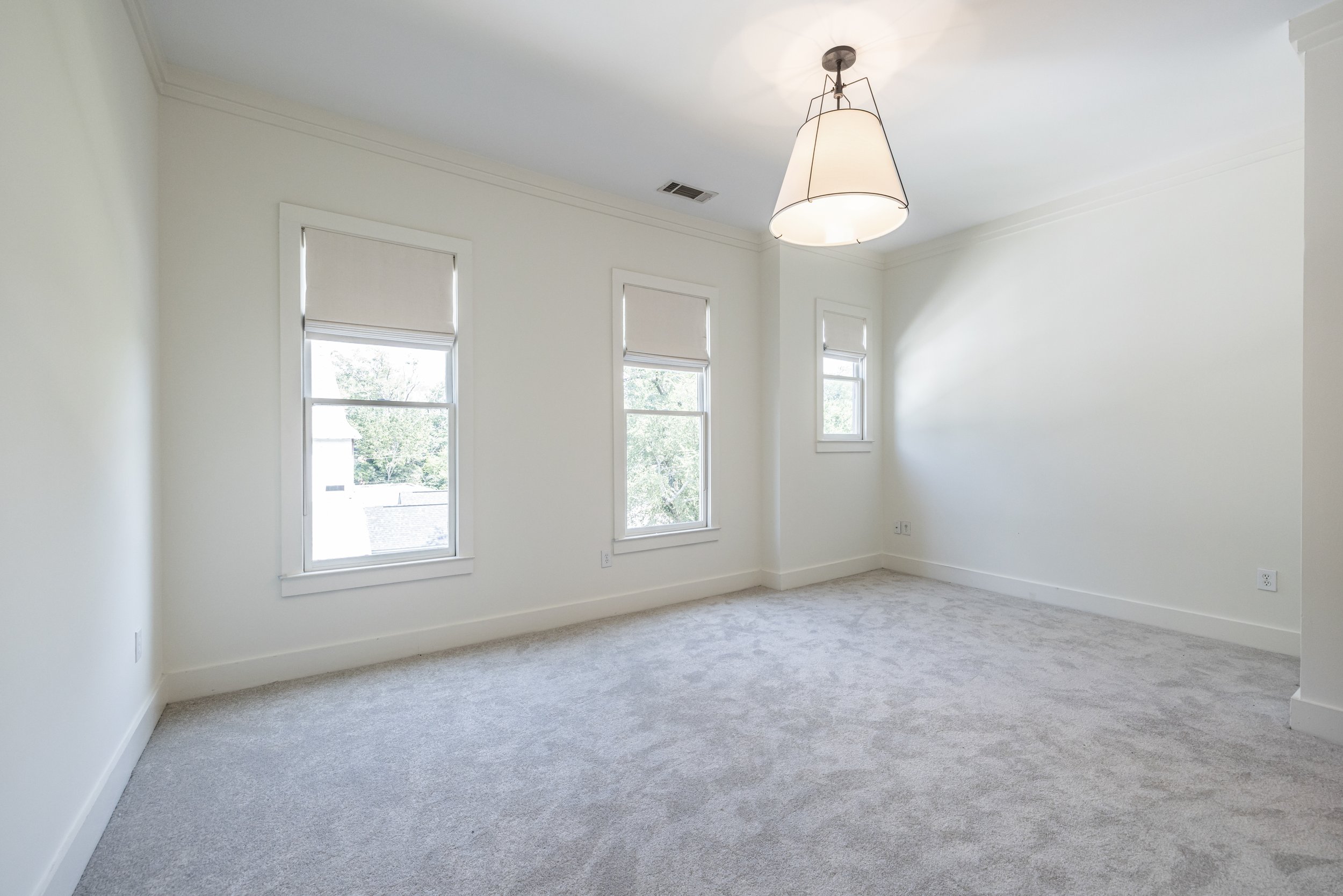
PROBLEM: After several years as a rental, this newer Kirkwood townhome was fundamentally in good condition, but normal wear and tear left buyers with a handful of things to notice: dingy paint, worn and wrinkled carpet, and a damaged garage door.
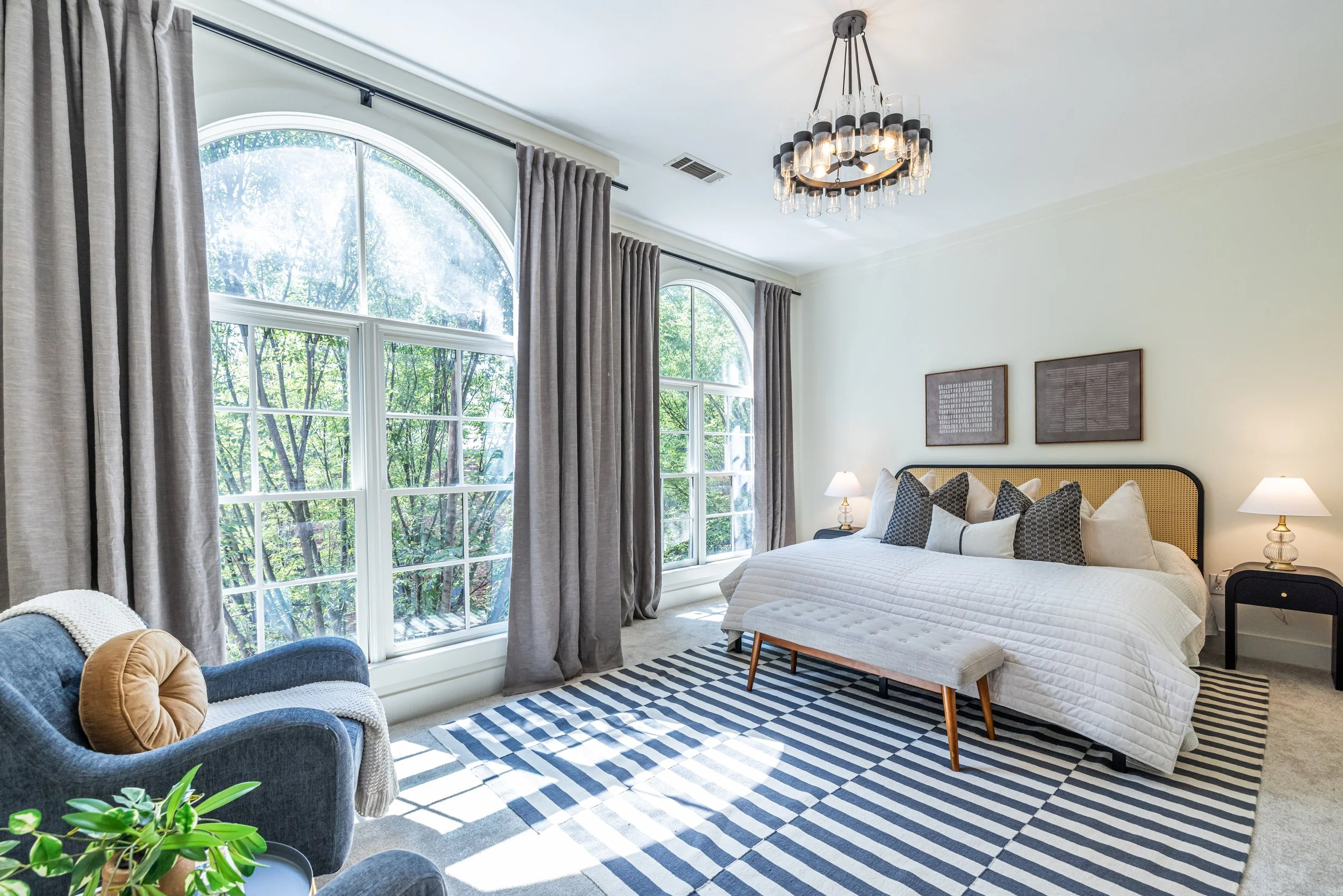
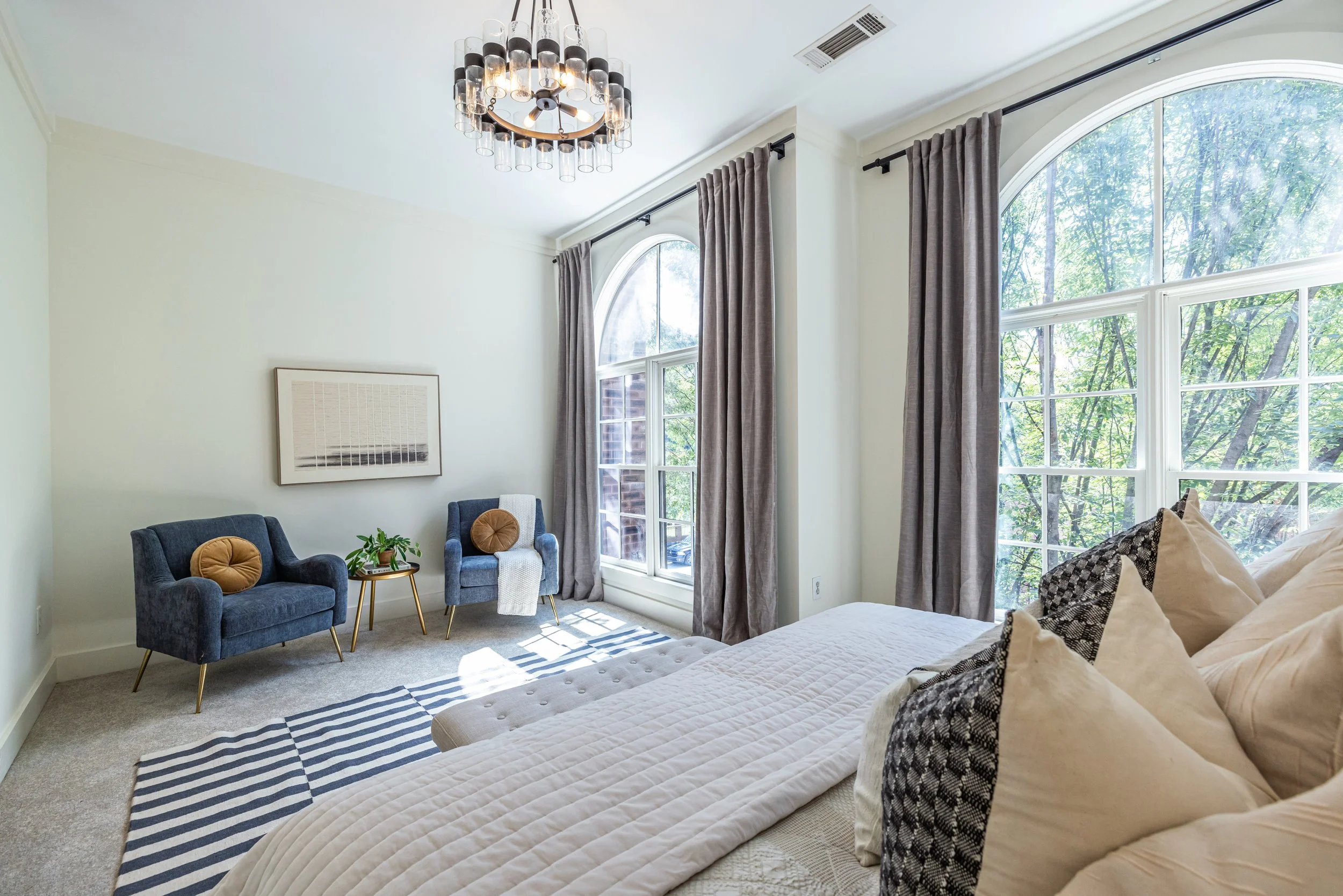
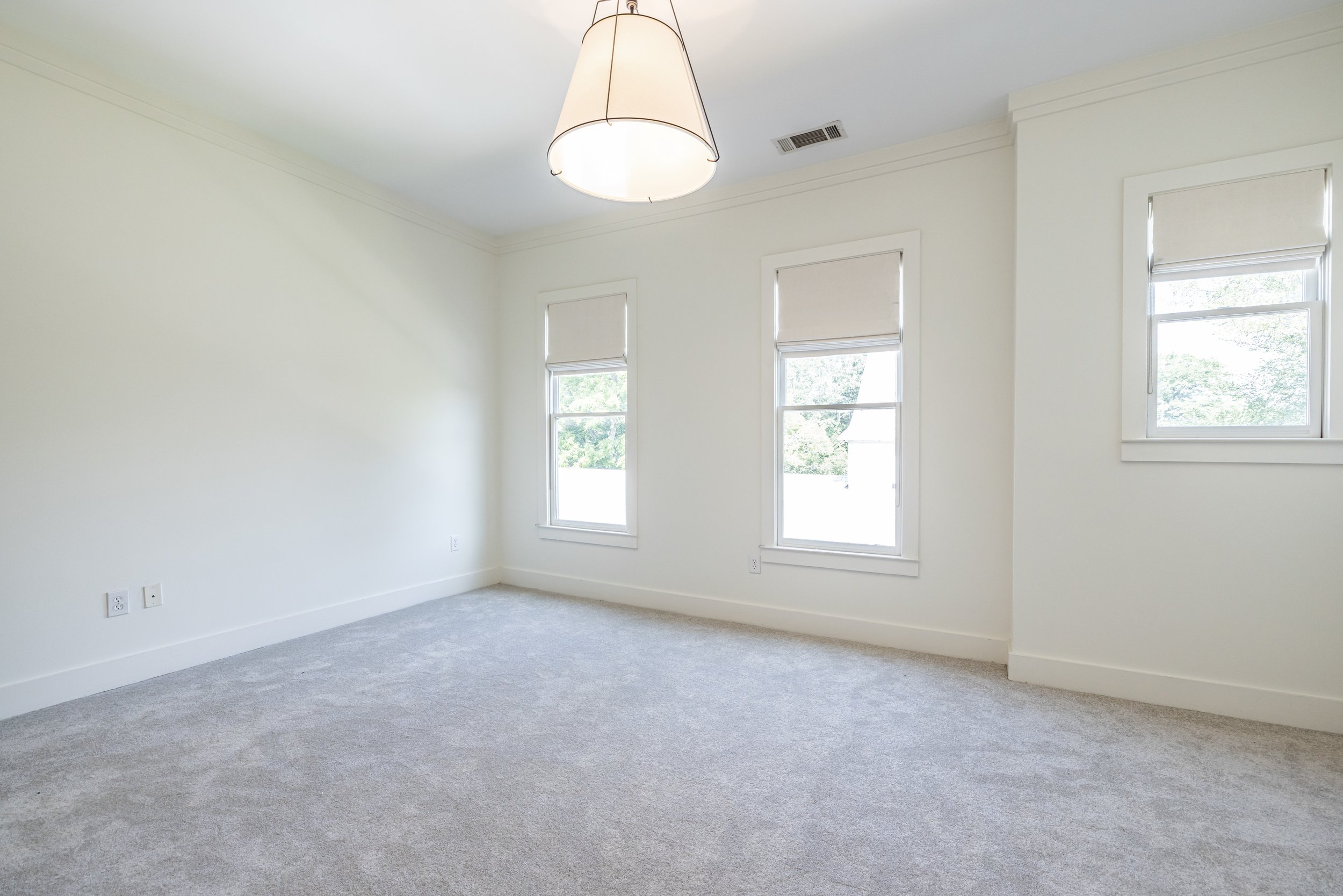
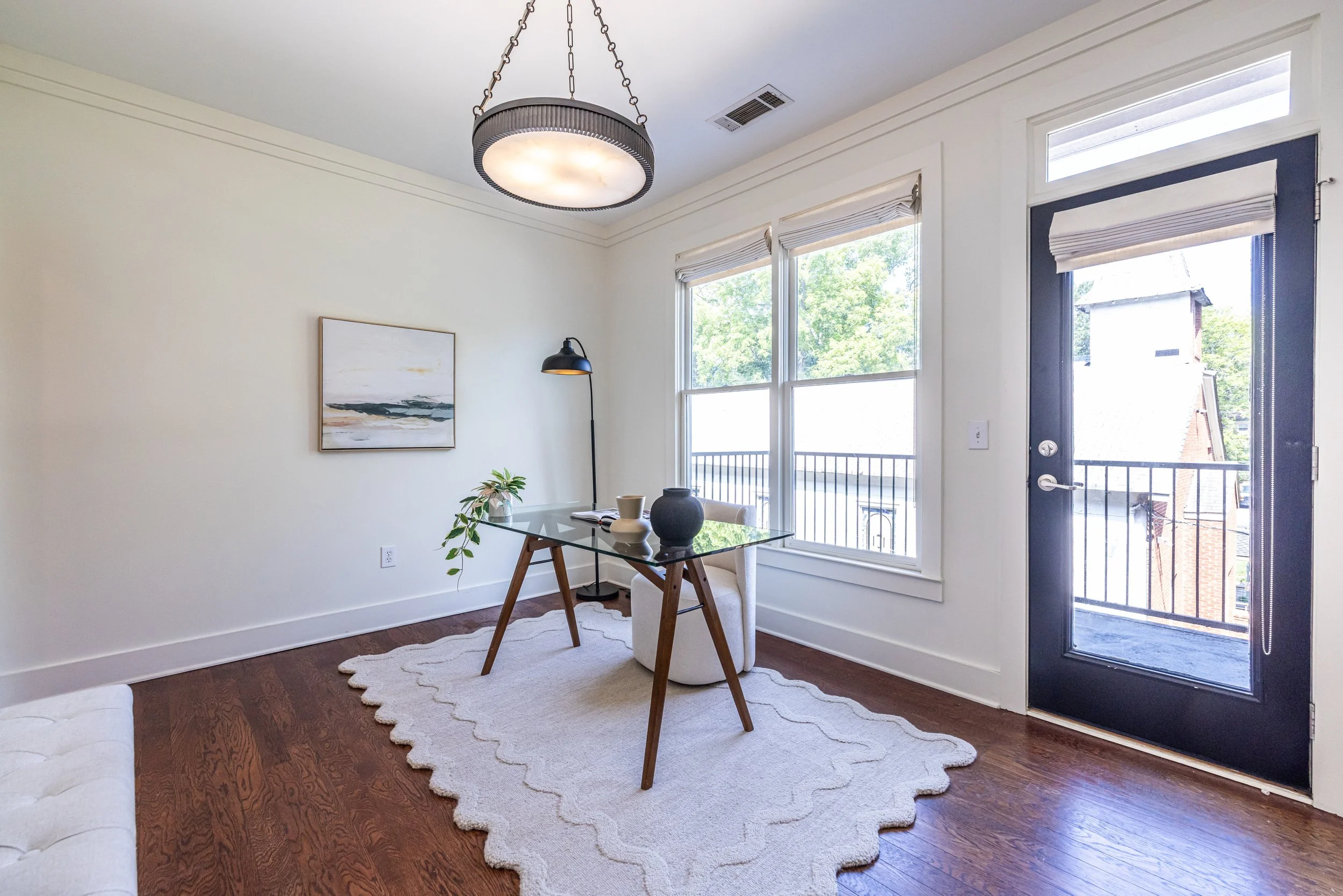
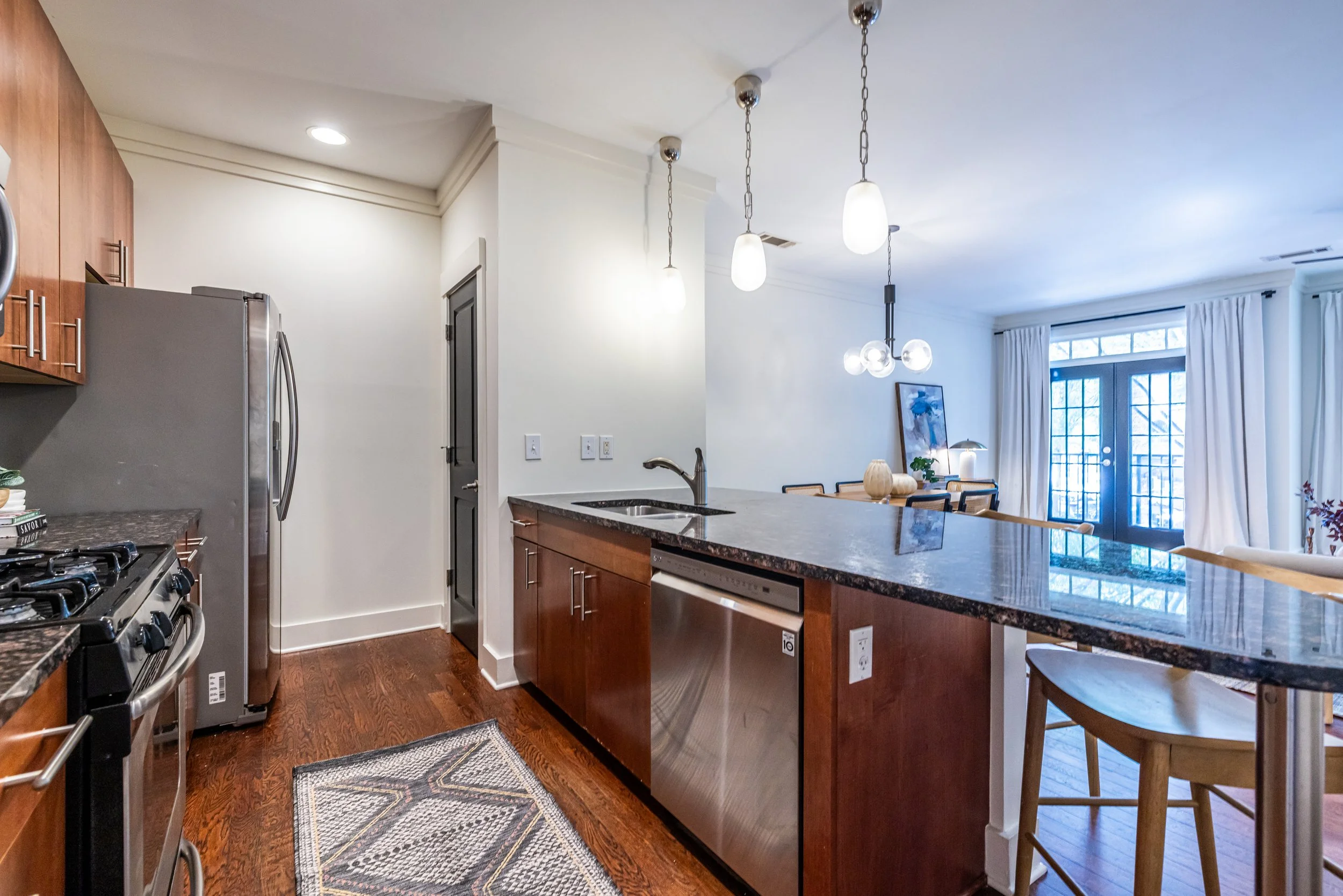
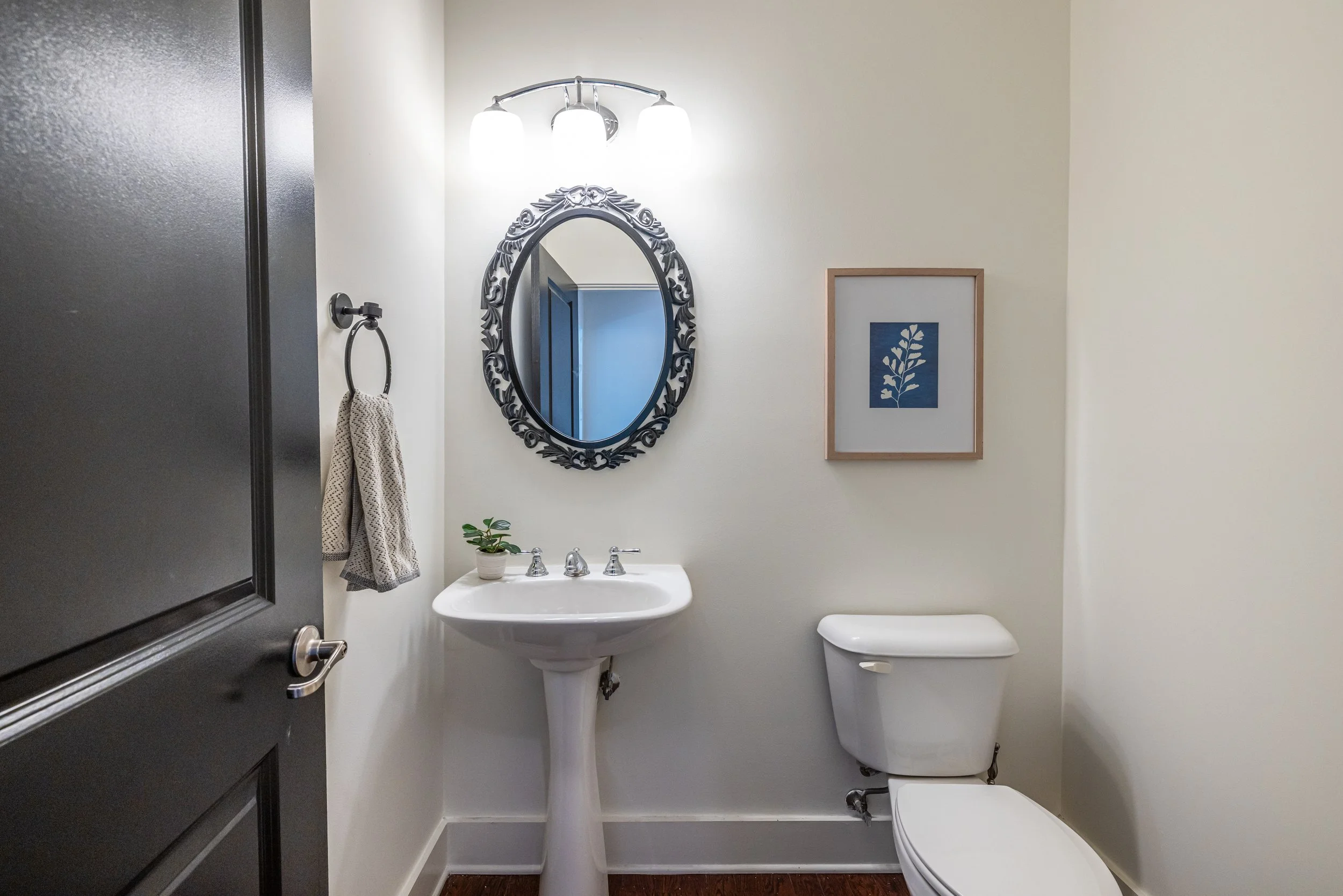
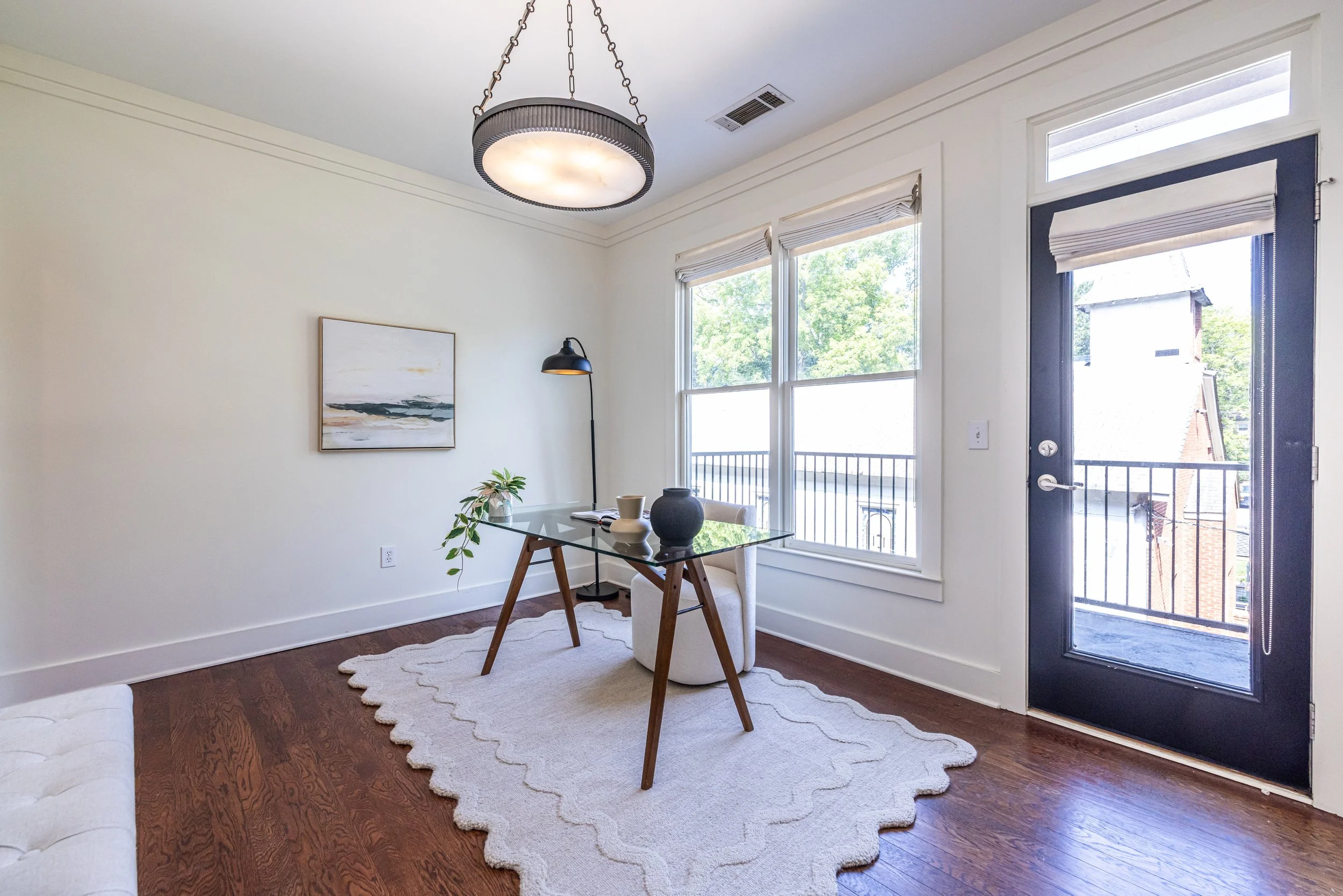
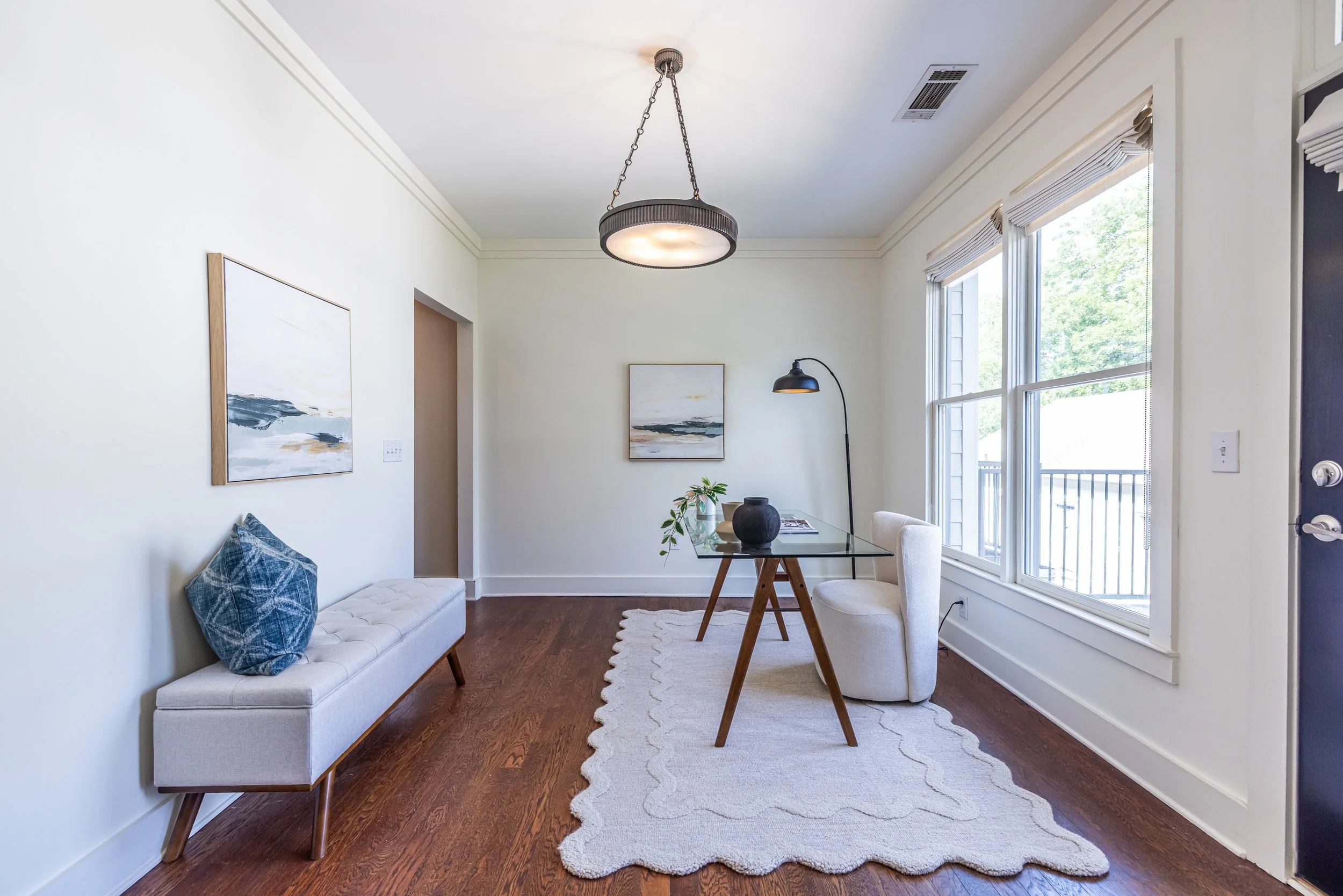
RECOMMENDATIONS: Repair the garage door, repaint the interior, replace the upstairs carpet, and professionally stage the home so buyers could focus on the townhome itself rather than a list of projects waiting for them after closing.
ACTION: We completed our curb-to-curb walkthrough, identified the improvements we believed would matter most, prepared and staged the property, and initially priced it at $525,000 based in part on a comparable sale in the same community just a few months earlier.
RESULTS: When the market continued to soften and the original price produced no offers during the first two weeks, we adjusted quickly to $499,000. That generated a full-price offer, and after negotiations, the property closed for $490,000 in 28 days.
CONCLUSION: In a challenging townhome market, a home doesn't necessarily need a dramatic renovation to compete. Sometimes the winning strategy is eliminating the small objections, presenting the property beautifully, and being willing to respond quickly when the market tells you the price needs to change.
-
BEFORE
-
AFTER
A New Chapter After Divorce
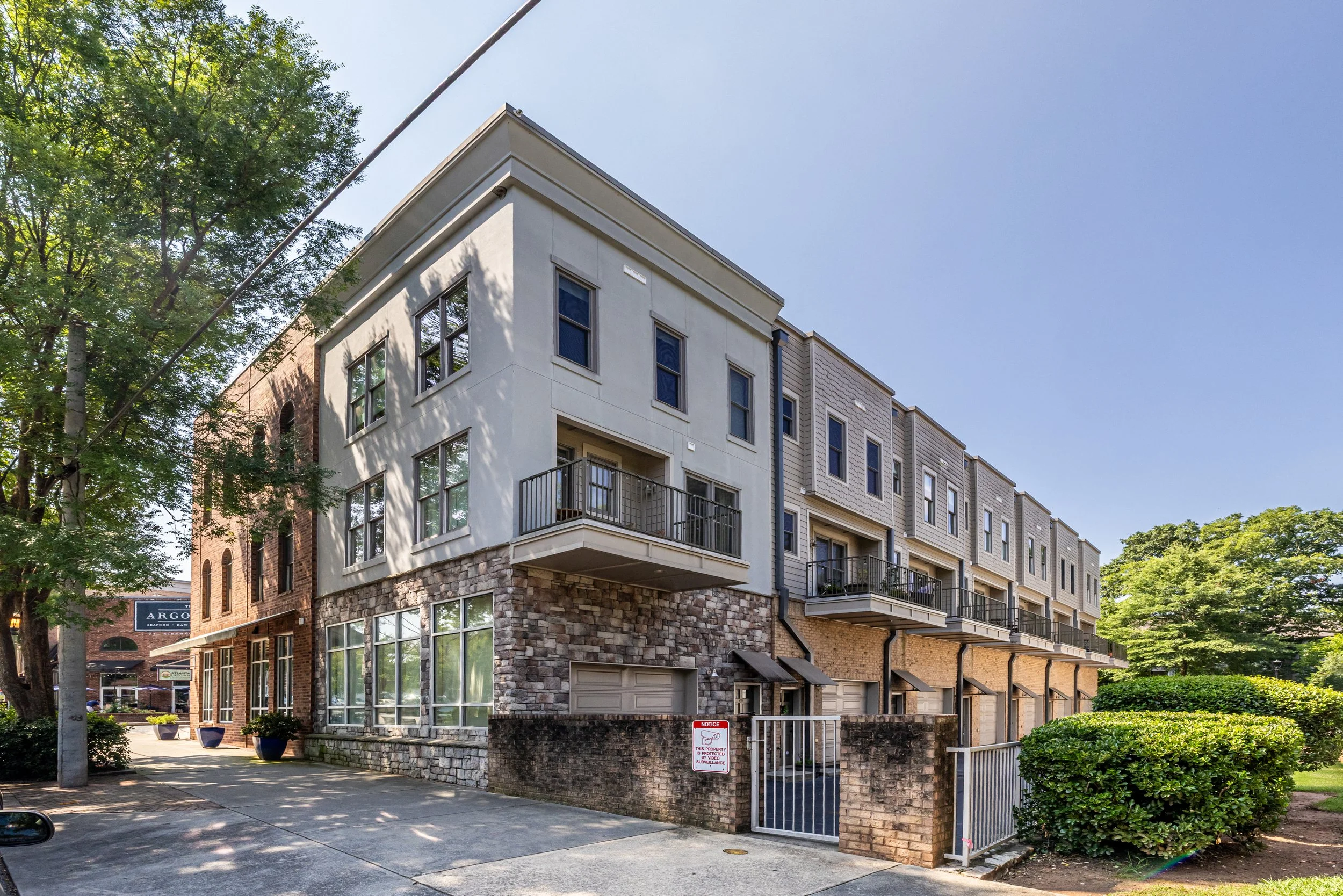
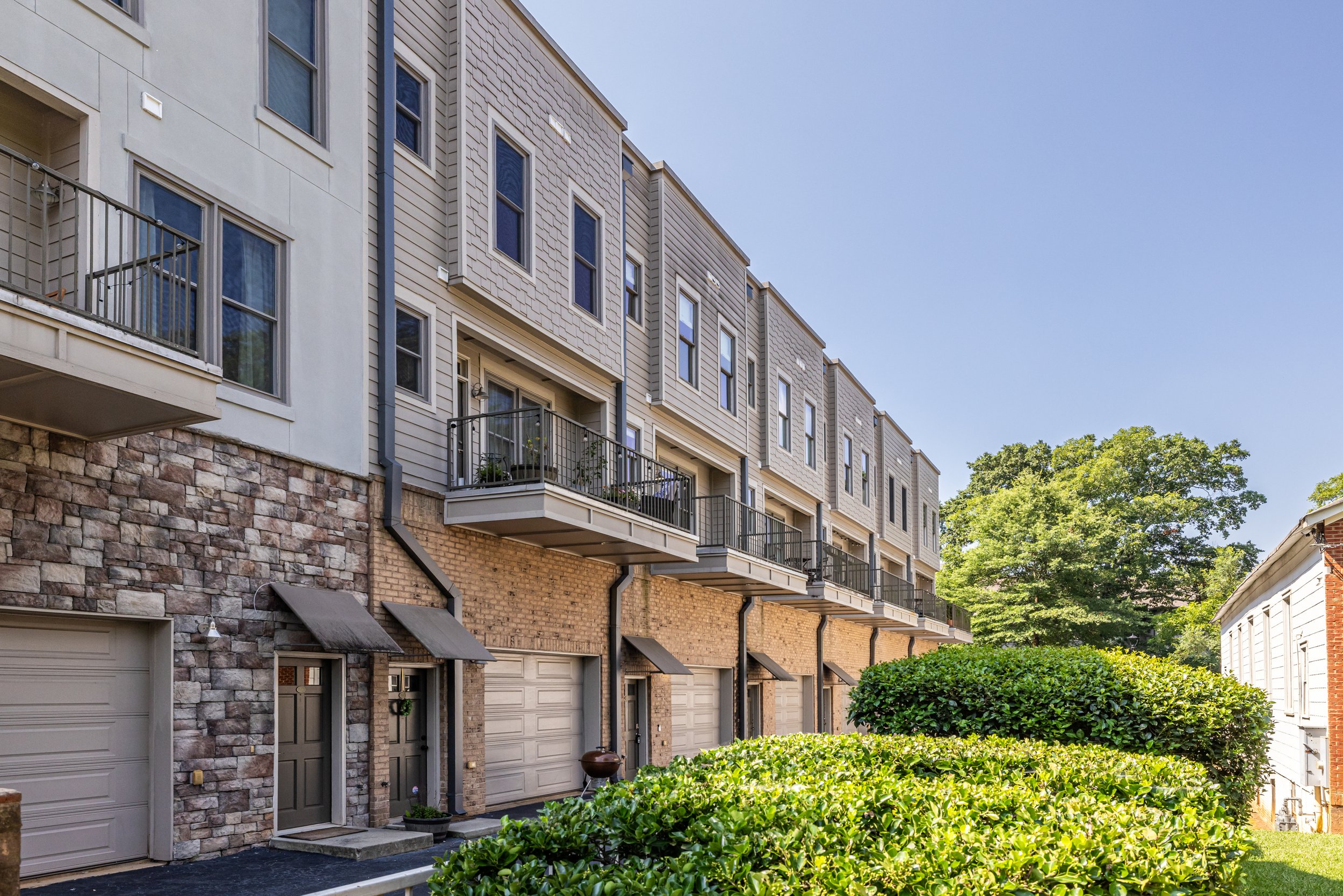
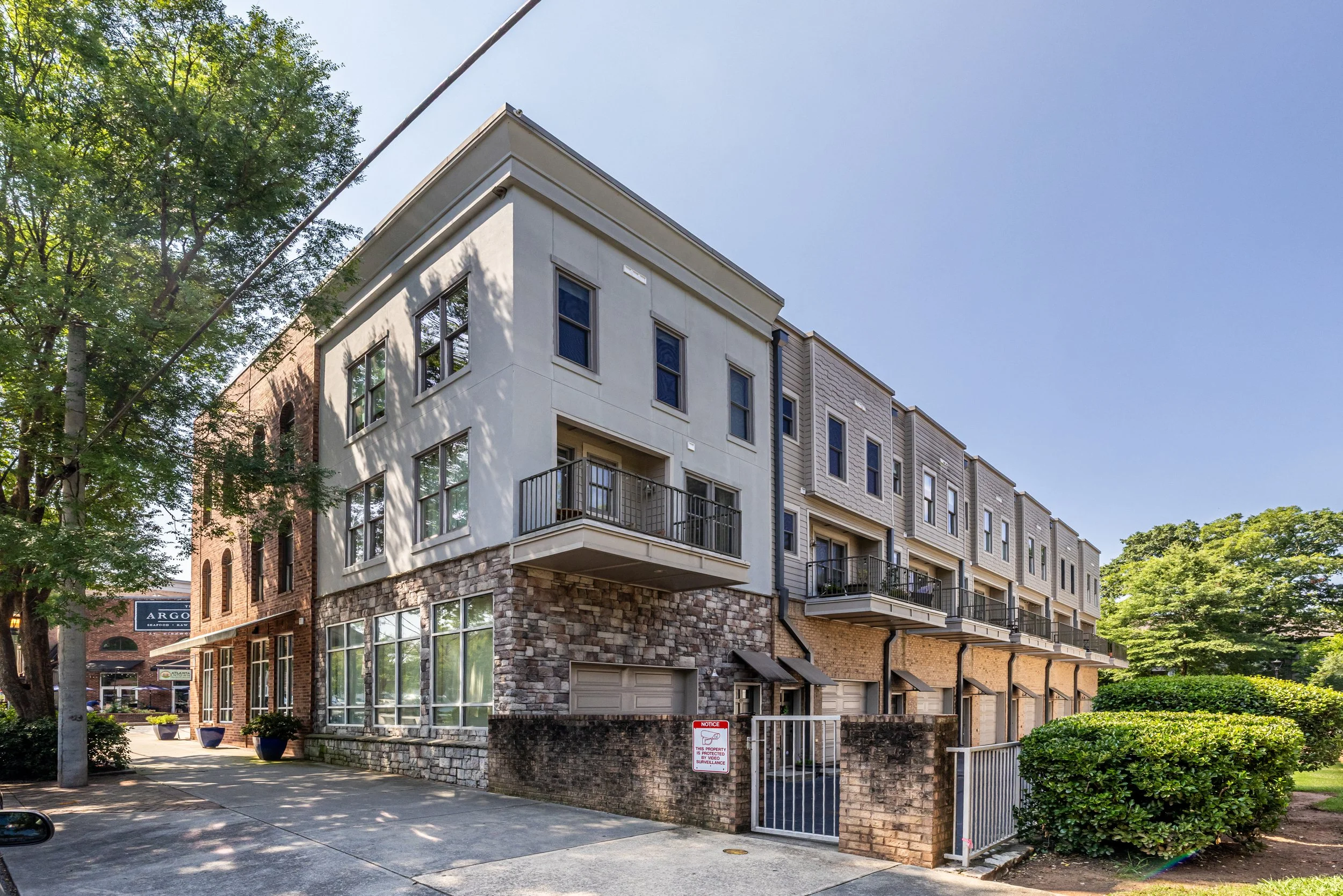
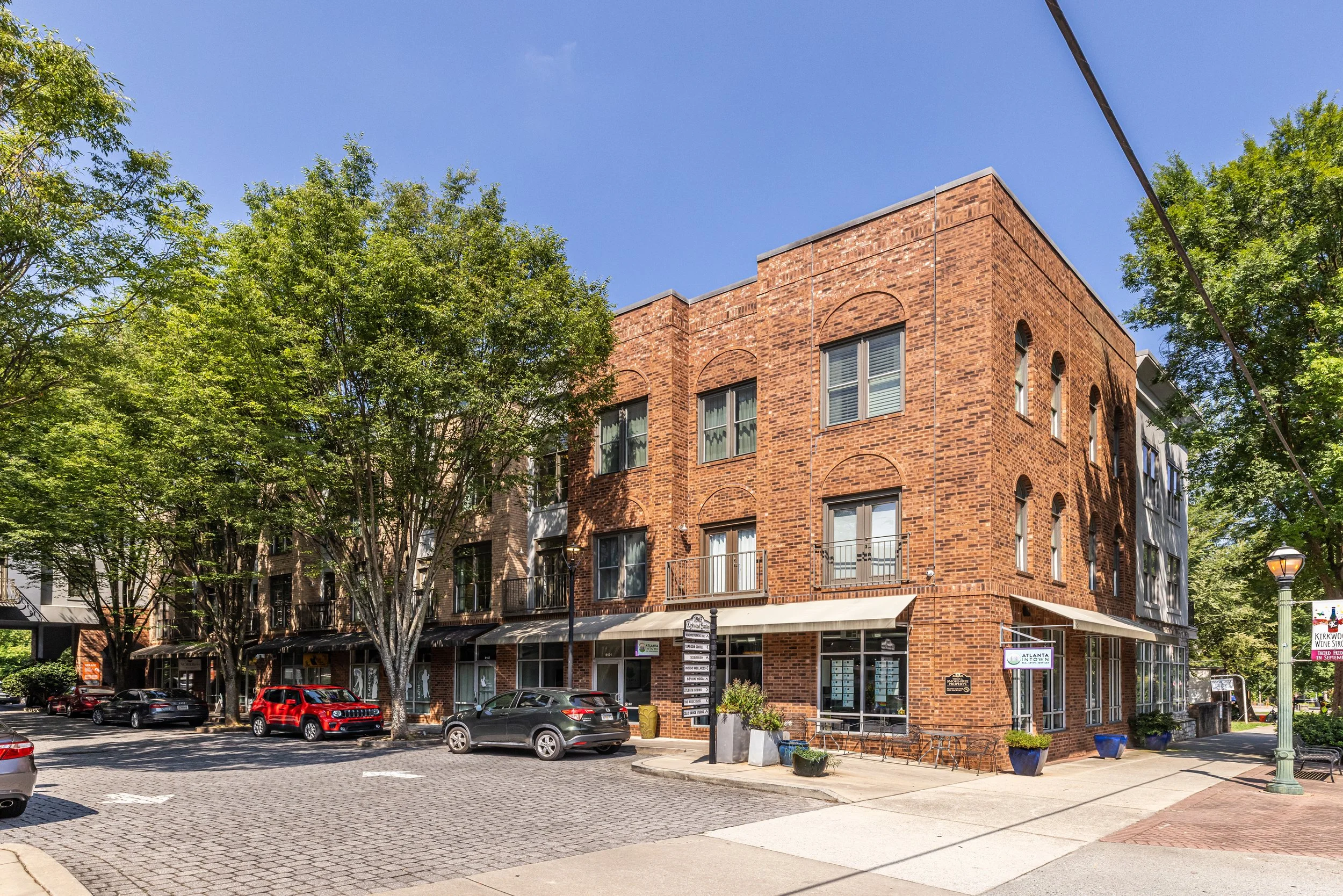
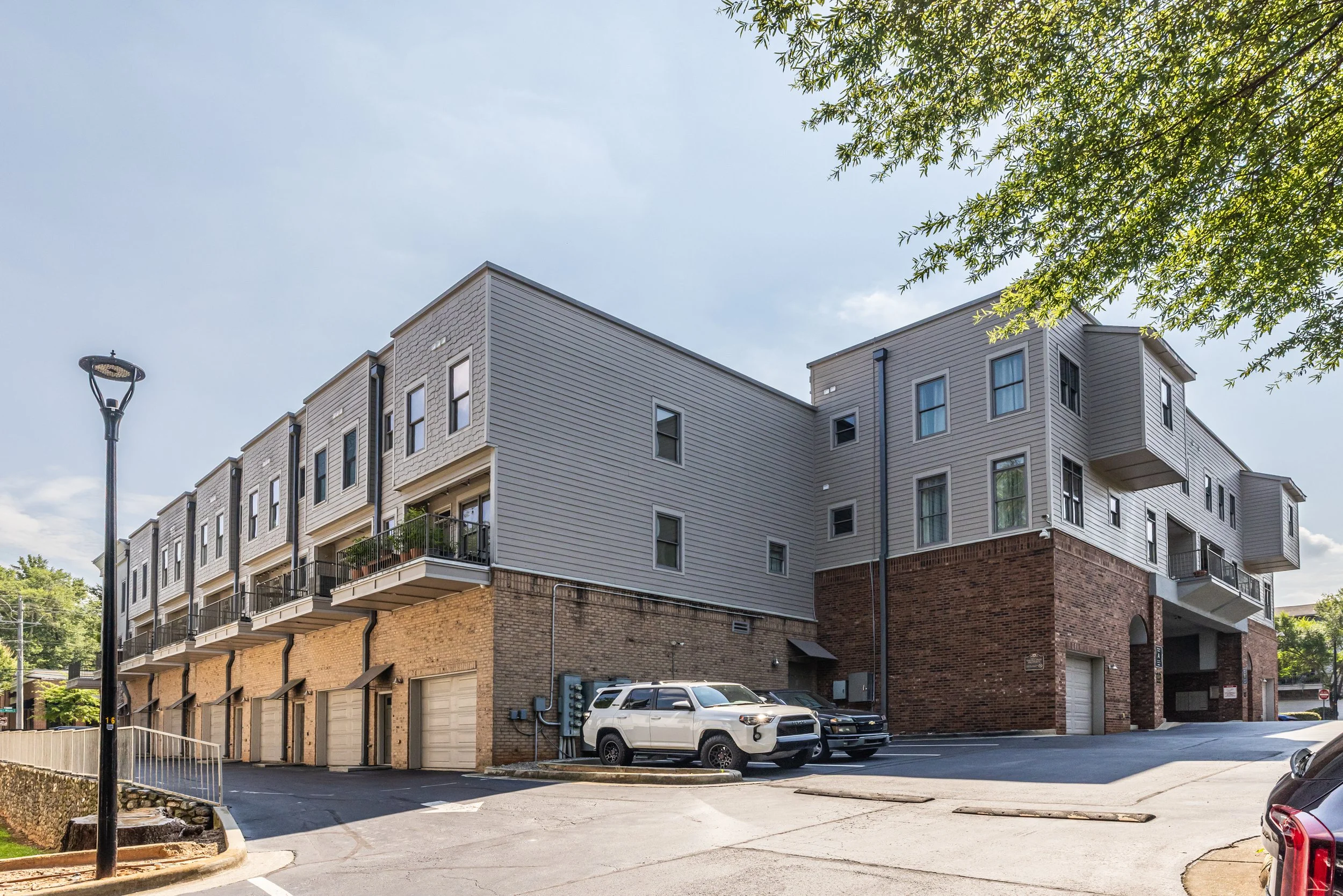
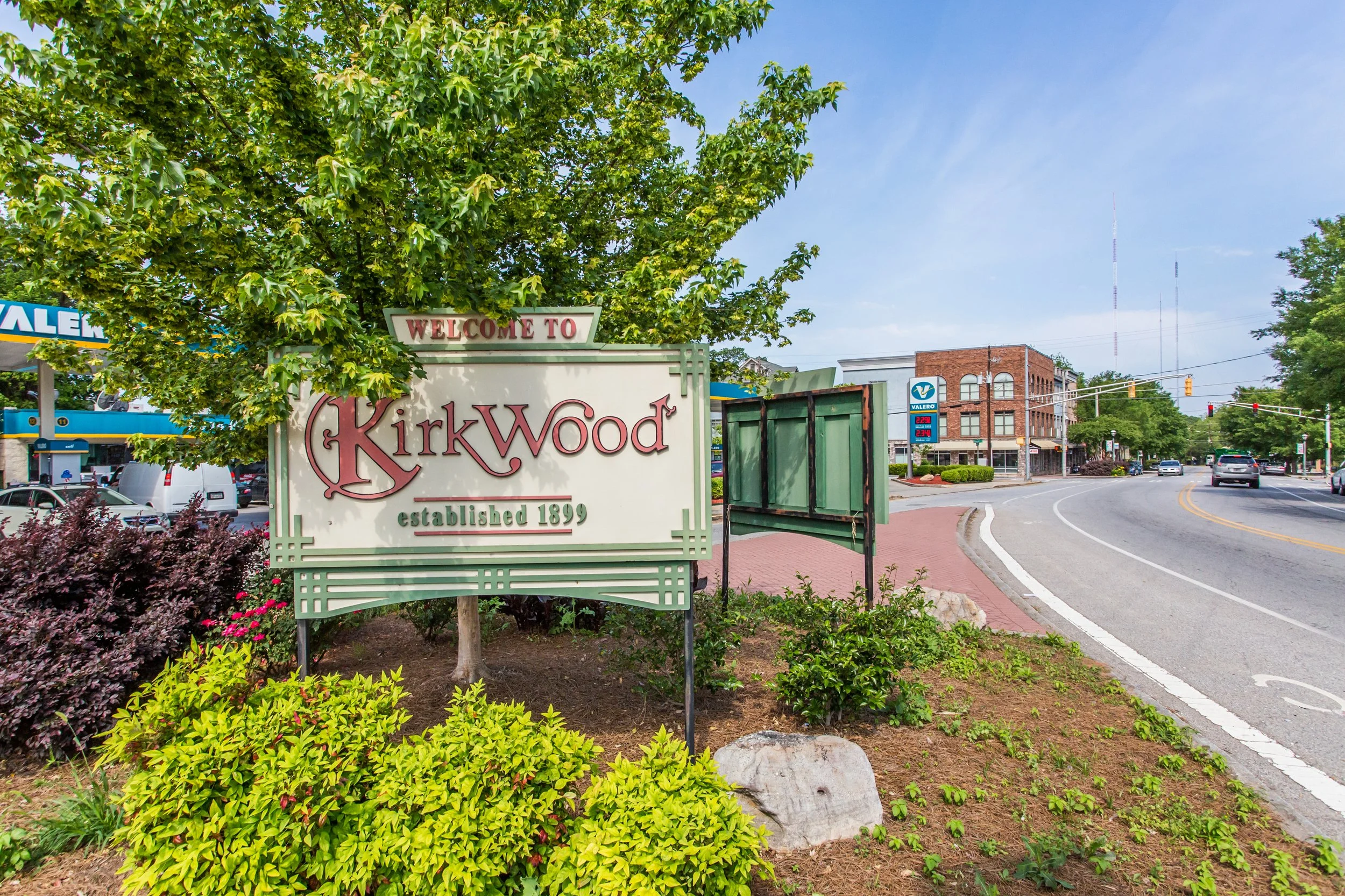
John purchased his two-bedroom, two-and-a-half-bath townhome at 1963 Hosea L. Williams Drive in Kirkwood after a divorce. It became his home for the next several years and served him well through that chapter of his life.
Eventually, another chapter began. John remarried and moved into his new wife's home, turning the Kirkwood townhome into a rental property. Later, the two decided they wanted to move to France and continue their life there. Once John's tenants moved out, he called Rob to figure out what he should do with the townhome before putting it on the market.
Unlike some of the older homes we prepare for sale, there wasn't a daunting renovation list waiting for us. The townhome was actually in pretty good shape.
But “pretty good” and “ready for market” aren't always the same thing.
-
BEFORE
-
AFTER
Our Curb-to-Curb Walkthrough Found Three Problems
We started with our curb-to-curb walkthrough, going through the property the way we believe a buyer will and looking for the things most likely to affect how the home shows and sells.
Three items stood out.
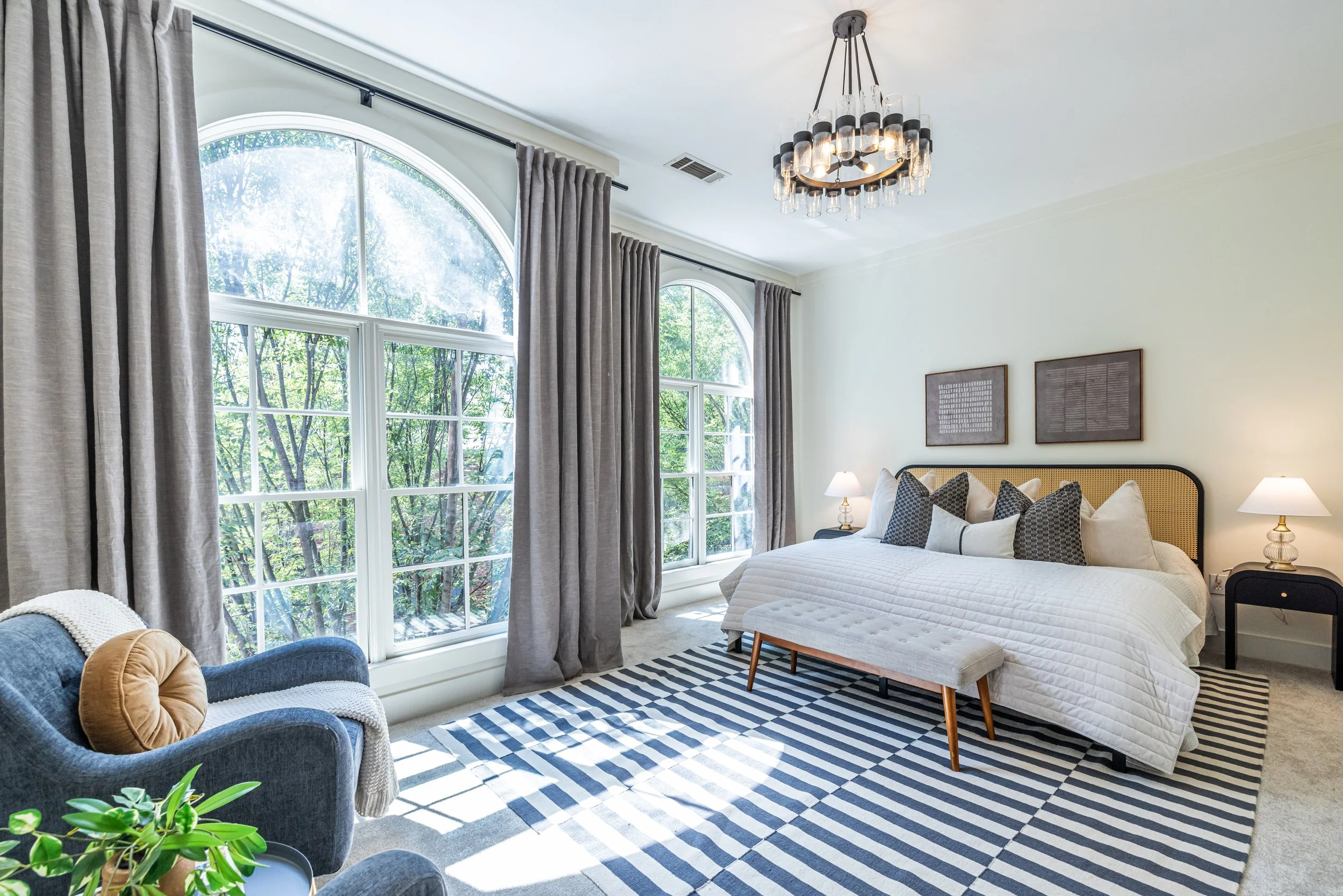
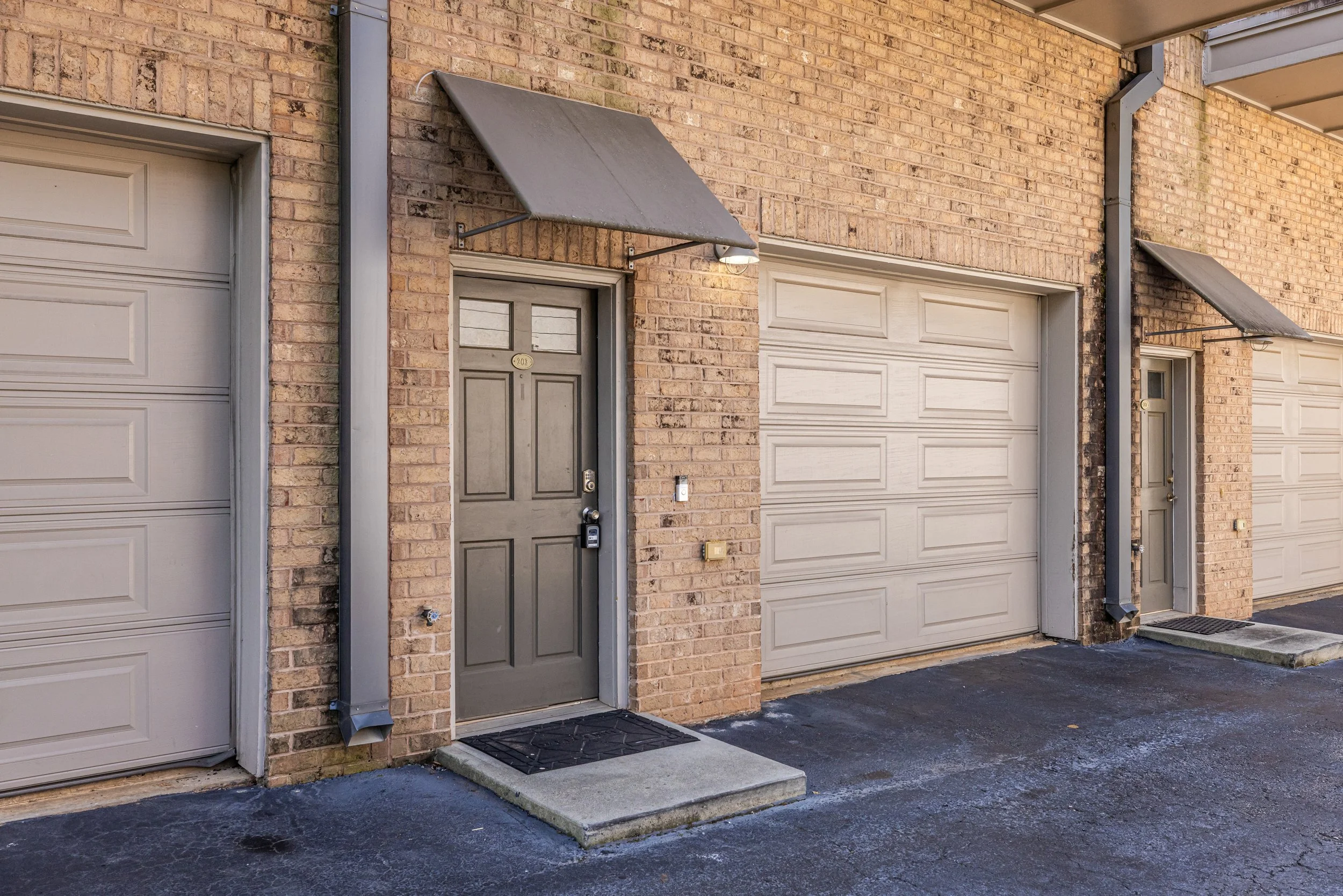
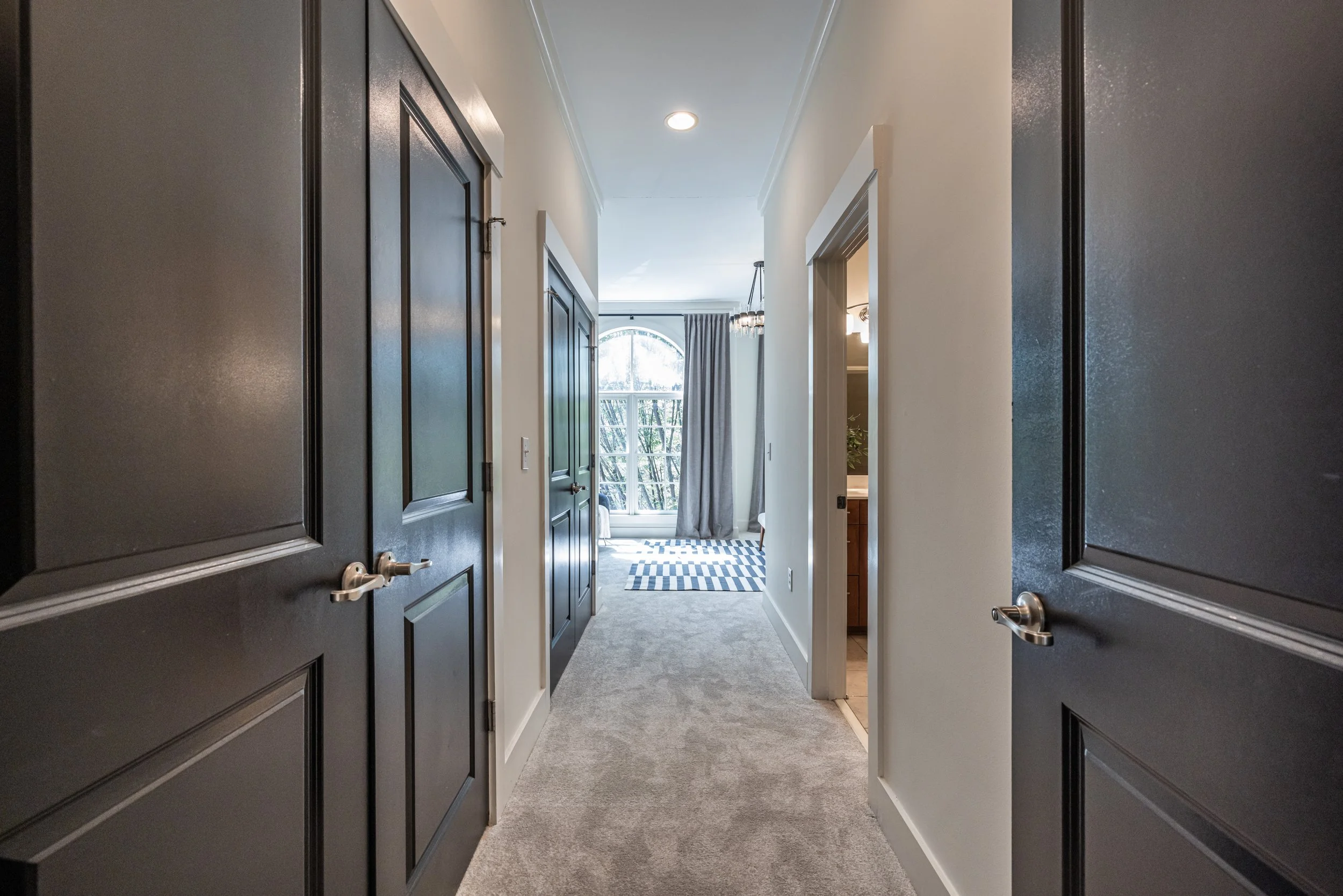
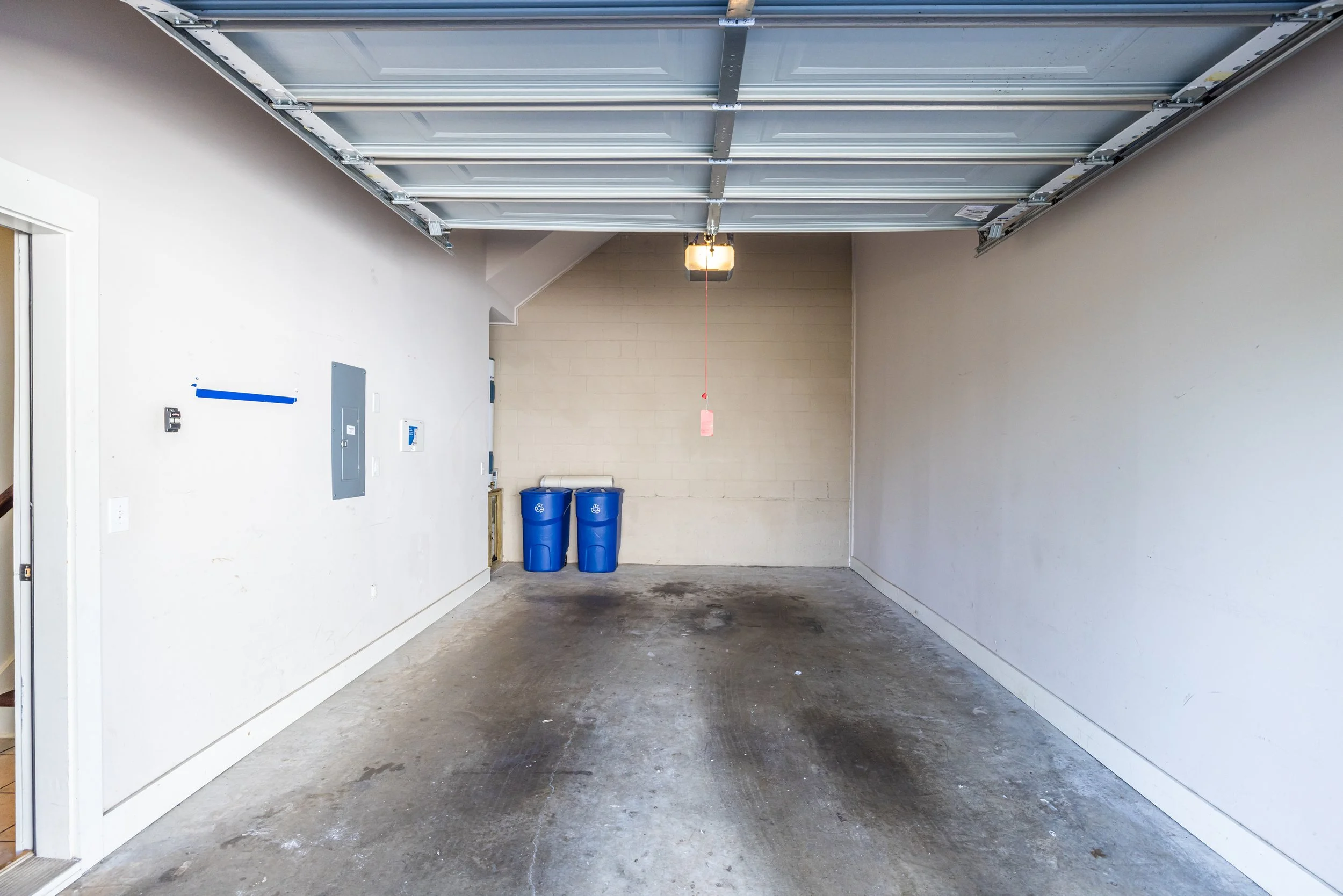
The garage door had been dented badly enough that it was affecting its operation. Inside, years of everyday living followed by tenants had left the paint looking dingy. And upstairs, the carpet had reached the end of its useful life. It was dirty and wrinkled, and in a few places the wrinkles had become enough of a trip hazard that leaving it in place wasn't really an option.
None of those things represented a major defect in the property. But together, they could change a buyer's perception of it.
A buyer walking into a freshly painted townhome with new carpet sees a home that feels ready to move into. A buyer walking into the exact same townhome with dirty walls, buckled carpet, and a garage door that doesn't operate properly starts making a mental list.
And in this particular market, we didn't want to give them a list.
-
BEFORE
-
AFTER
Townhomes Were Competing in a Different Market
At the time, Atlanta's condo and townhome market wasn't performing as strongly as the single-family market, and that distinction mattered to our strategy.
Buyers were already contending with higher interest rates and inflation. With a townhome or condominium, they also had to factor a monthly HOA fee into the cost of ownership. That put additional pressure on affordability and reduced the pool of buyers willing or able to purchase.
It also meant buyers had choices.
In a market like that, the units that sell tend to have three things going for them: they're priced correctly, they show extremely well, and they don't greet buyers with obvious projects that need to be tackled immediately after closing.
We couldn't control interest rates or the HOA fee. We could control how John's townhome competed against everything else a buyer could choose.
-
BEFORE
-
AFTER
Fix the Problems, Then Make It Shine
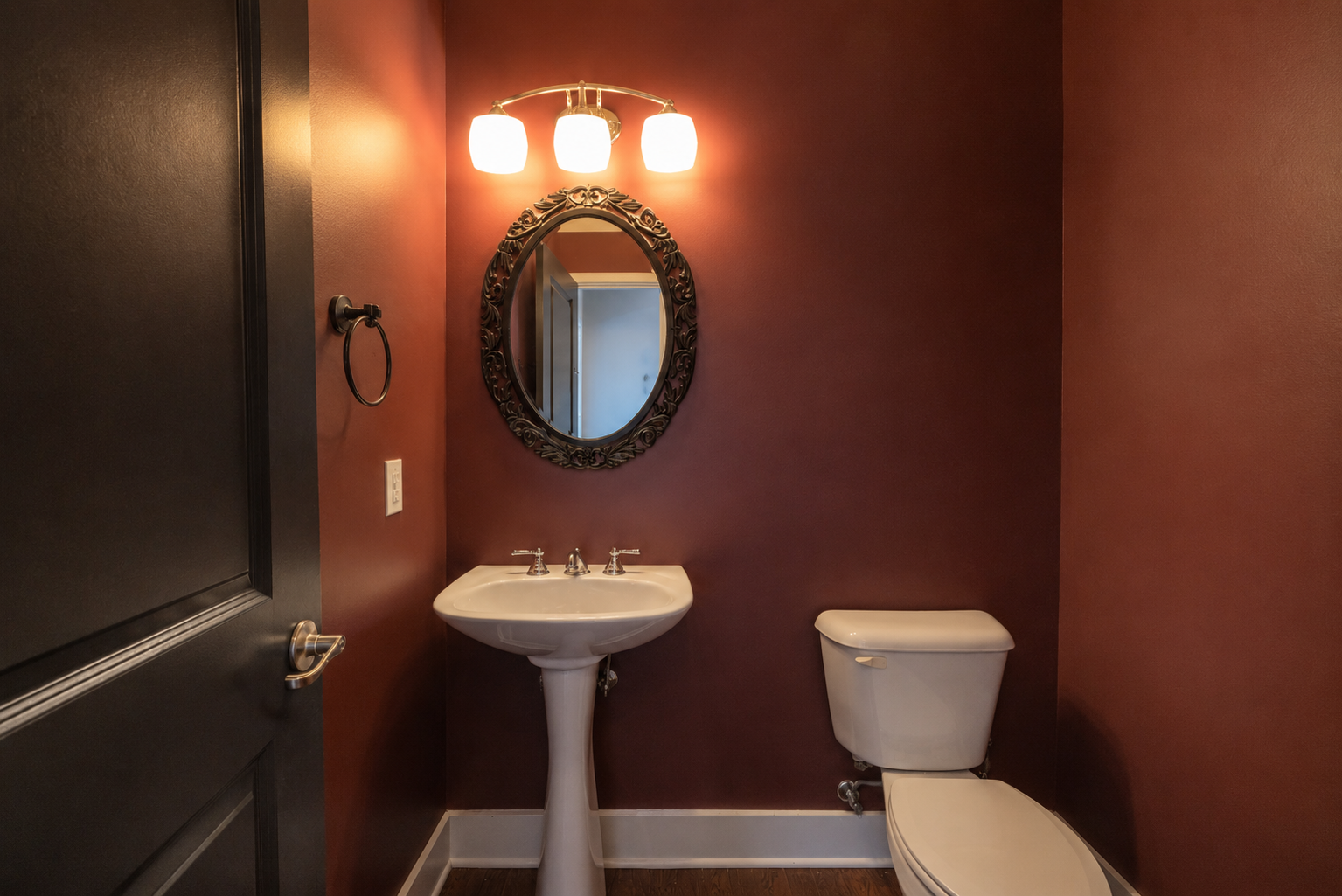
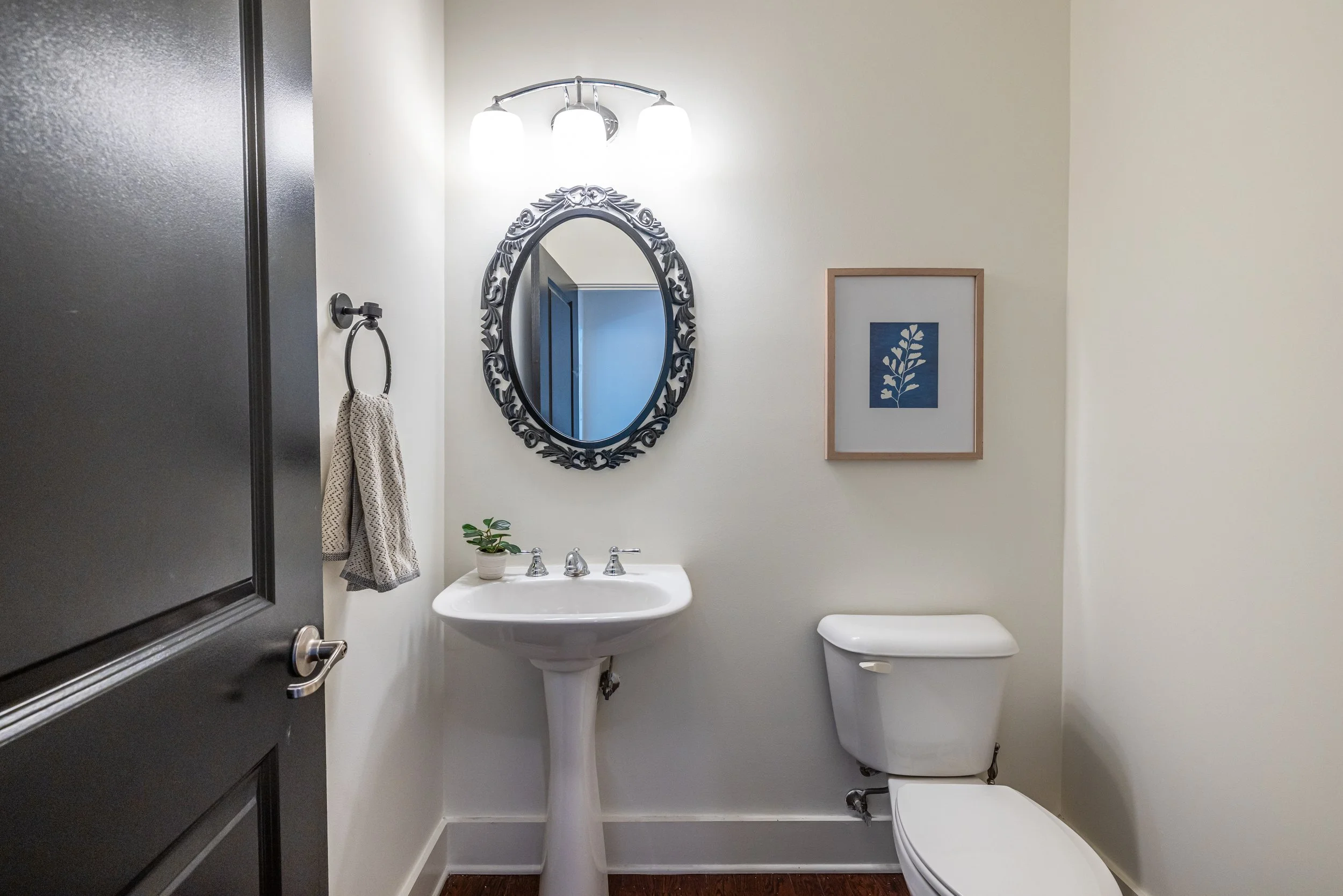
So rather than undertaking unnecessary renovations, we concentrated on the things we believed would actually affect the sale.
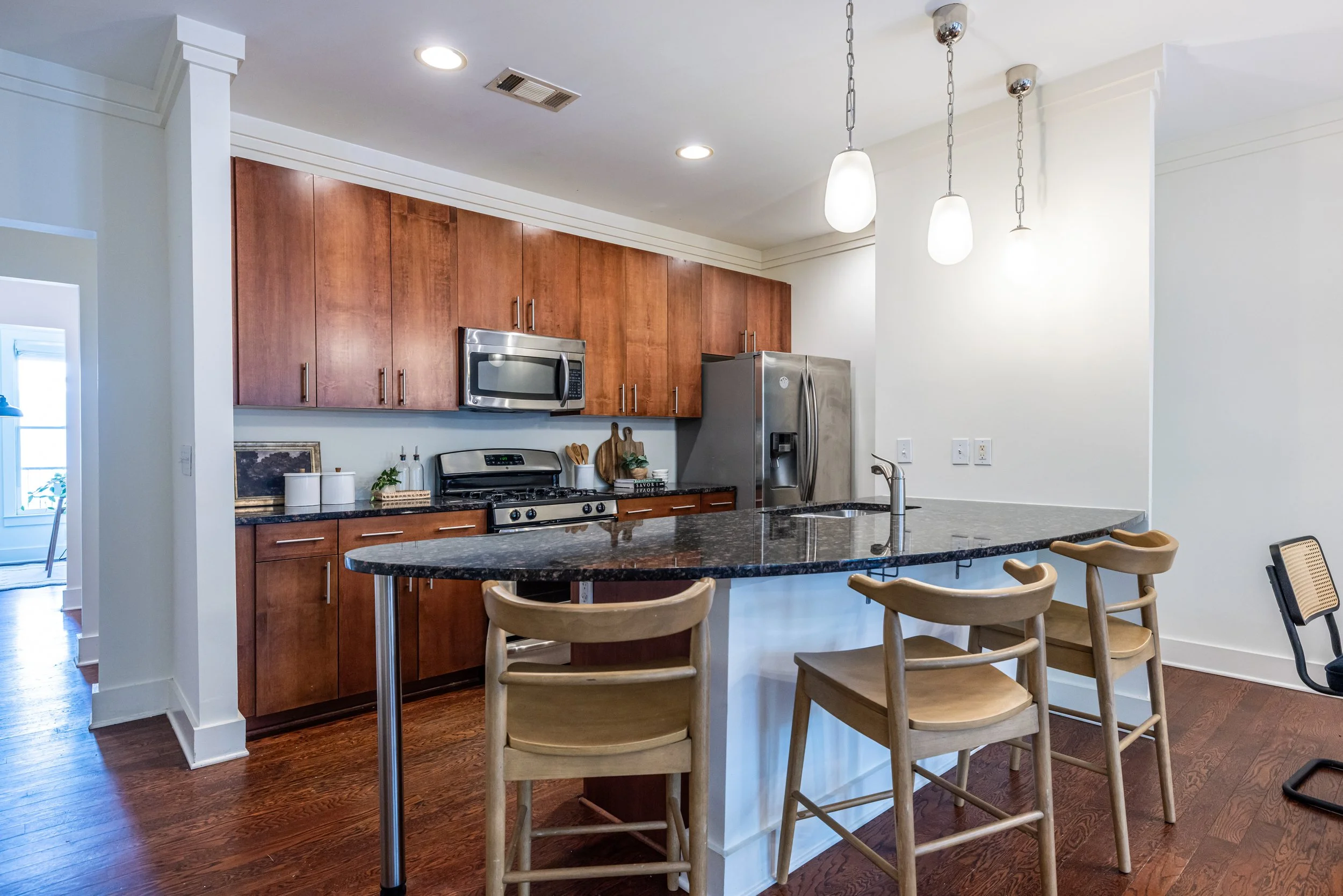
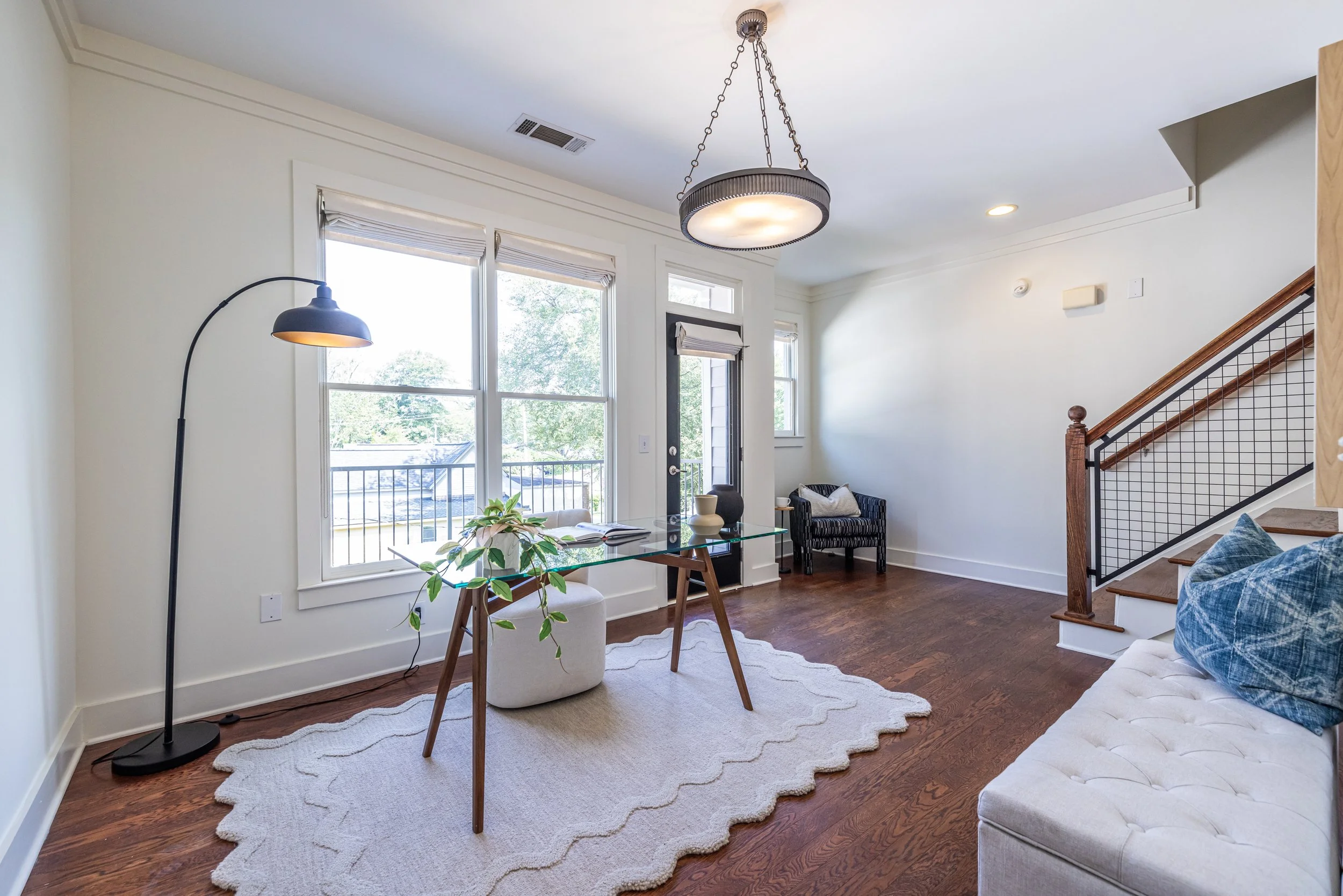
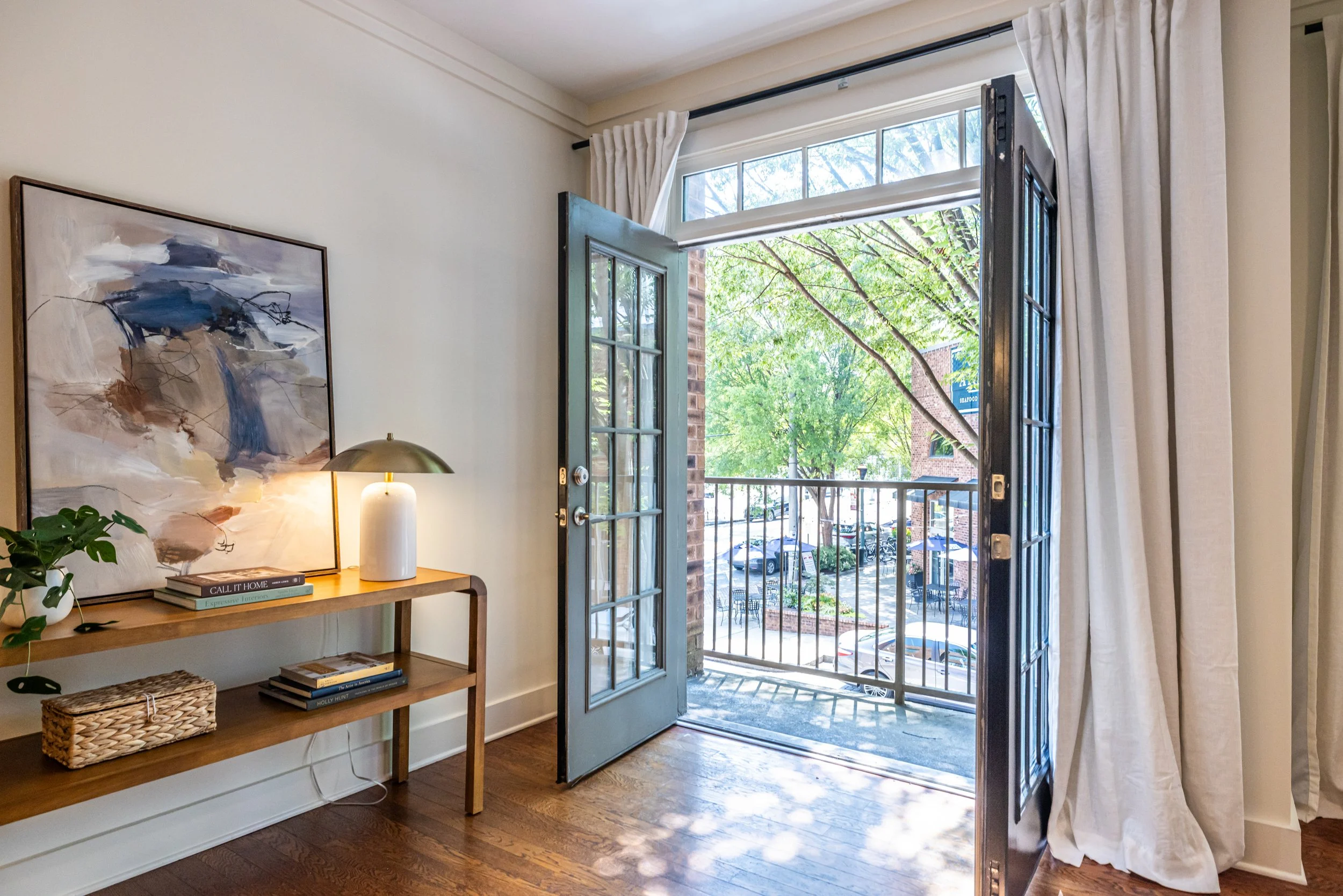
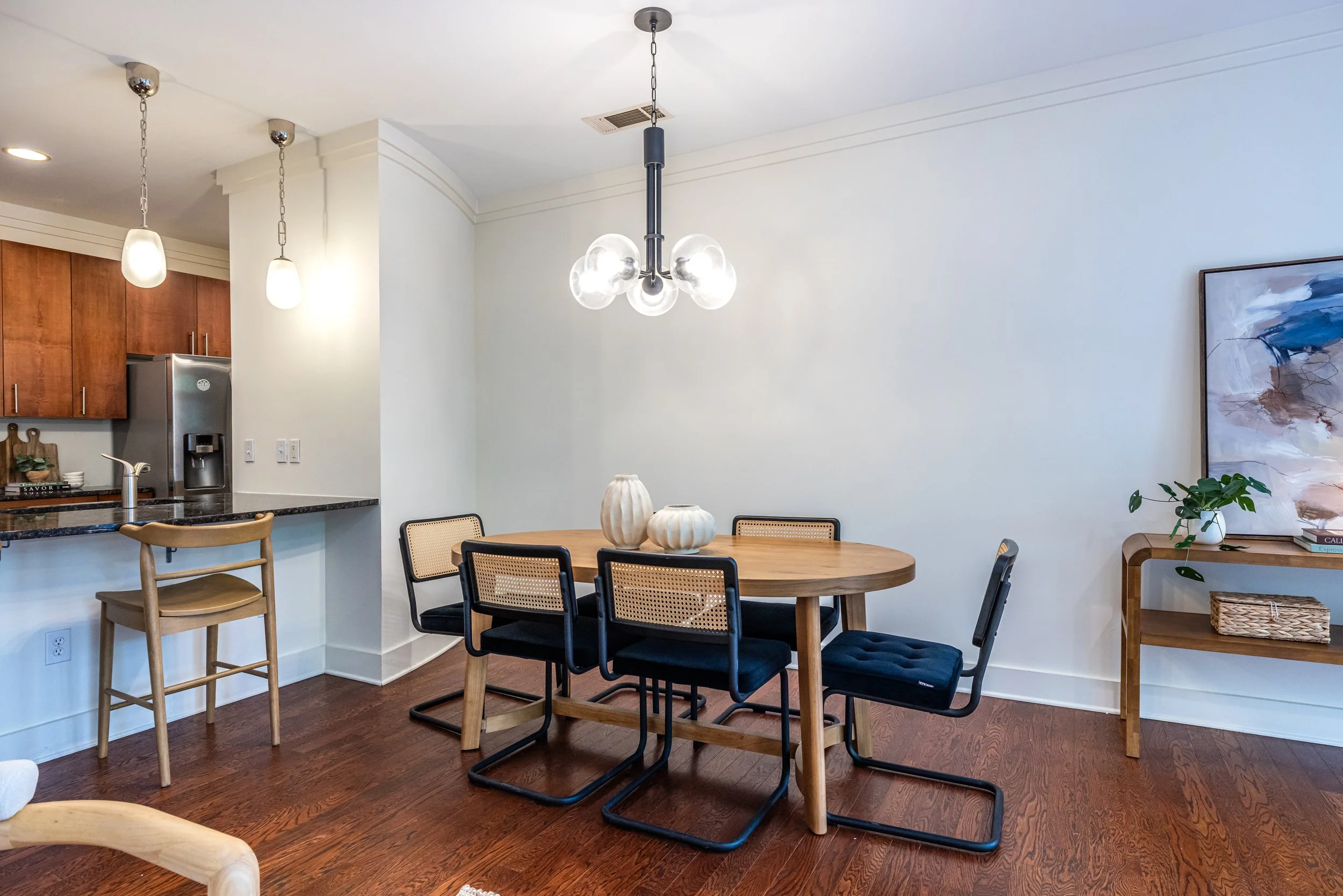
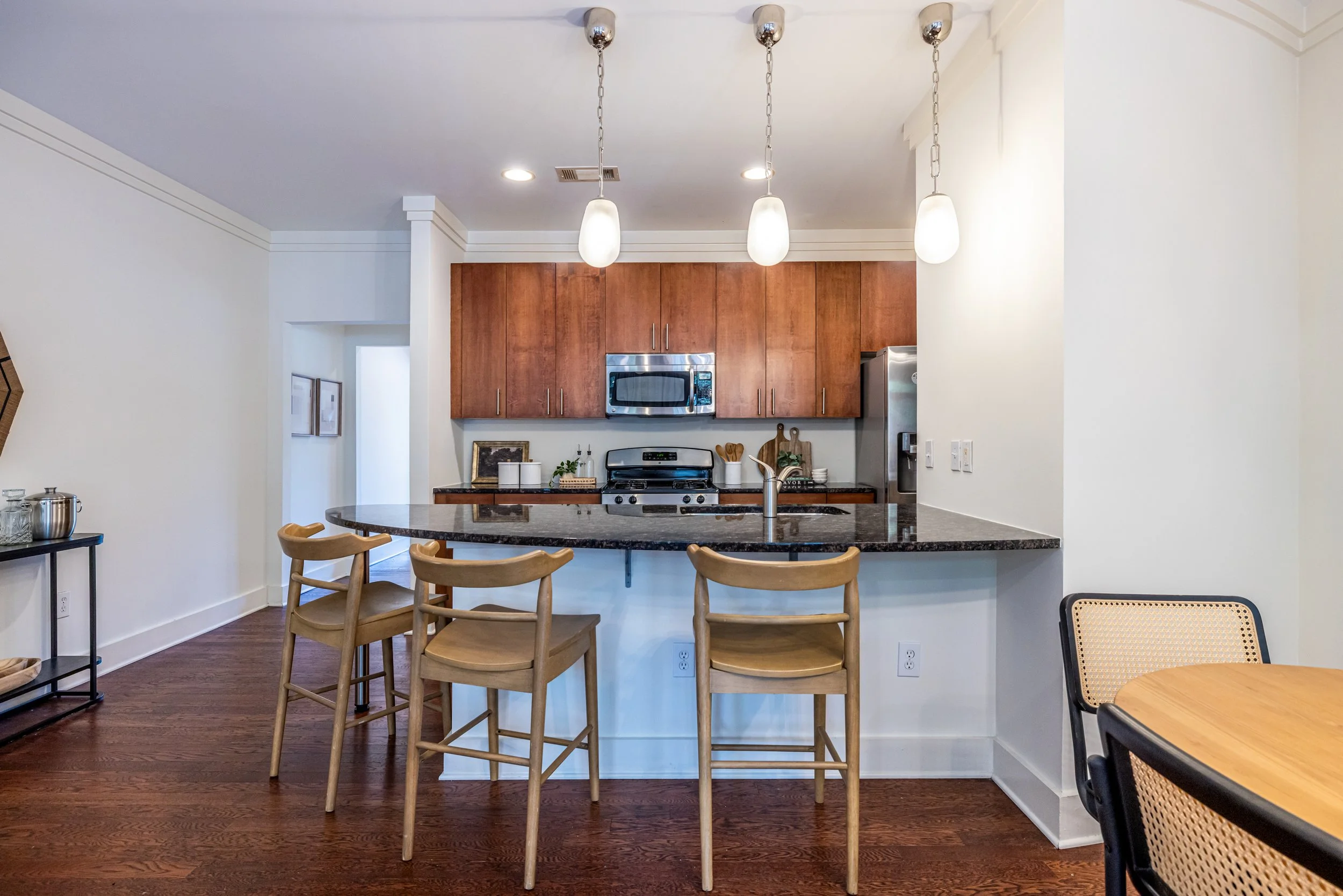
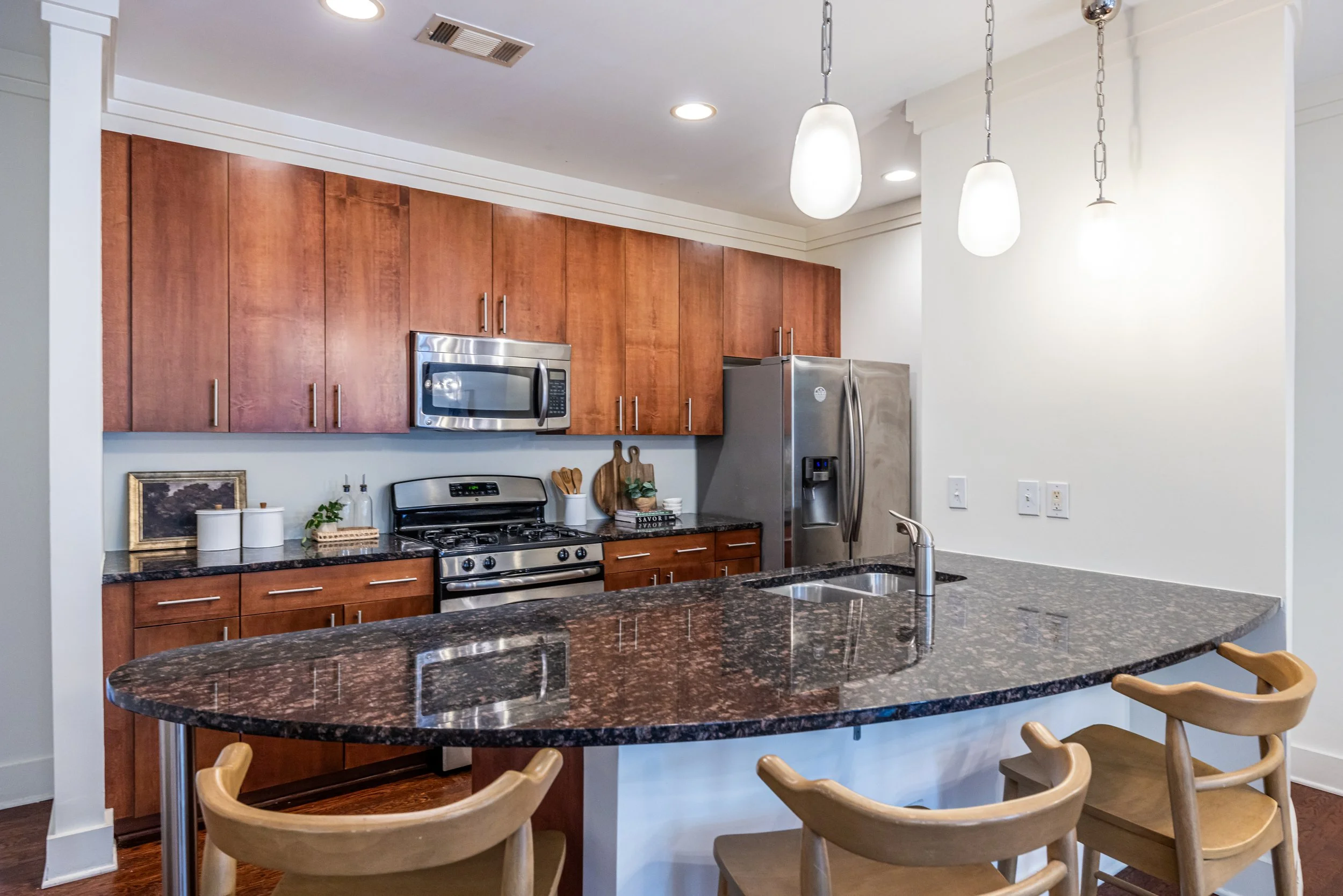
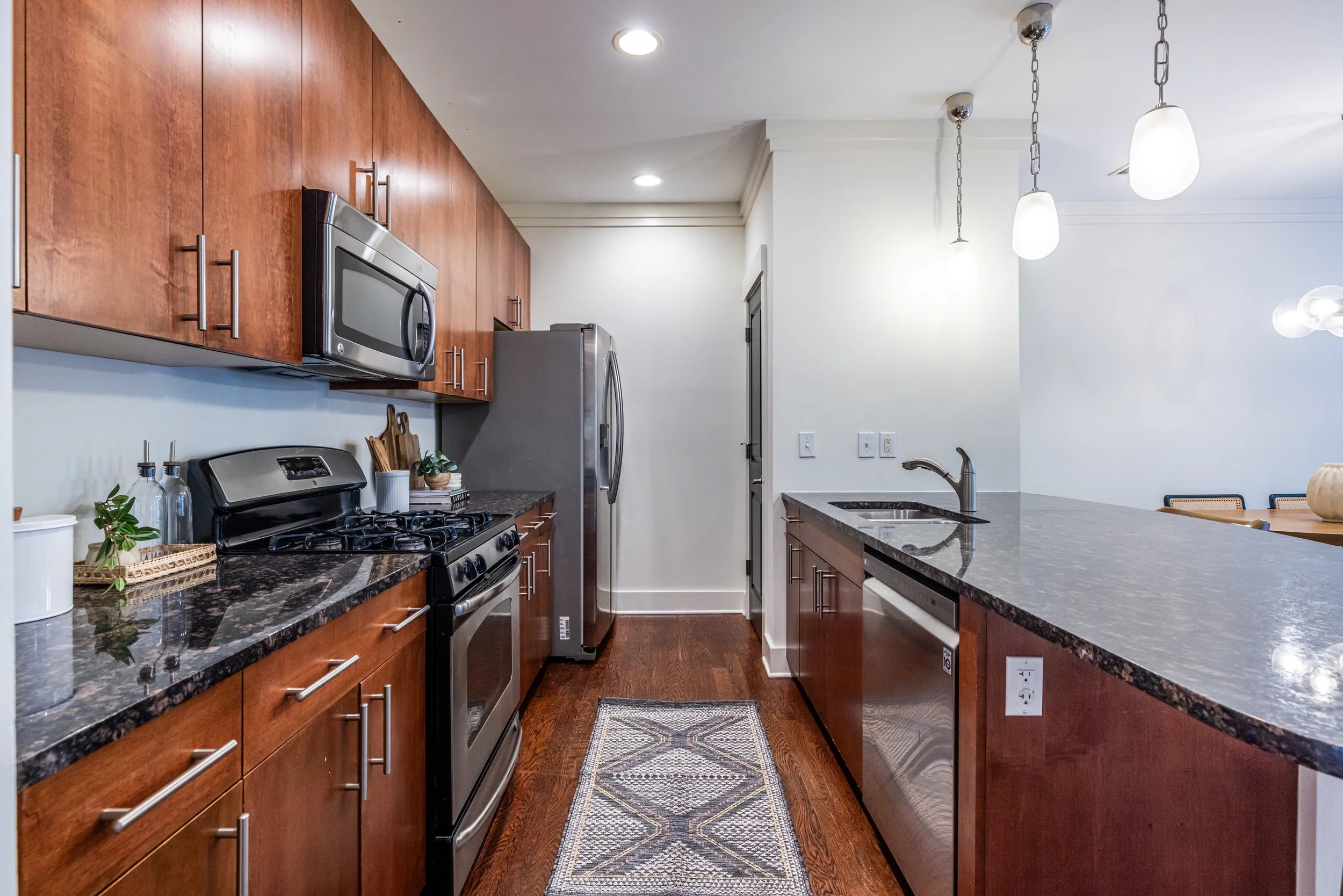
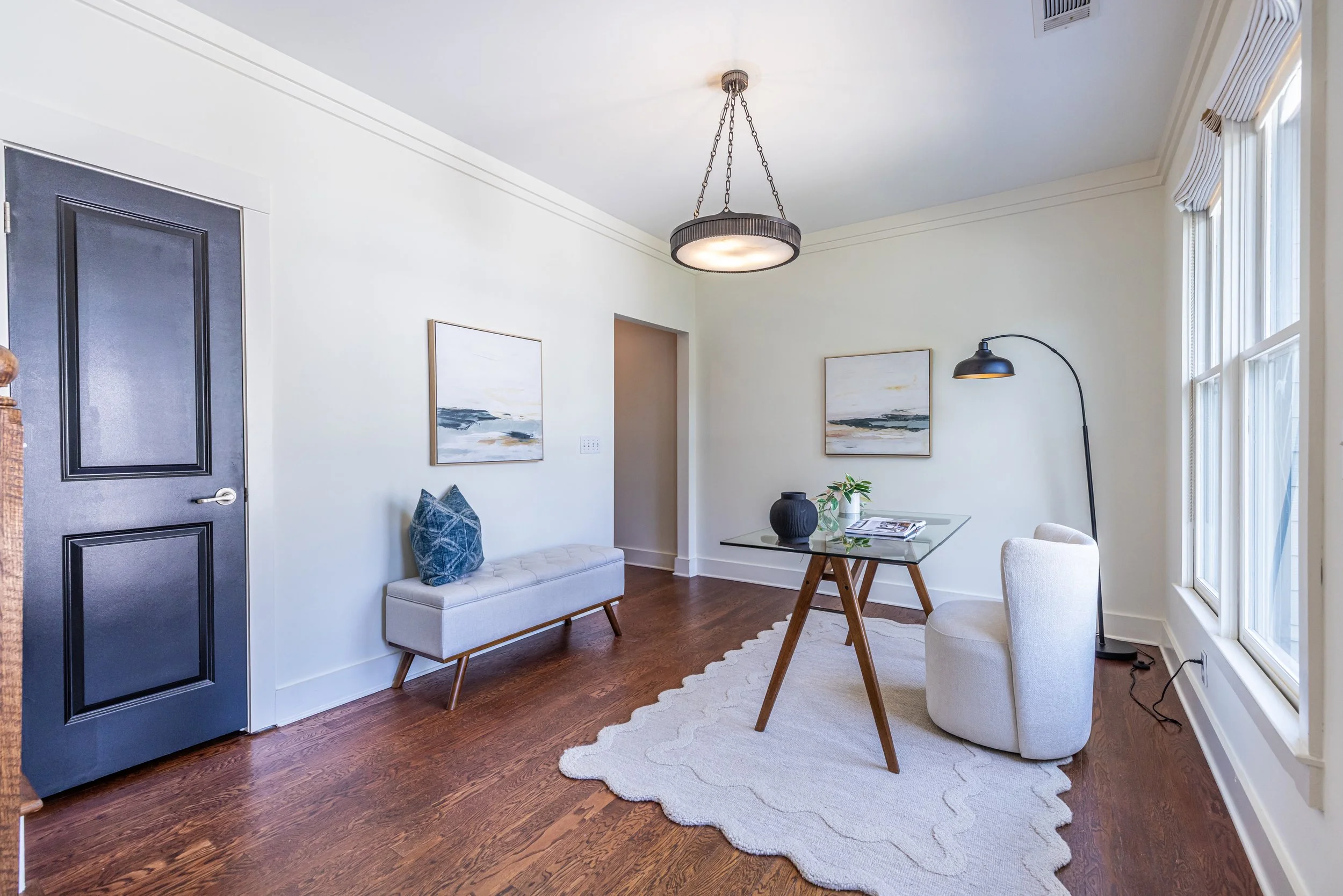
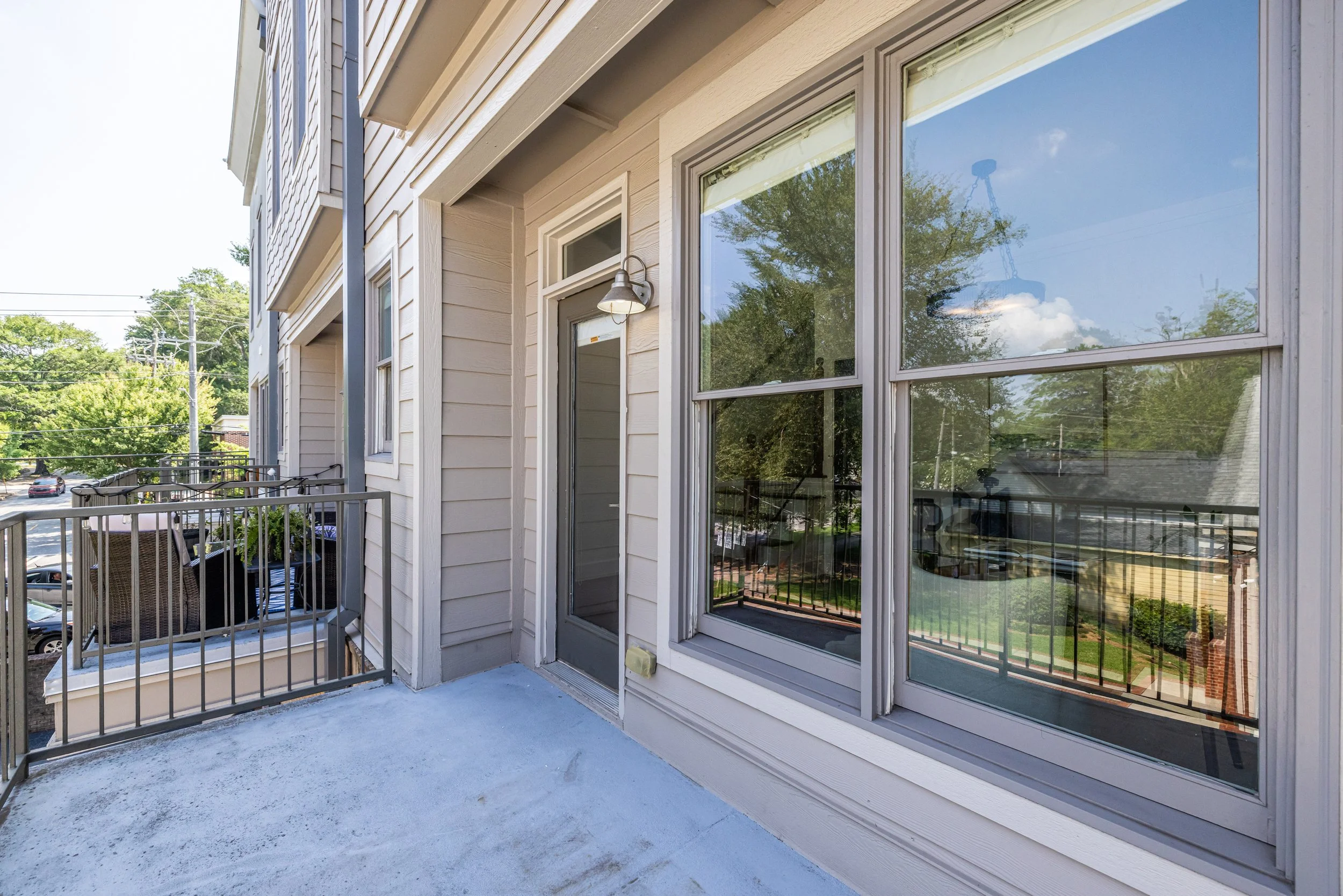
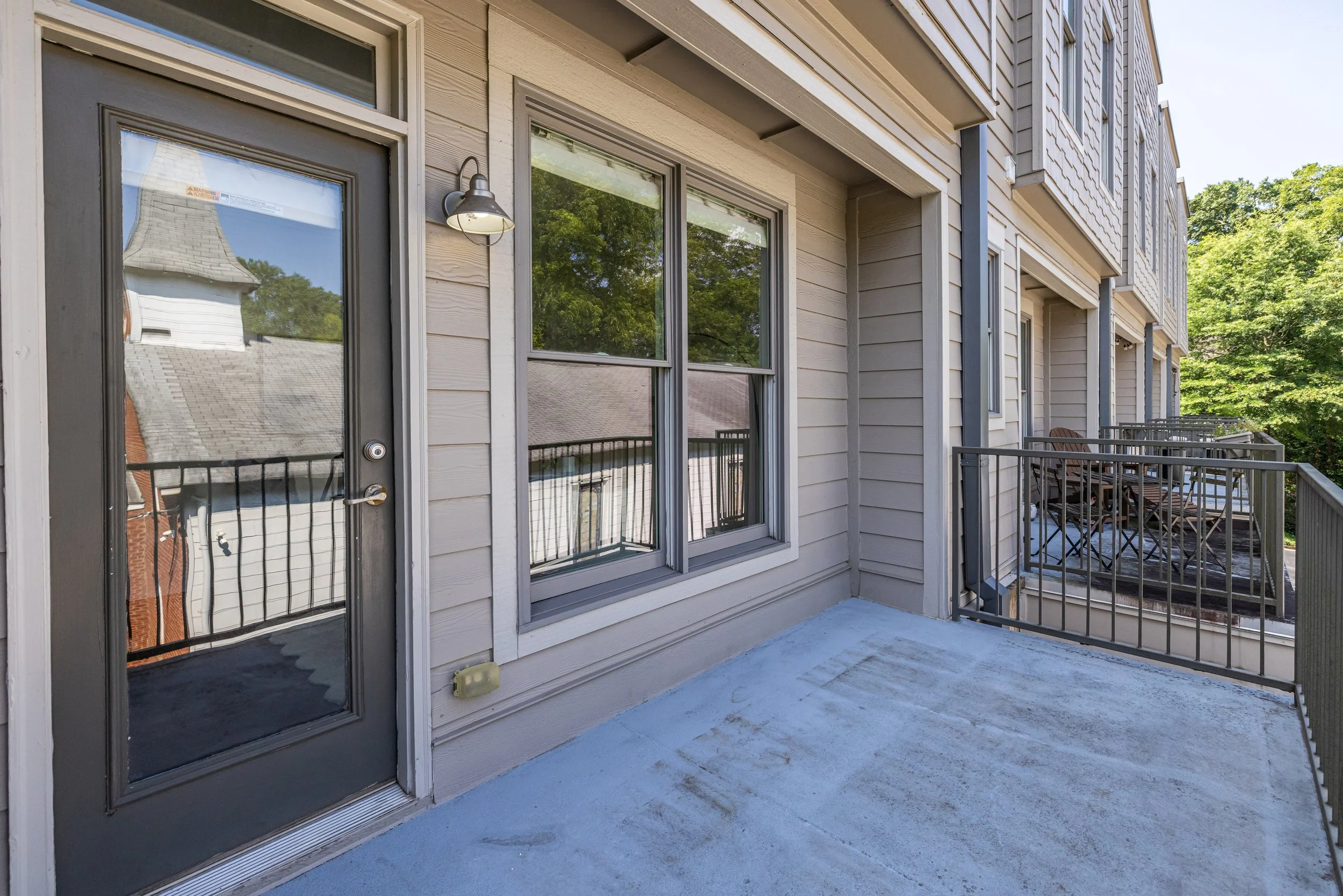
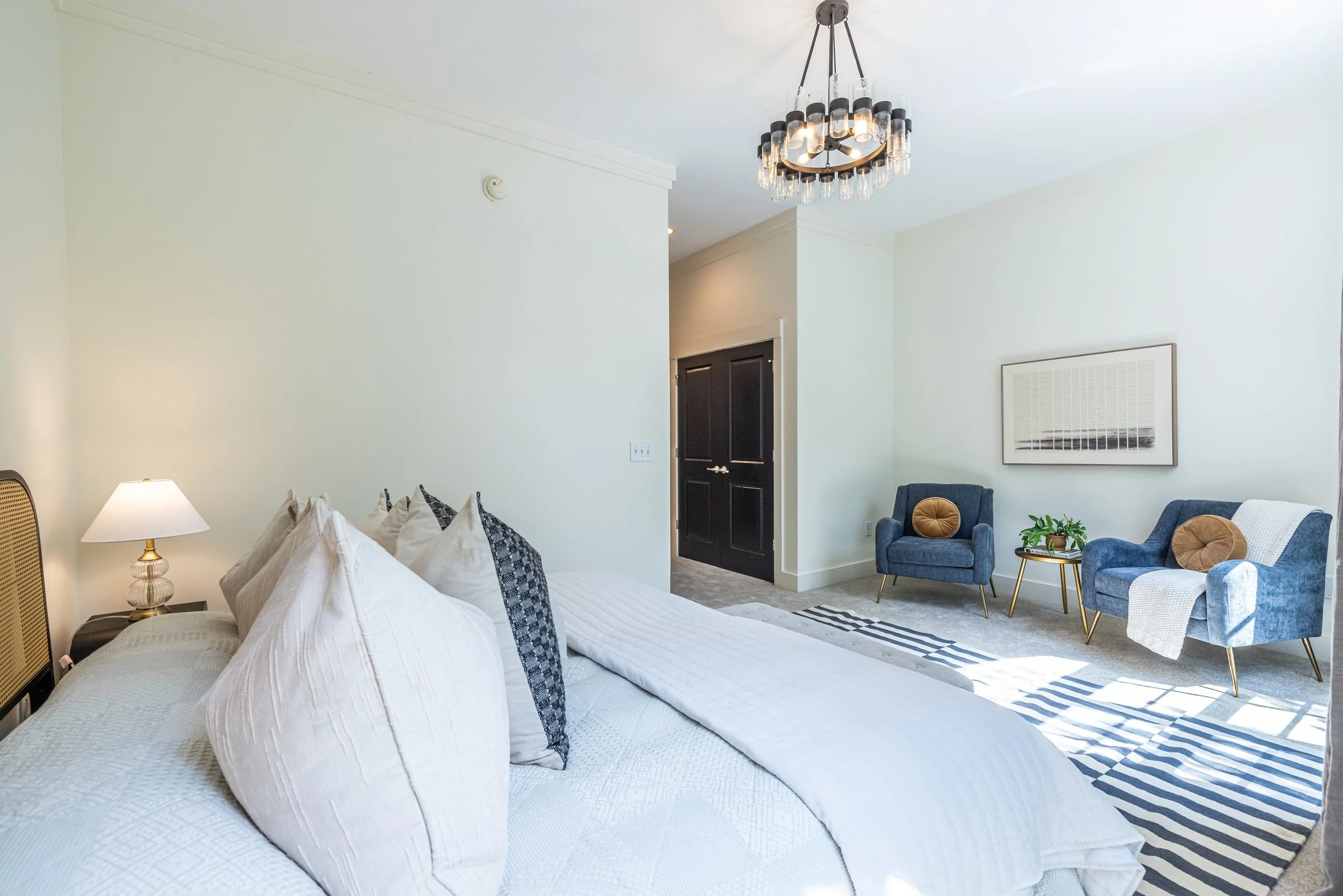
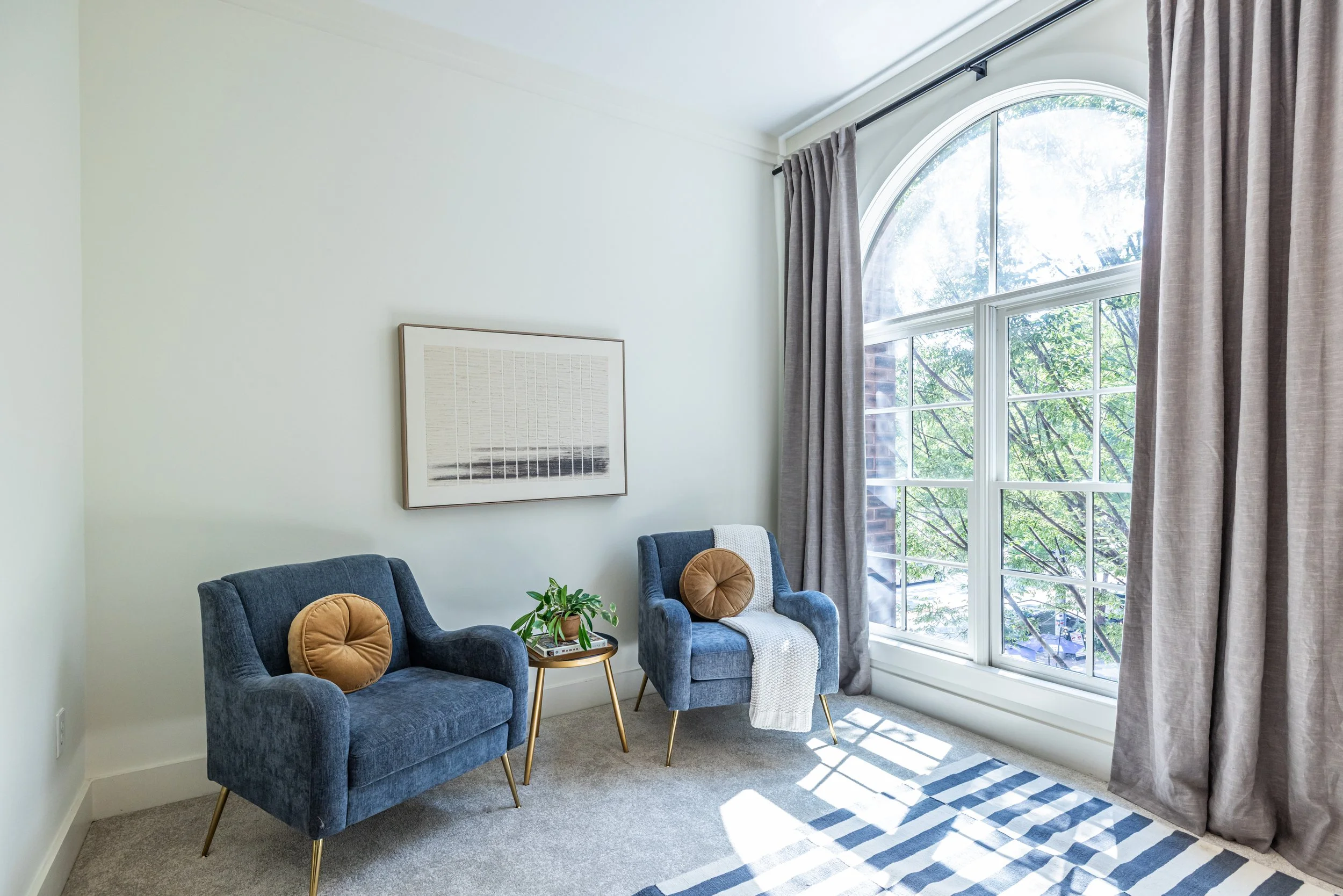
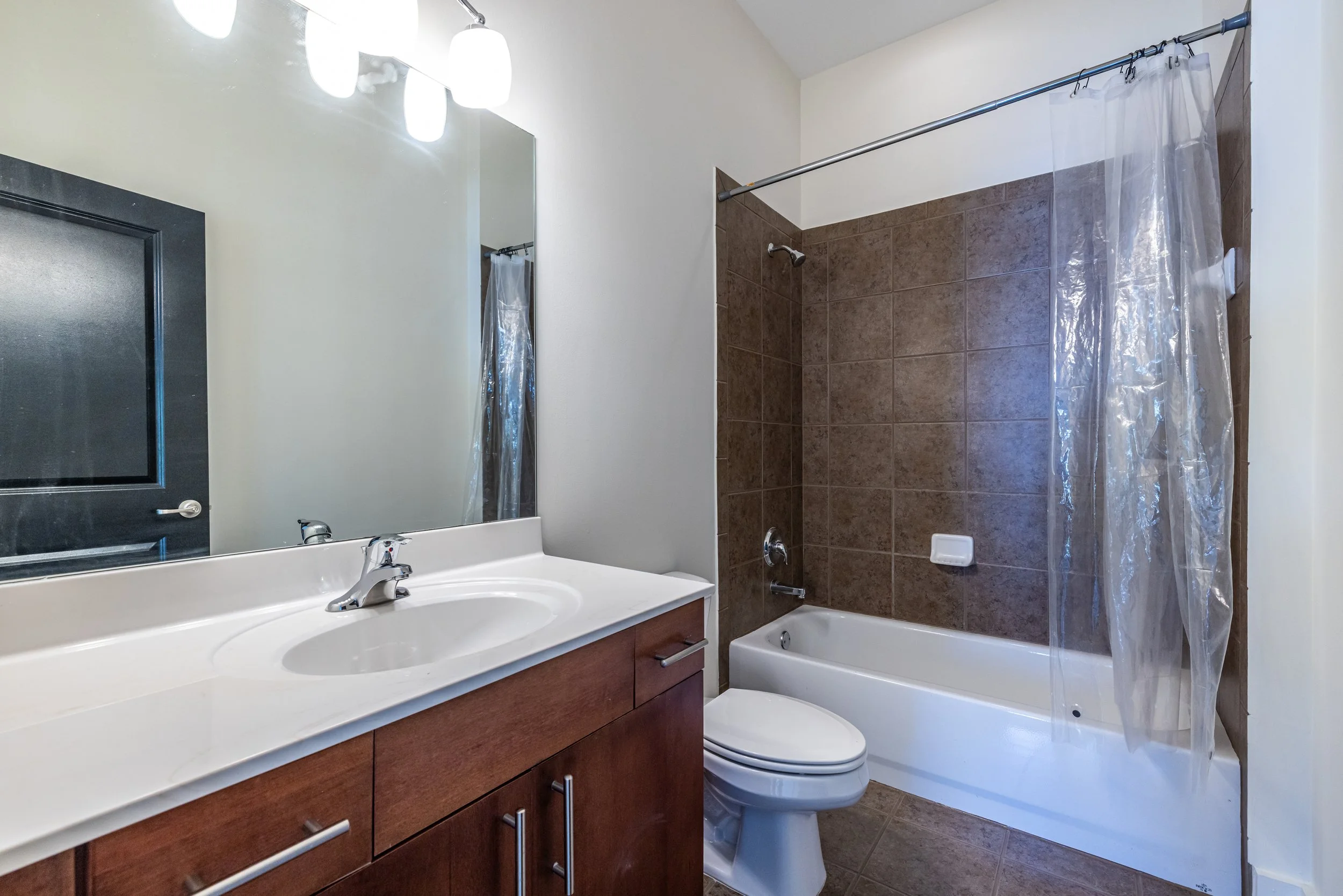
The garage door was repaired so that it operated properly. The interior received fresh paint. The worn carpet upstairs was replaced. Then we professionally staged the townhome.
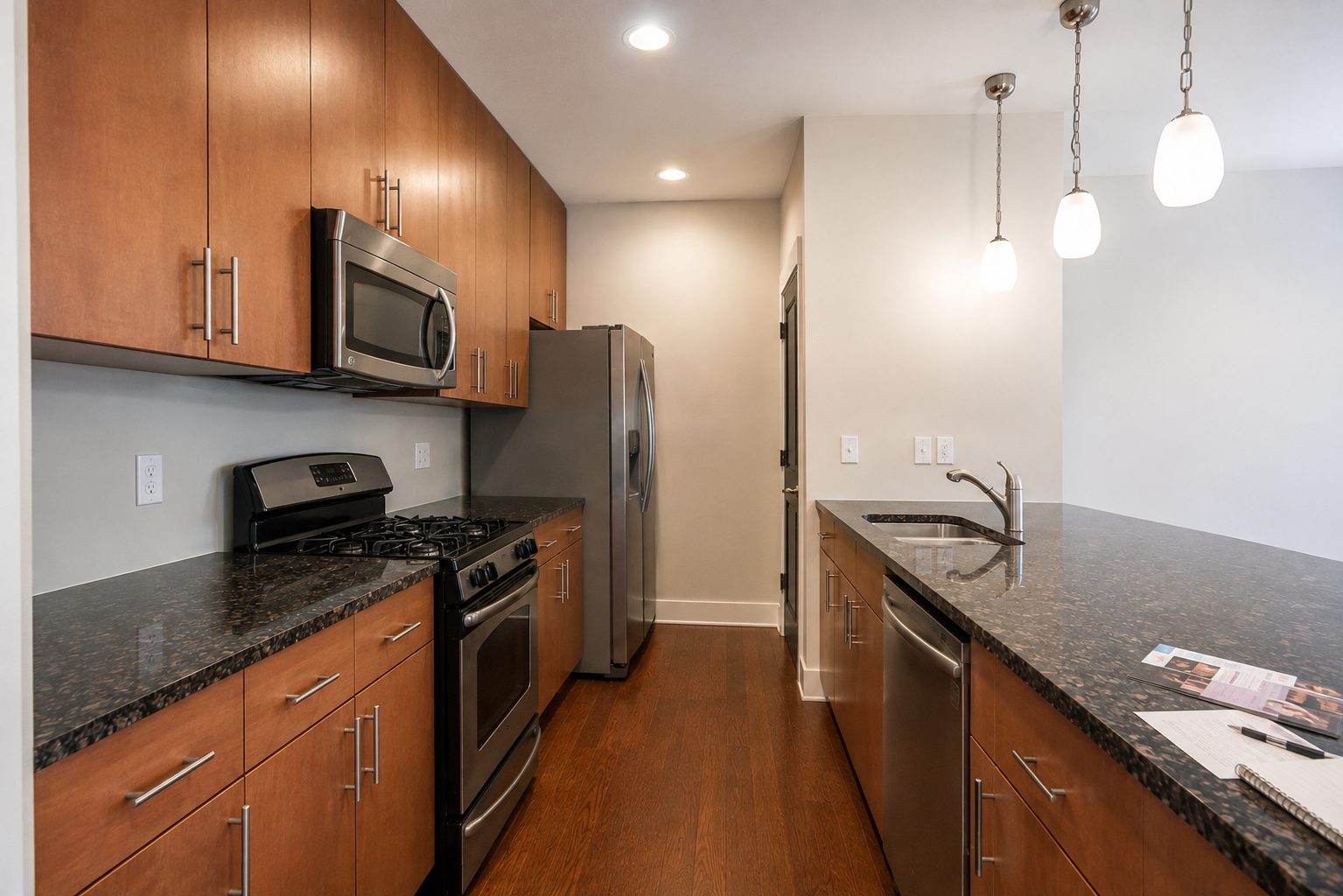
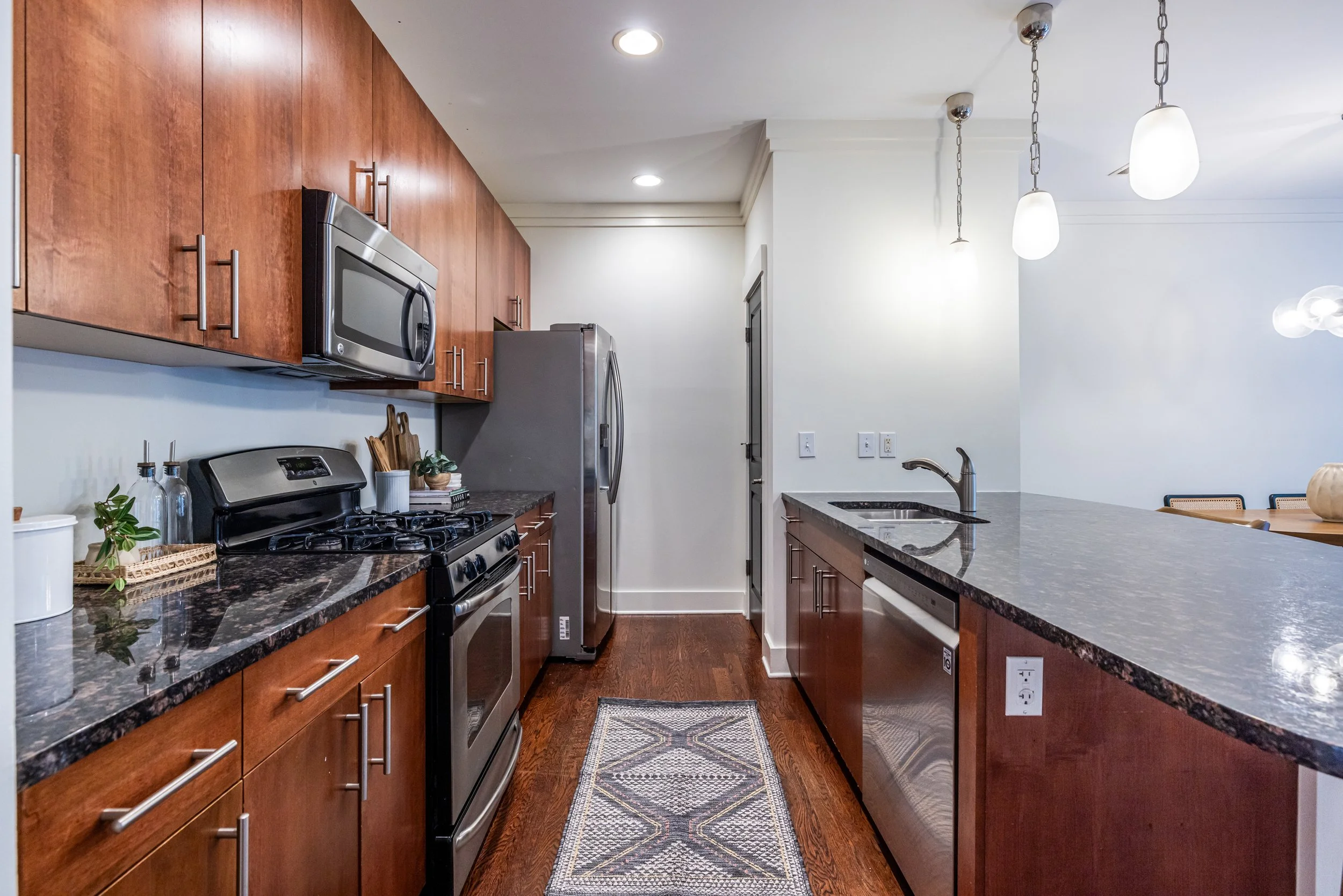
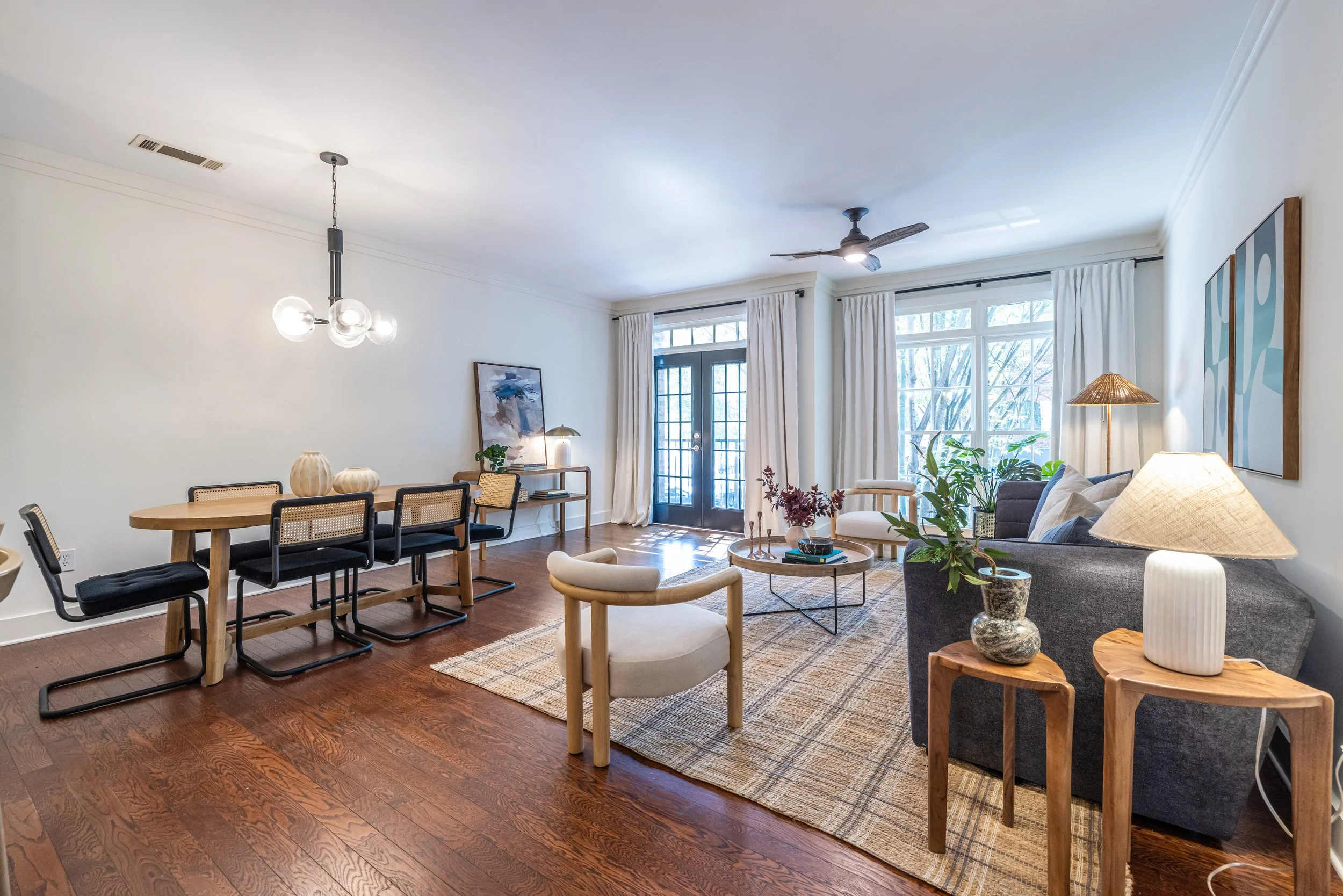
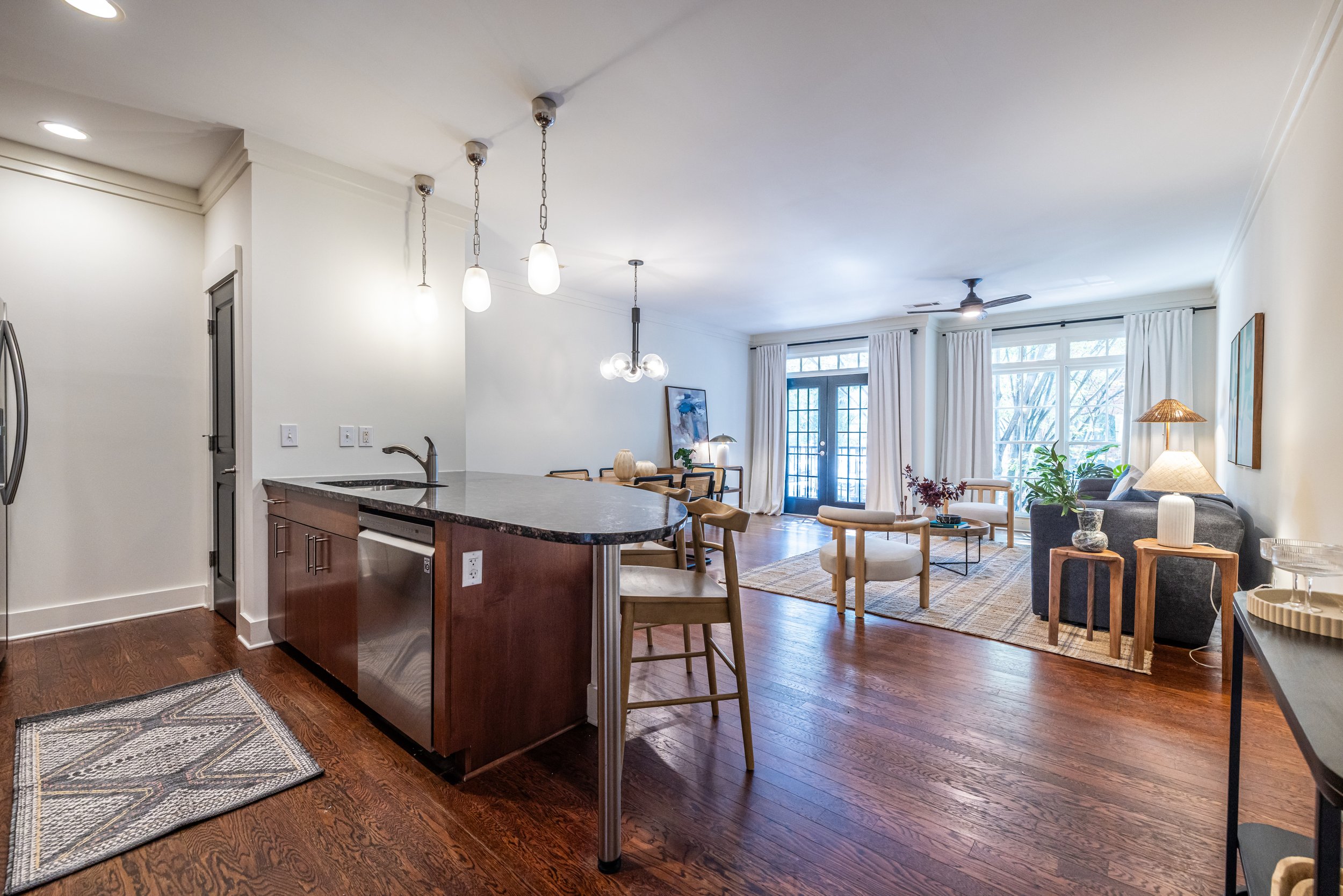
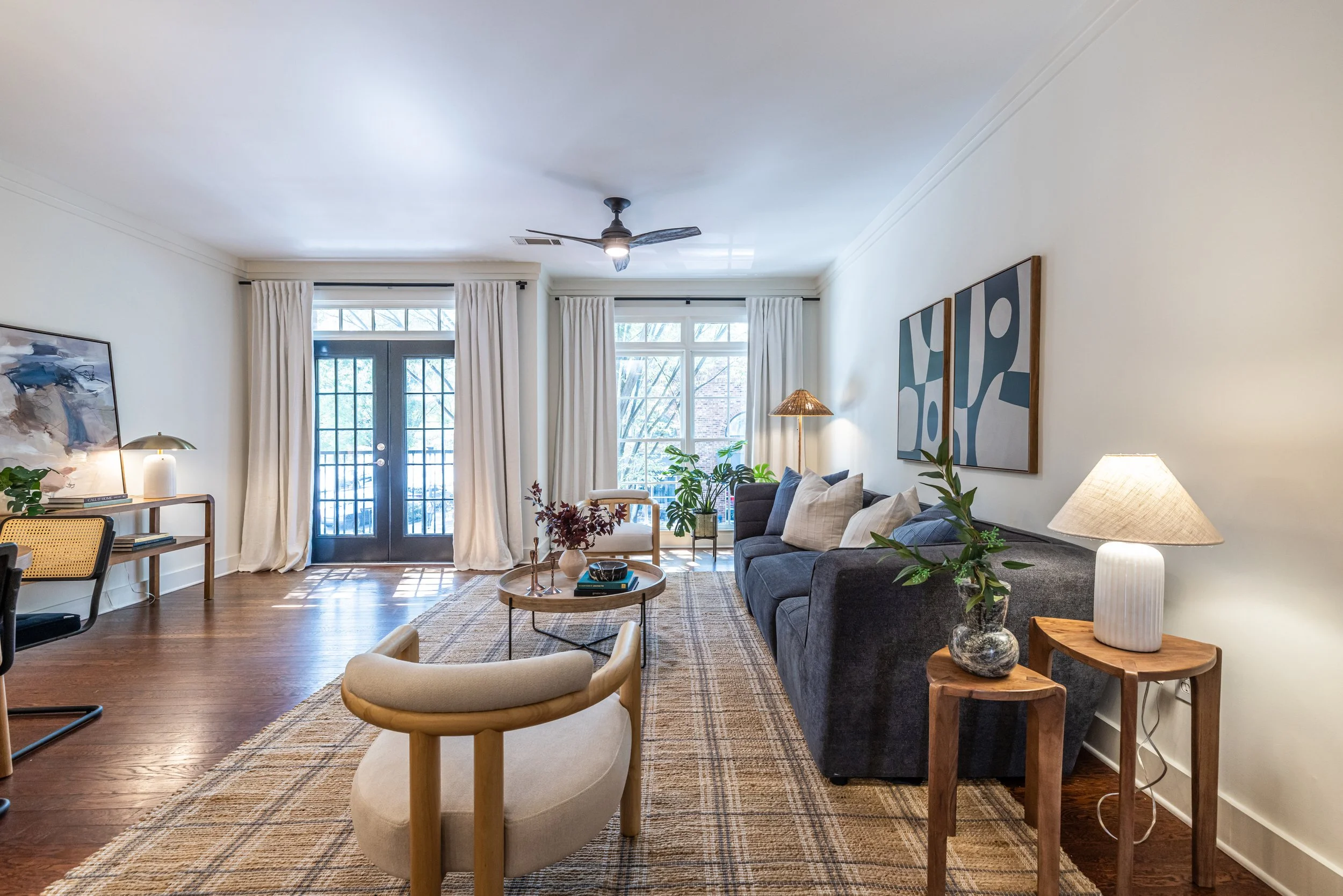
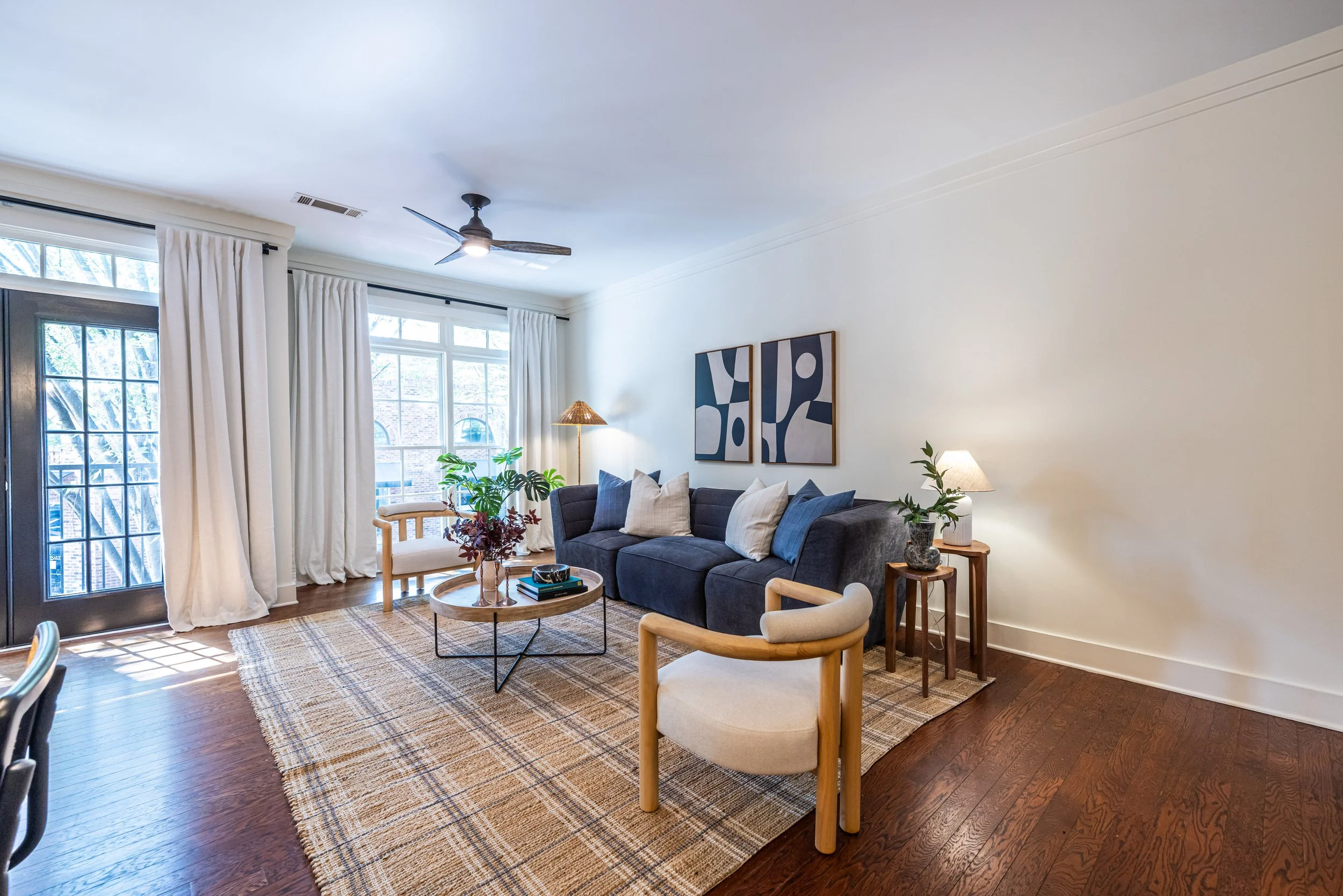
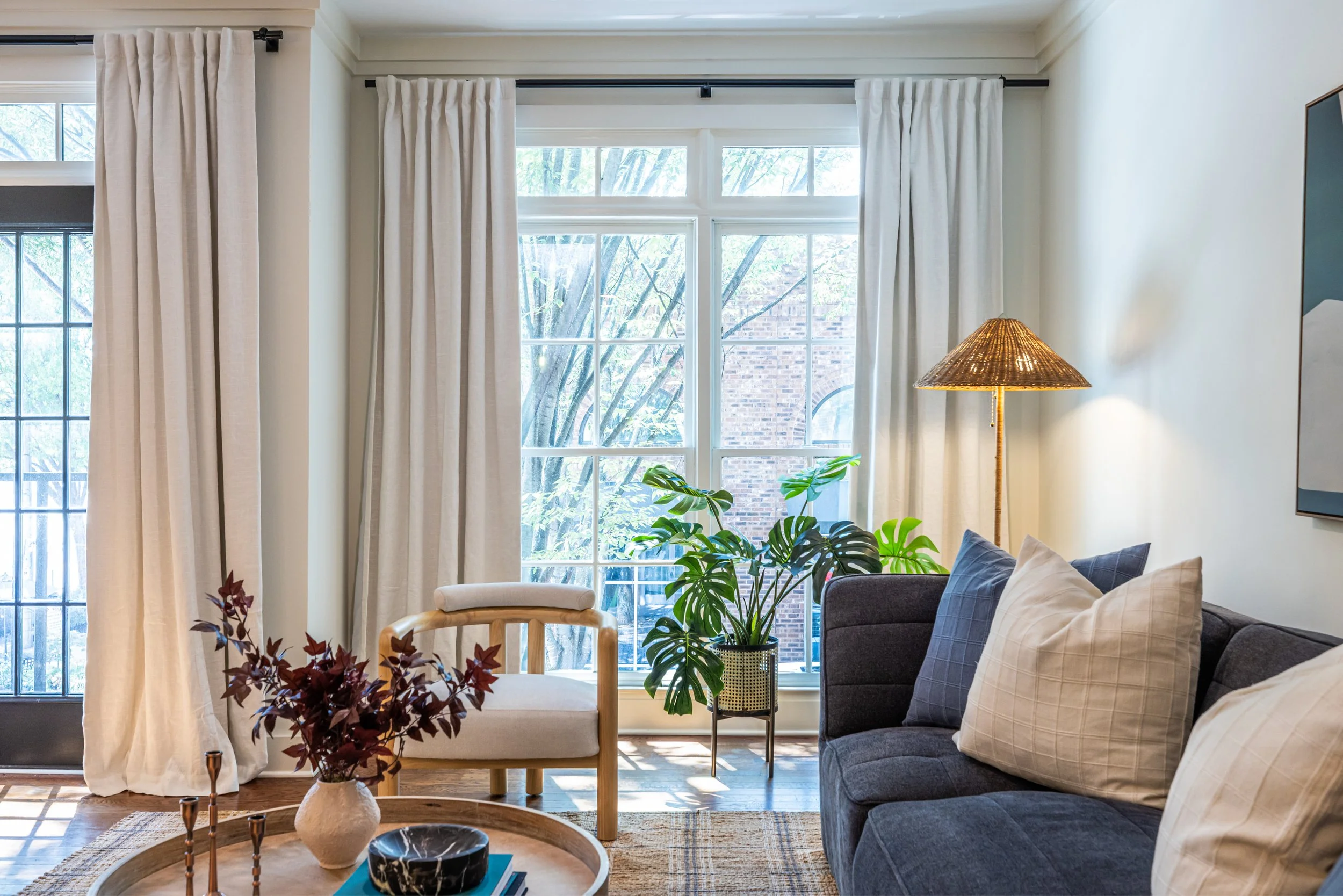
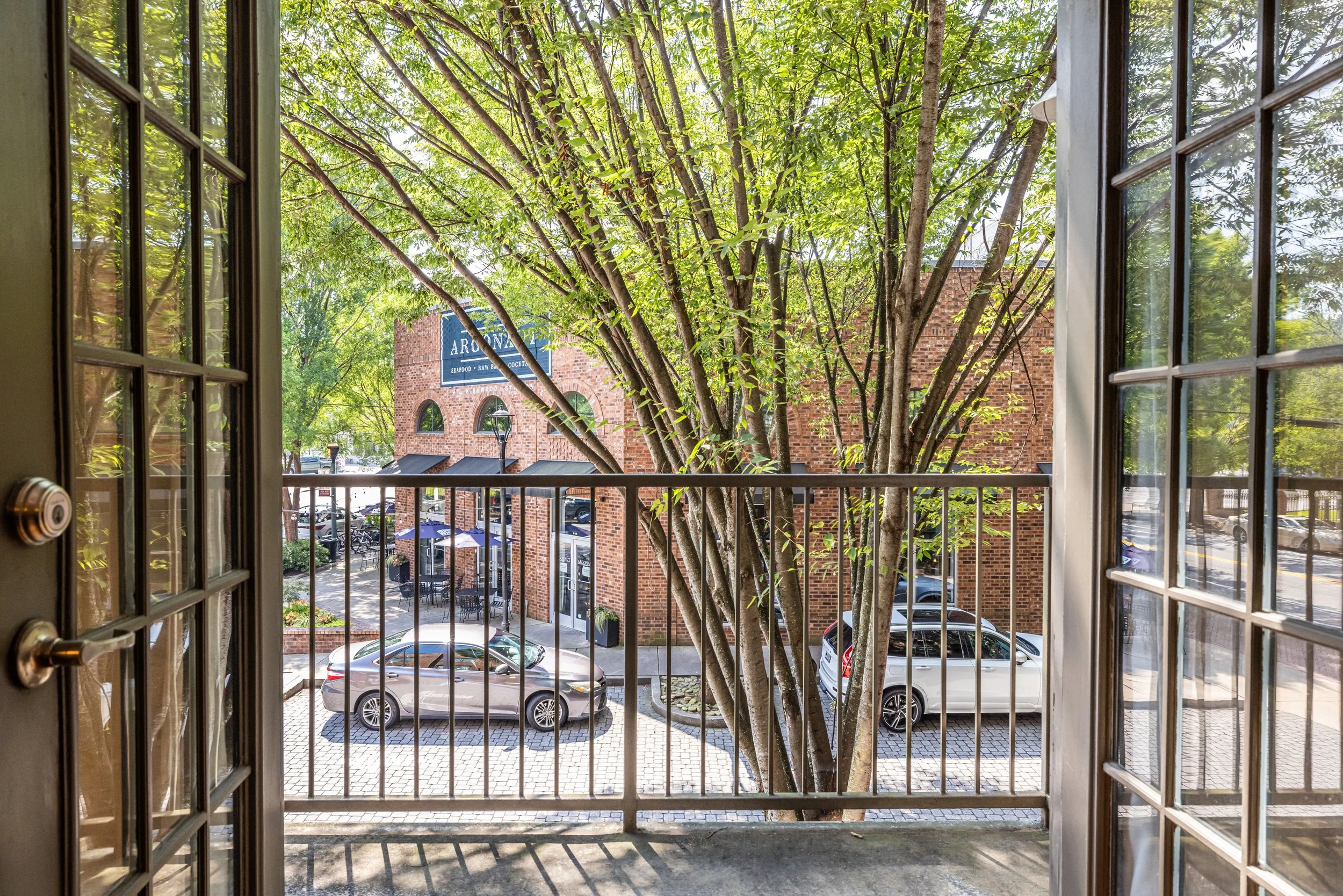
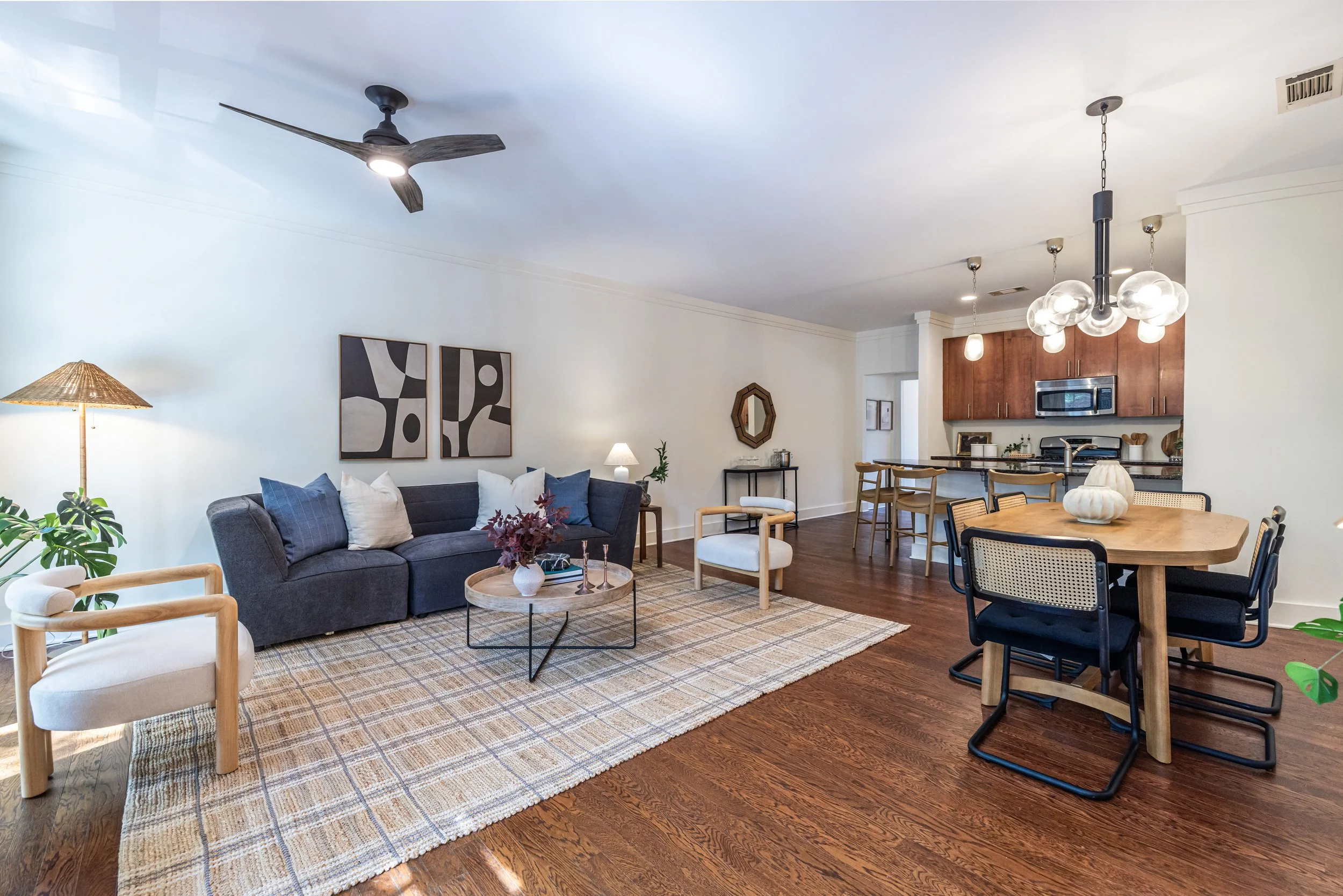
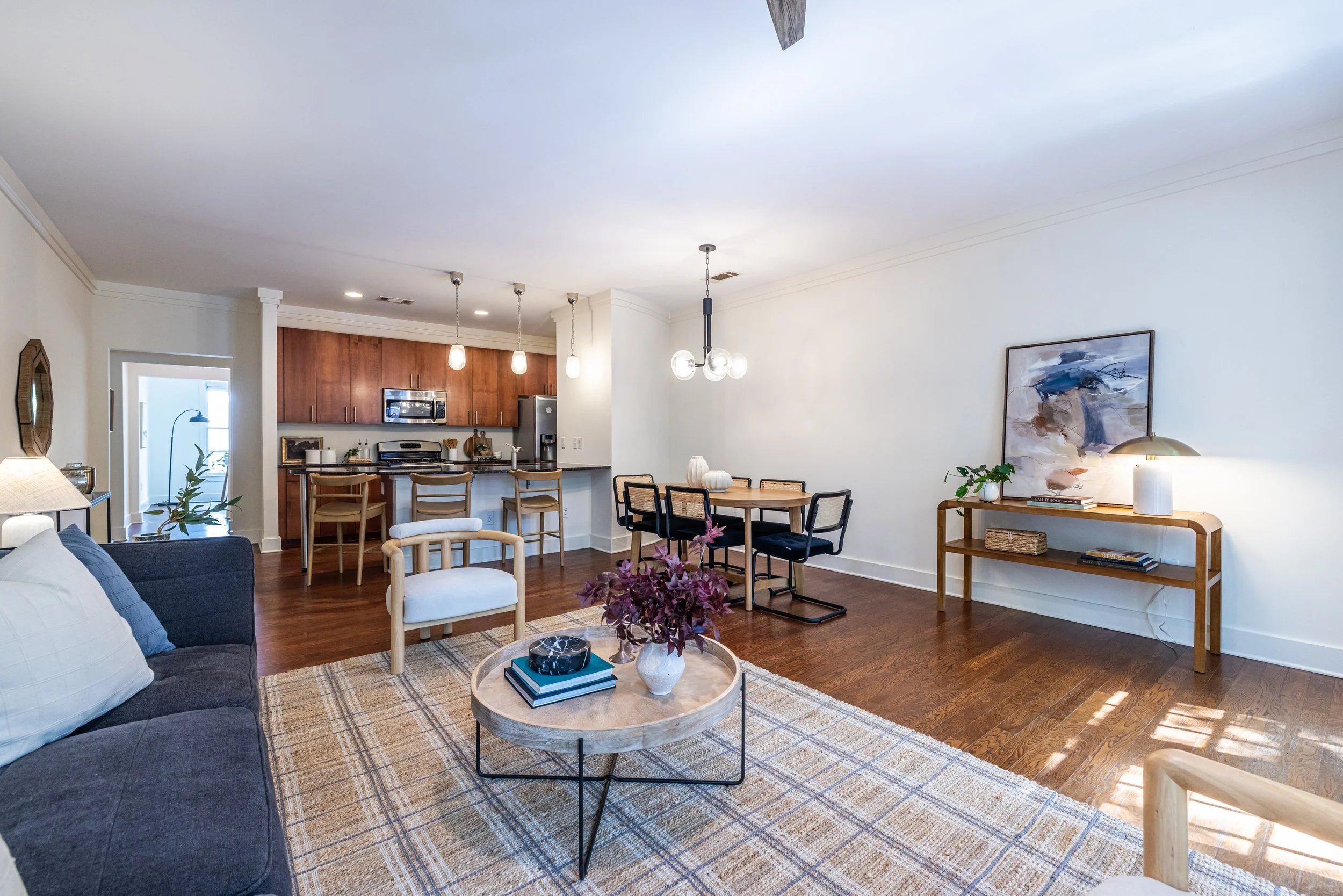
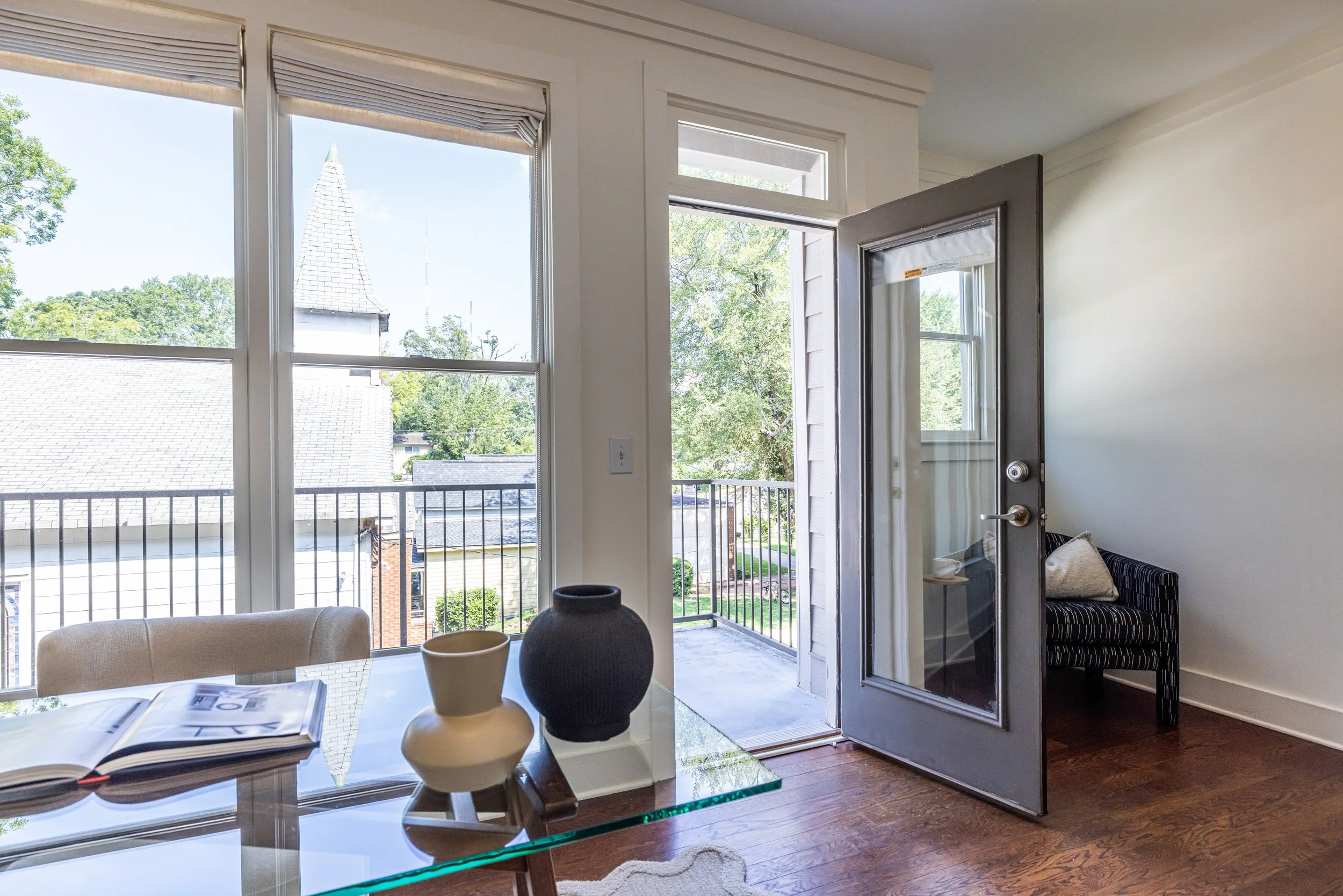
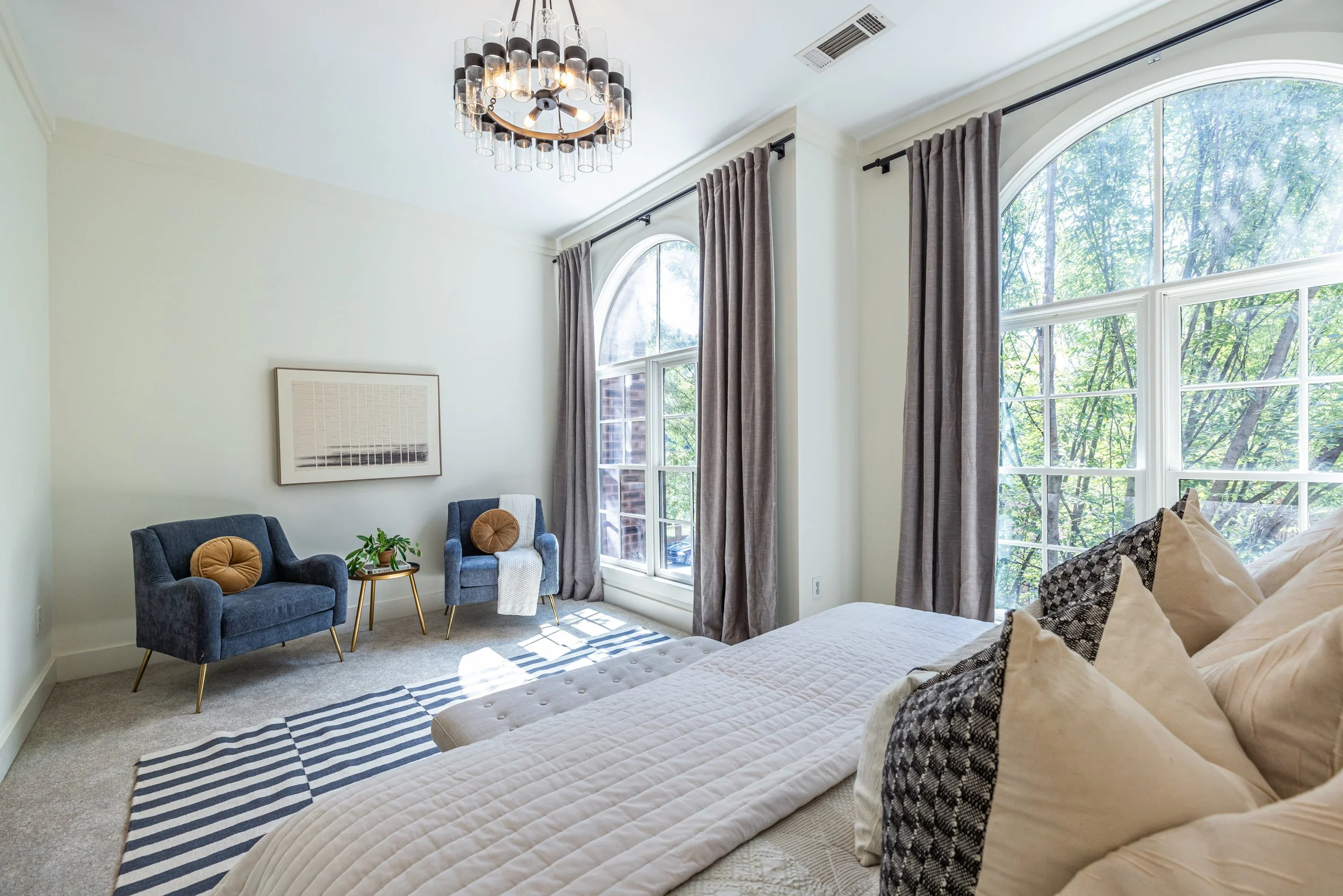
Staging was especially important here because once the tenants' belongings were gone, we didn't want buyers walking through a series of empty rooms and trying to imagine how they might live there. The staging gave the property warmth, scale, and purpose while allowing the newer construction and floor plan to do the rest of the work.
By the time we were finished, there weren't dramatic “before and after” structural changes. It was still the same townhome.
It simply looked like the best version of itself.
-
BEFORE
-
AFTER
Then the Market Gave Us an Answer
A similar unit in the community had sold for $525,000 only a few months earlier, so we initially brought John's property to market at the same price.
But real estate markets don't stand still just because a comparable sale exists.
After two weeks on the market without an offer, it became clear that conditions had continued to weaken and buyers weren't responding to $525,000. Rather than sitting at the original price and hoping the market would eventually come to us, we responded to what buyers were telling us.
We reduced the price to $499,000. That change produced a full-price offer. After negotiations, the property ultimately closed for $490,000, just 28 days after it first hit the market.
-
BEFORE
-
AFTER
Preparation and Pricing Have to Work Together
There's an important lesson in John's sale because it would be easy to look at the final number and conclude that the only thing that mattered was reducing the price.
We don't think that's what happened.
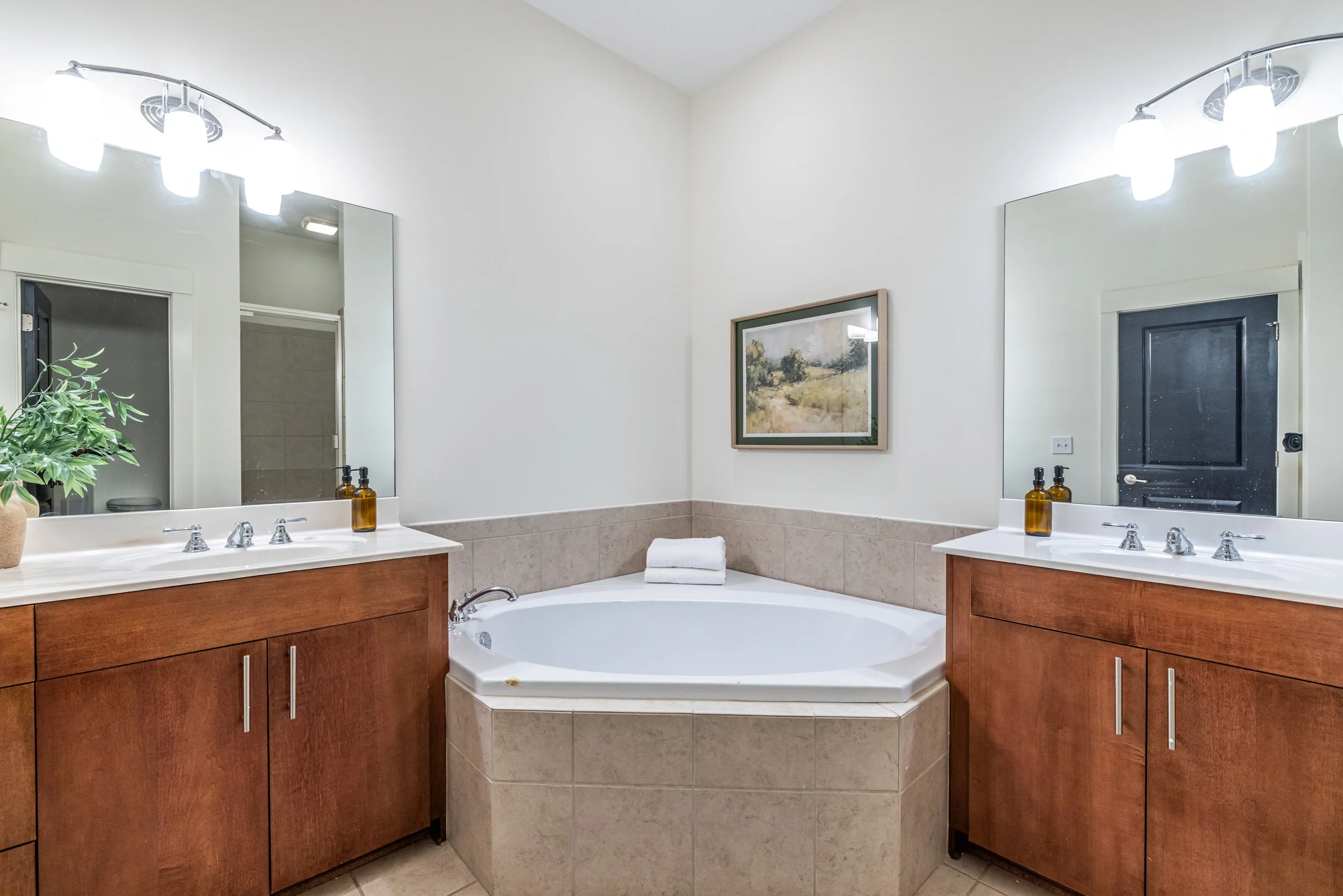
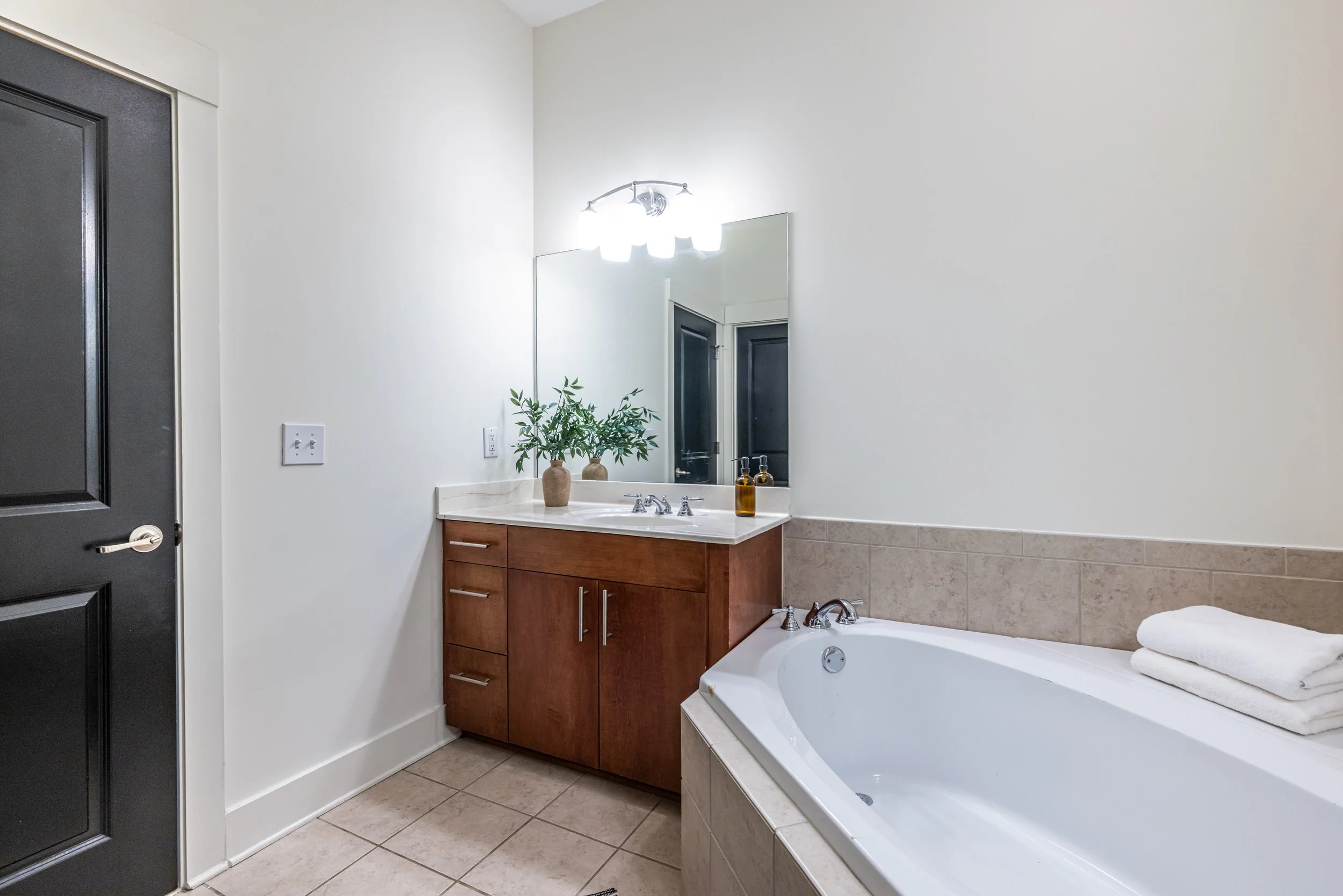
The price adjustment got buyers' attention. But once we had their attention, they saw a townhome with fresh paint, new carpet, a functioning garage door, professional staging, and no obvious list of projects competing for their attention.
Preparation couldn't force the market to pay $525,000. Pricing alone couldn't make worn carpet and deferred repairs disappear.
The two strategies had to work together.
That's particularly important when you're selling a condo or townhome in a market where buyers have more choices. You may not need to remodel the kitchen or renovate every bathroom. But you do need to understand what buyers are comparing your property against, remove the objections you can control, and be willing to listen when the market tells you something has changed.
For John, that meant turning a former rental that was in “pretty good shape” into a polished, move-in-ready home, then adjusting quickly enough to get it sold so he and his wife could move forward with their next chapter in France.


This home is exclusively listed by The Rob Smith Team at Keller Williams Realty Intown Atlanta.

For more information please contact:
Rob Smith
REALTOR
Keller Williams Realty Intown Atlanta
M: 404.906.5857
rob@robsmith.com