
Making a 2006 Townhome
Feel New Again
How we turned “good” into “great”
and got top-dollar on a desirable townhome
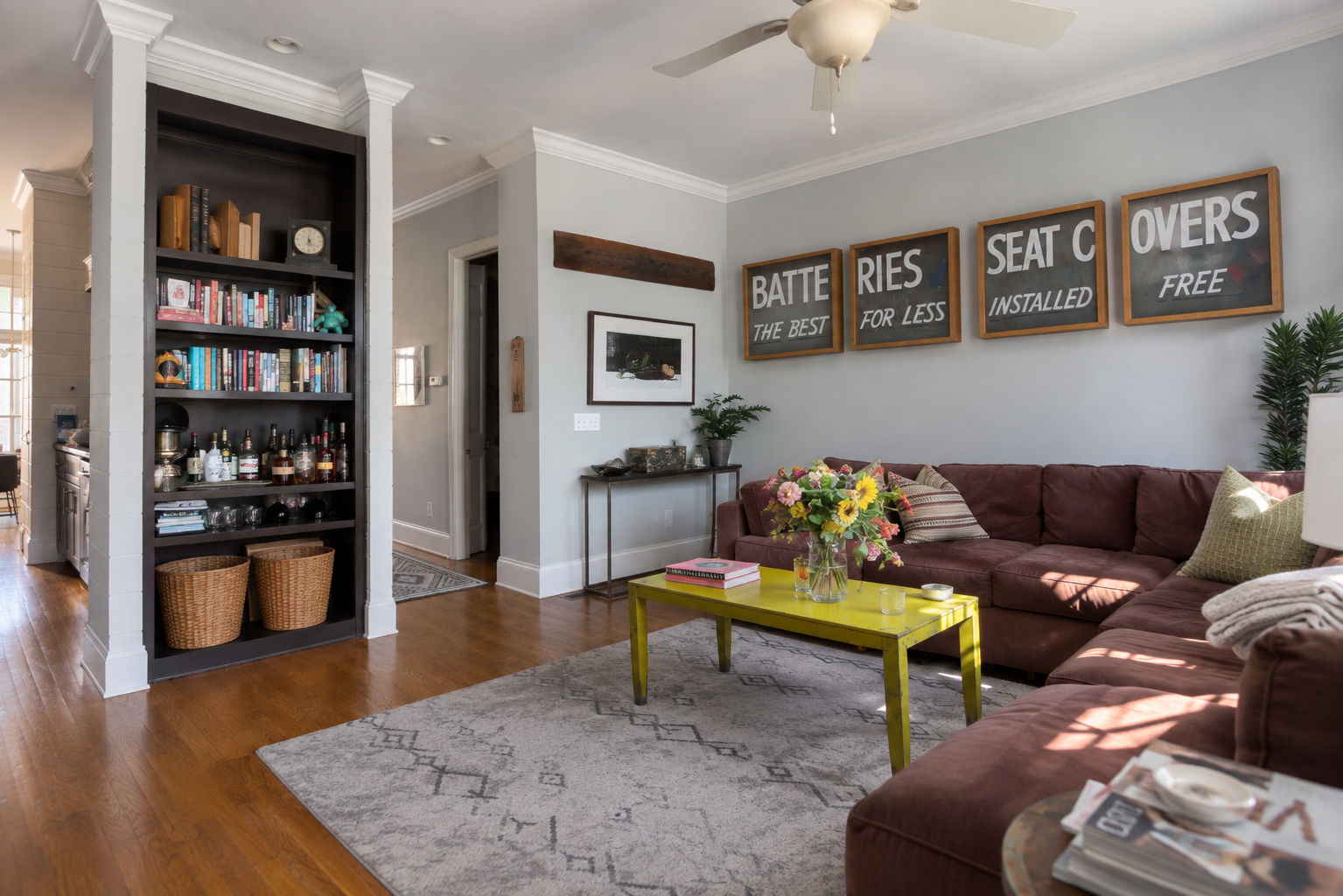
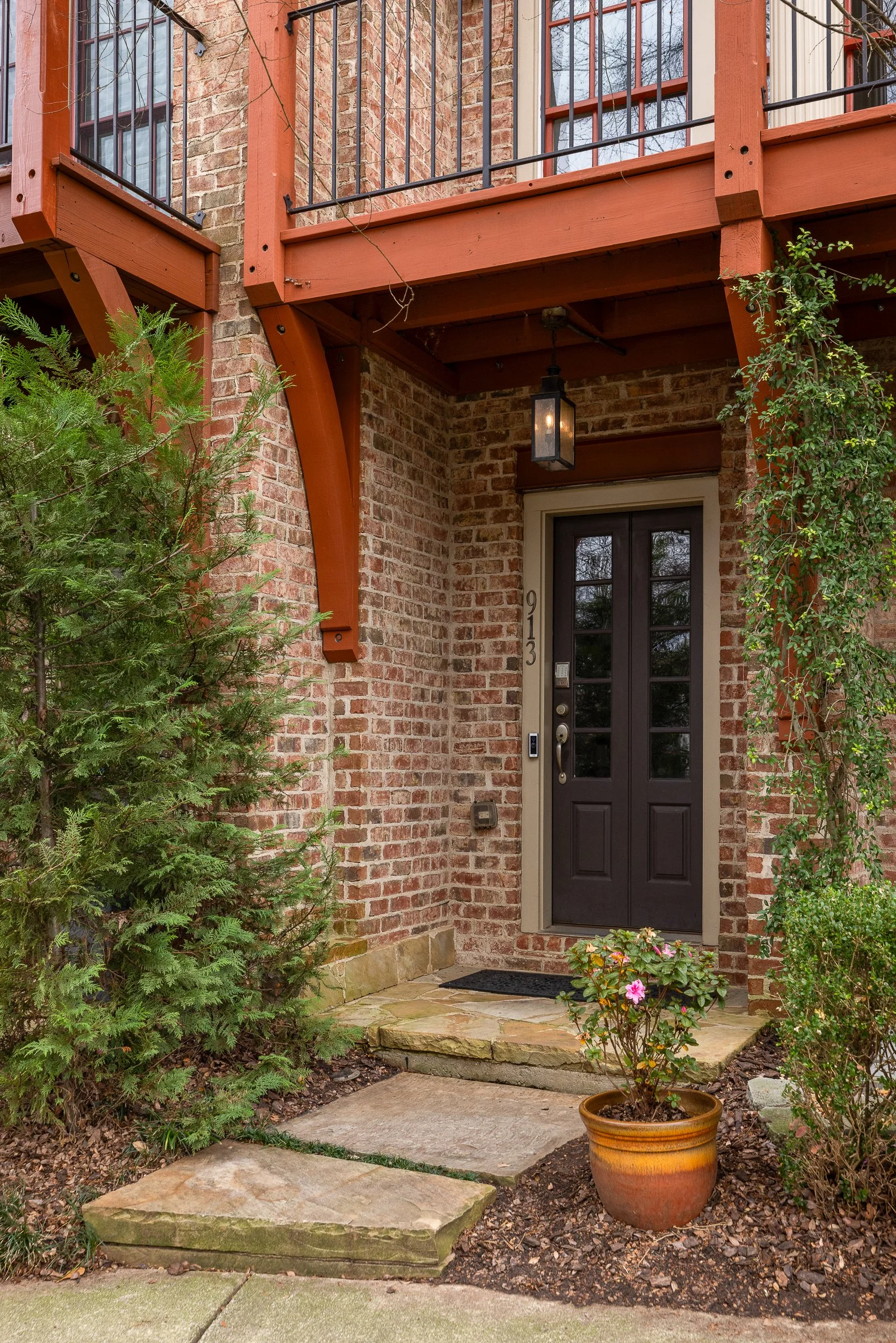
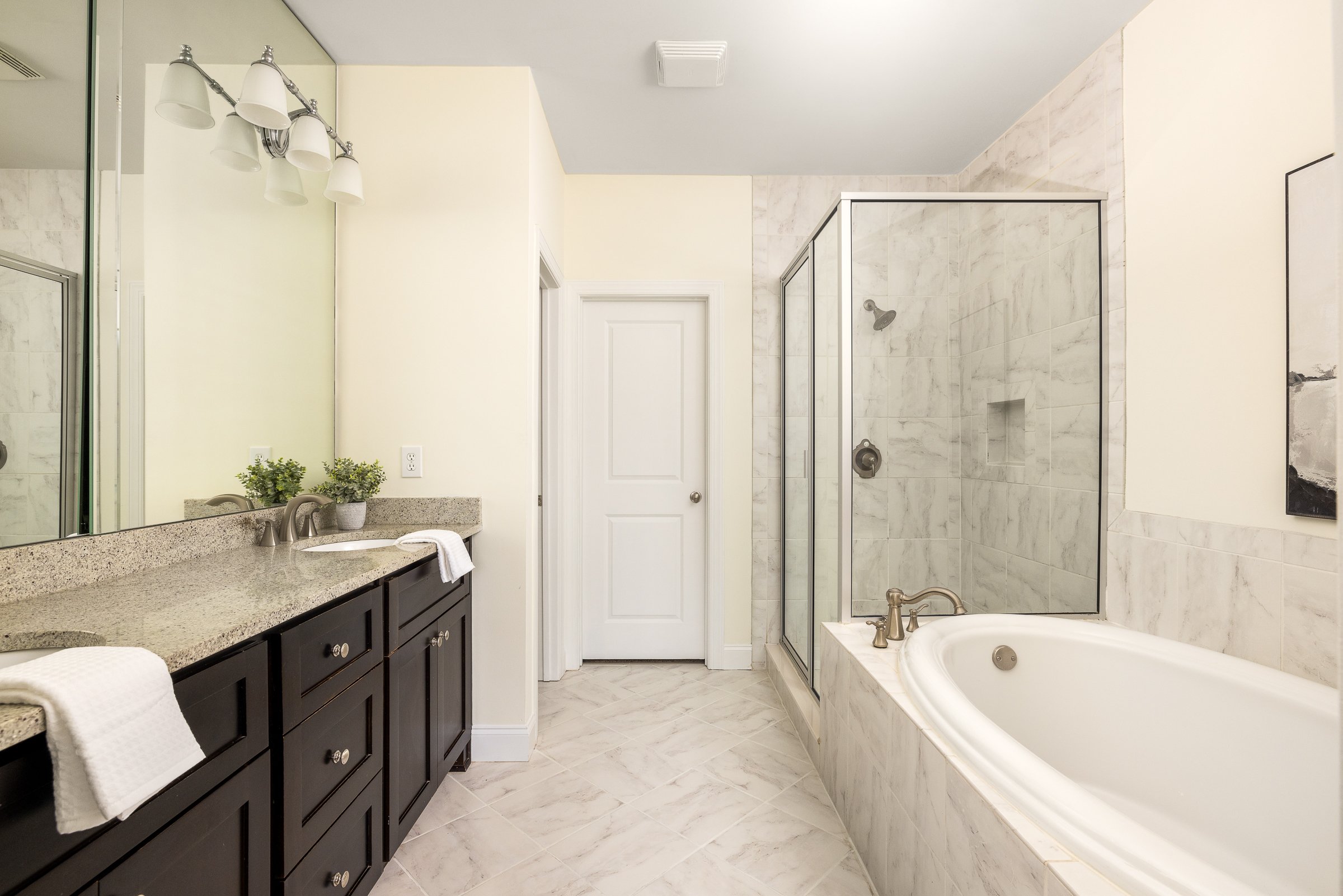
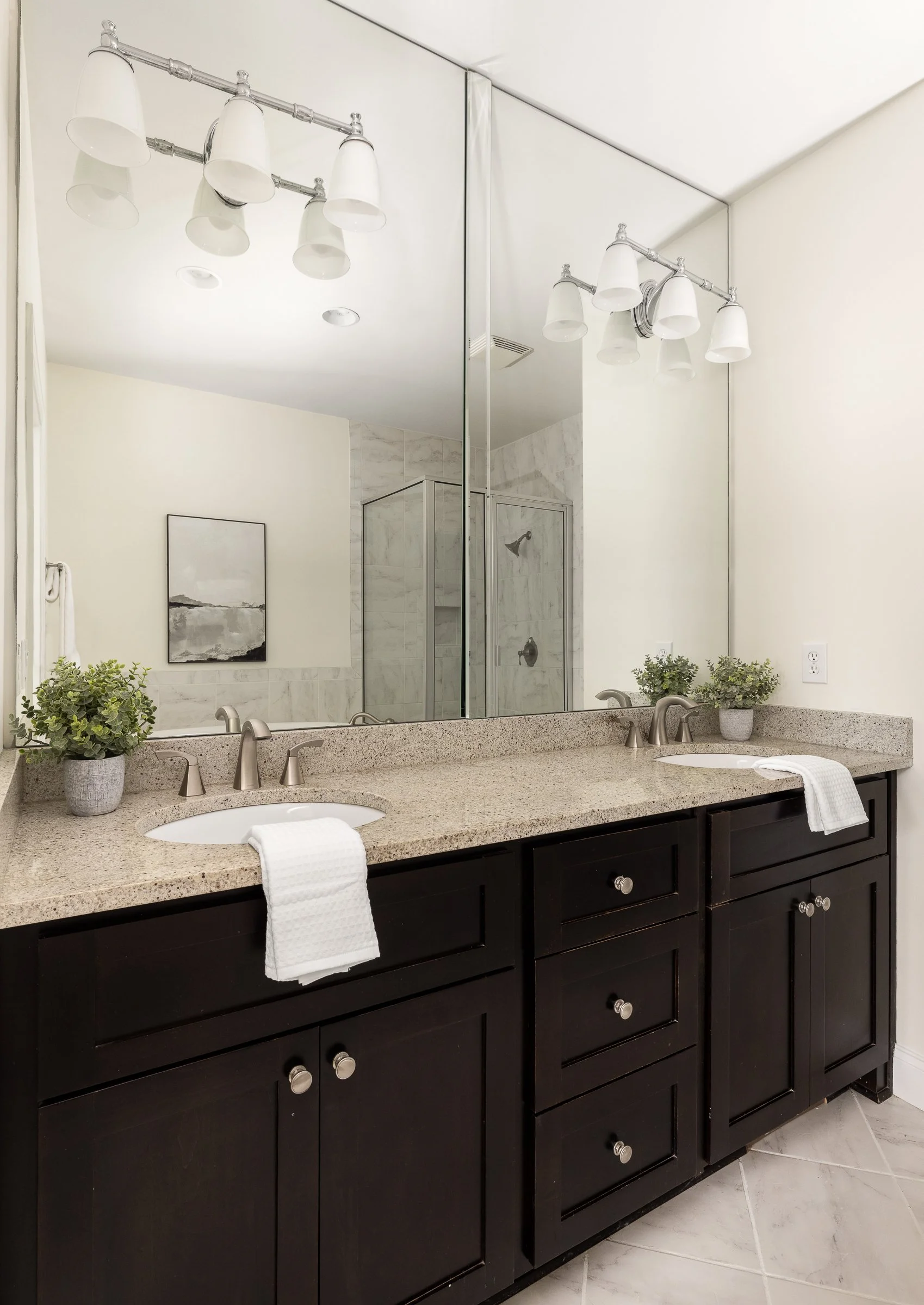
PROBLEM: This Glenwood Park townhome had an exceptional location and would have attracted buyers even in its existing condition. But some of its original 2006 finishes were beginning to look dated, particularly the dark espresso cabinetry, granite countertops and builder-grade lighting. We believed selling it as-is would leave money on the table.
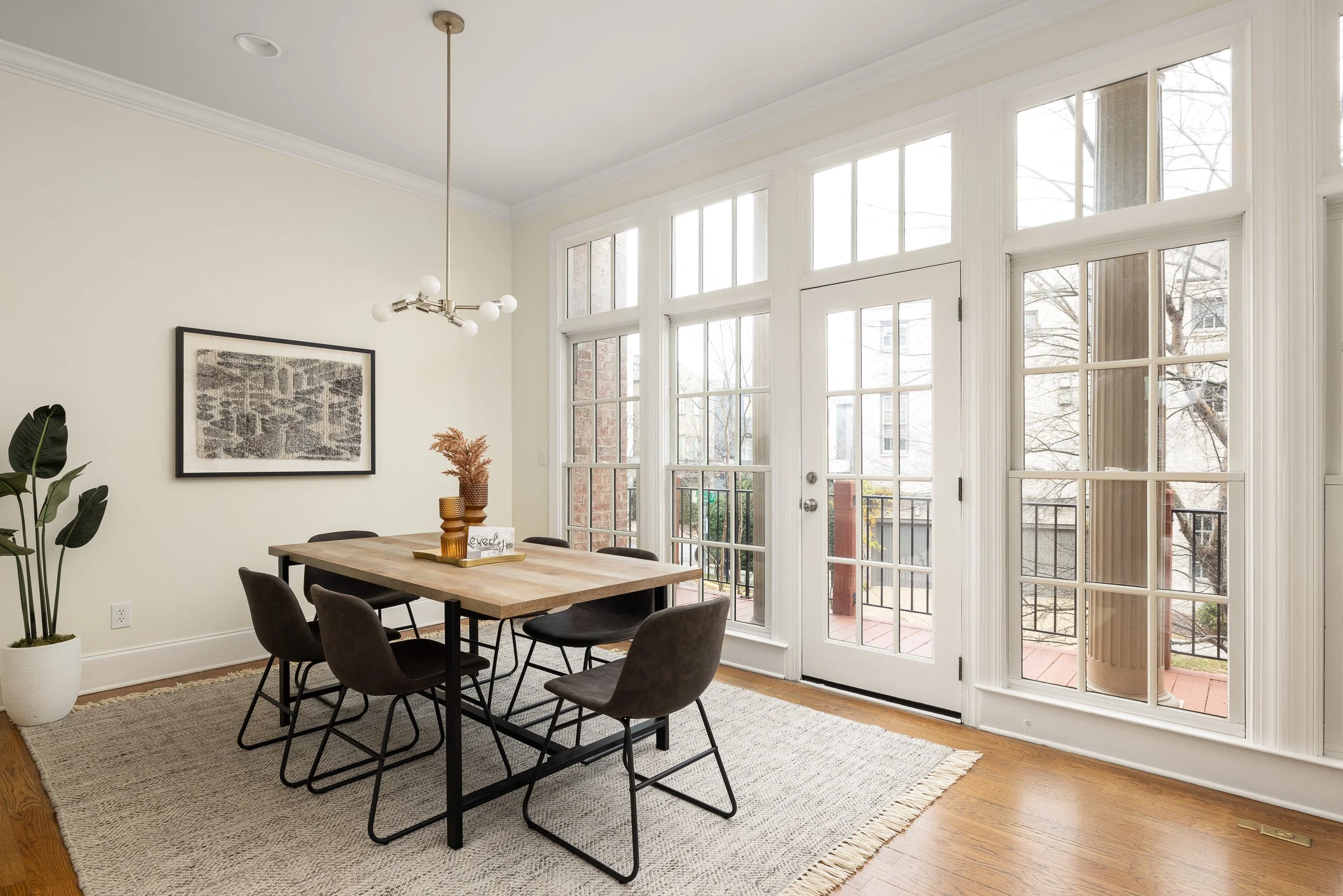
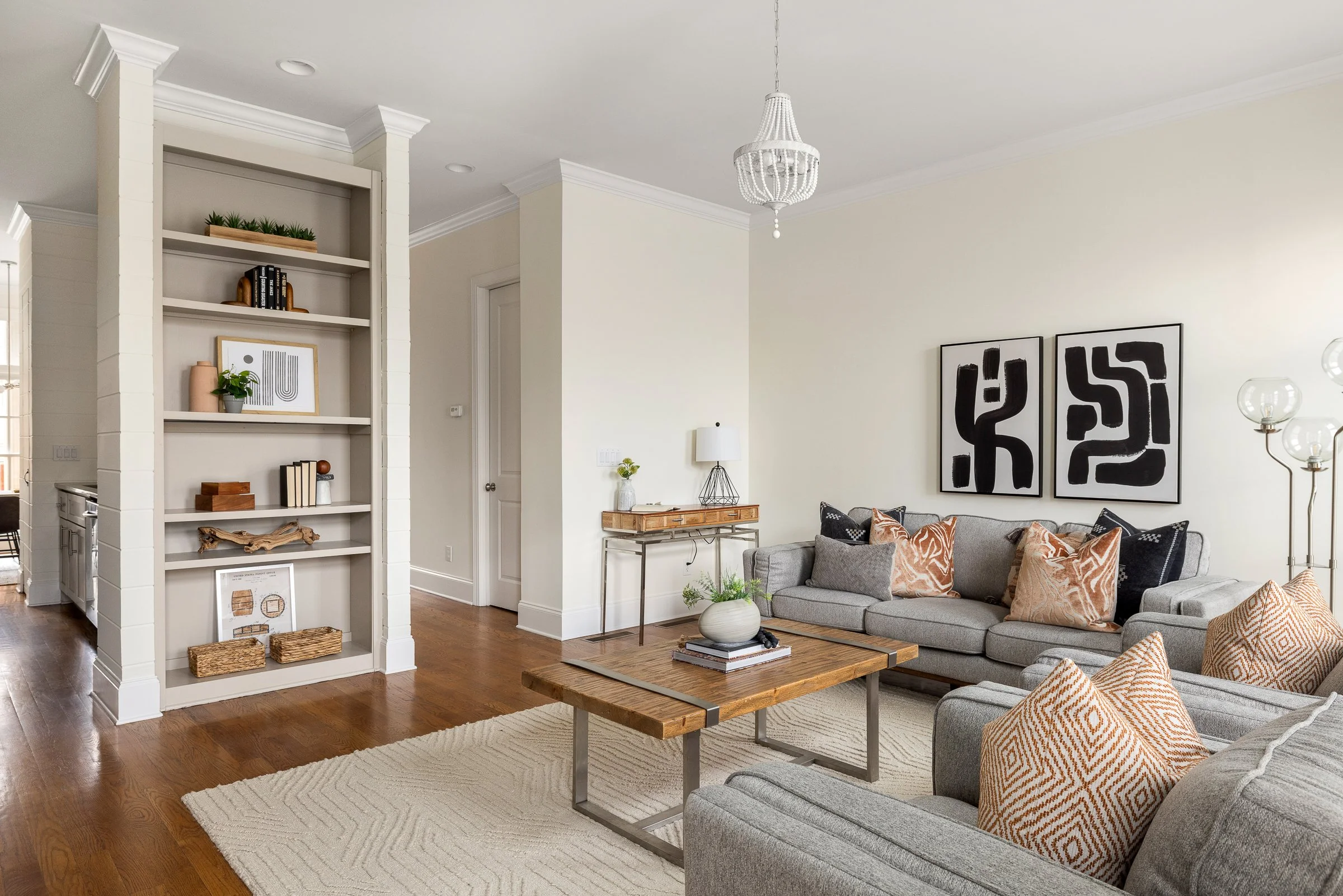
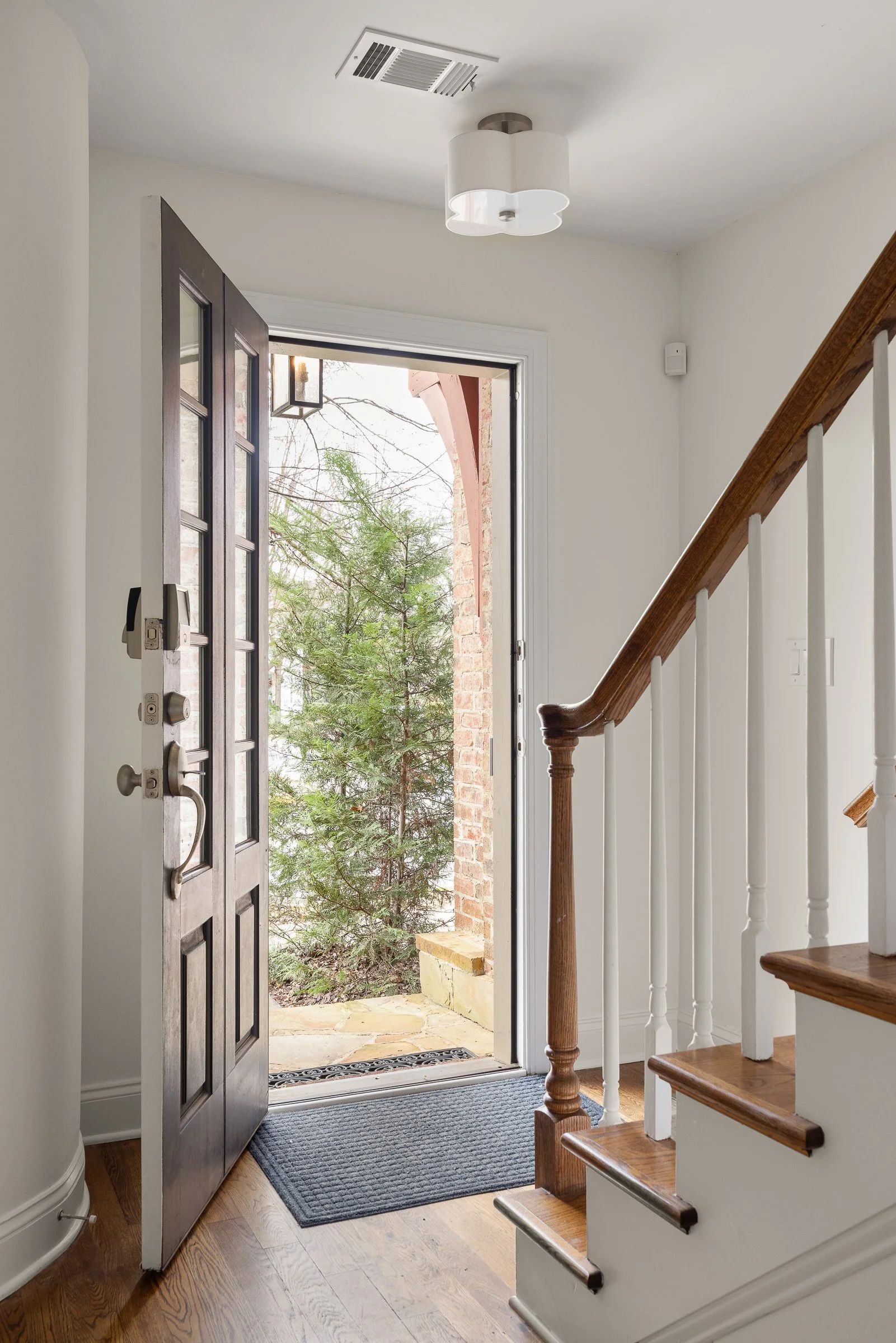
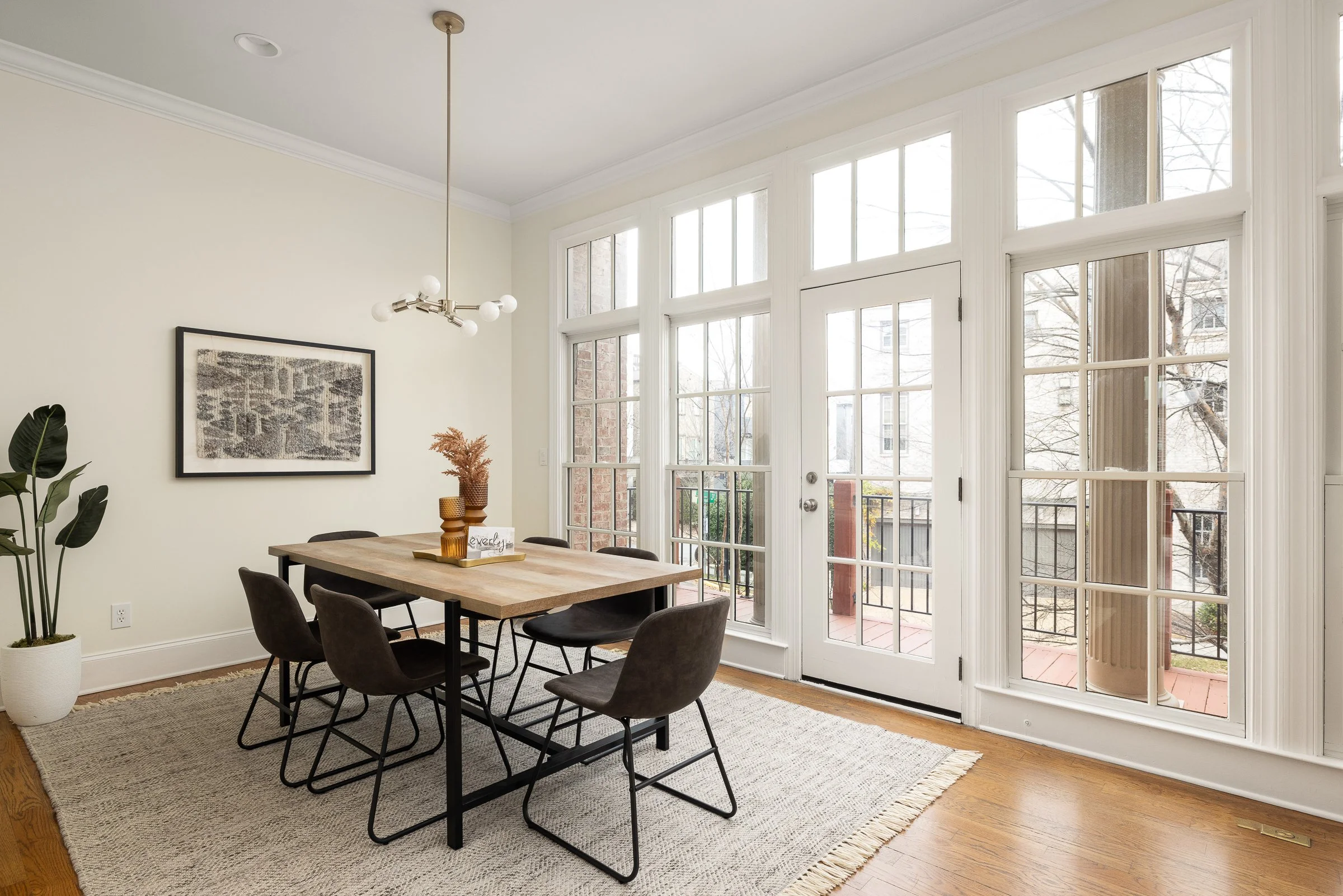
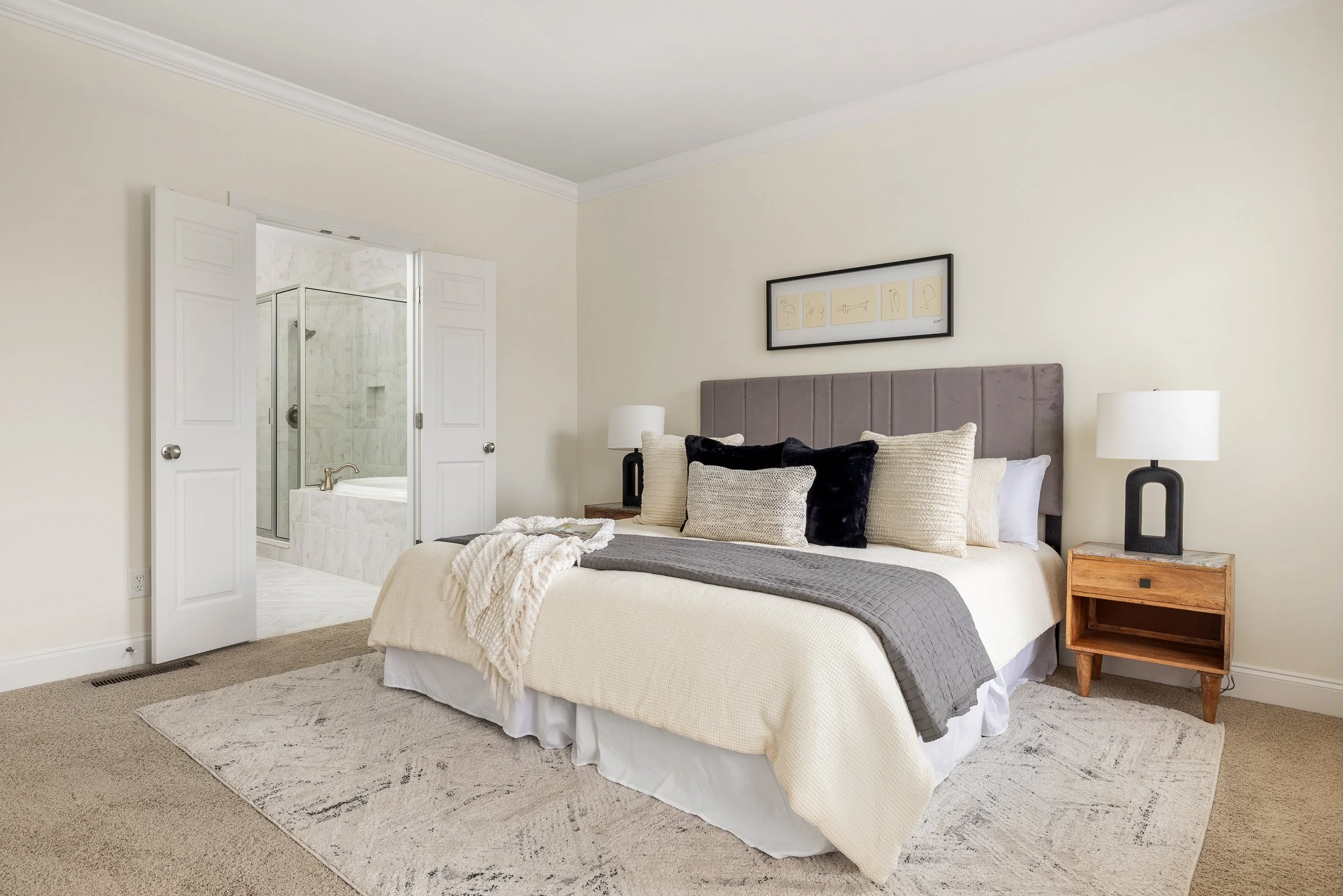
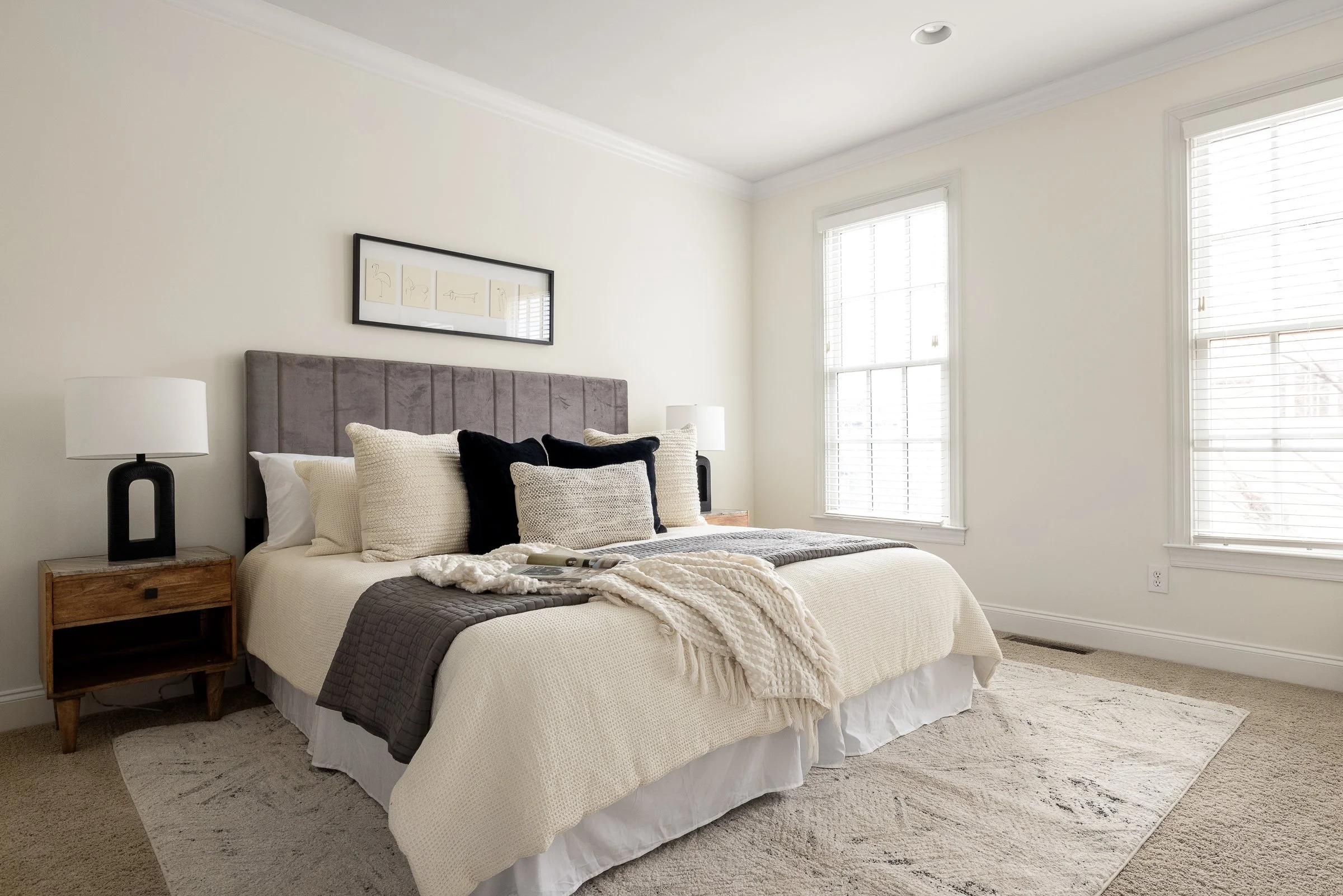
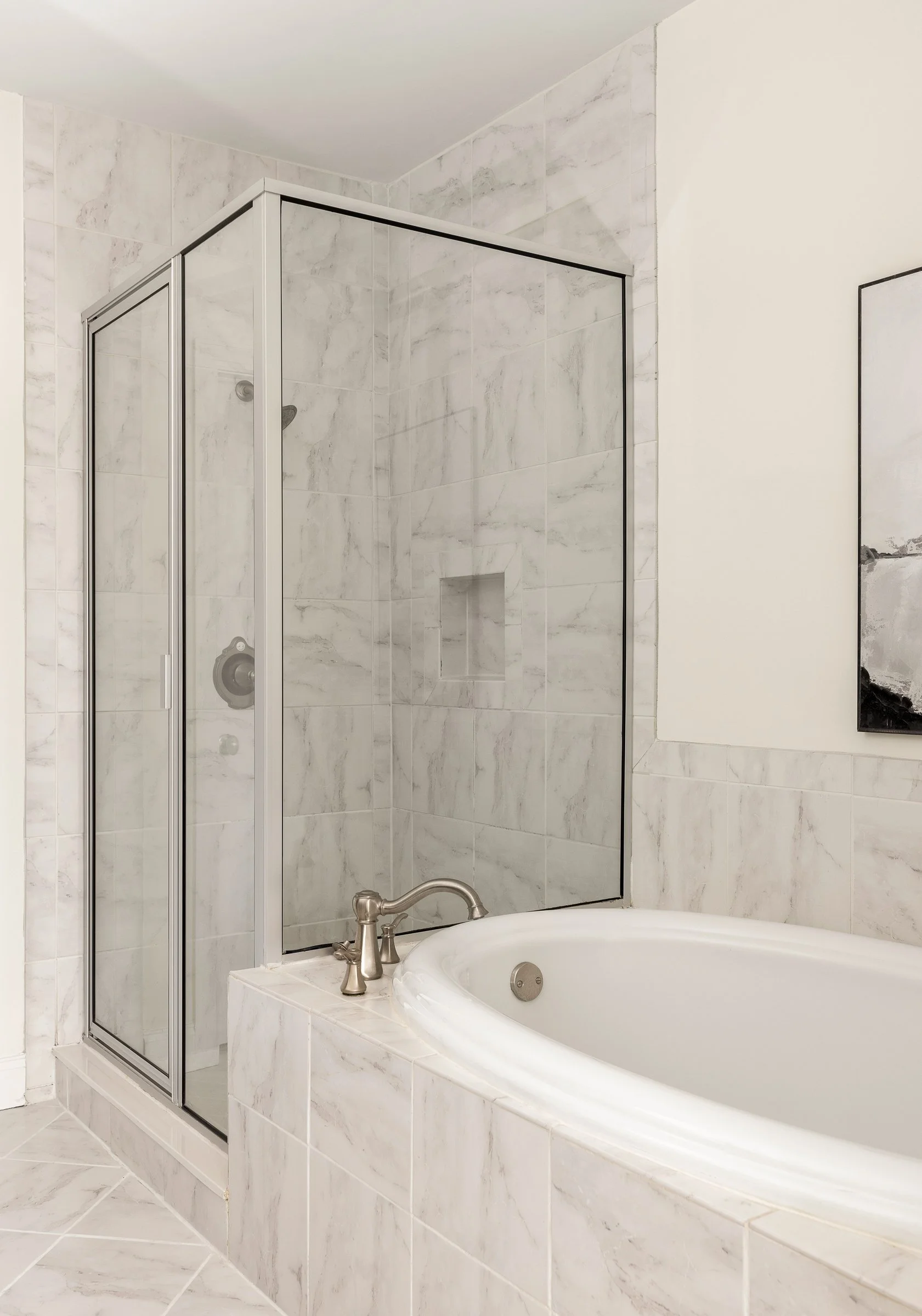
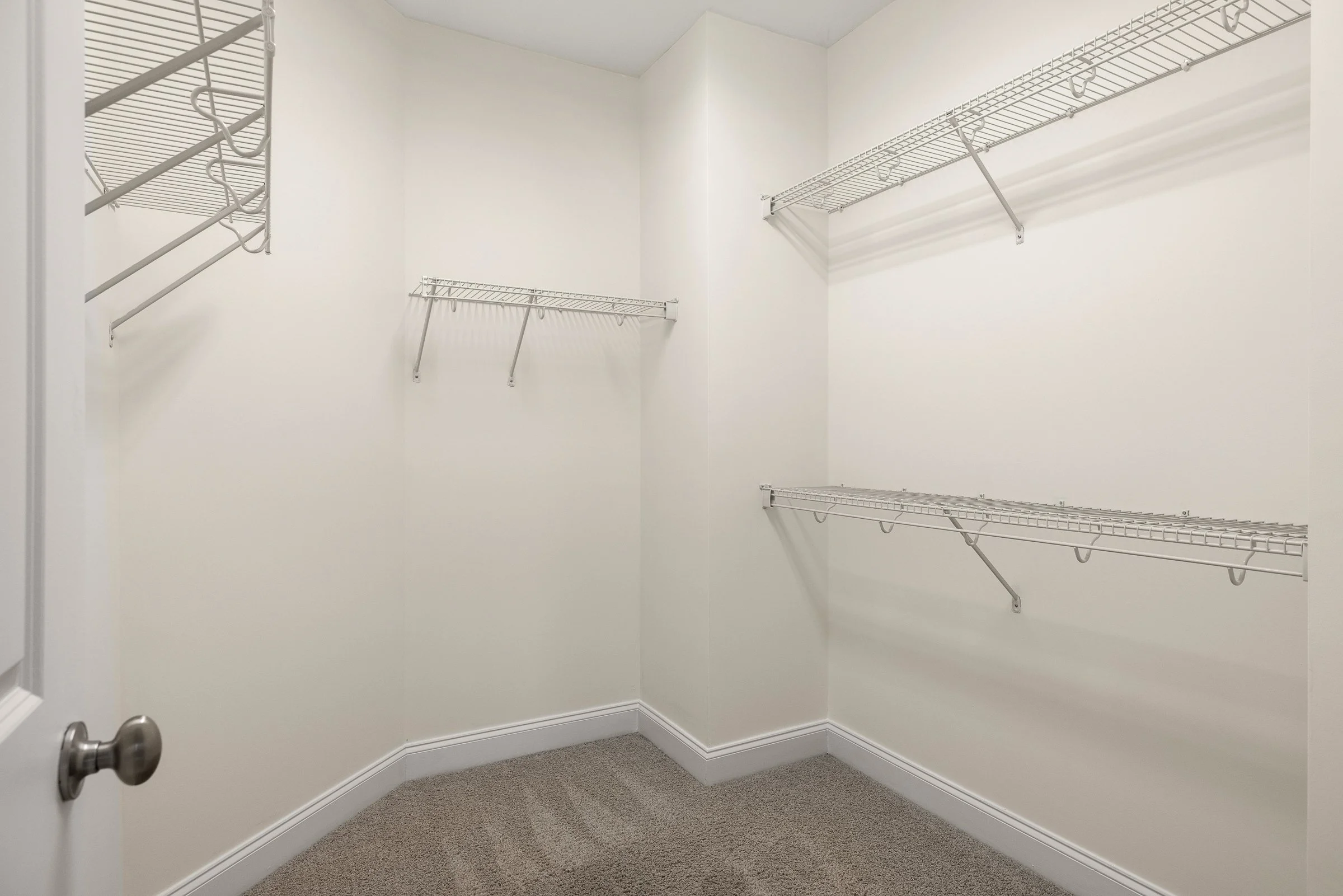
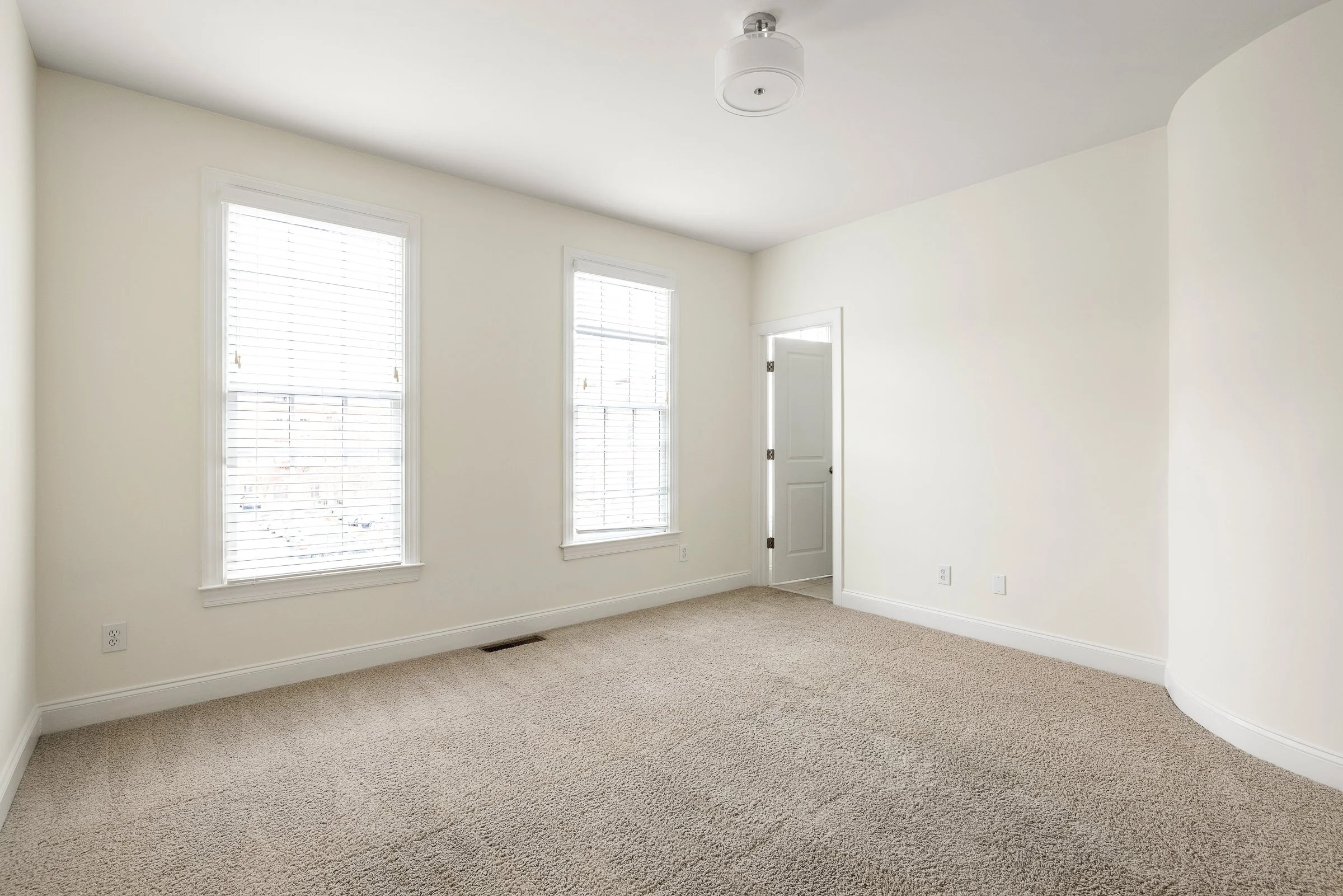
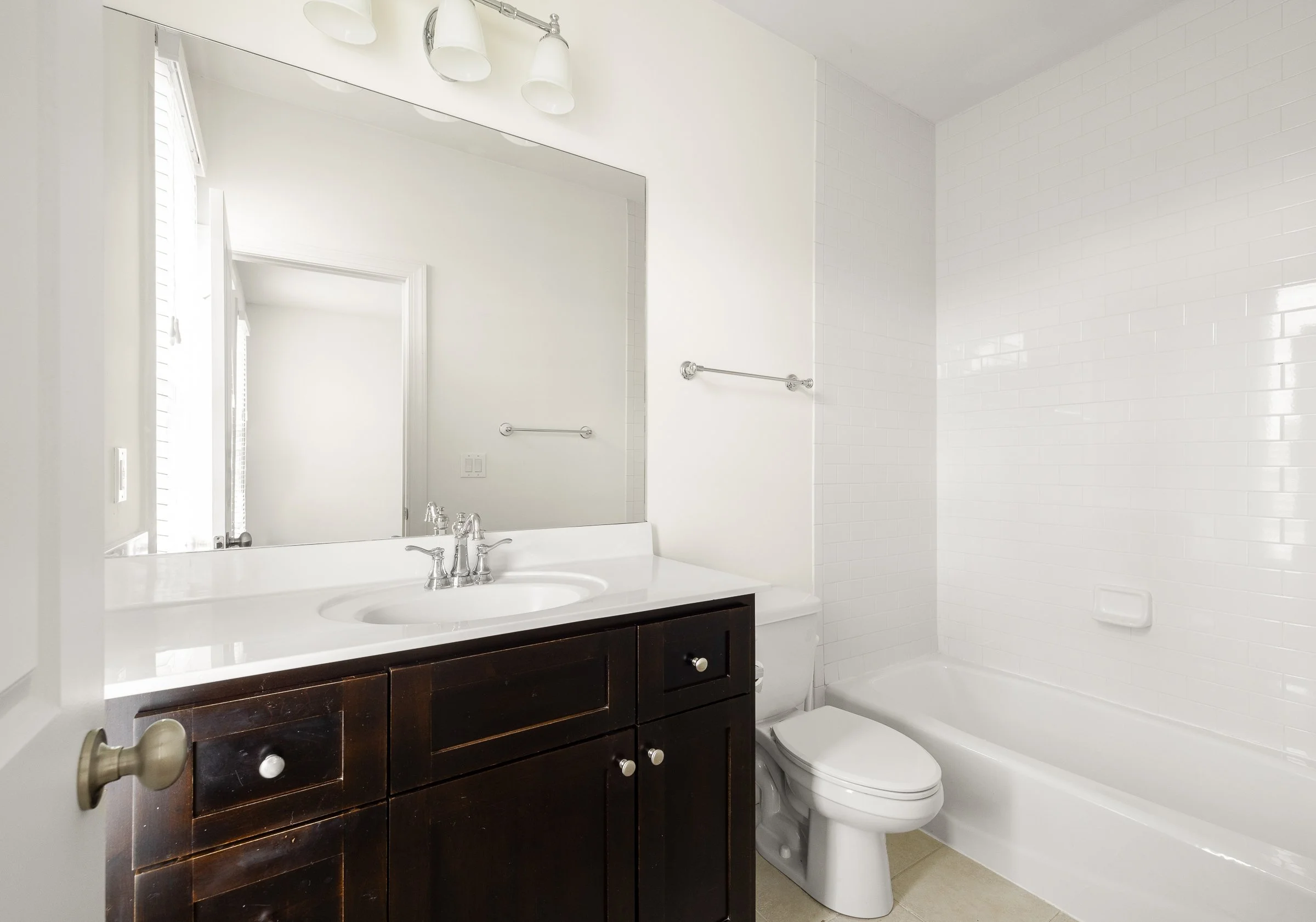
RECOMMENDATIONS: Rather than undertake an expensive renovation, we recommended a series of targeted cosmetic improvements designed to make the home feel current enough to compete with newer construction nearby. We would repaint throughout in a creamy white, paint the kitchen cabinetry and living-room built-ins Sherwin-Williams Shiitake, replace the dated builder-grade light fixtures, and professionally stage the finished home with modern furniture.
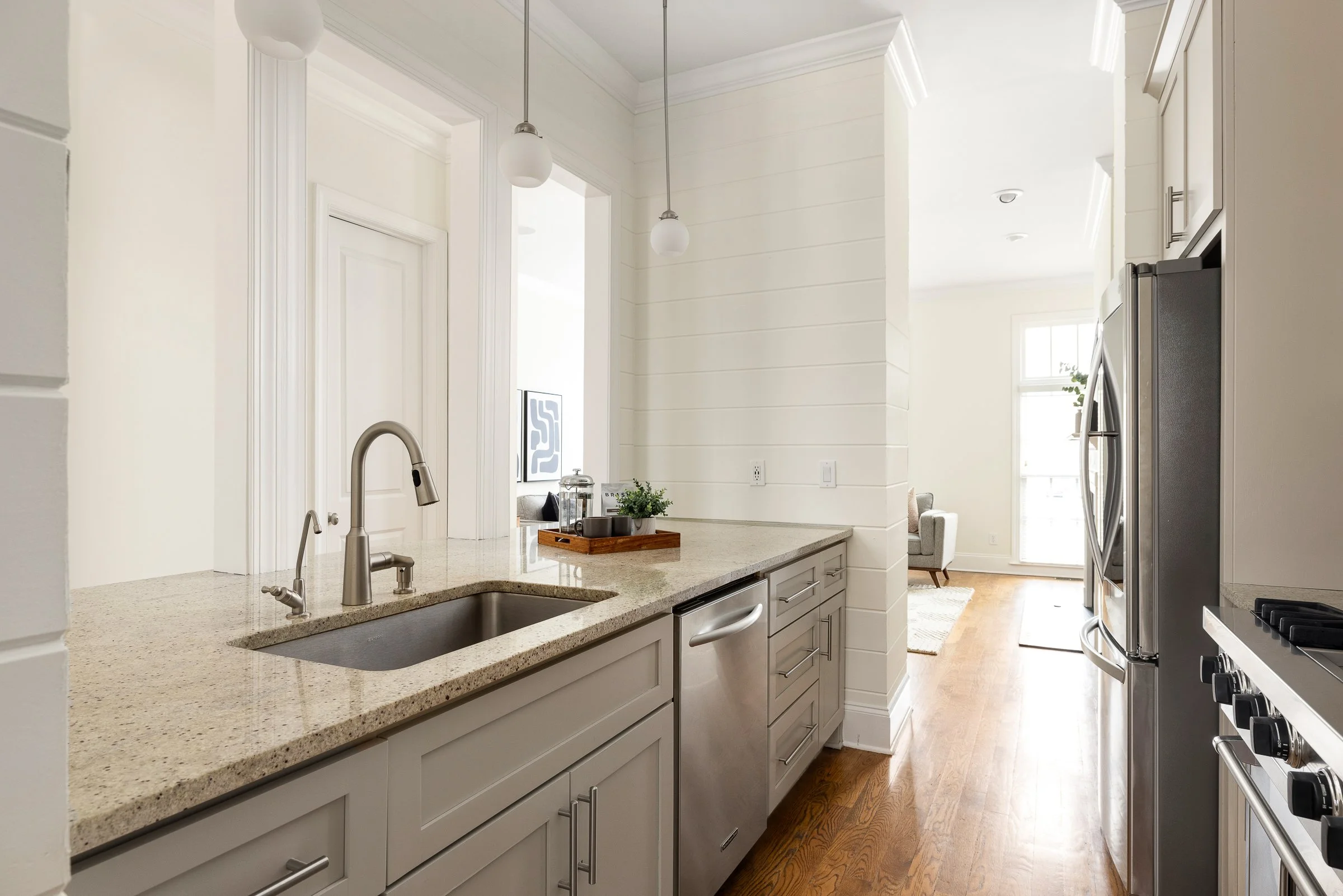
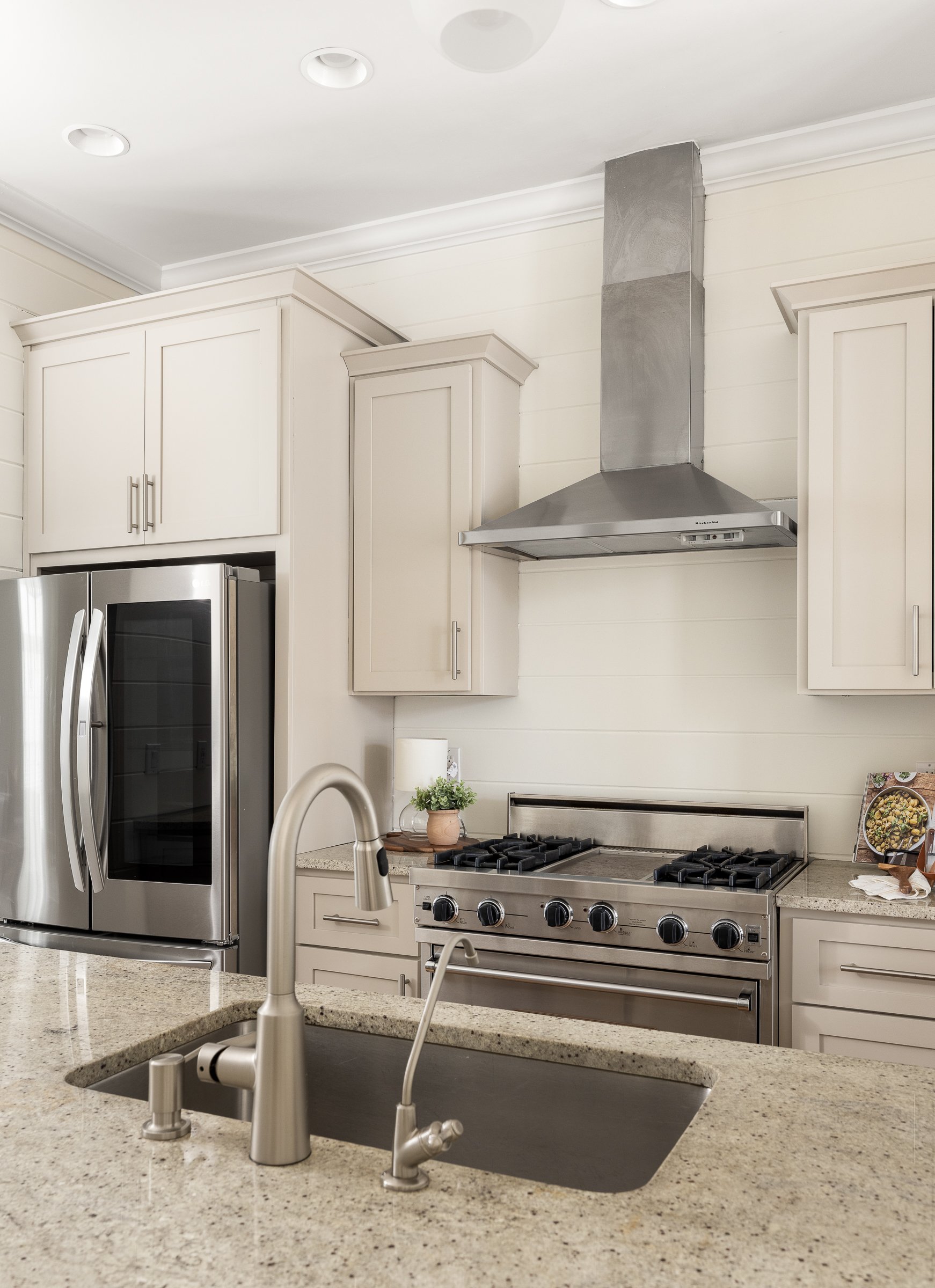
ACTION: We focused the preparation budget on changes that would have the greatest effect on a buyer's first impression. The darker cabinetry and built-ins were painted rather than replaced, allowing us to keep the existing granite countertops while giving the kitchen a much lighter appearance. New lighting replaced the original “boob lights” throughout the home, and fresh paint and contemporary staging completed the transformation.
RESULTS: We listed on January 1, 2024, and were under contract eight days later with a full-price offer. The location was strong enough that we could have sold the townhome without doing all of this work. Our objective was to present it at a level that would allow us to capture top dollar rather than settle for what buyers would pay for a dated version of the same home.
CONCLUSION: Sellers sometimes assume that a desirable location means they don't need to prepare their home for market. A great location can certainly help a property sell, but preparation determines what buyers see when they get there. In this case, relatively straightforward cosmetic improvements allowed us to pair one of Glenwood Park's best assets, its location, with a home that felt fresh enough to command a full-price offer.
-
BEFORE
-
AFTER
The Location Was Already Doing a Lot of the Work
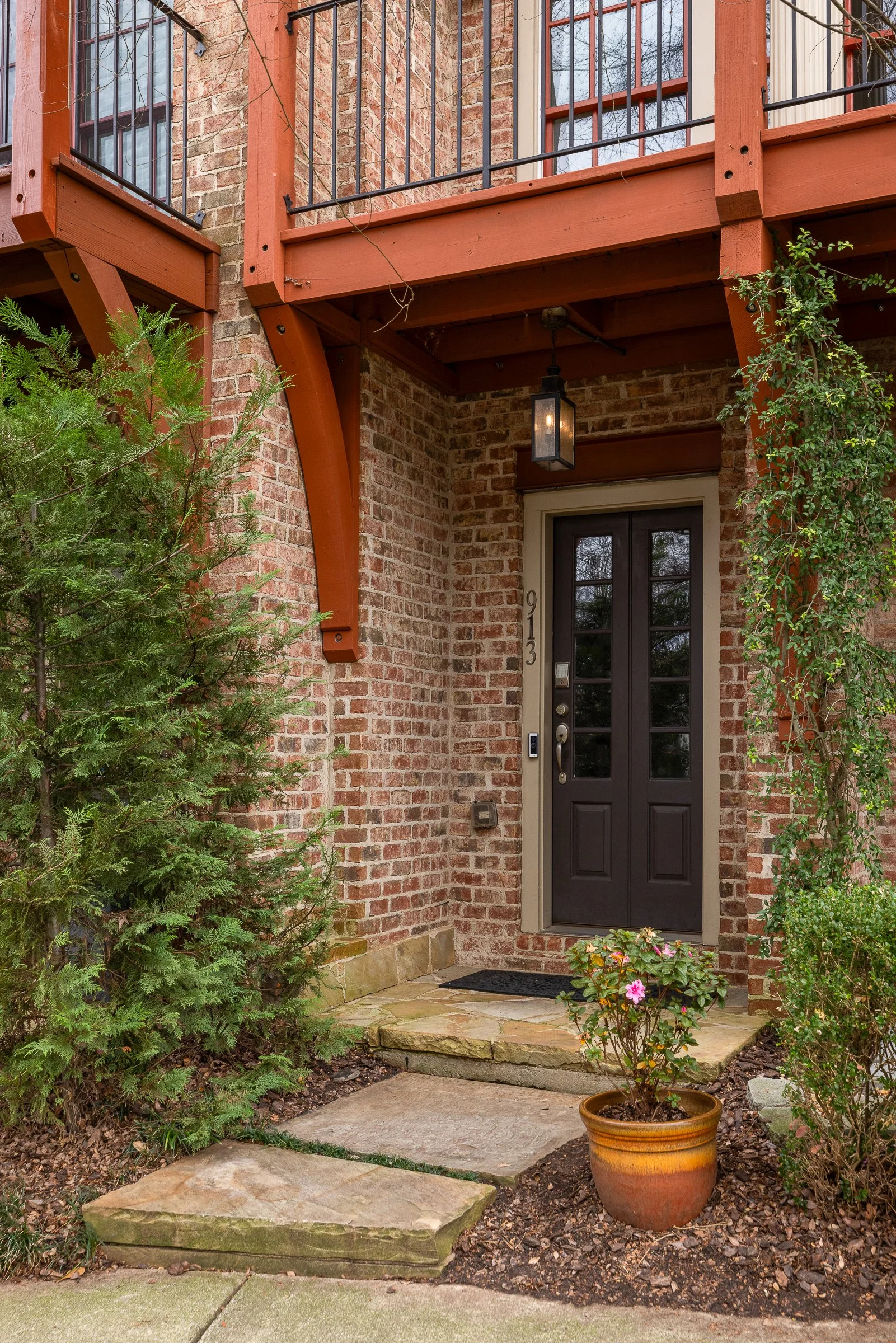
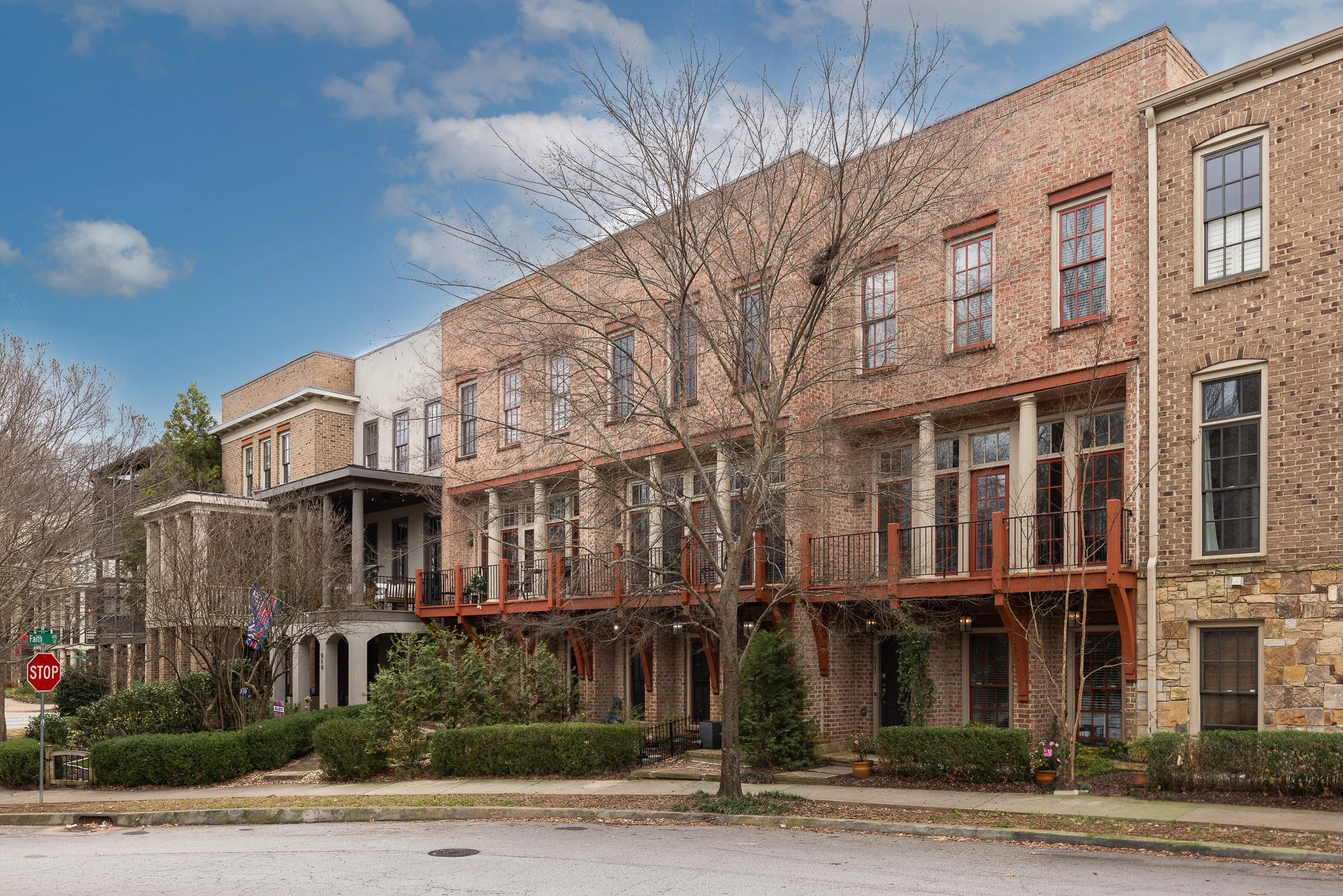
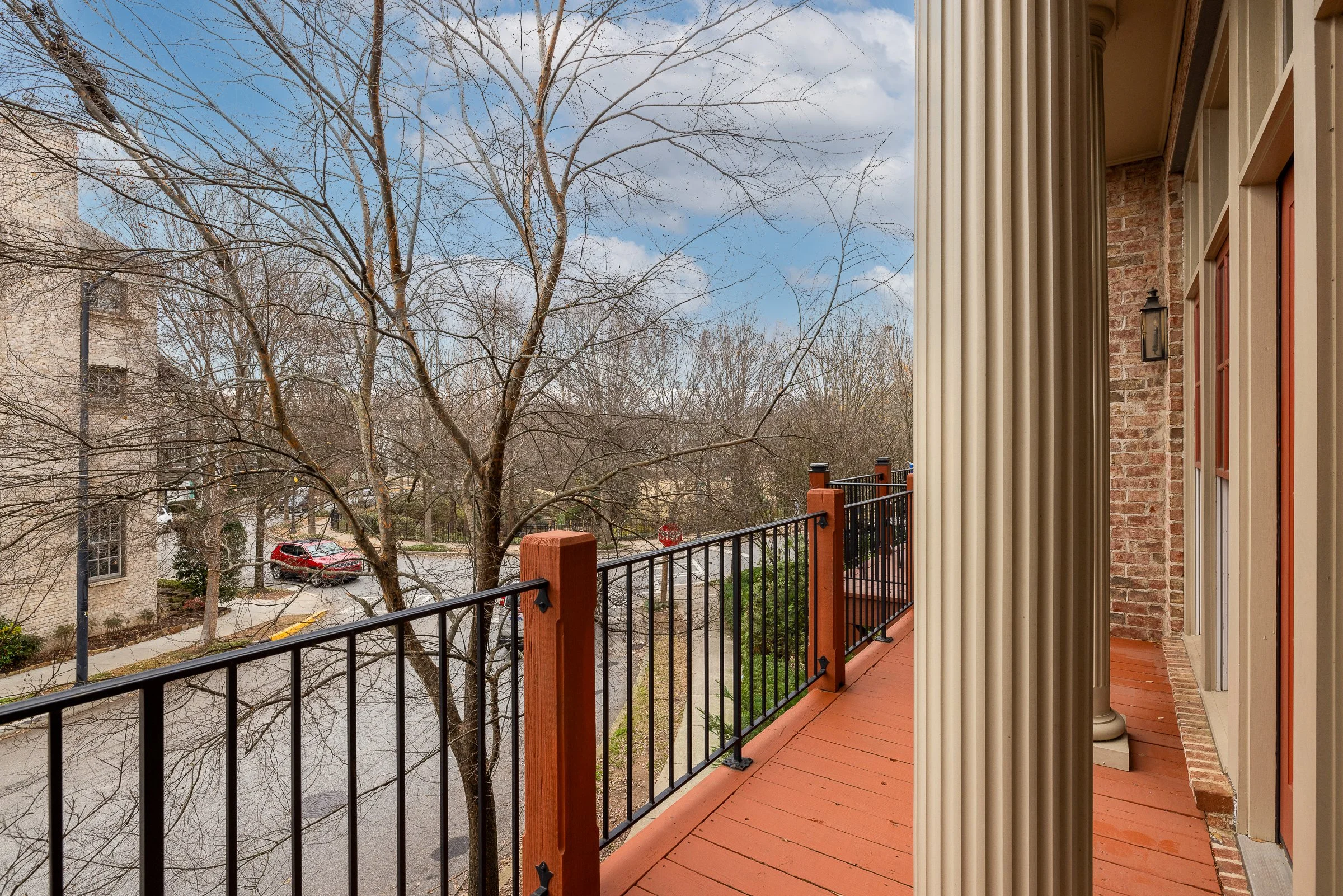
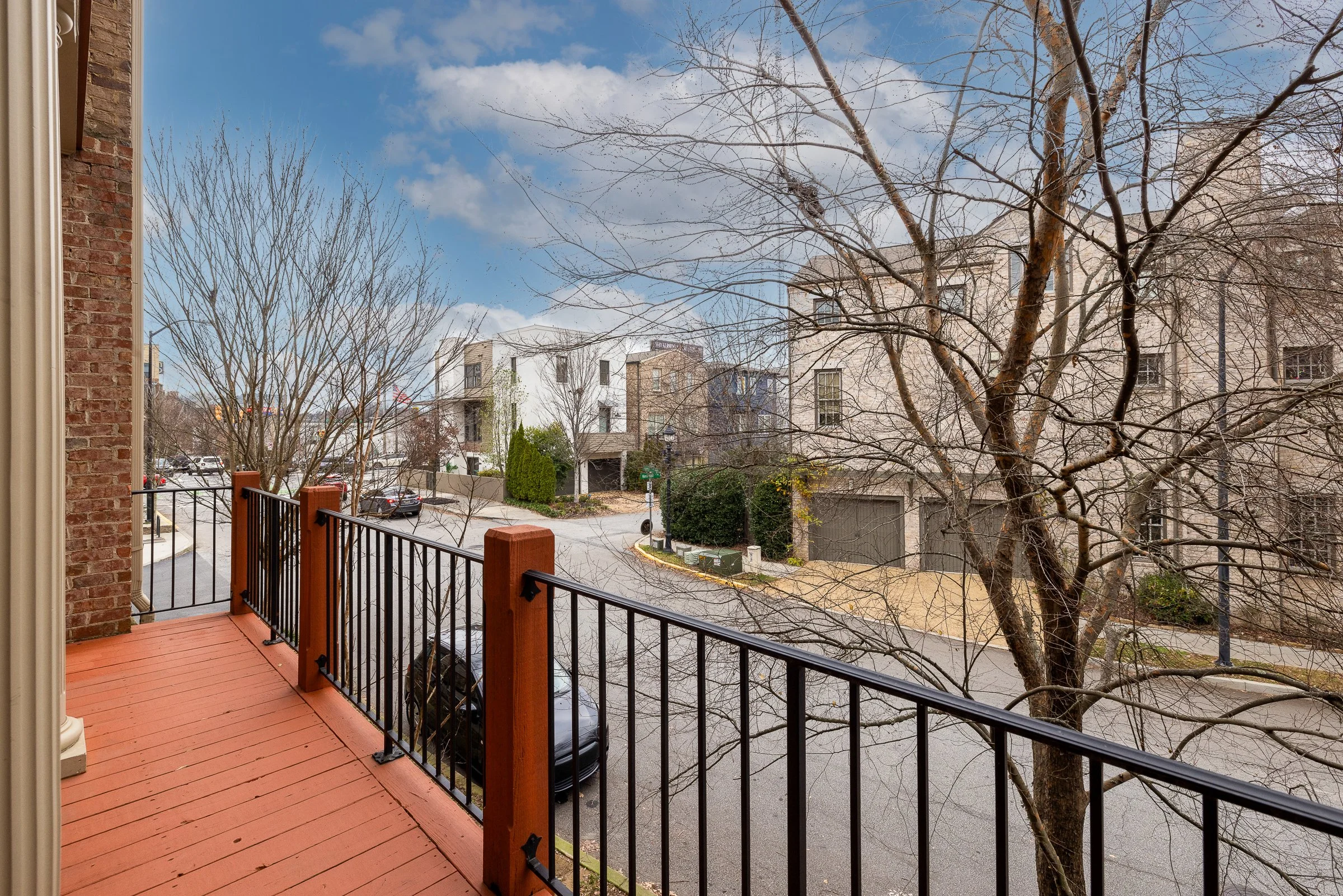
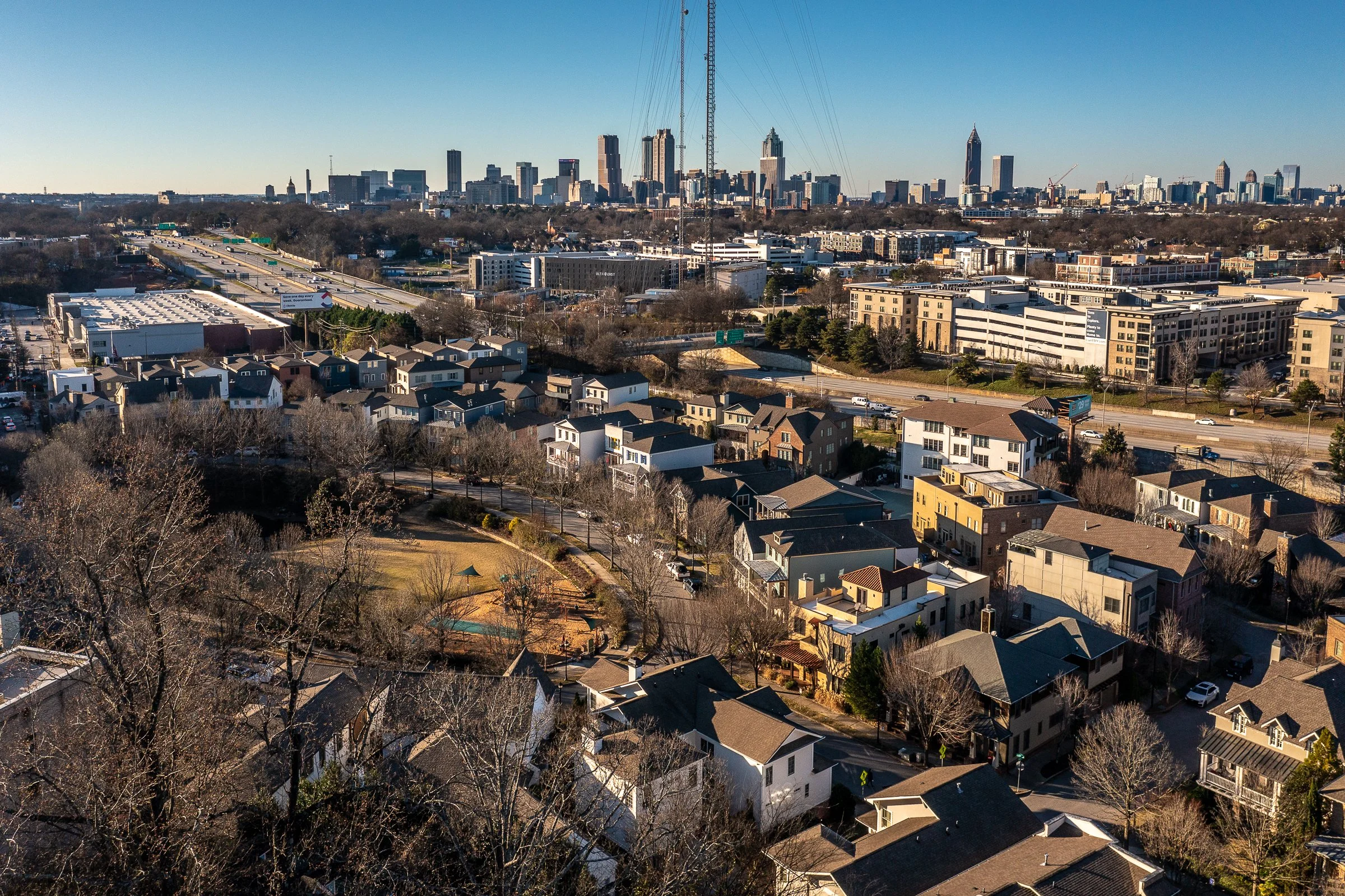
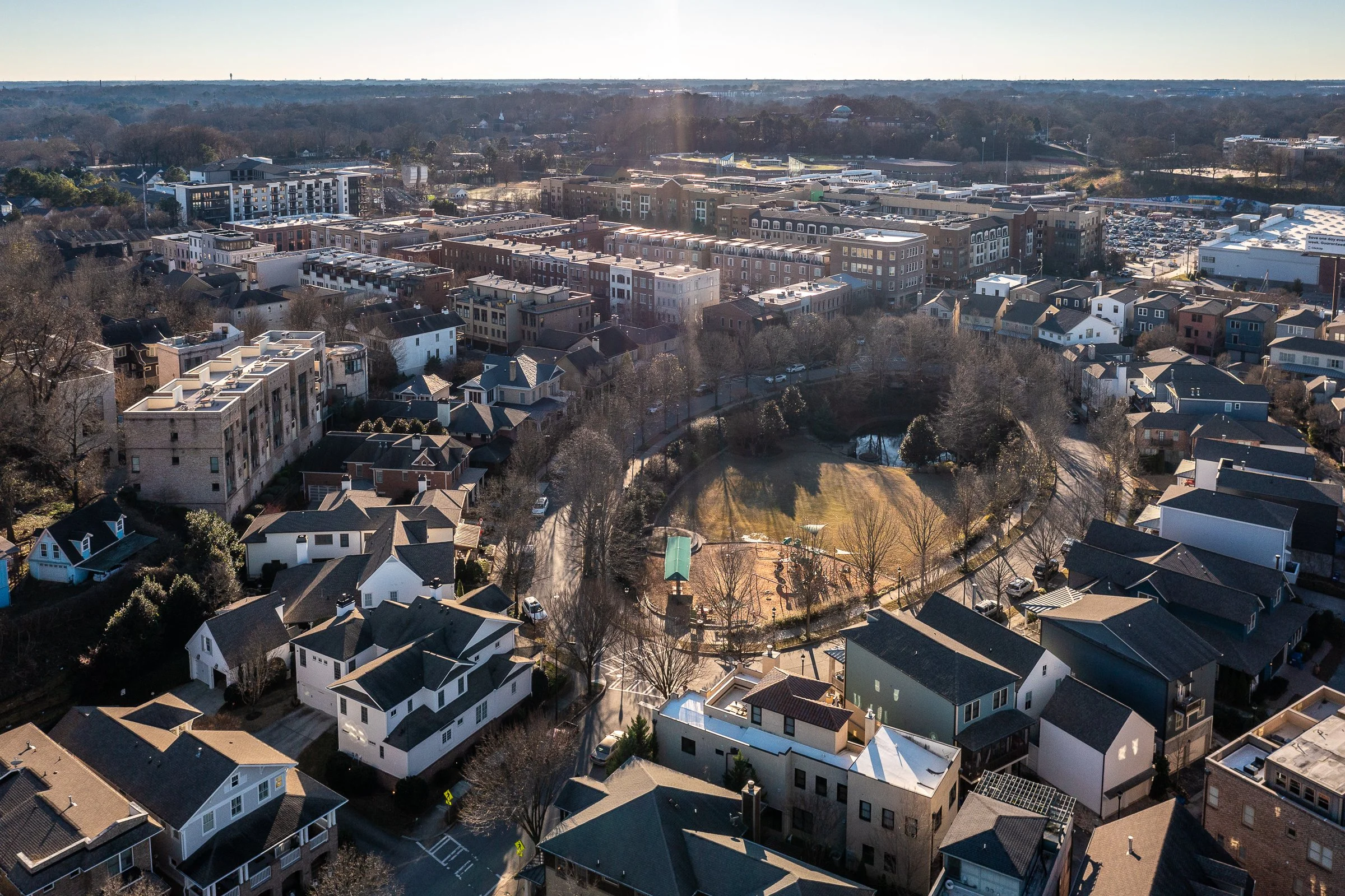
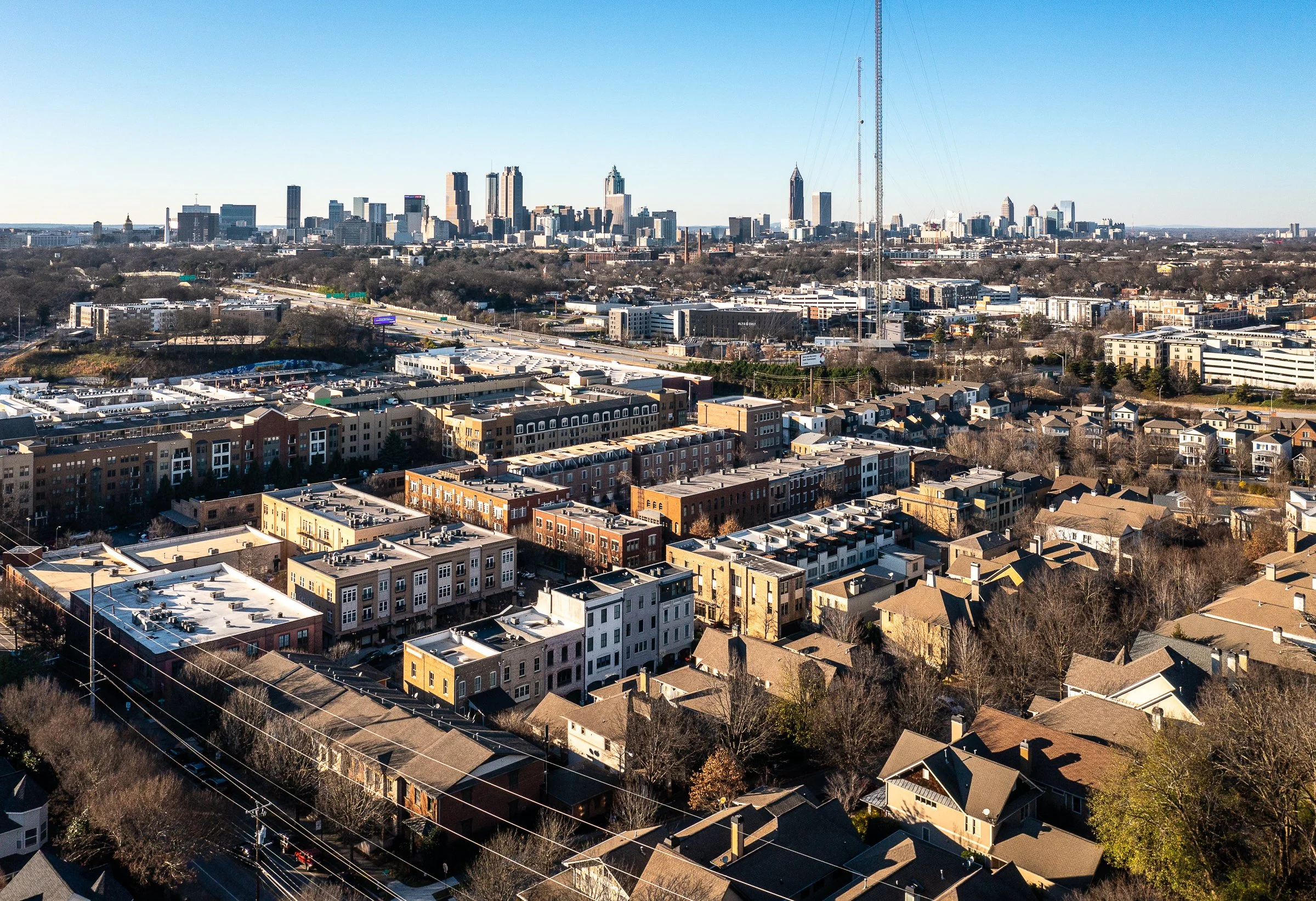
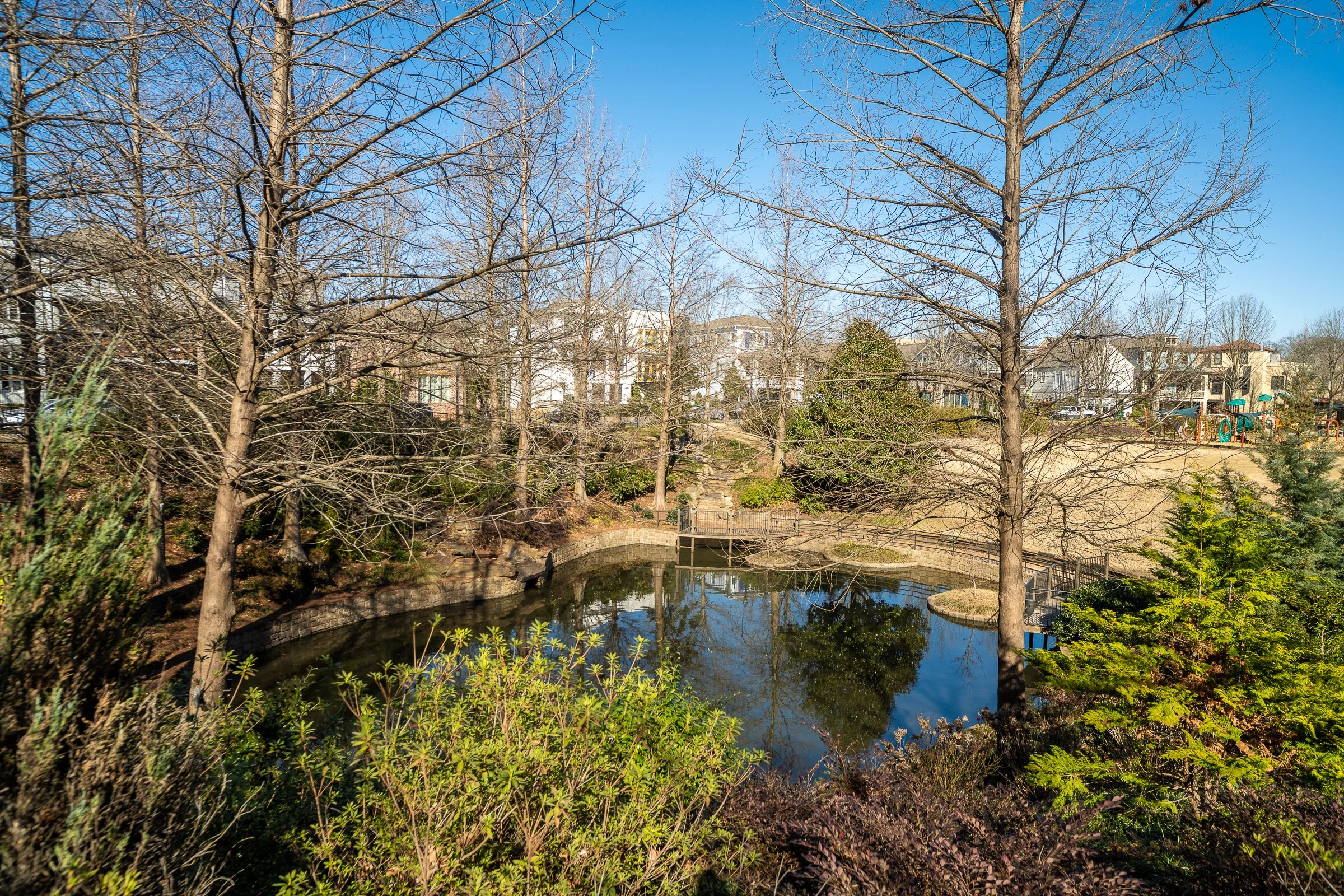
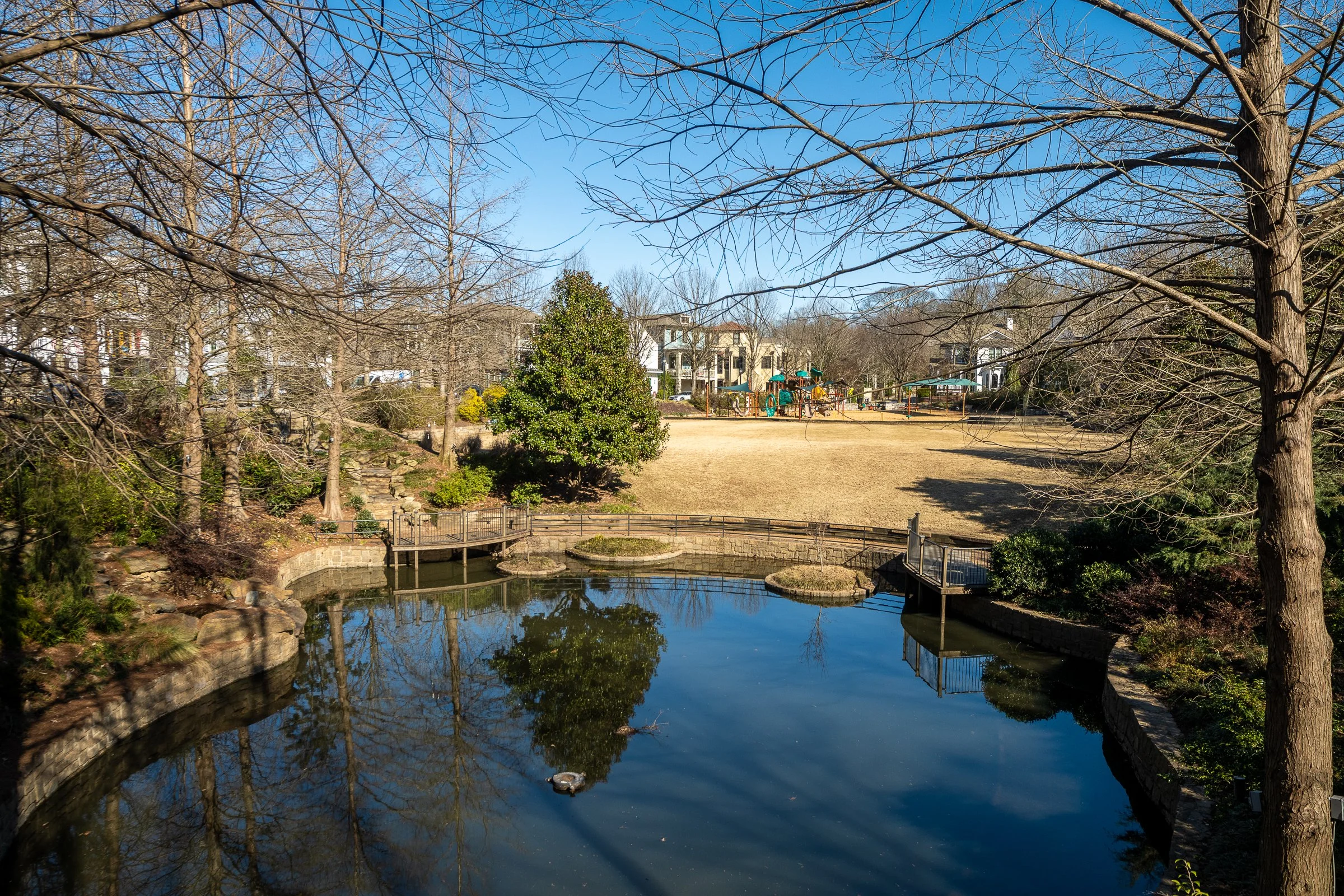
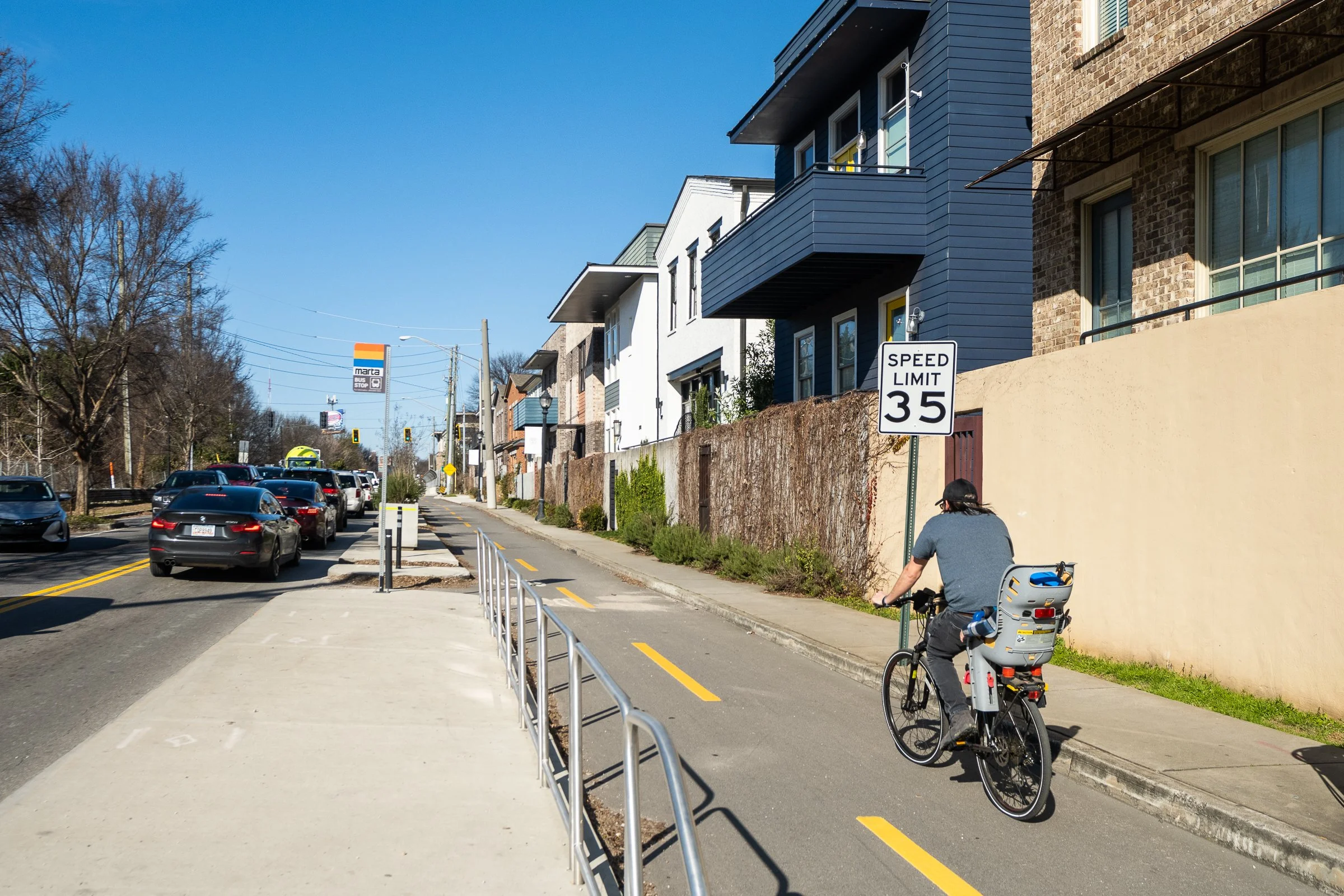
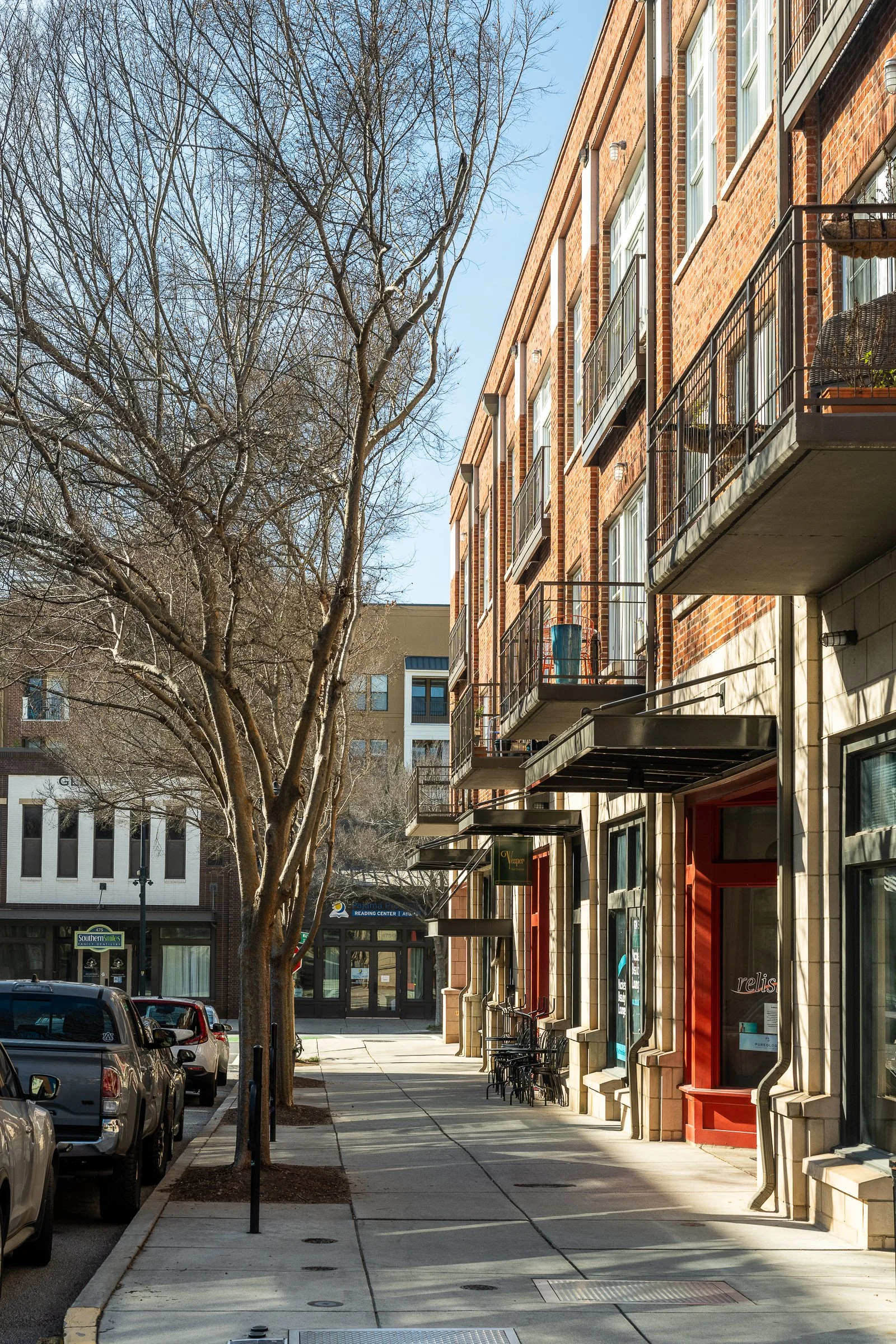
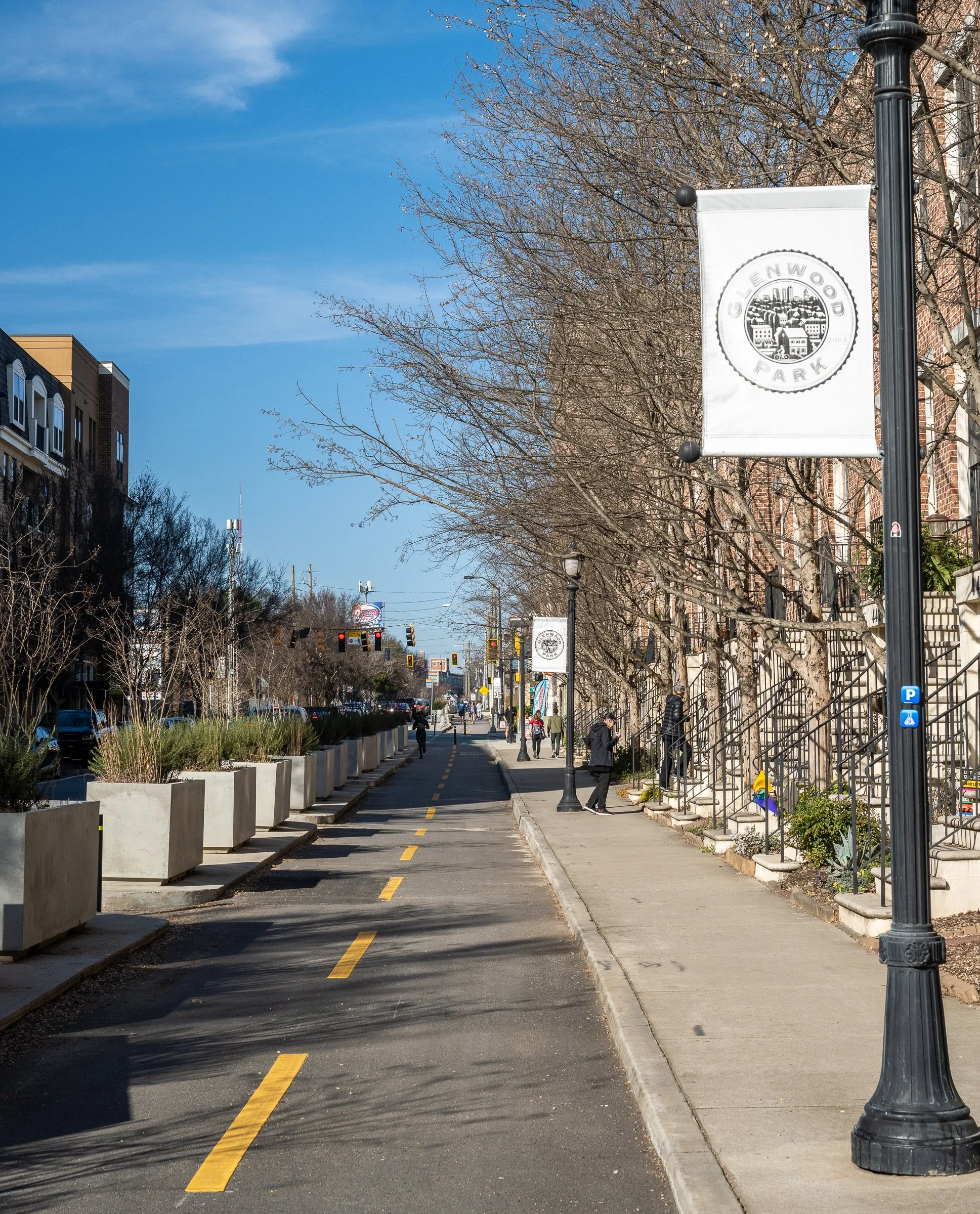
Glenwood Park has become one of the most desirable pockets on Atlanta's east side for good reason. Its planned density combines houses and townhomes with green space and a commercial district, while its location provides easy access to I-20 and places residents directly between Grant Park and Ormewood Park. The Atlanta BeltLine further strengthened those connections when it reached Glenwood Park in 2019 and continued its expansion toward Grant Park and beyond.
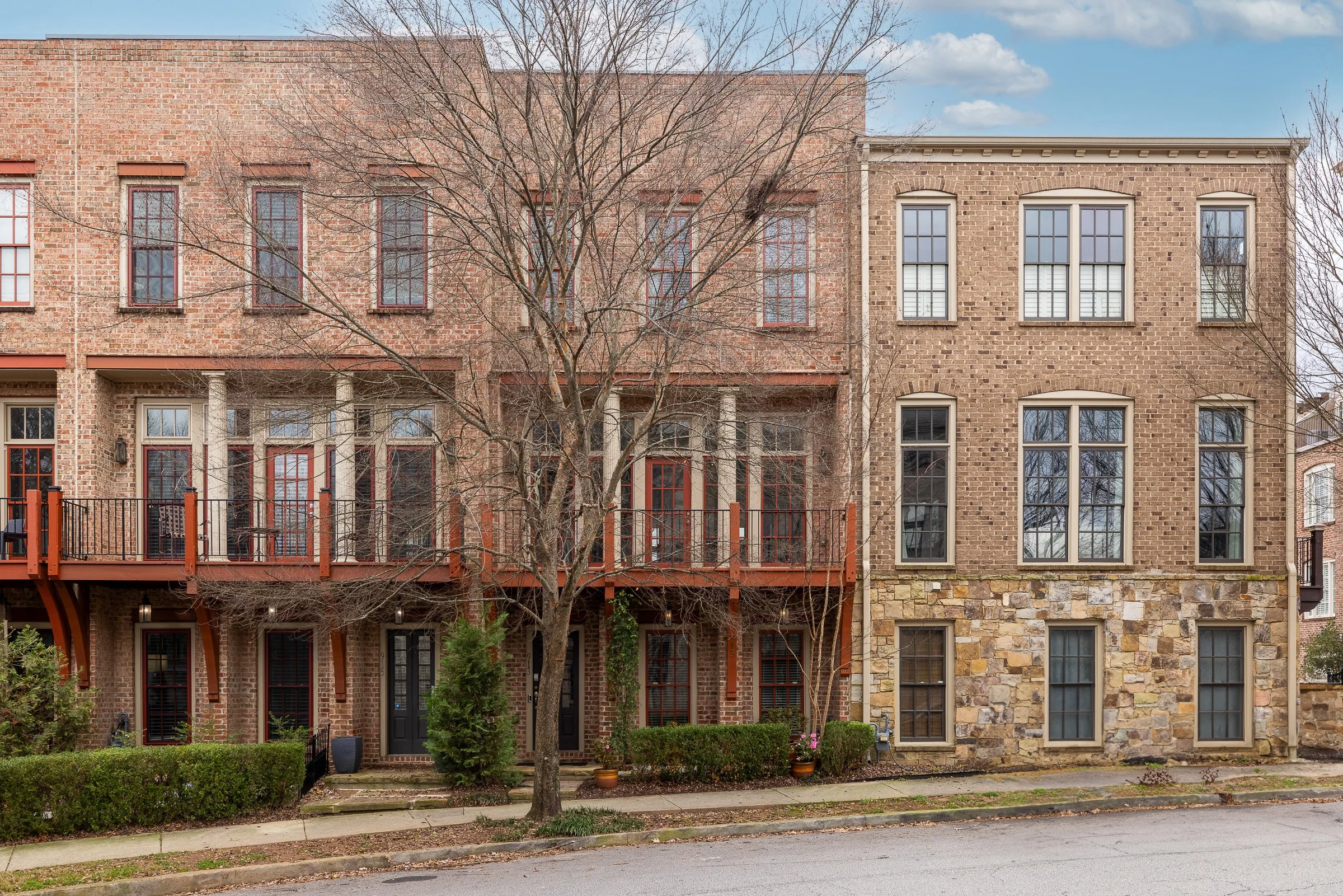
This particular townhome had an especially good position within the neighborhood, roughly halfway between the Glenwood Park green and the BeltLine.
We knew we could have listed it exactly as it was. Someone who wanted to live in Glenwood Park would have seen past some dated light fixtures and dark cabinetry, and the strength of the location almost certainly would have generated interest.
But our job wasn't simply to find someone willing to buy it. We wanted to position the home to get the strongest possible response from the market.
That meant looking at the property through a different lens. Instead of asking, “What do we have to fix to sell this?” we asked, “What is keeping this home from showing at the level its location deserves?”
-
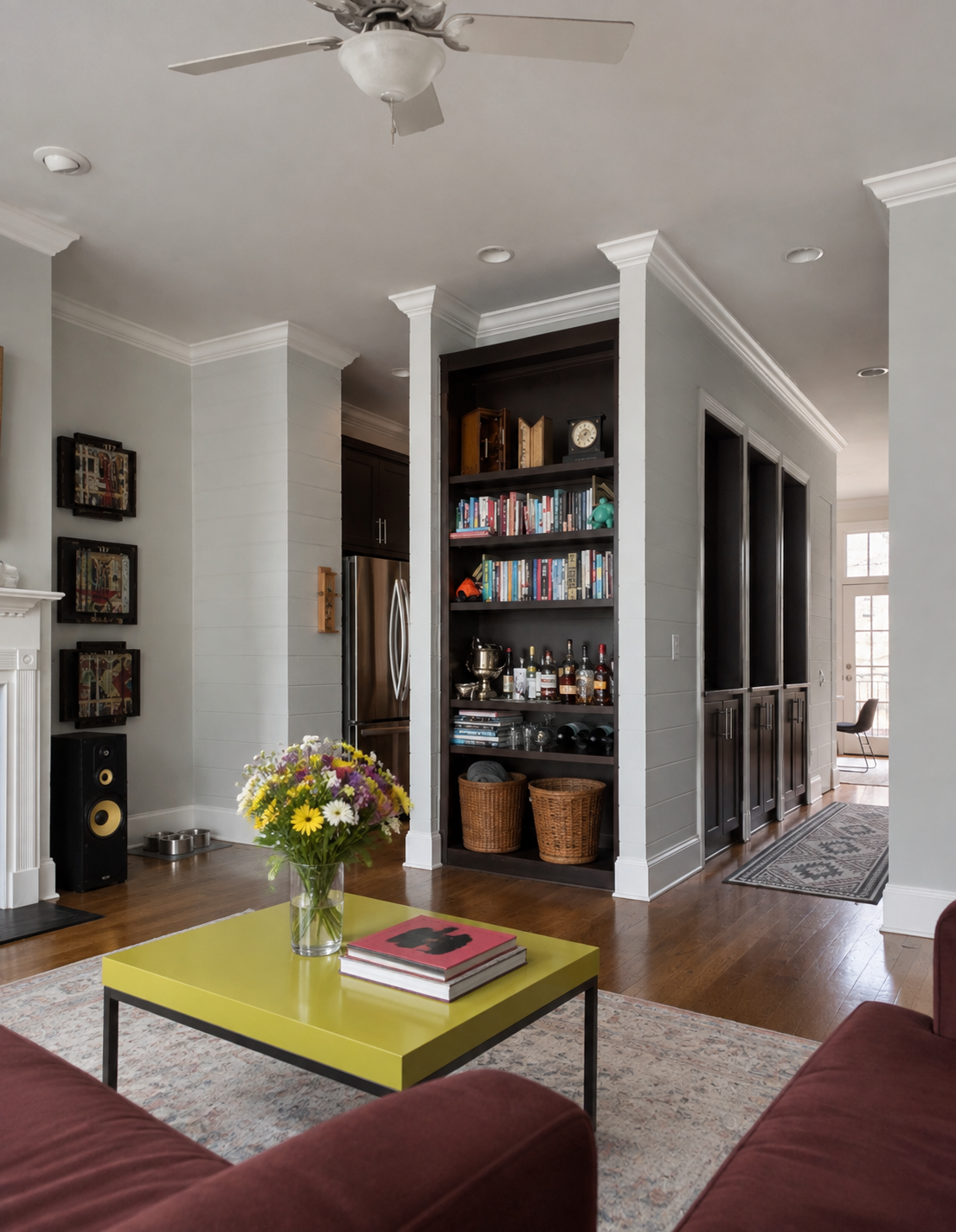
BEFORE
-
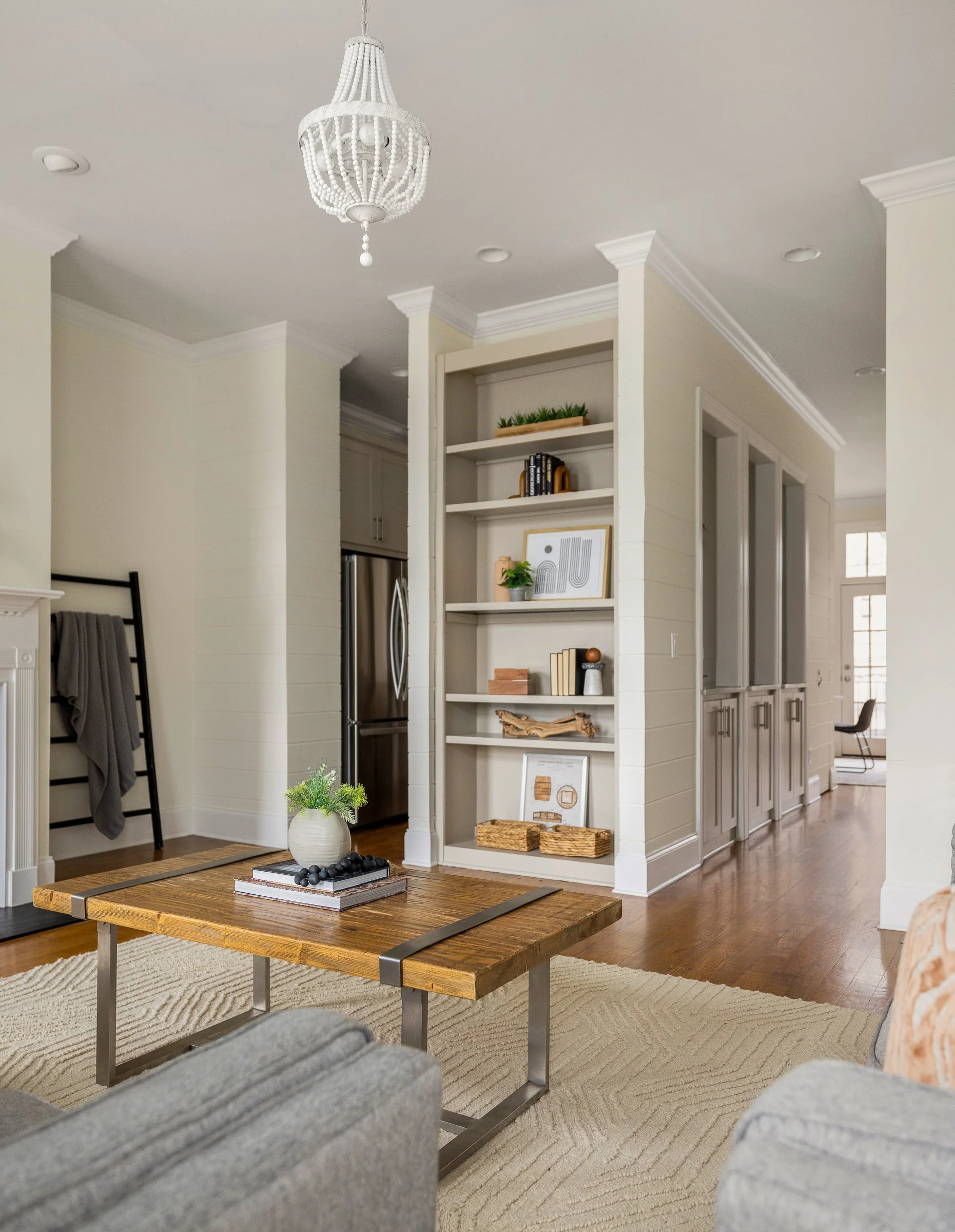
AFTER
A Little Too Much 2006
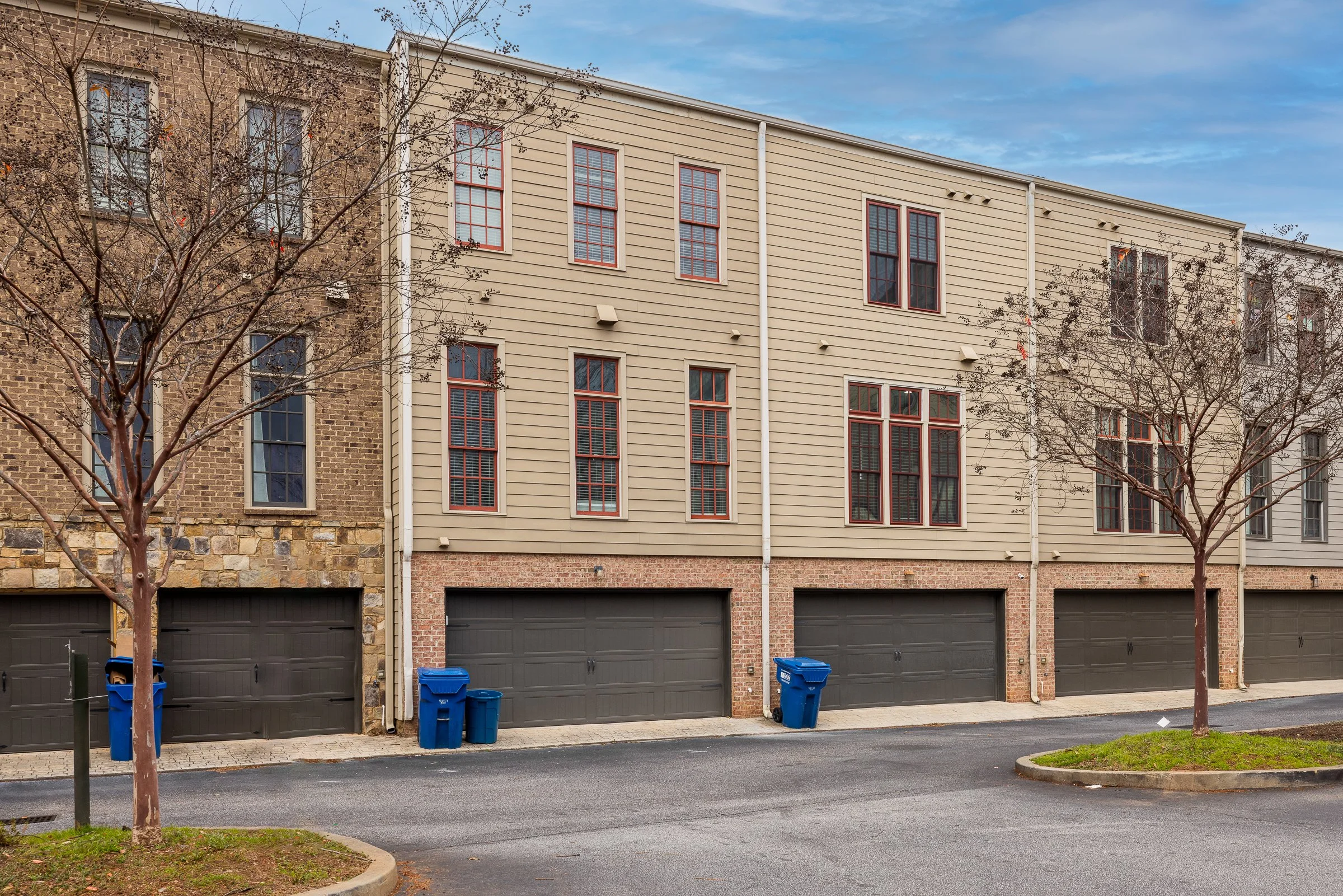
The townhome wasn't old, particularly by intown Atlanta standards. It was built in 2006 and had the features buyers expect from relatively modern construction. But almost two decades later, some of the design choices were beginning to identify exactly when it had been built.
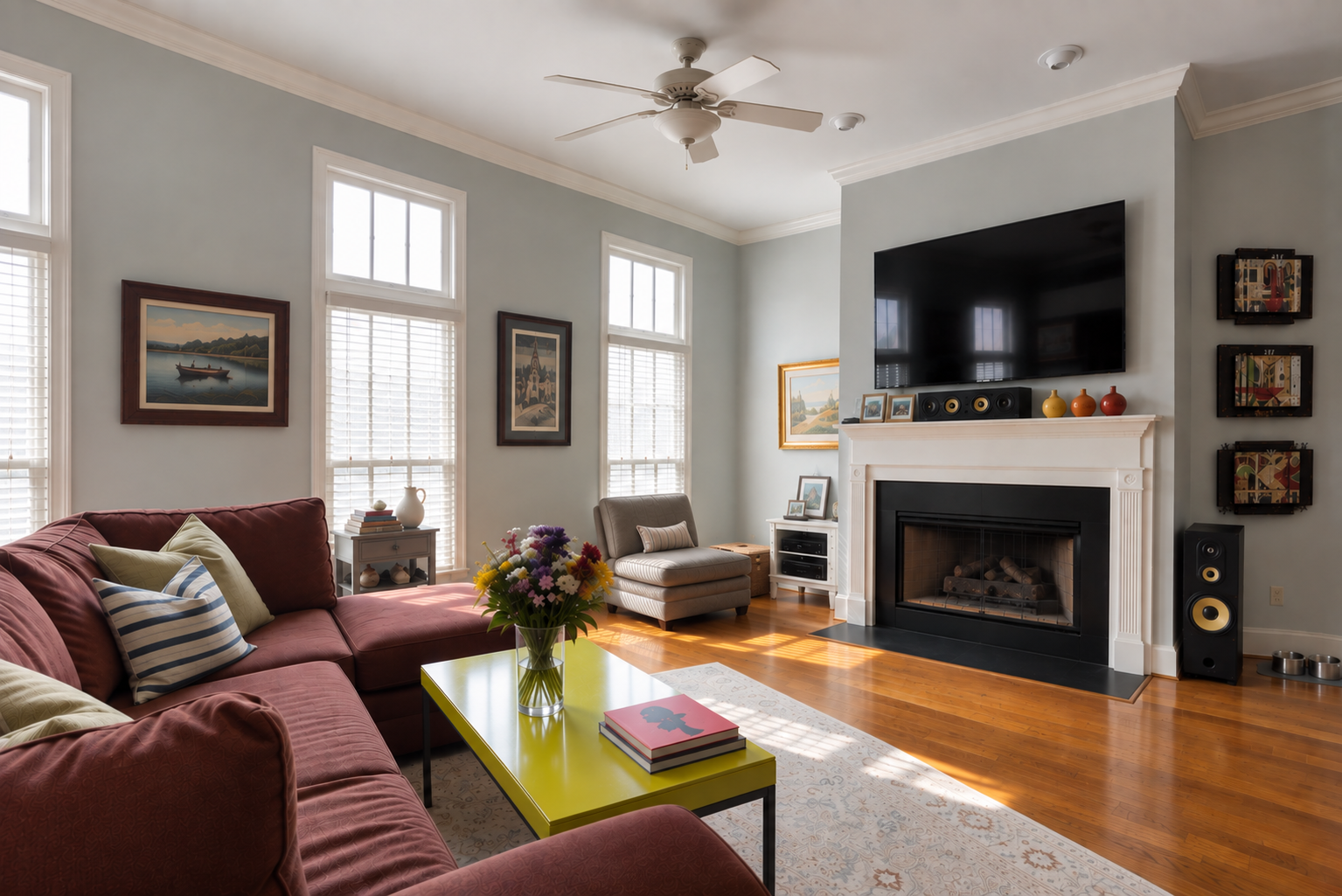
The kitchen was the clearest example. Espresso-stained cabinetry paired with granite countertops reflected the Tuscan-inspired kitchen trend that was enormously popular at the time. Throughout the house, basic builder-grade fixtures, including the familiar flush-mount “boob lights,” reinforced that same impression.
There was nothing functionally wrong with most of these finishes. The problem was that buyers weren't evaluating this home in isolation. They could also look at newer townhomes and new construction around the area, and those properties offered more current finishes from the moment buyers walked through the door.
We wanted our location to be an advantage without asking buyers to make a mental allowance for the age of the interior.
-
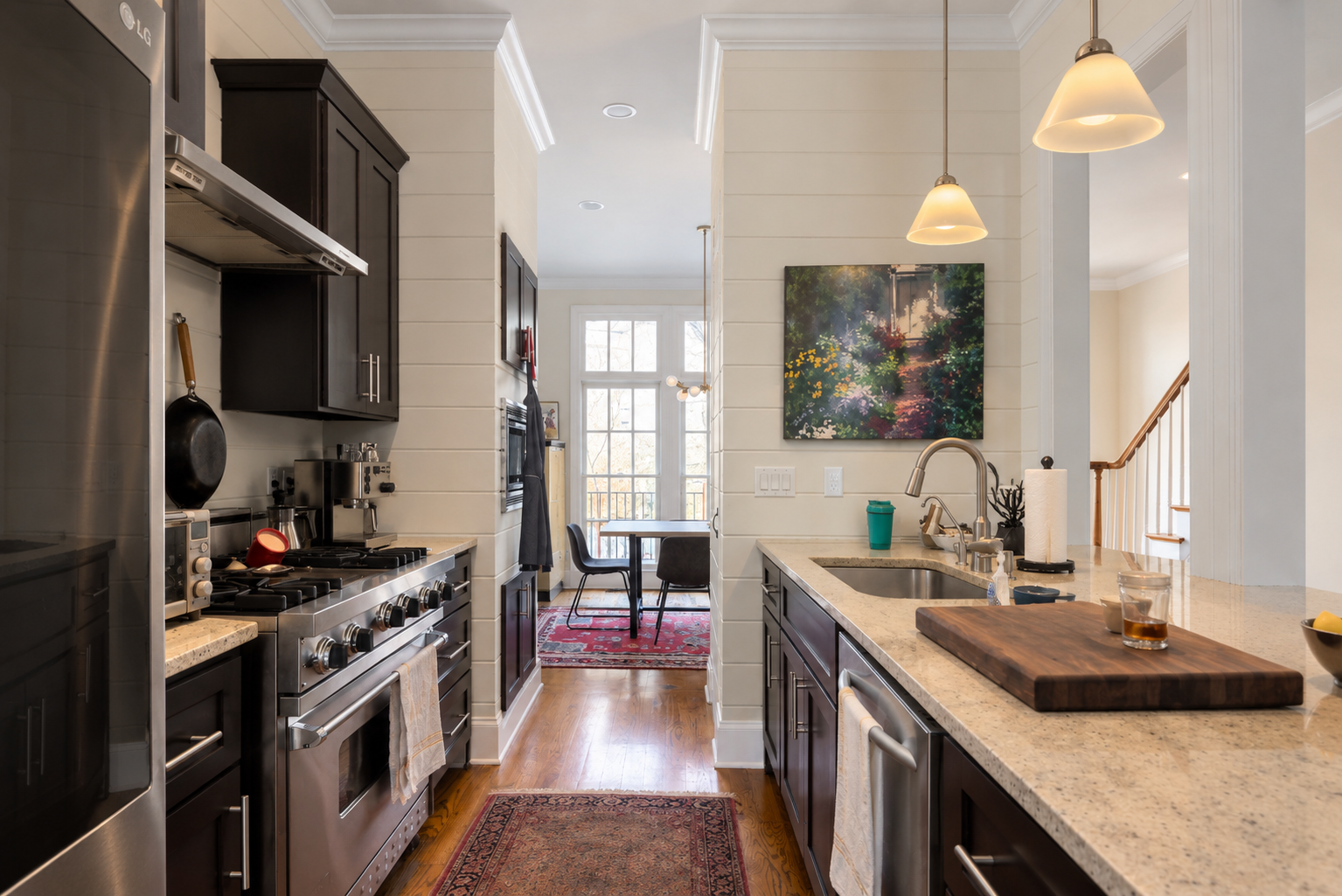
BEFORE
-
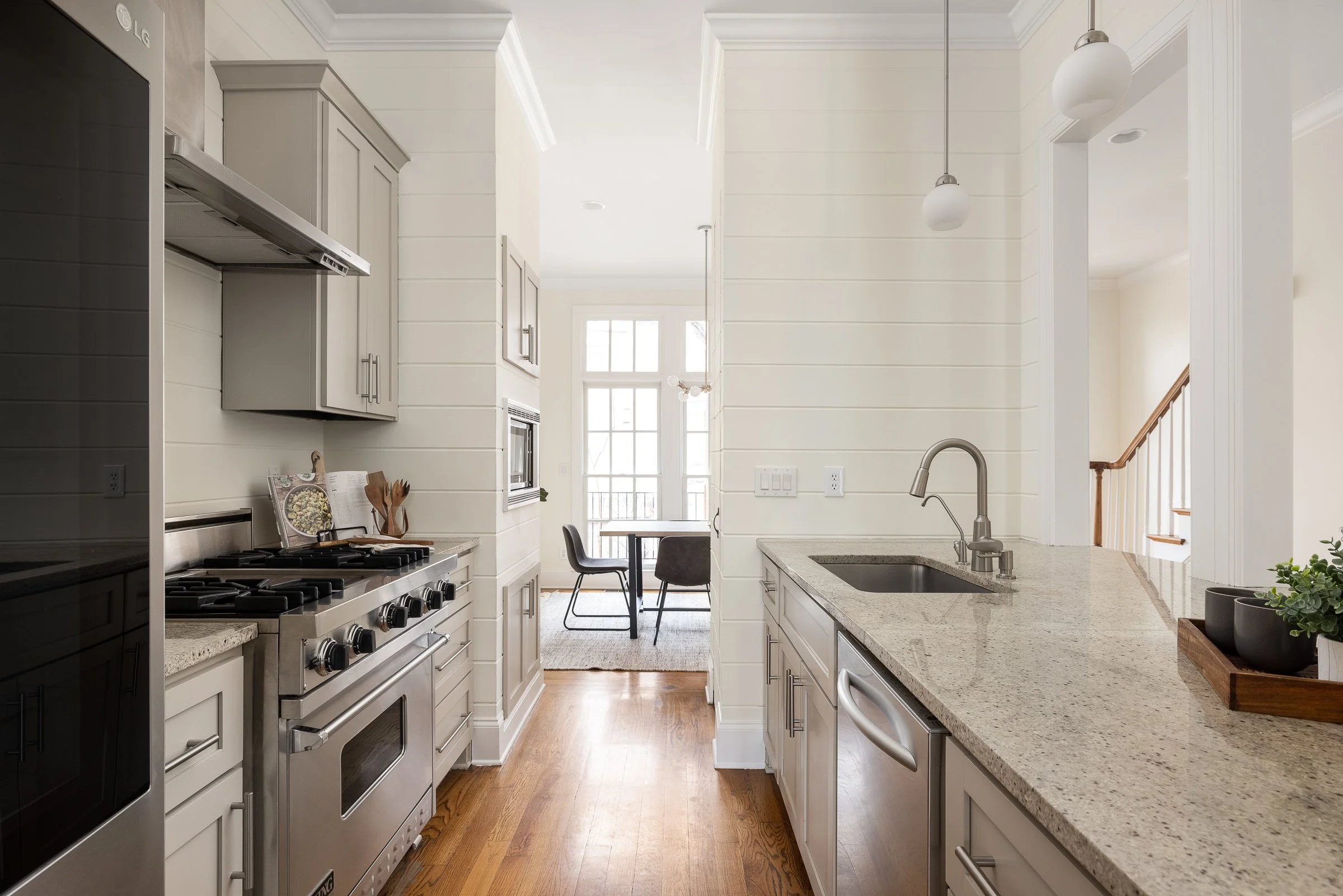
AFTER
Modernizing Without Remodeling
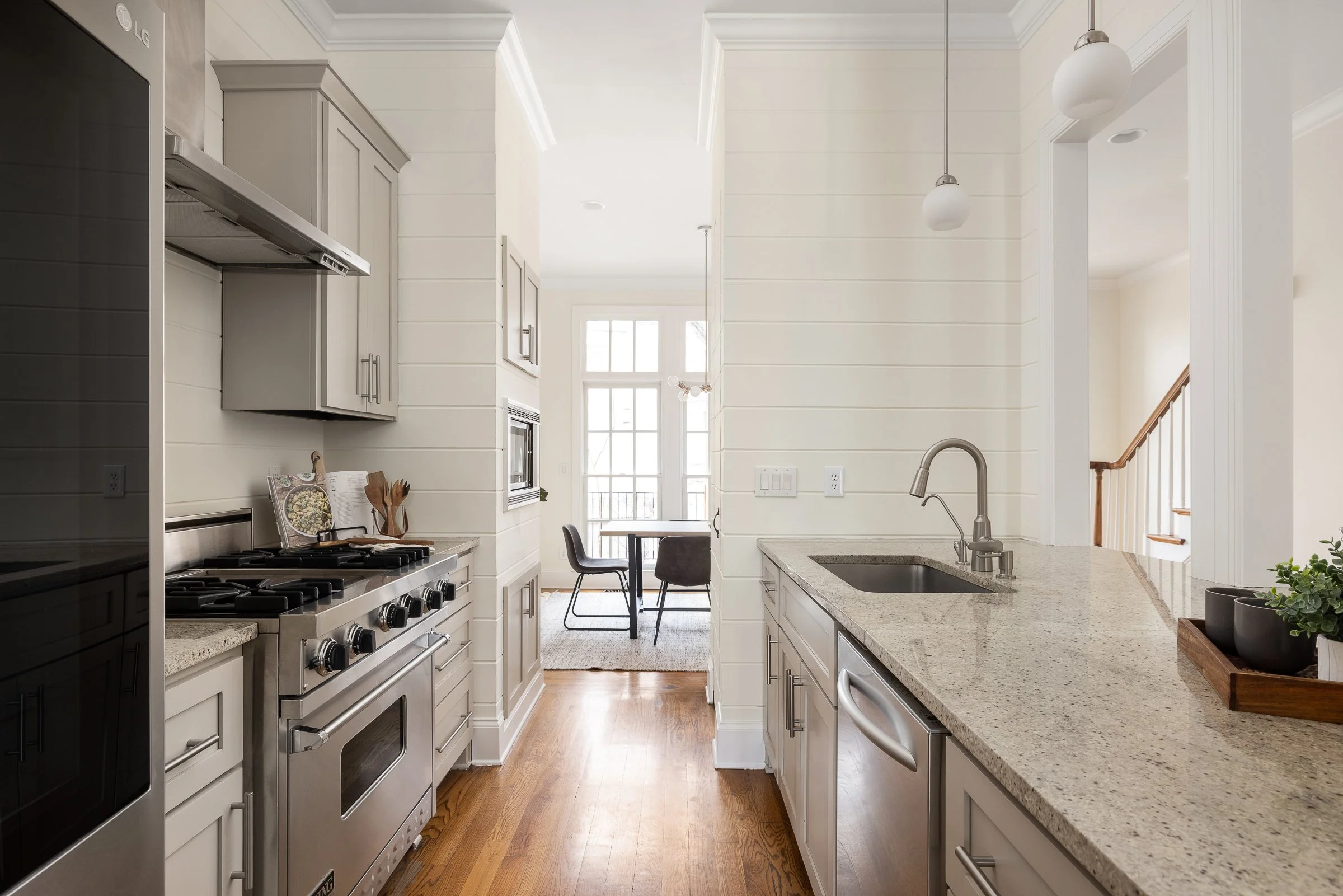
We didn't believe the answer was a new kitchen. The cabinetry was usable, and the granite countertops still had plenty of life left in them. Tearing everything out would have added considerable expense without necessarily producing a corresponding increase in what a buyer would pay.
Instead, we changed the relationship between the existing finishes.
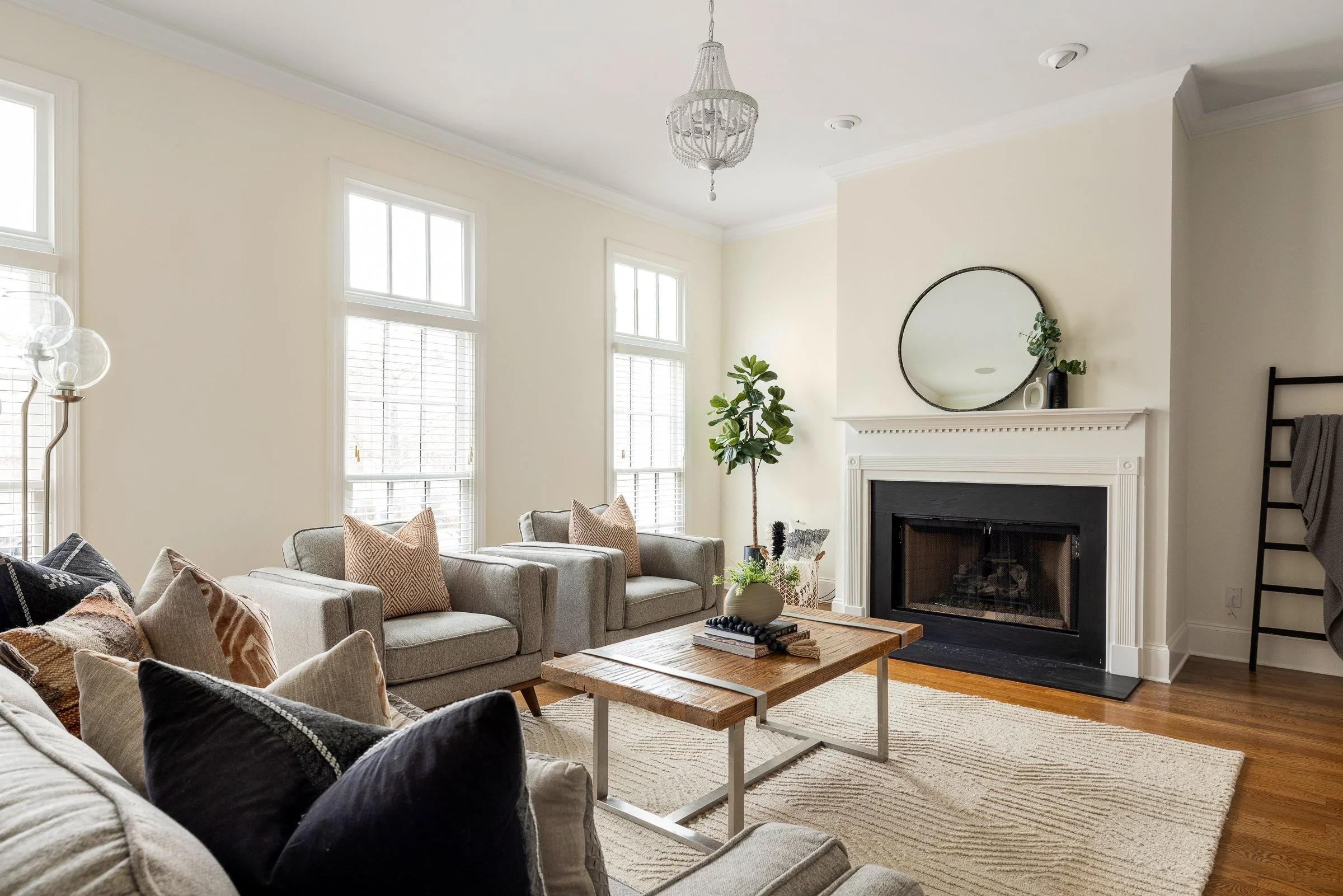
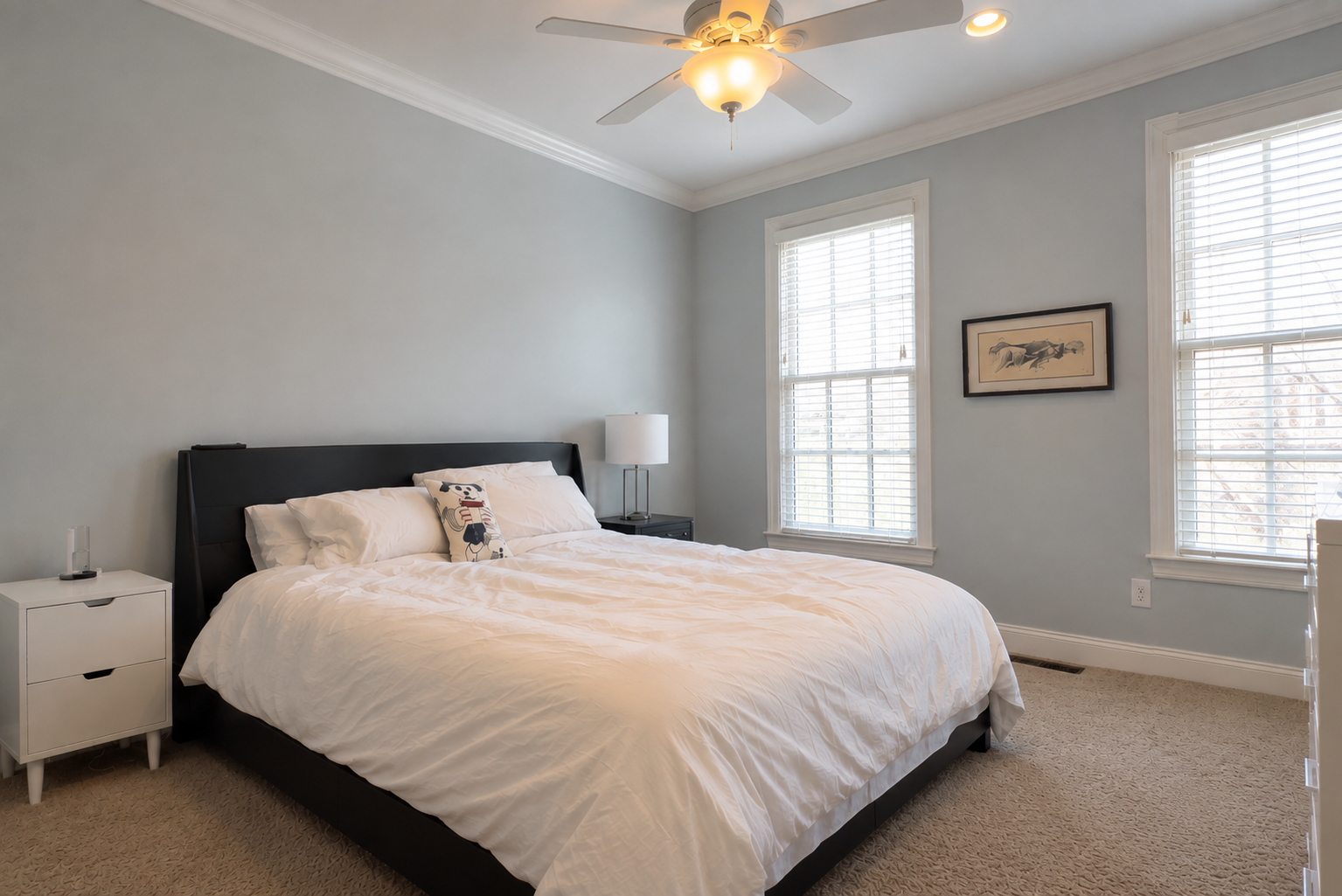
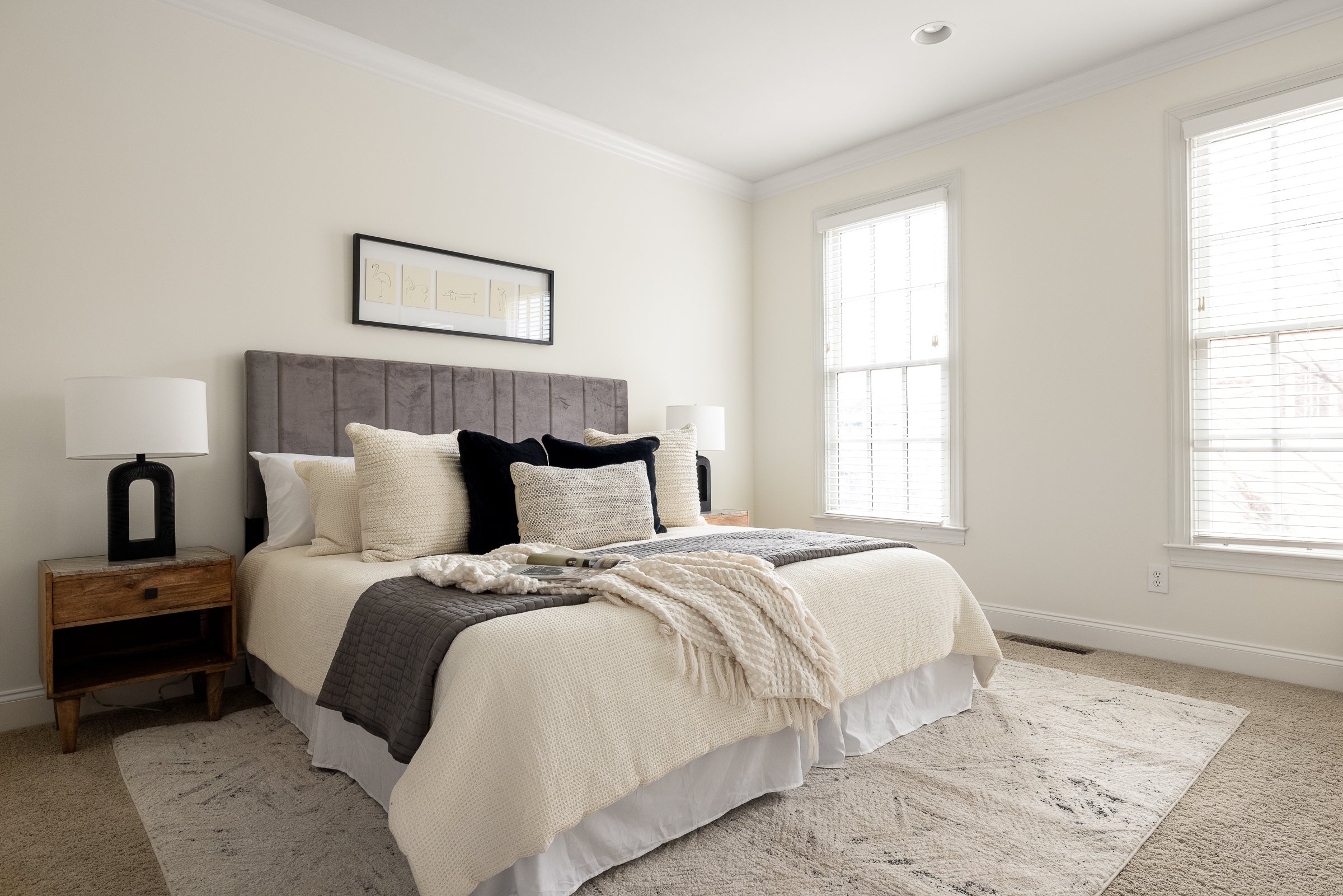
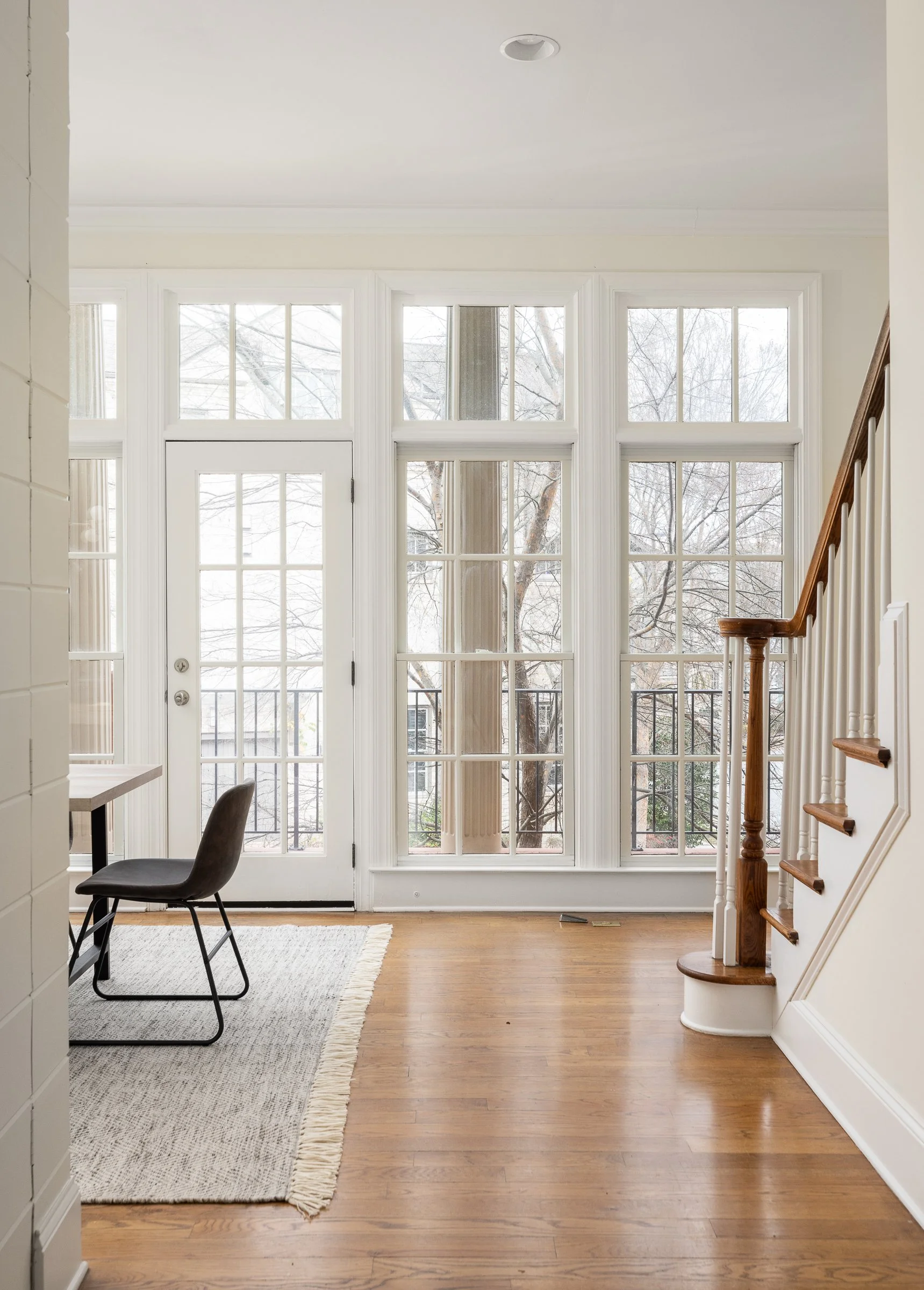
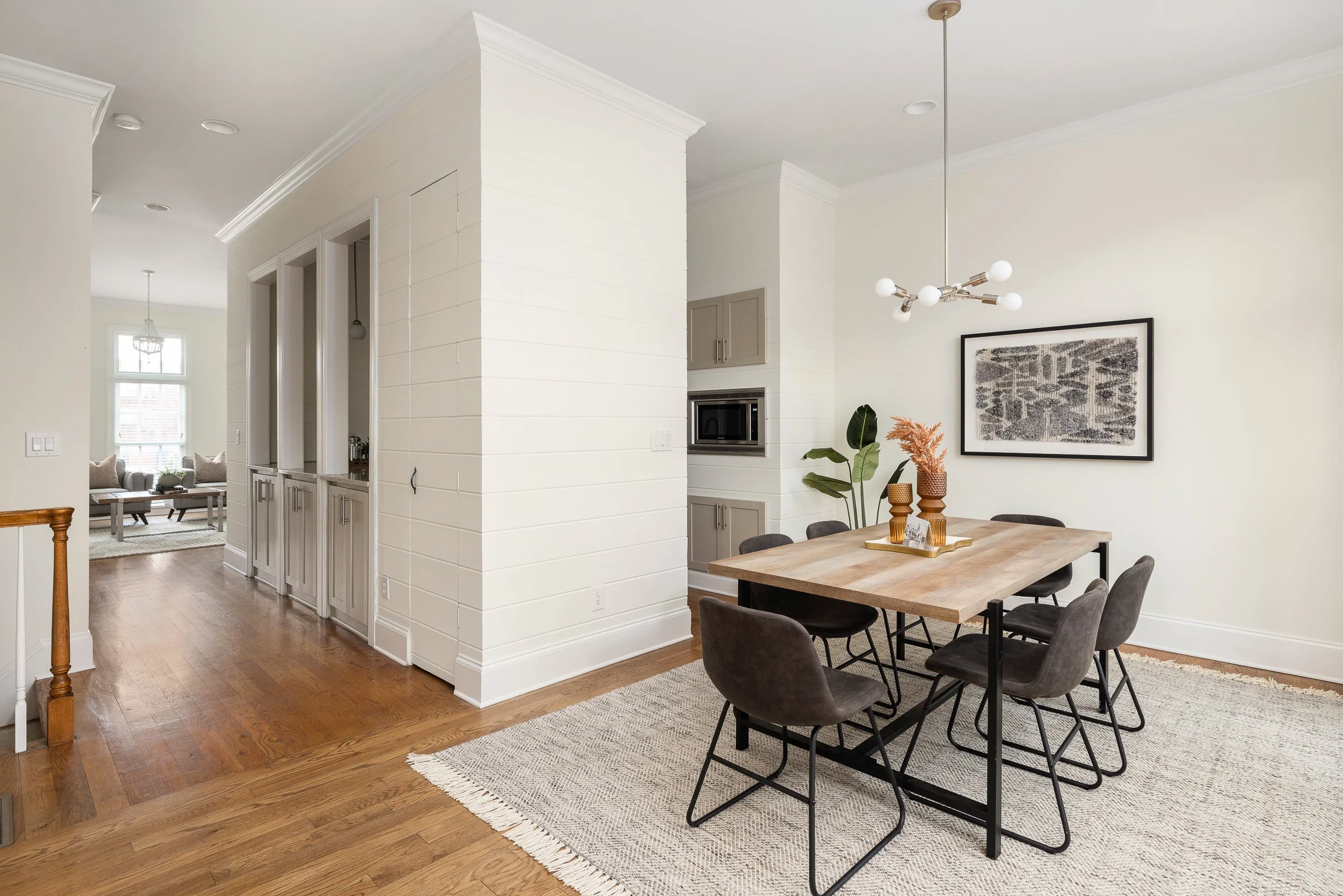
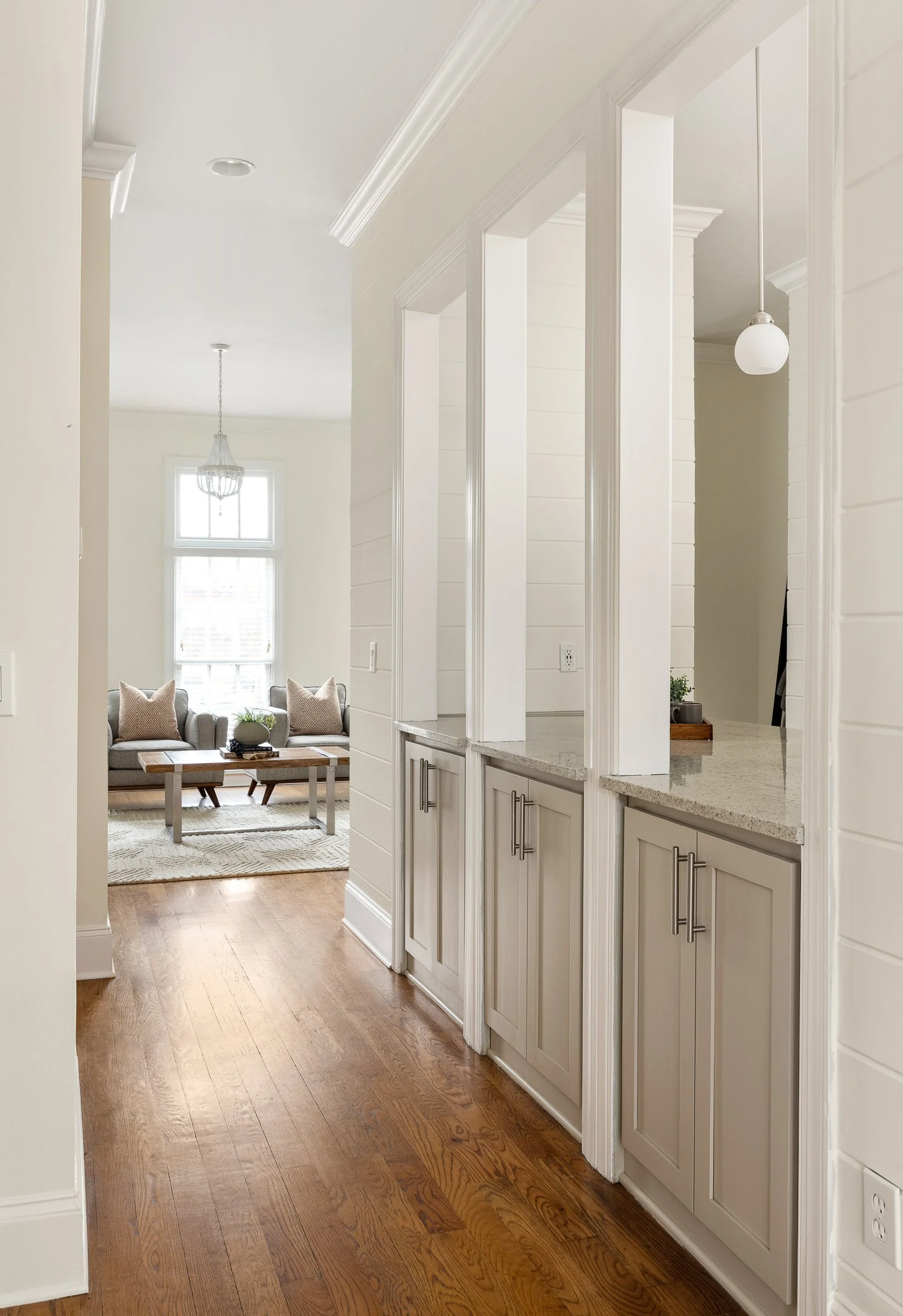
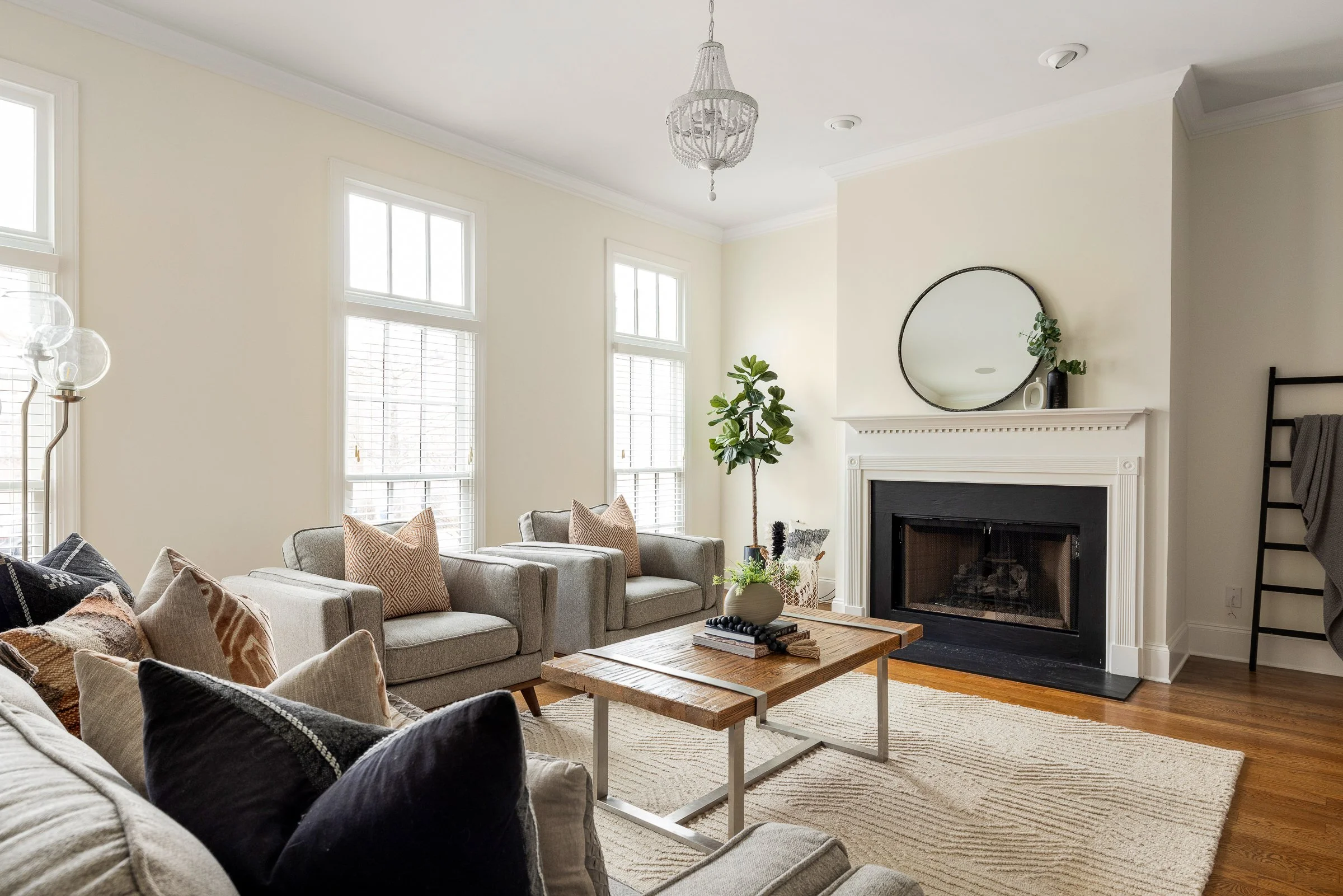
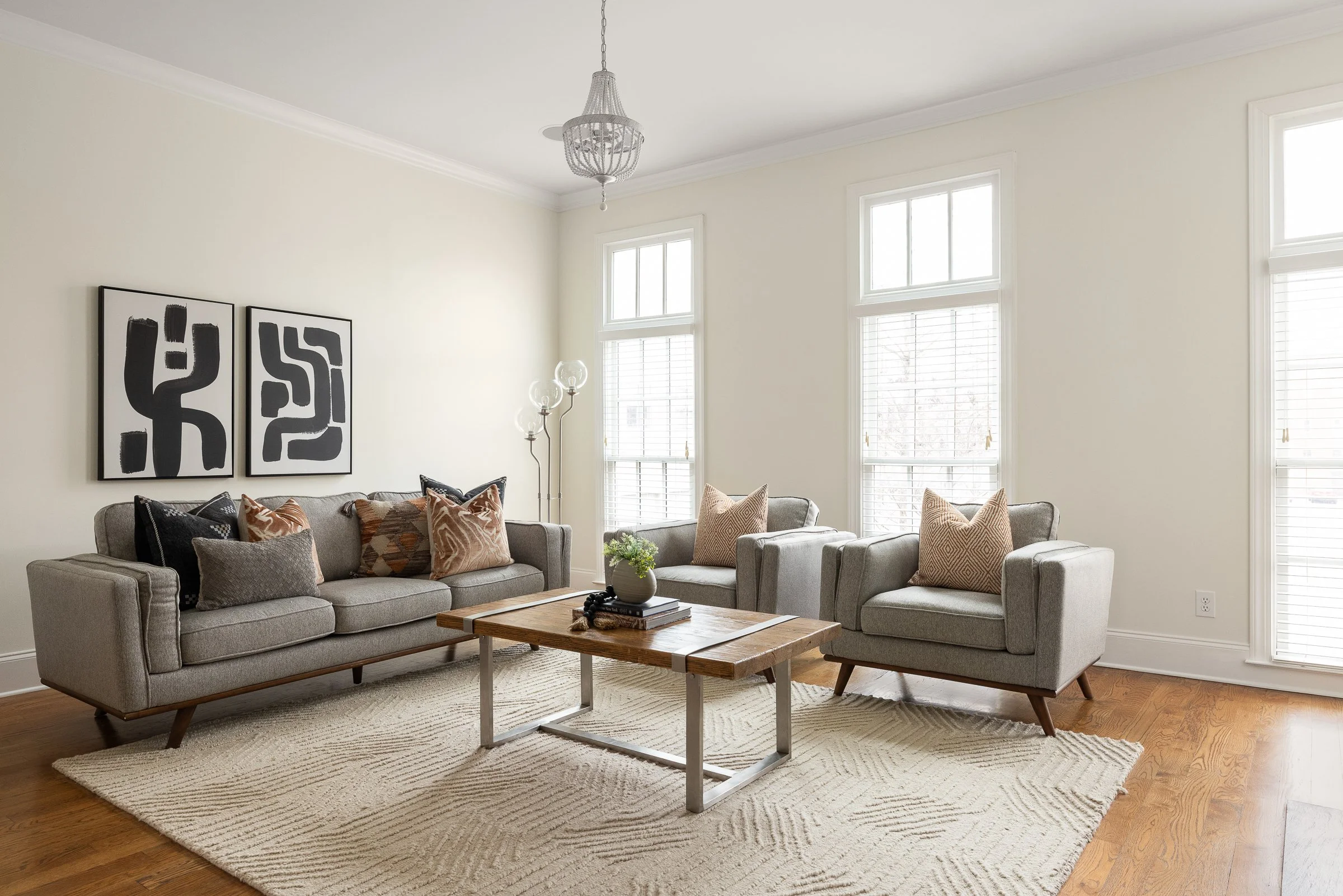
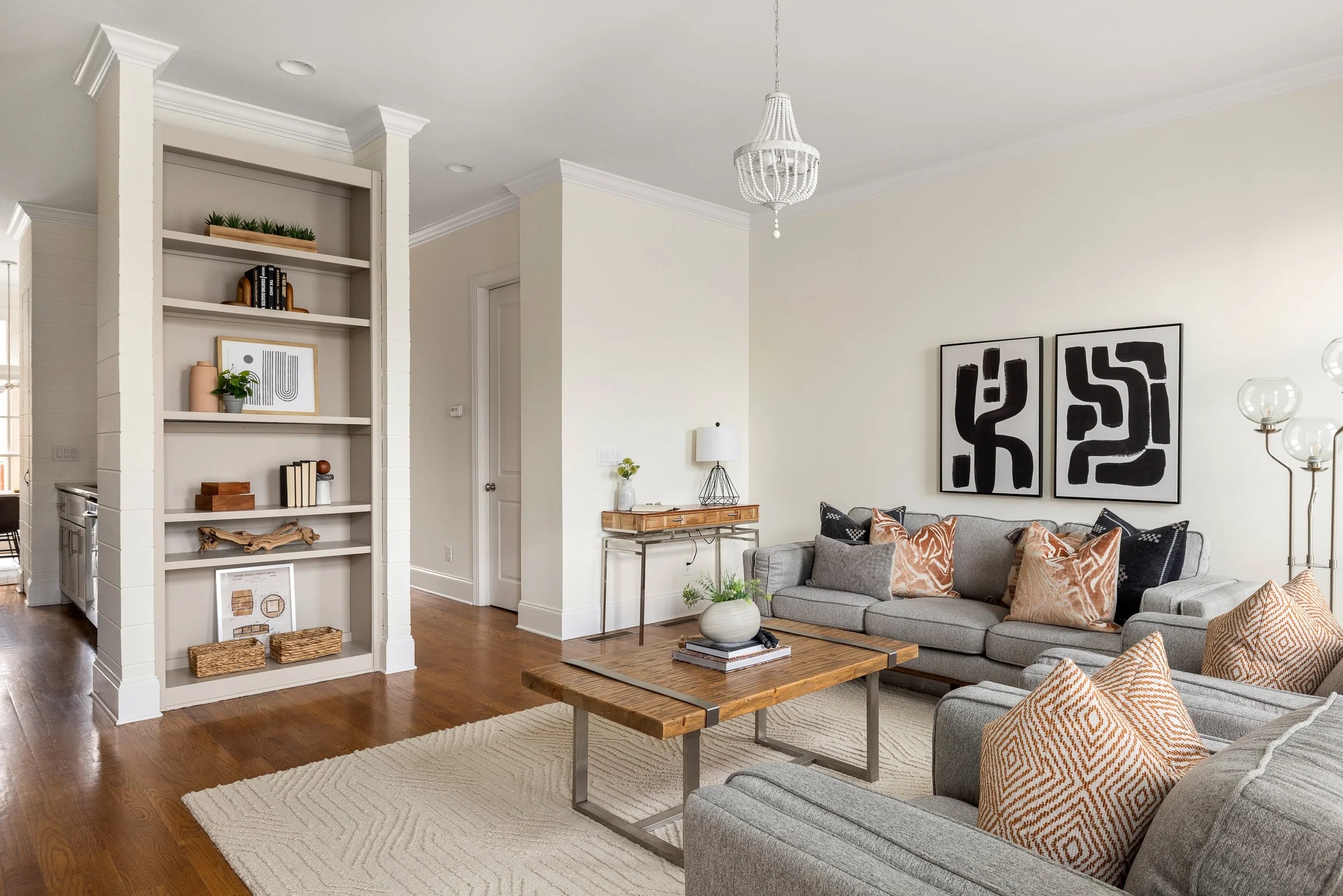
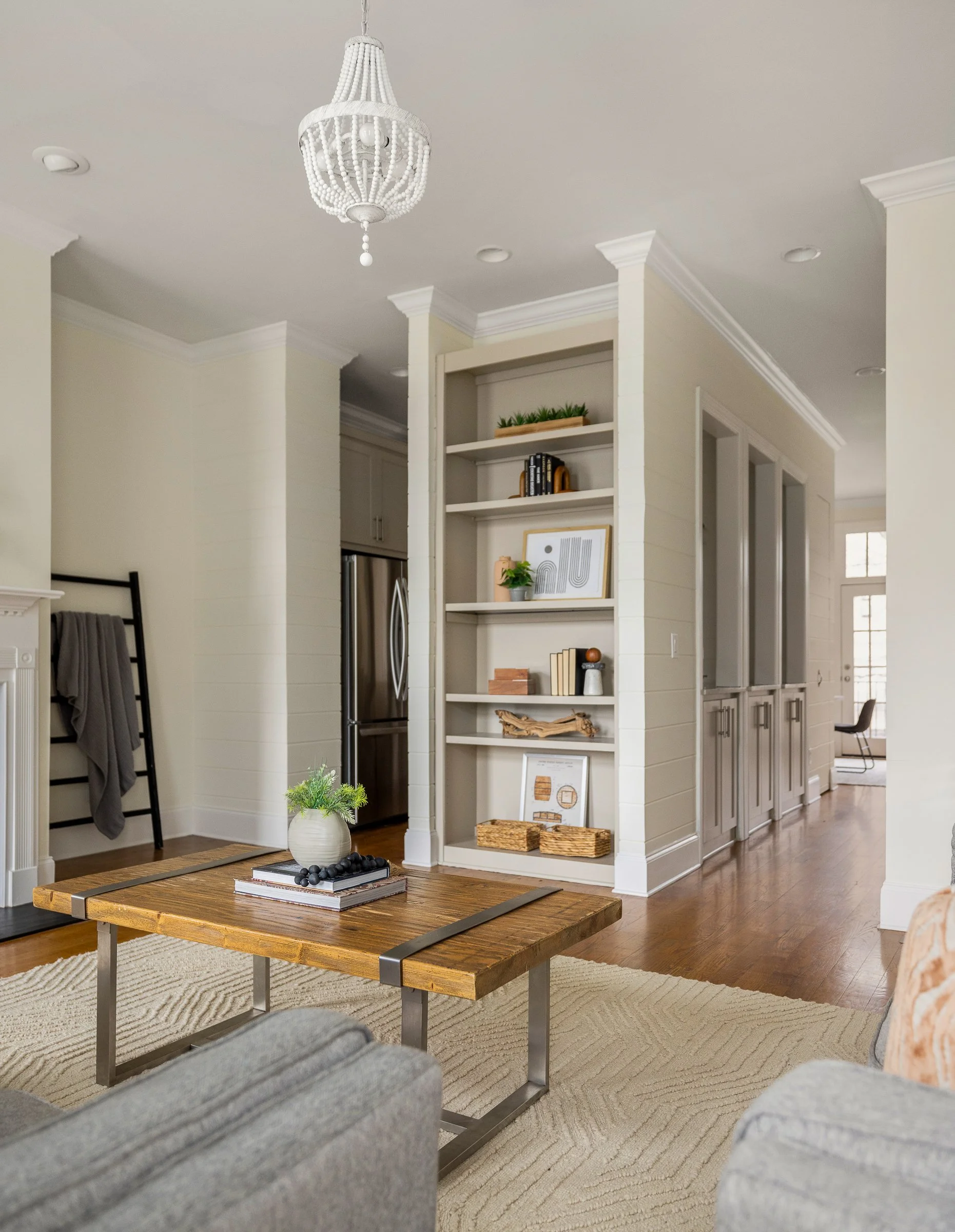
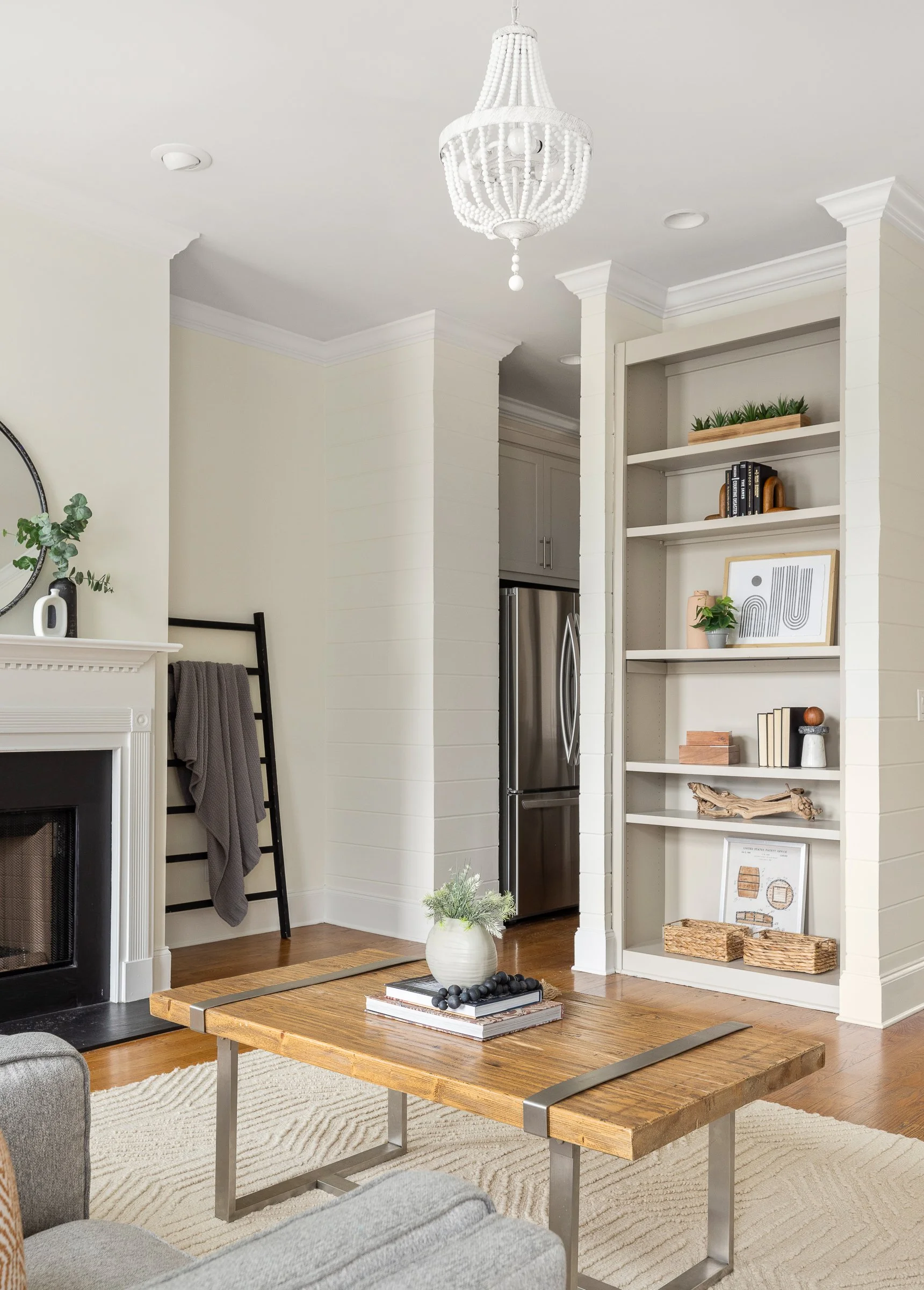
We painted the interior in a creamy shade of white, immediately making the home feel brighter and fresher. The espresso-stained kitchen cabinetry was painted Sherwin-Williams Shiitake, a warm neutral that modernized the kitchen while still working with the existing granite. We used the same color on the built-in bookshelves in the living room, creating some continuity between the spaces.
That allowed us to dramatically change the visual impression of the home while retaining some of its most expensive existing components.
-
BEFORE
-
AFTER
Getting Rid of the Builder-Grade Feel
Lighting was another relatively straightforward opportunity.
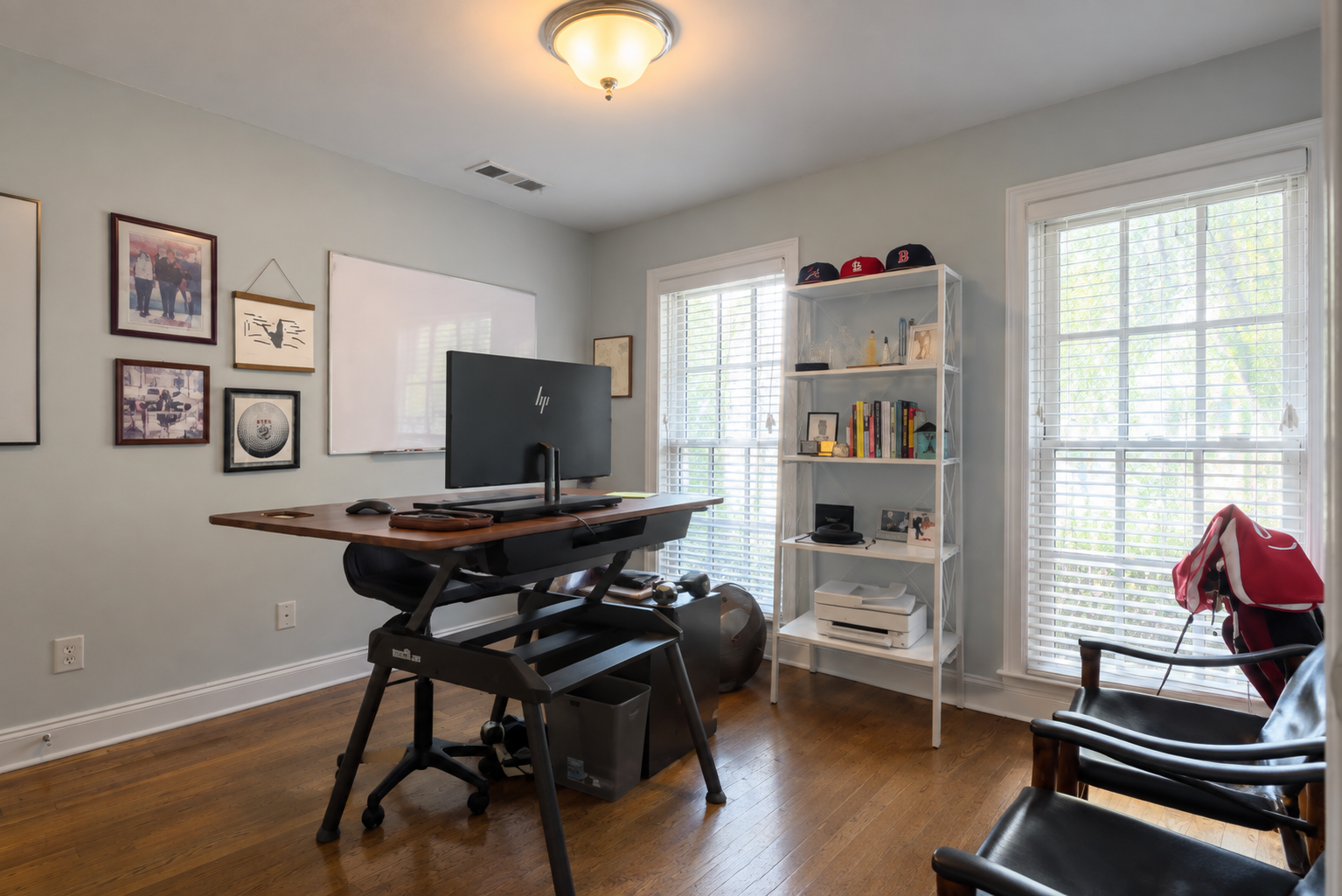
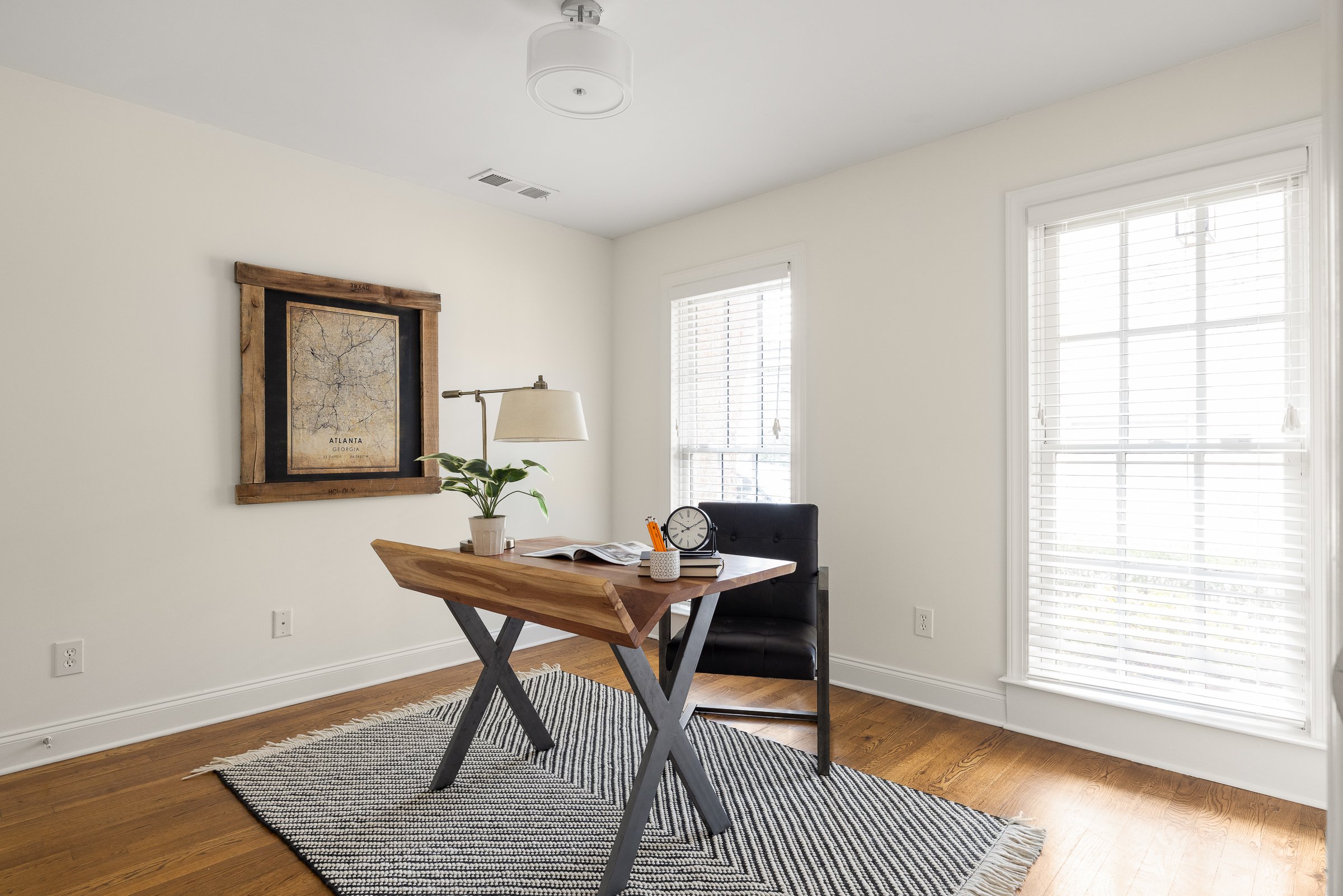
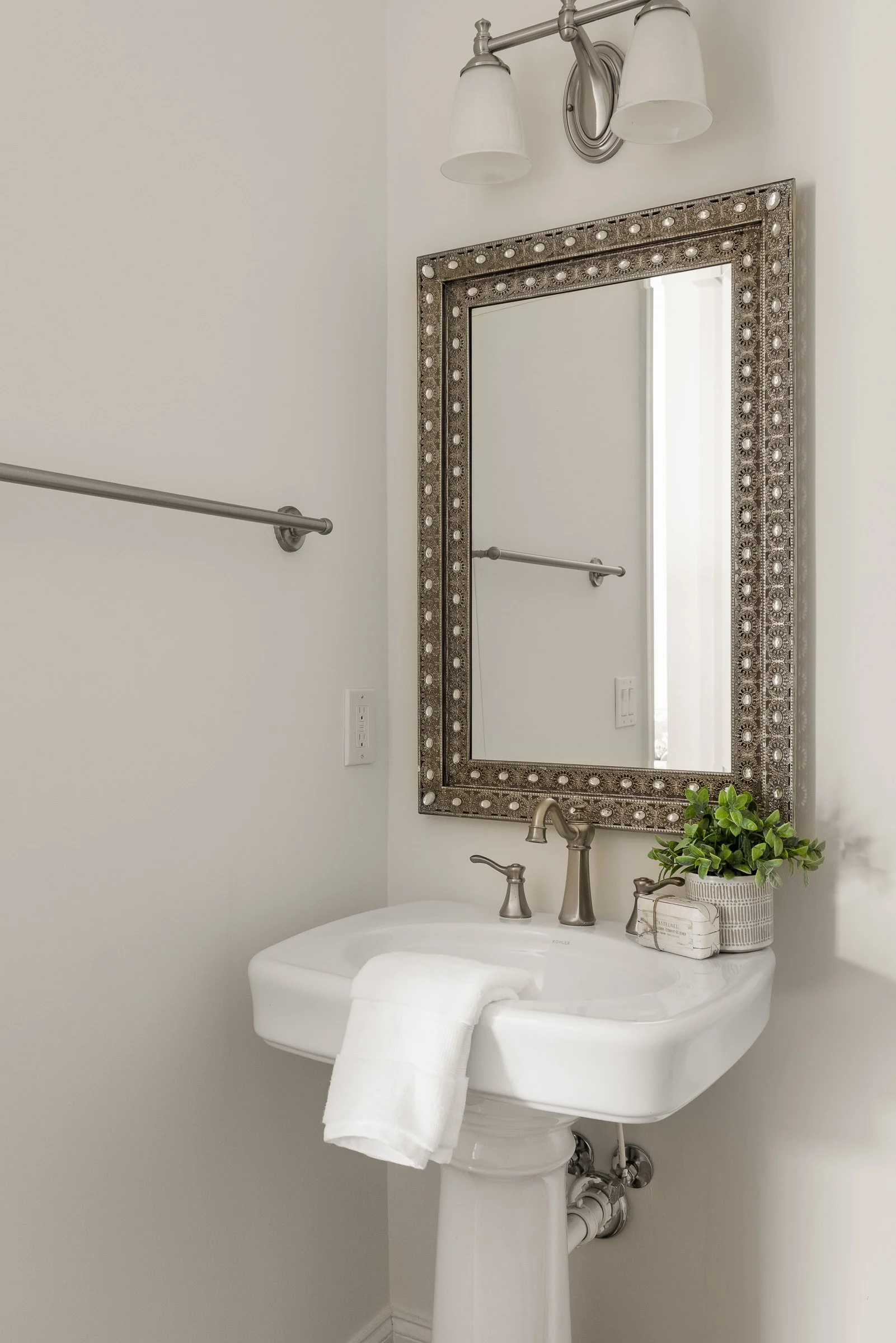
The original fixtures weren't broken, but they looked like fixtures selected by a builder nearly 20 years earlier. We replaced the basic flush mounts throughout the home with updated lighting that felt warmer, more romantic and more intentional.
It was a relatively small change compared with renovating a kitchen or bathroom, but lighting appears everywhere. Replacing those fixtures removed one of the most persistent reminders of the home's age and helped the entire property feel more considered.
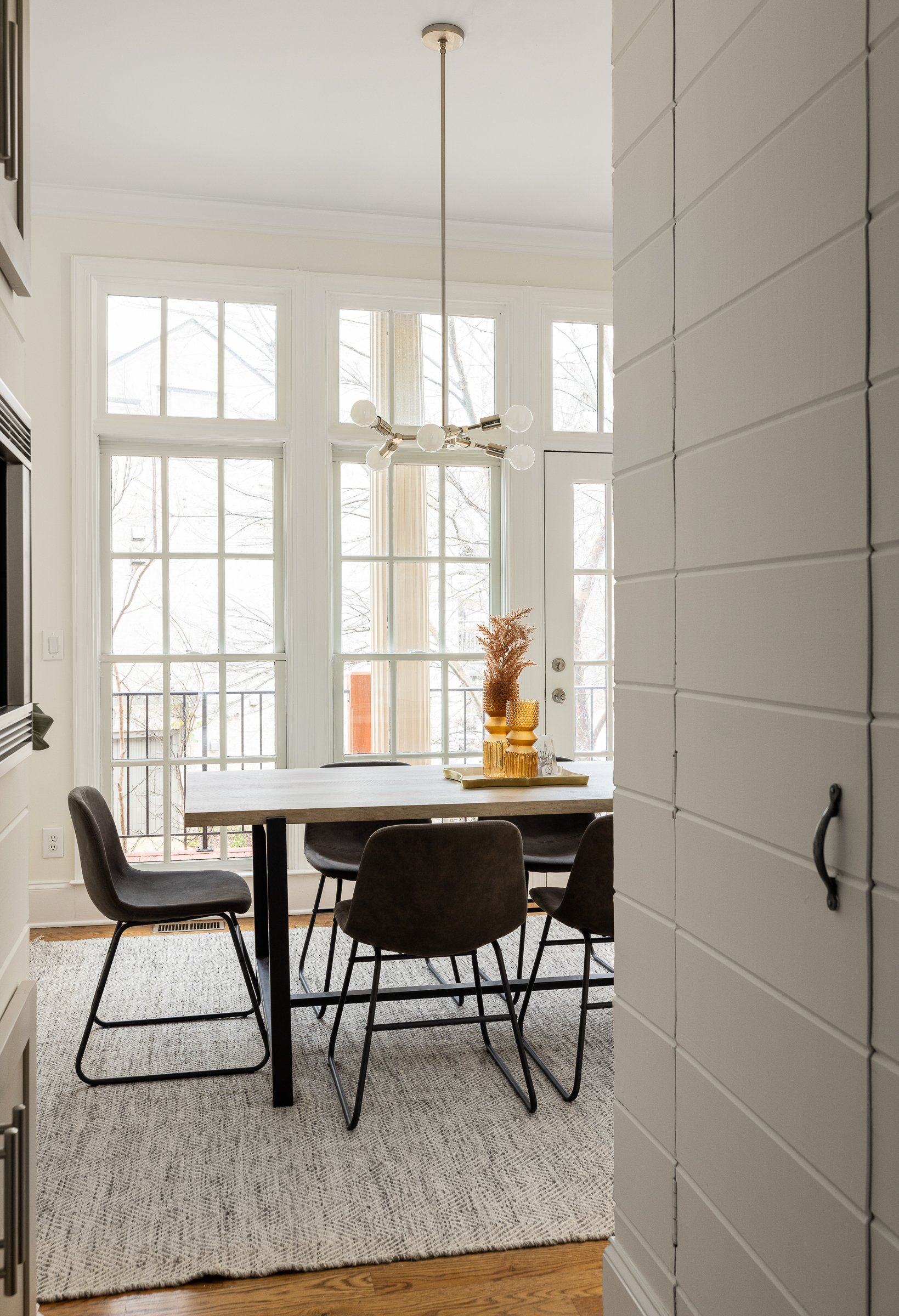
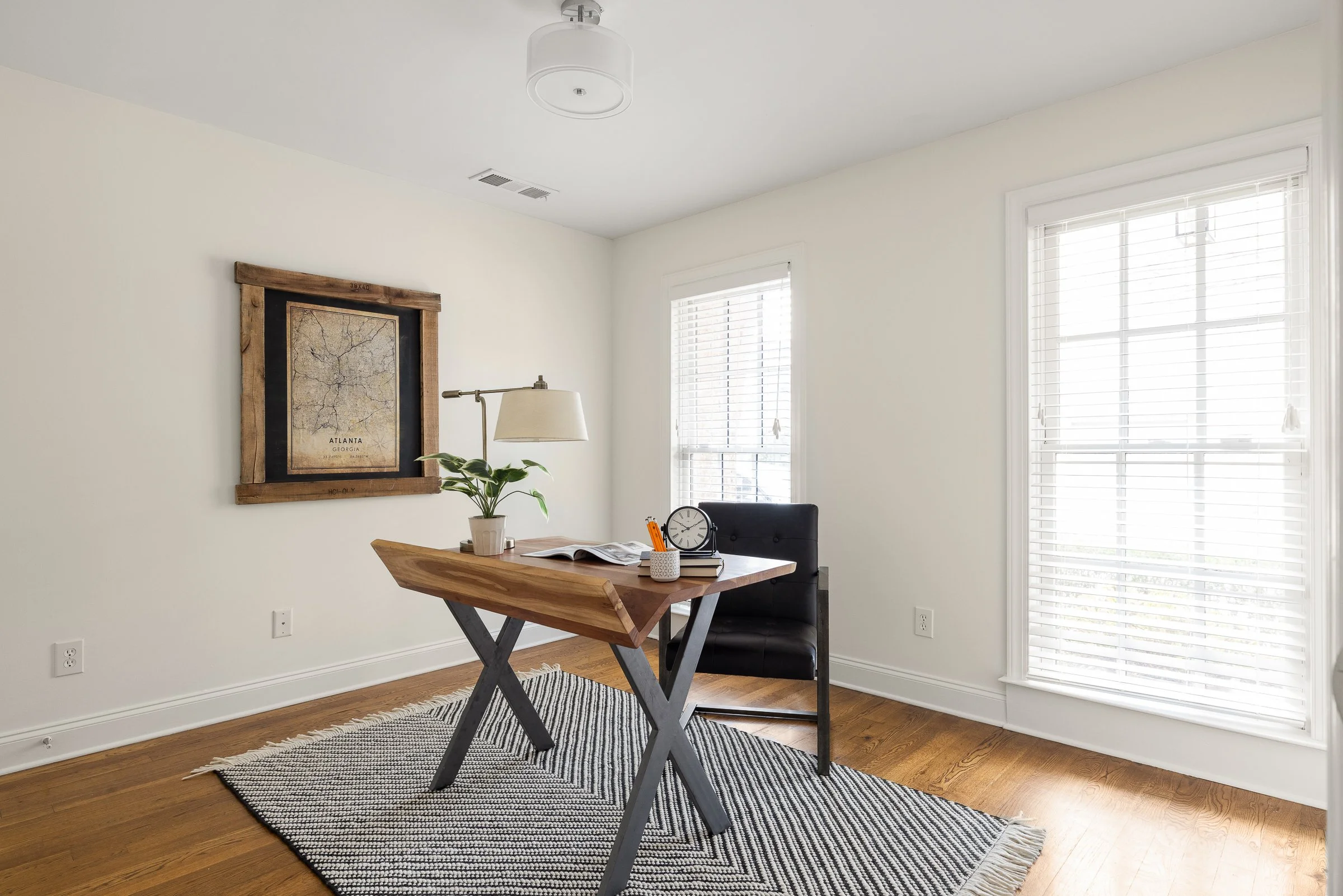
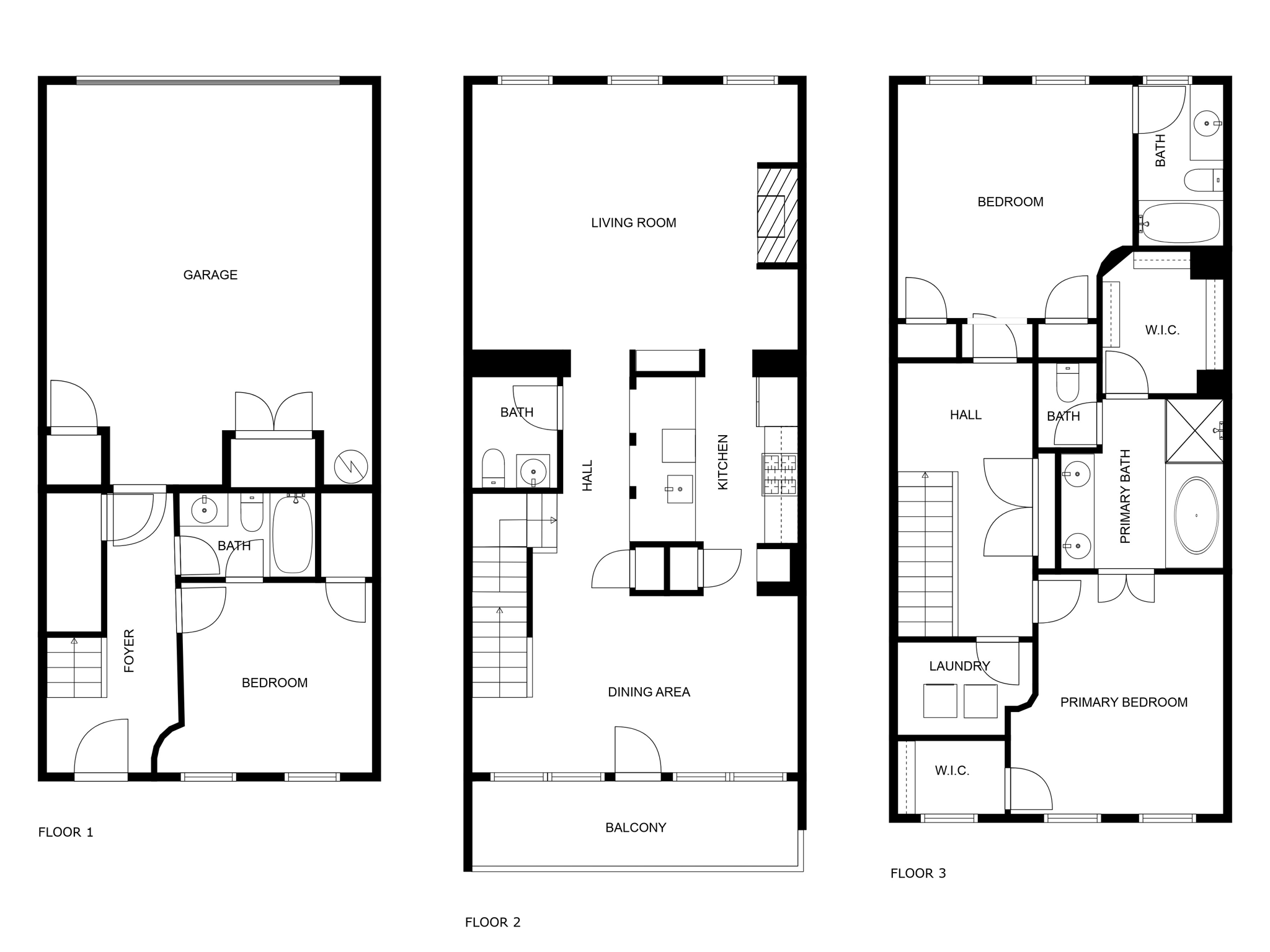
Once the painting and lighting were finished, we professionally staged the townhome with modern furniture that complemented the warmer, lighter palette. The rooms still had the same dimensions and the house still had the same floor plan, but buyers were now experiencing those spaces in an entirely different way.
-
BEFORE
-
AFTER
We Weren't Trying to Make It Sell. We Were Trying to Make It Sell for More.
That's the distinction that drove the preparation of this home.
There are properties where preparation is necessary because significant condition issues will prevent buyers from seriously considering them. This wasn't one of those properties. Glenwood Park was desirable, the location within the neighborhood was excellent, and the townhome itself was fundamentally sound.
We could have listed it as-is, priced accordingly, and likely received offers from buyers willing to update it themselves.
But those buyers would have factored the dated appearance into what they were willing to pay.
Instead, we made the improvements before they ever walked through the door. Buyers weren't being asked to imagine the espresso cabinetry painted, mentally replace the light fixtures, overlook dingy walls or figure out how their furniture might work in the rooms. They were seeing the finished product.
When we brought the property to market on January 1, 2024, it went under contract eight days later with a full-price offer.
-
BEFORE
-
AFTER
Location Gets Buyers There. Presentation Helps Determine What They'll Pay.
A highly desirable neighborhood gives a seller an enormous advantage, but we don't think that's a reason to become complacent about preparation. In some cases, it gives us an even better reason to prepare the property carefully because there is already enough demand to justify trying to maximize the opportunity.
The goal here wasn't to disguise the fact that this was a 2006 townhome or spend money turning it into new construction. We wanted to remove the handful of dated elements that were preventing buyers from seeing it alongside newer competition.
The existing kitchen remained. The granite remained. The floor plan remained. What changed was the way buyers experienced all of it.
We could have relied on Glenwood Park to sell the townhome. Instead, we combined that location with thoughtful updates and professional staging so that when buyers arrived, the home itself gave them another reason to pay top dollar.

This home is exclusively listed by The Rob Smith Team at Keller Williams Realty Intown Atlanta.

For more information please contact:
Rob Smith
REALTOR
Keller Williams Realty Intown Atlanta
M: 404.906.5857
rob@robsmith.com